KitGuru KitGuru.net – Tech News | Hardware News | Hardware Reviews | IOS | Mobile | Gaming | Graphics Cards


We've been hearing rumours about a possible Nintendo Switch Pro model for years now, but things appear to be picking up steam this year. A report earlier this week revealed some key features of the upcoming Switch Pro, which will reportedly support Nvidia's DLSS technology. Now according to another tech leaker, the new Switch GPU will be based on Nvidia's Lovelace architecture.
Kopite7kimi, a leaker that has previously correctly predicted NVIDIA Ampere GPU details months ahead of launch, tweeted at Videocardz following reports of the Switch Pro, claiming that the new model will feature Nvidia's Lovelace architecture. The architecture is named after Ada Lovelace, a famed mathematician and computer programmer.
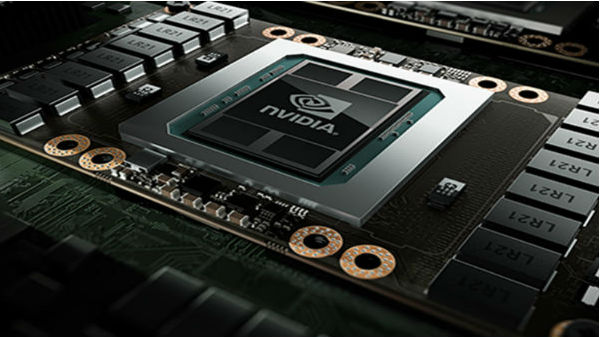
Lovelace is rumoured to be a direct successor to Nvidia's Ampere architecture, which powers the current RTX 30 series graphics cards.
The current version of the Nintendo Switch is using a Tegra X1 chip, which is based on the Maxwell architecture, so this would be a very significant upgrade. Nvidia may talk up its next-gen Tegra chip fairly soon too, as GTC is just around the corner, taking place on the 12th of April.
KitGuru Says: We may hear details about Nvidia's new Tegra chip well before Nintendo actually announces a new Switch console. With that in mind, we'll be keeping a keen eye on GTC next month.