KitGuru KitGuru.net – Tech News | Hardware News | Hardware Reviews | IOS | Mobile | Gaming | Graphics Cards


Qualcomm has confirmed that it has resumed trading with Huawei once again after tech firms lobbied for the US government to ease up on the sanctions imposed against the Chinese smartphone manufacturer.
Qualcomm’s CEO, Steve Mollenkpof, said that the company is selling components to Huawei again and is looking to seal a long-term supply deal with them. This should be a huge relief for Huawei, as Qualcomm plays a significant role in the smartphone component market and is often ahead of the competition in regards to performance.
As the U.S-China trade dispute continued, the U.S put Huawei on a blacklist, labelling the company as a threat to national security and prohibiting American companies from conducting business with them. This led to a whole bunch of issues, including Huawei's Android license being pulled and stopping smartphones and laptops from being sold just as the company was attempting to crack into the western market.
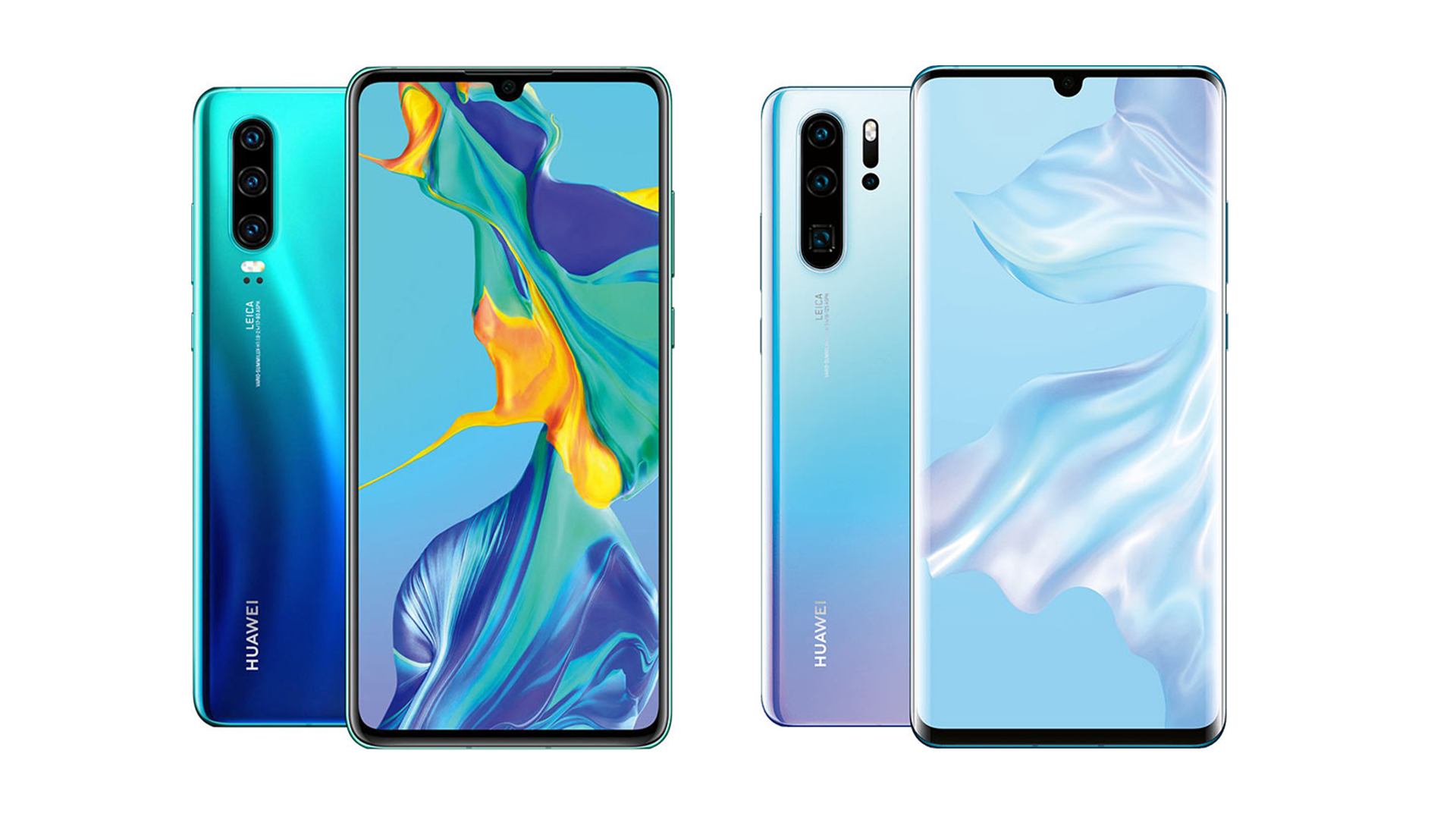
The situation has changed a bit in the last couple of months, with the U.S now allowing companies to trade with Huawei once again as long as there is no risk to national security. The fact that Qualcomm and Huawei may resume trading is good news for both parties, as Qualcomm recently blamed a 13% year-on-year revenue dip on the Huawei ban.
While U.S tech companies can resume trading with Huawei, there are still some restrictions in place. For instance, a company will have to apply for an exemption from the ‘Entity List' ban, which has already garnered over 130 applications, although licenses are being granted at a very slow pace.
It seems Qualcomm is the first to manage to obtain a license to trade with Huawei again. It is estimated that the total spent on US products by Huawei last year was $11 billion.
KitGuru says: With Qualcomm being allowed to trade with Huawei again, does this mean we will soon see other companies following suit? Perhaps the Android license could be reinstated too.