KitGuru KitGuru.net – Tech News | Hardware News | Hardware Reviews | IOS | Mobile | Gaming | Graphics Cards


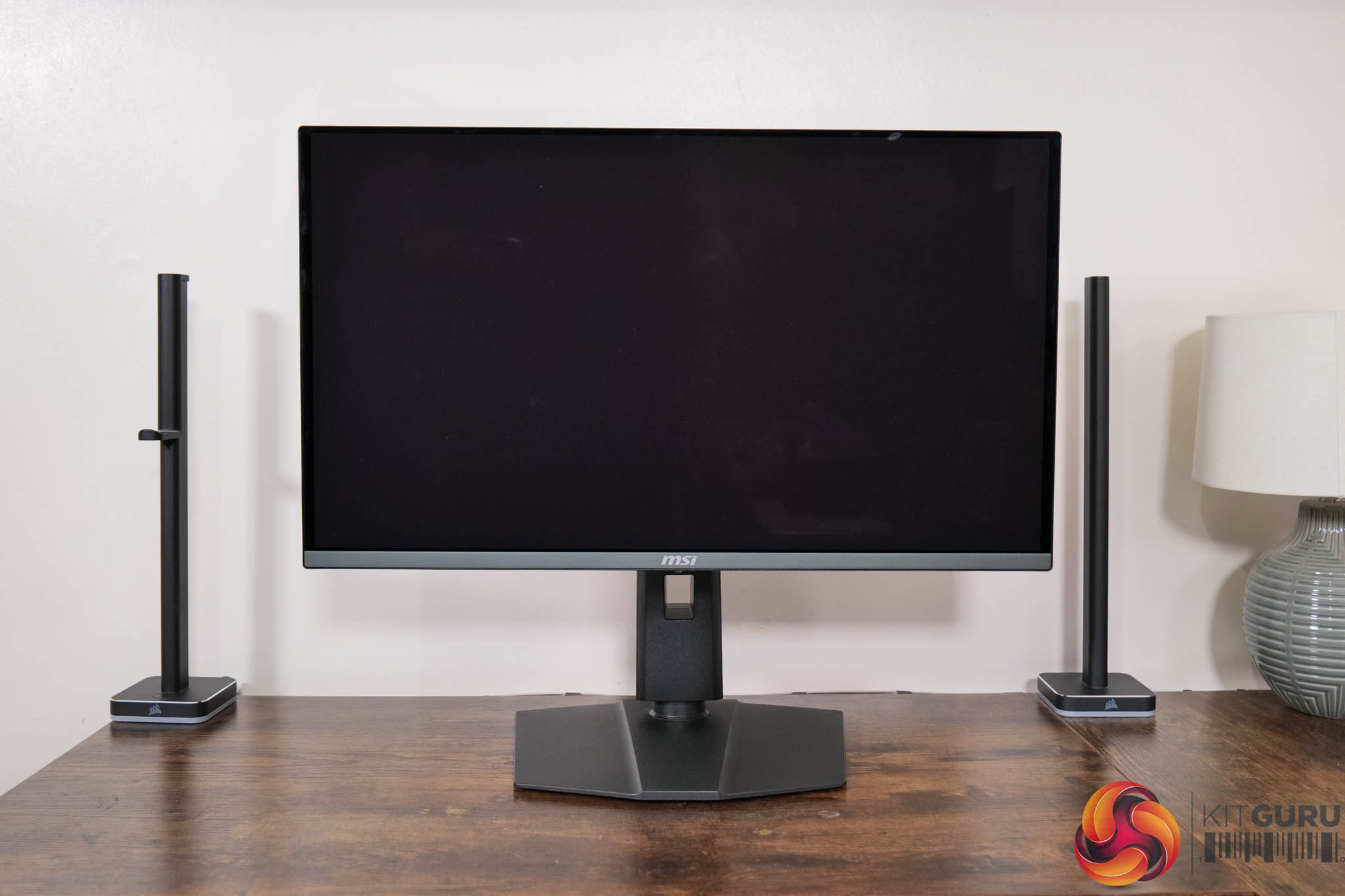
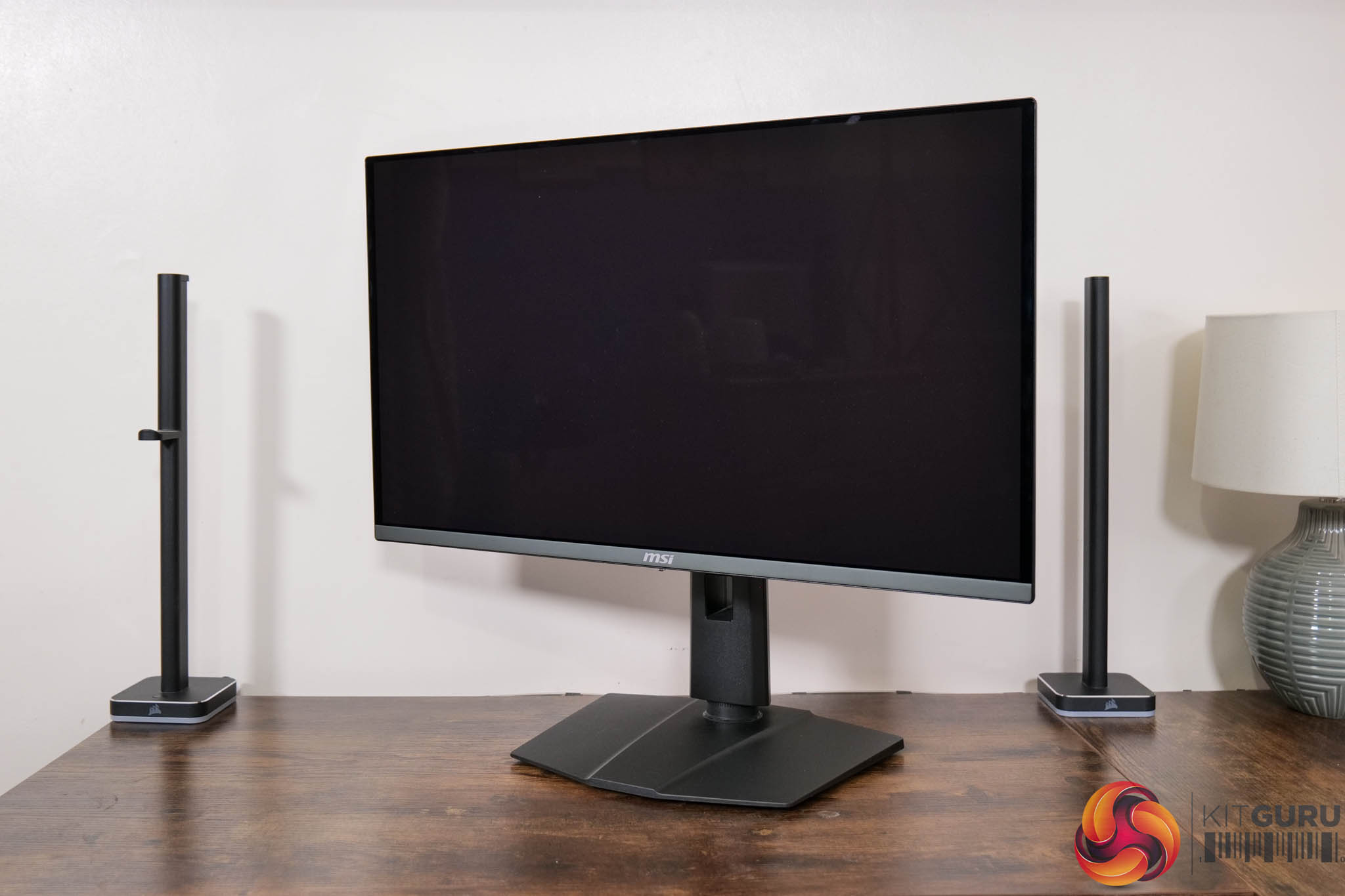
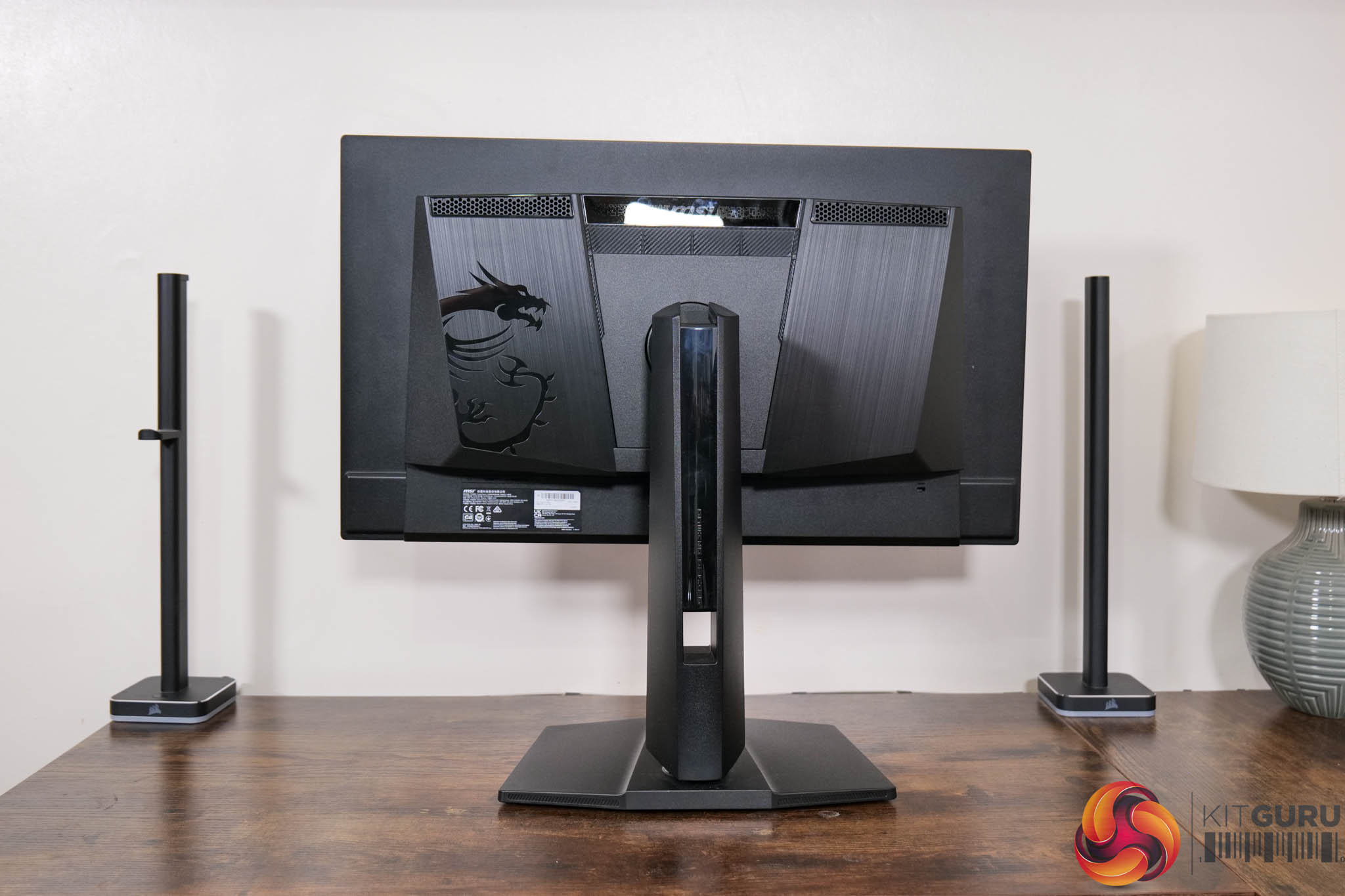
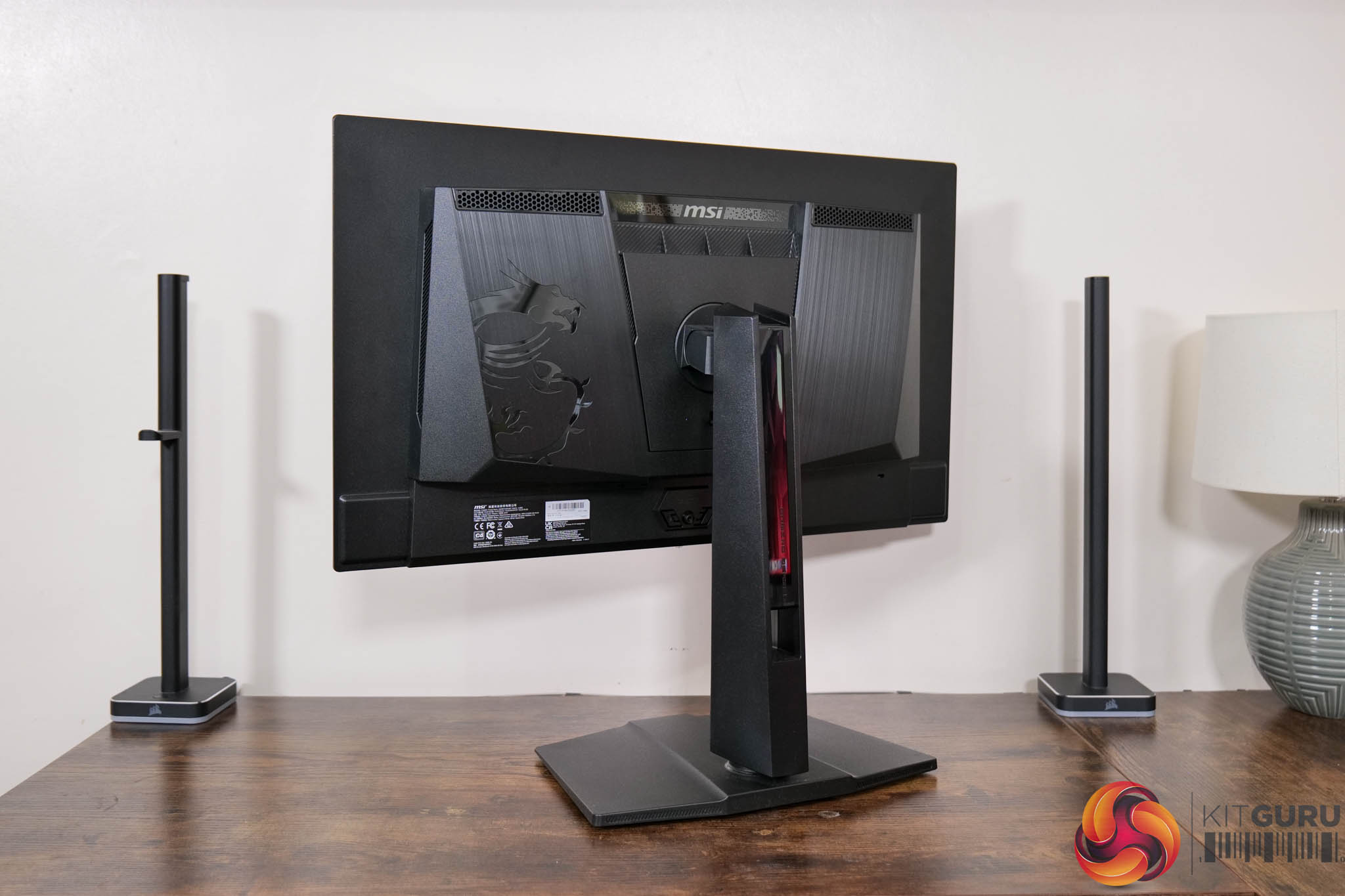
In terms of the design of the 272URX, not much has changed compared to the 321URX we reviewed last year – it's really the same thing, but obviously scaled down in size. That's not necessarily a bad thing as it's a fairly inoffensive, mostly black aesthetic – I just wish there was a bit more metal used, as it feels just a bit plasticky for my tastes. I do appreciate the square-ish foot though, as I much prefer this compared to some of the larger v-shaped feet we typically see.
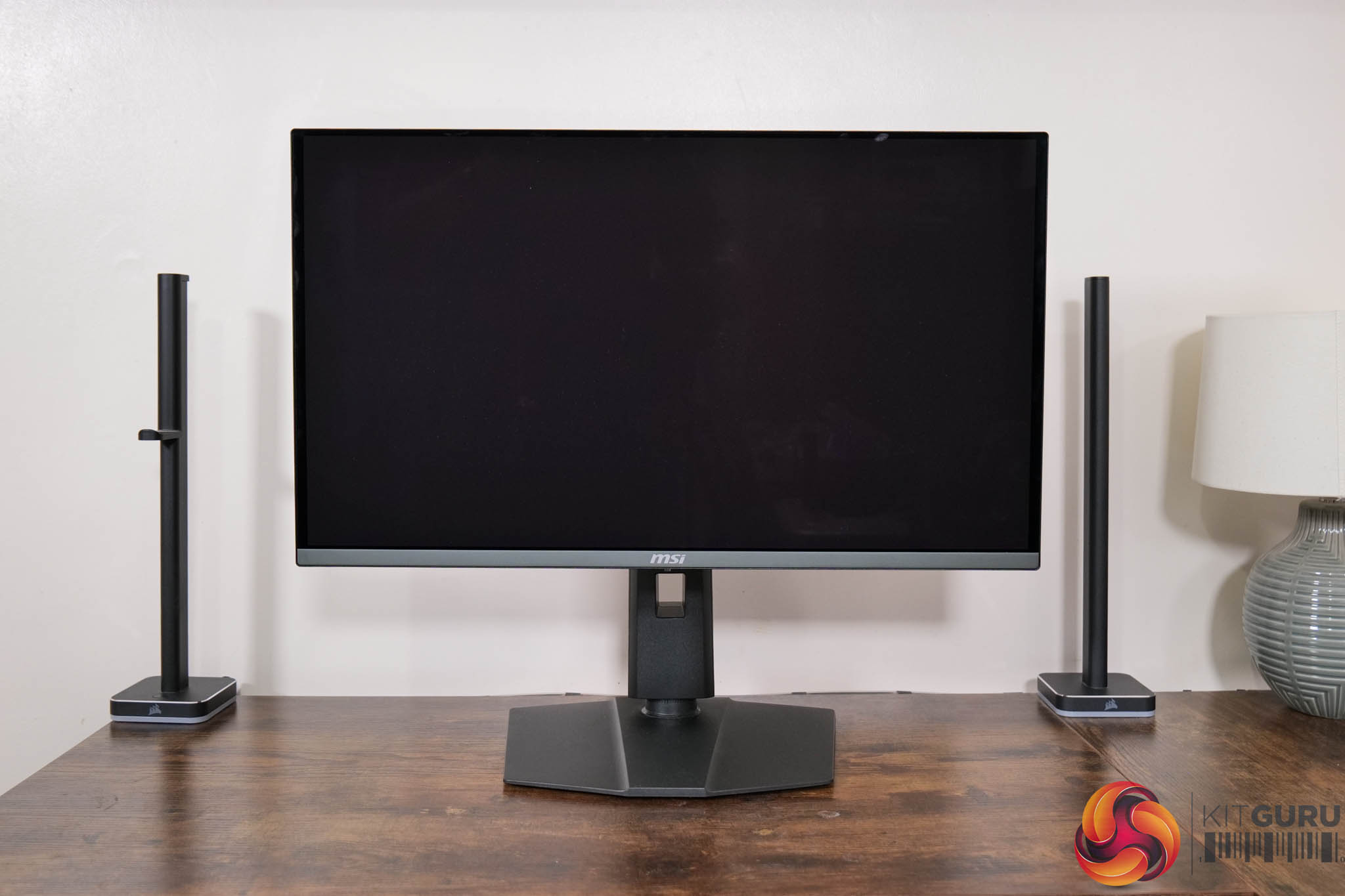
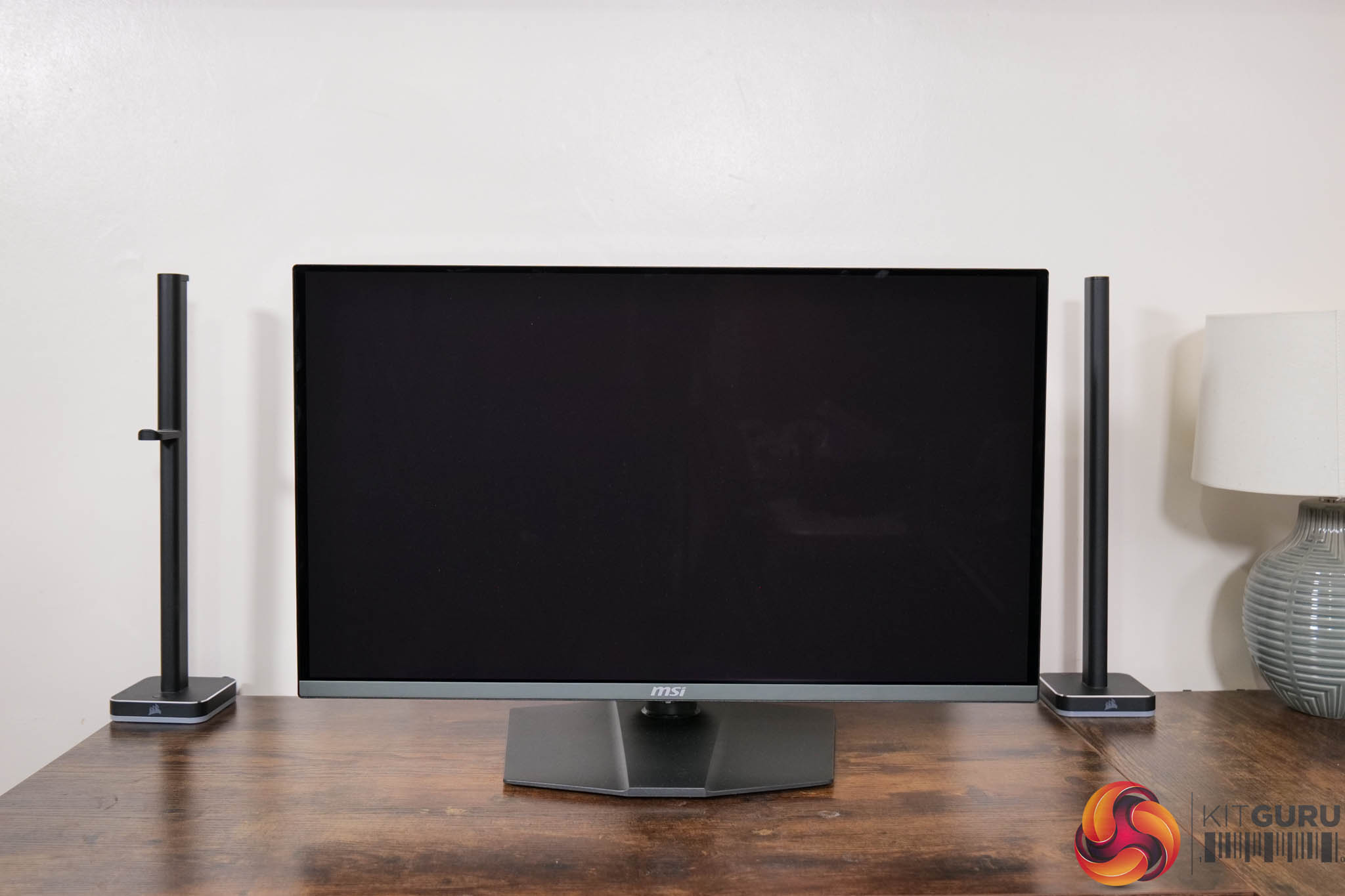
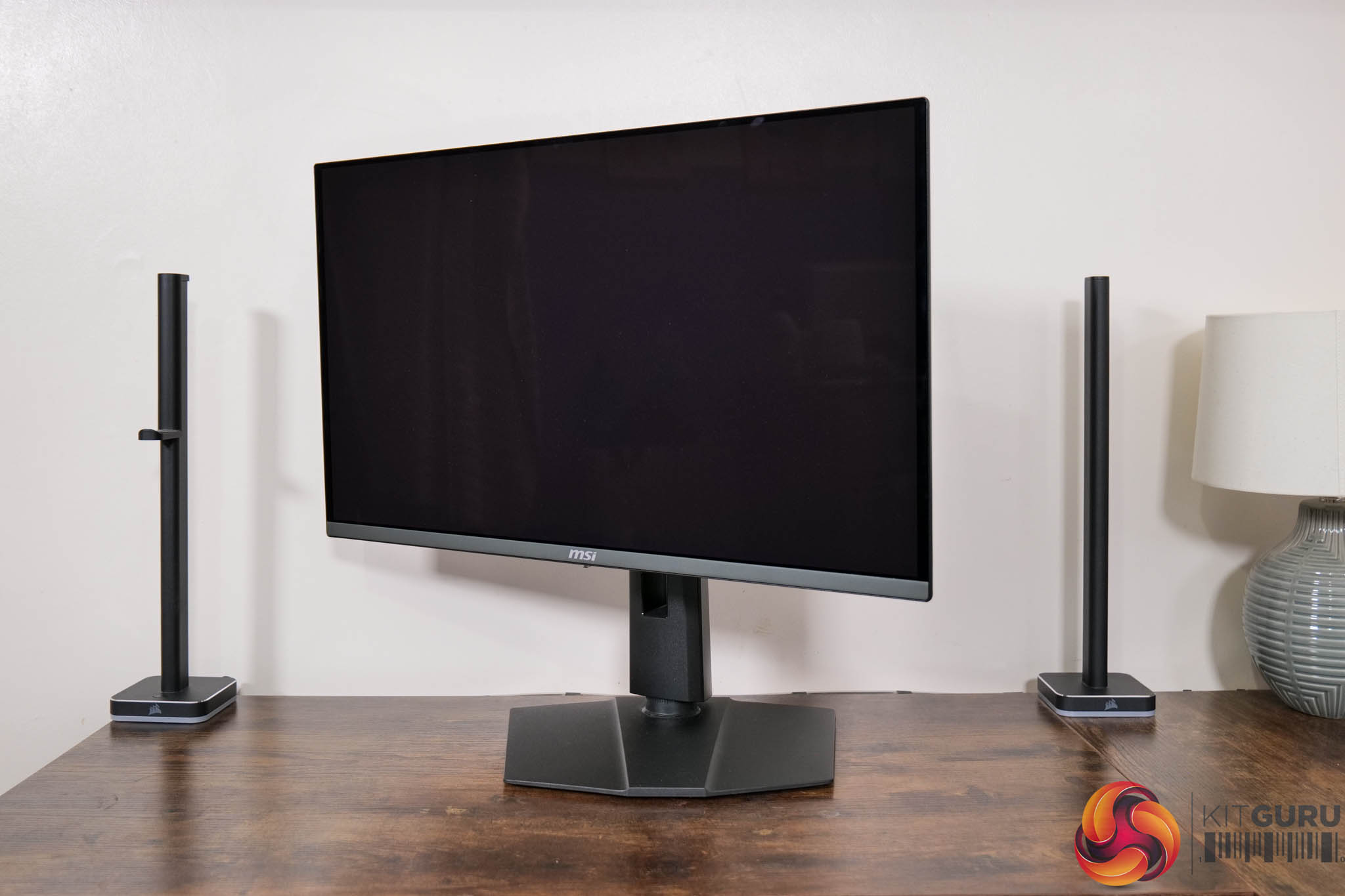
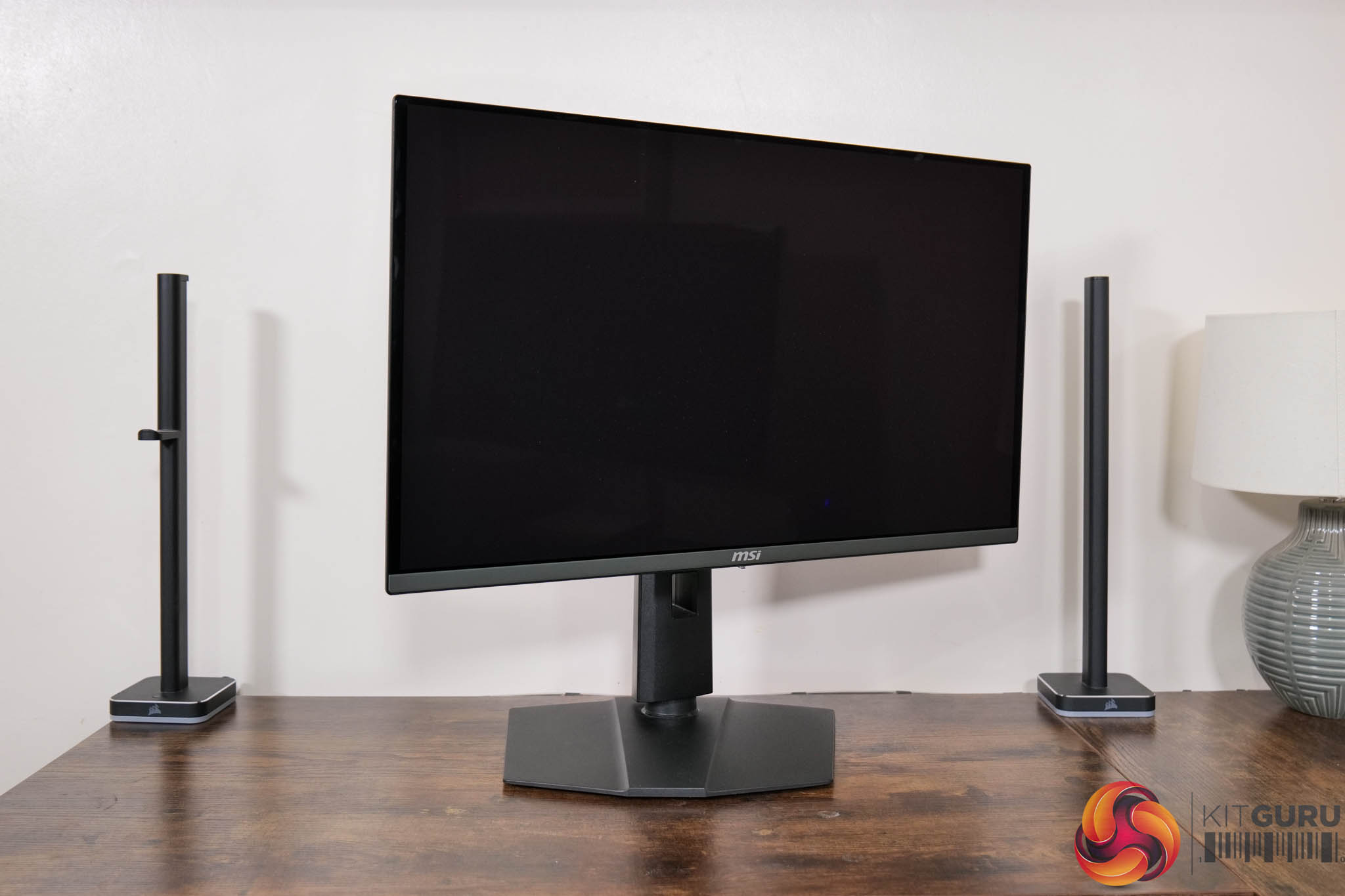
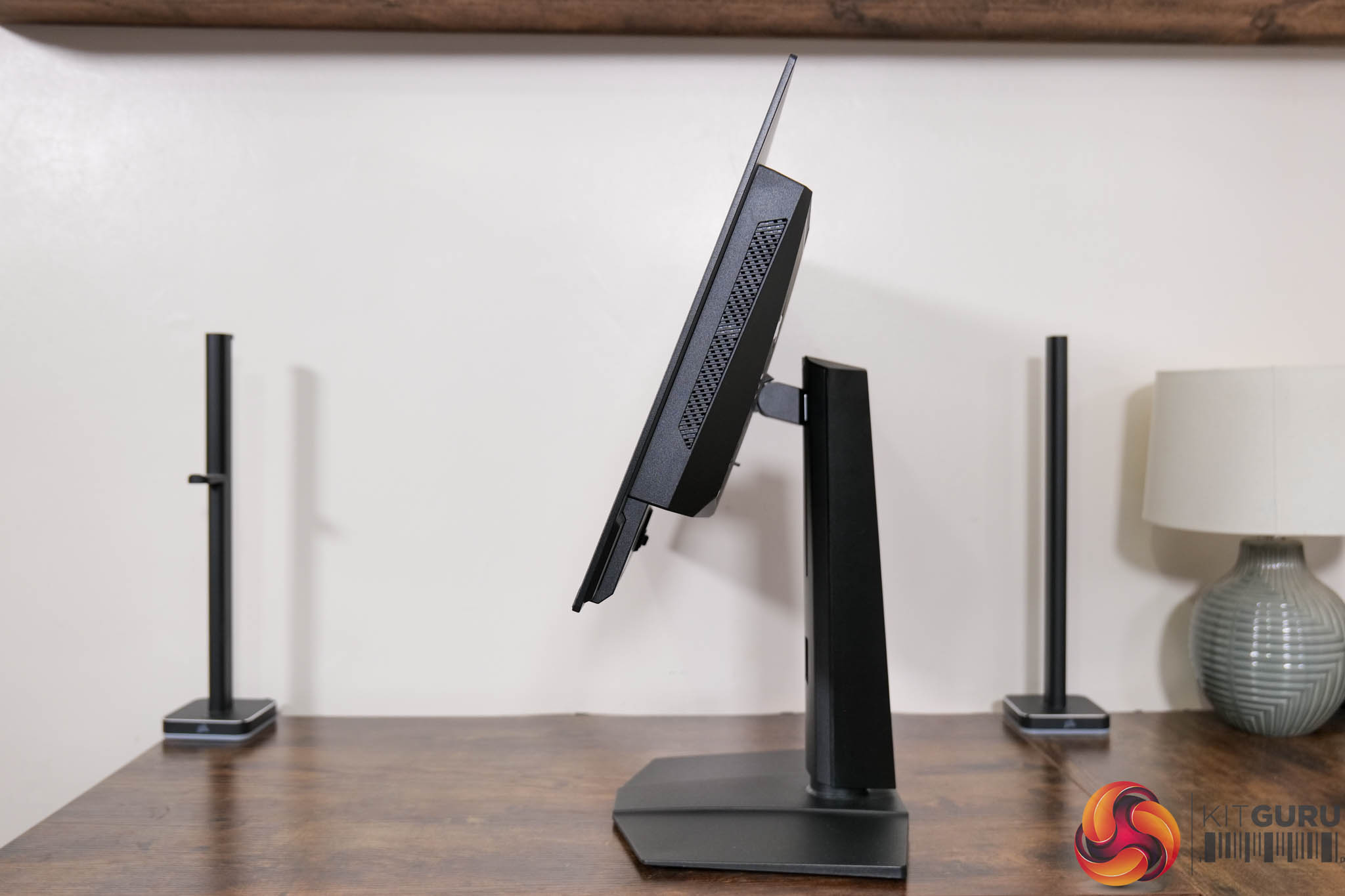
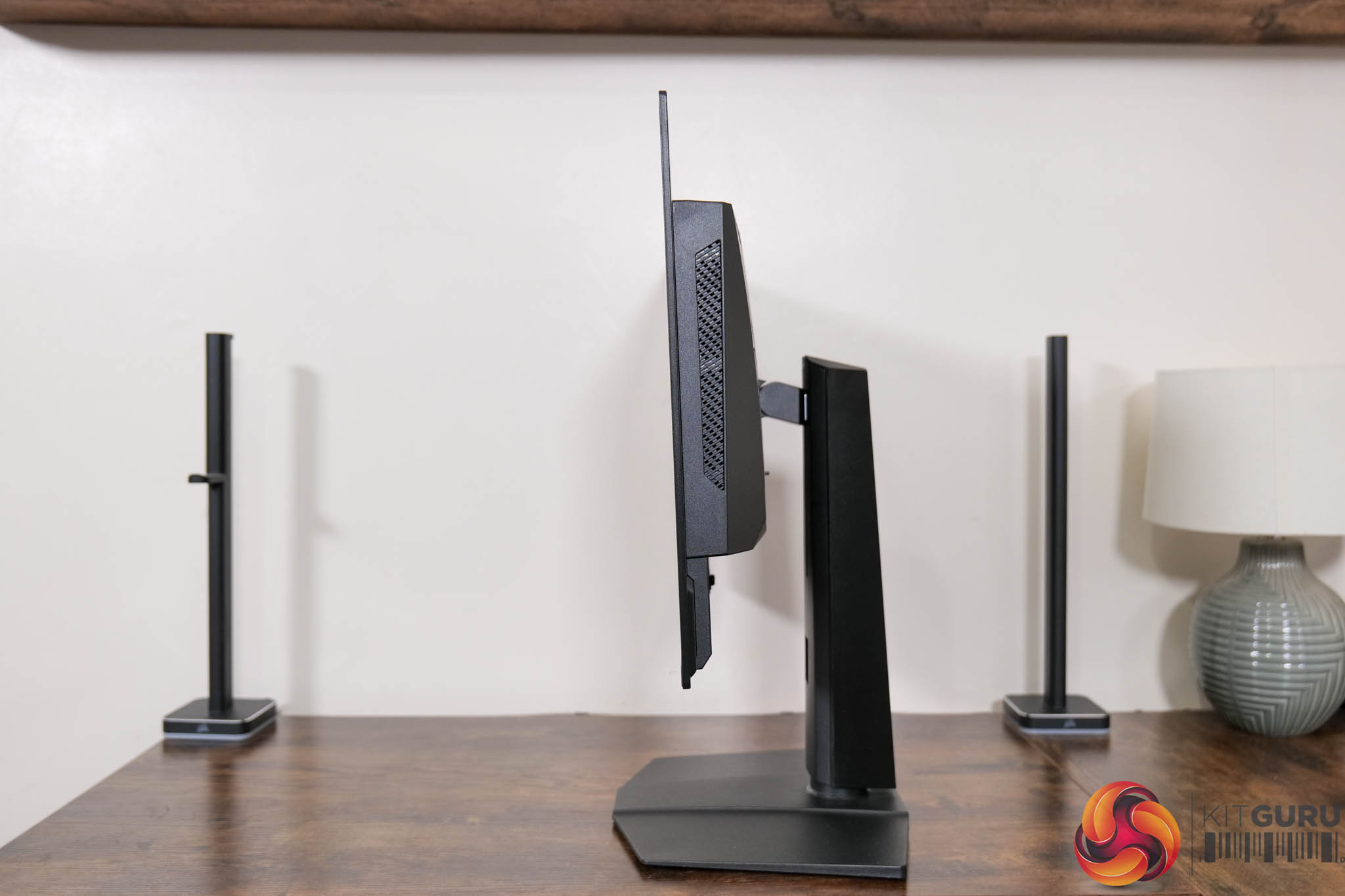
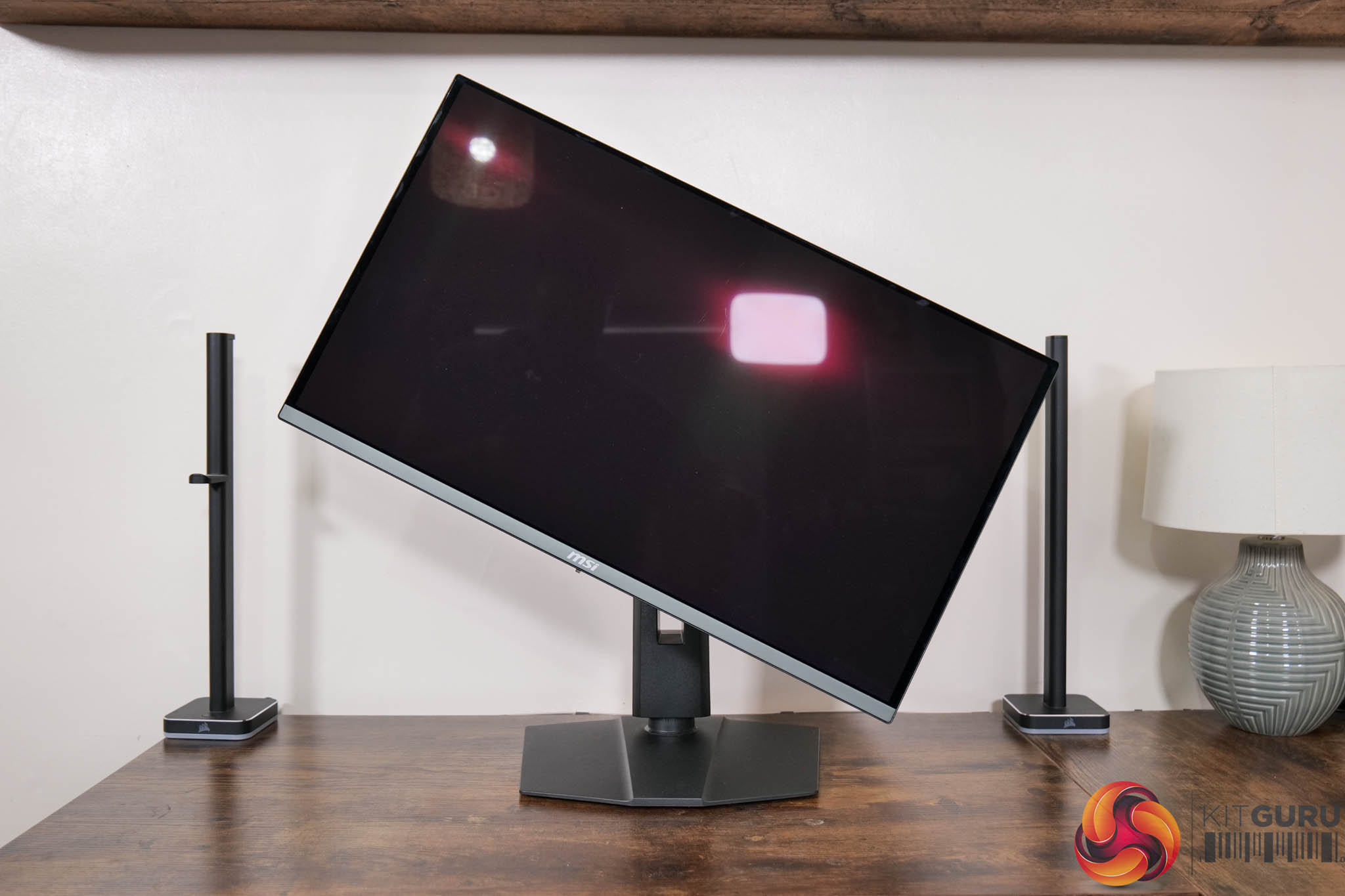
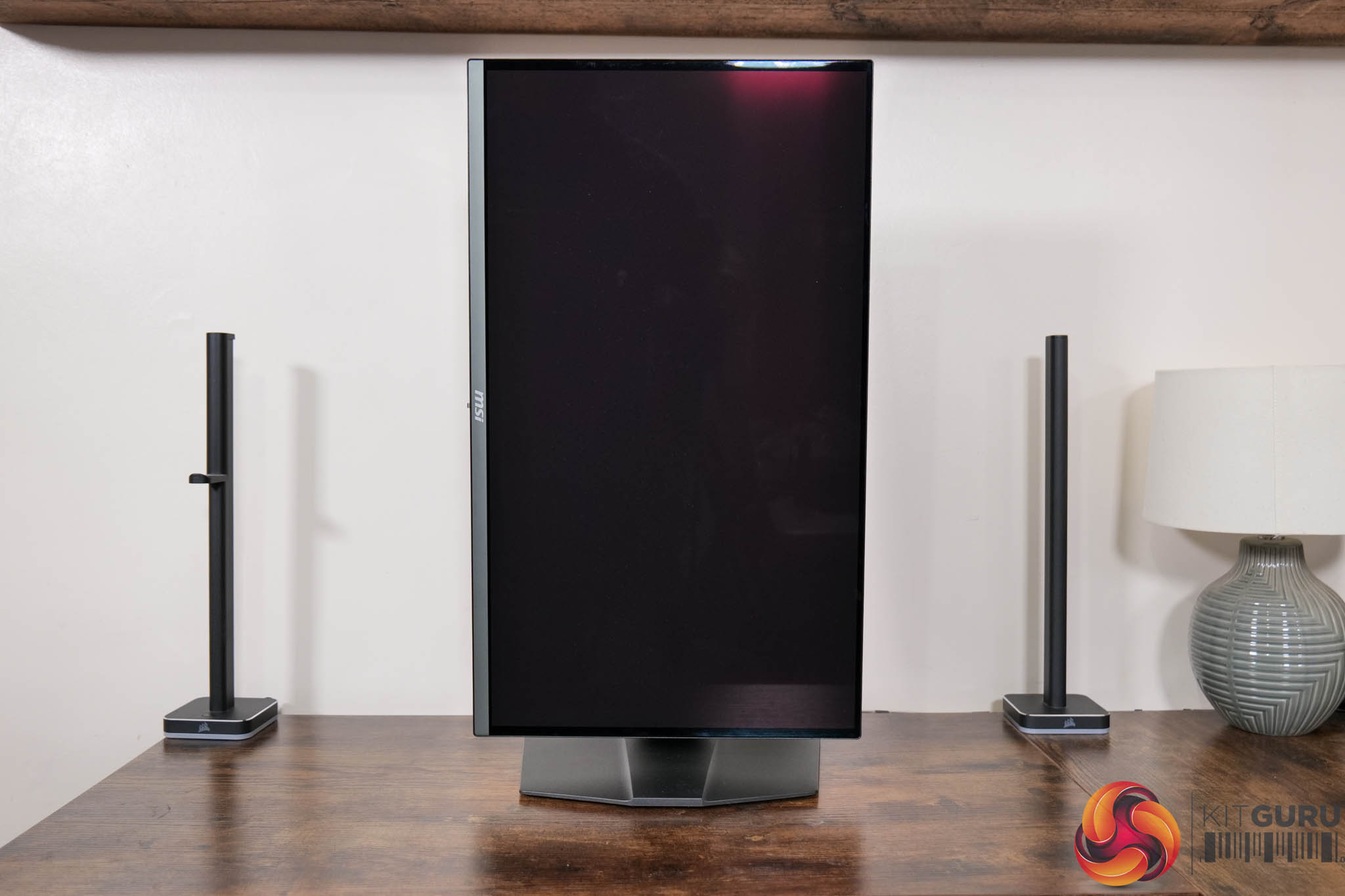
The stand does offer the full array of ergonomic adjustments too, and that includes up to 110mm of height adjustment, 30 degrees of swivel both left and right, tilt from -5 to +20 degrees, along with full 90 degree pivot functionality if you want to use the screen vertically. Third party VESA 100×100 mounts are also supported.
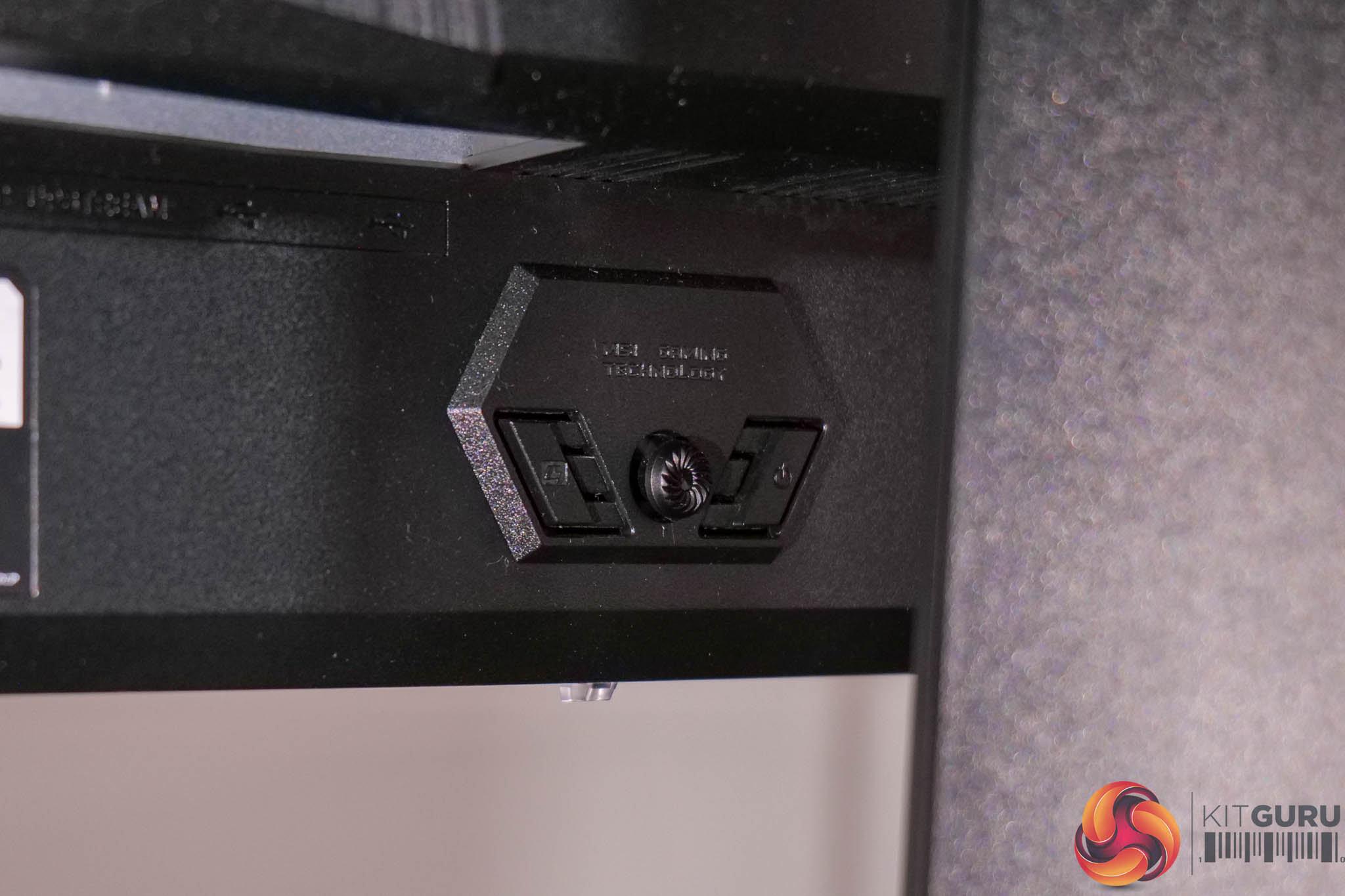
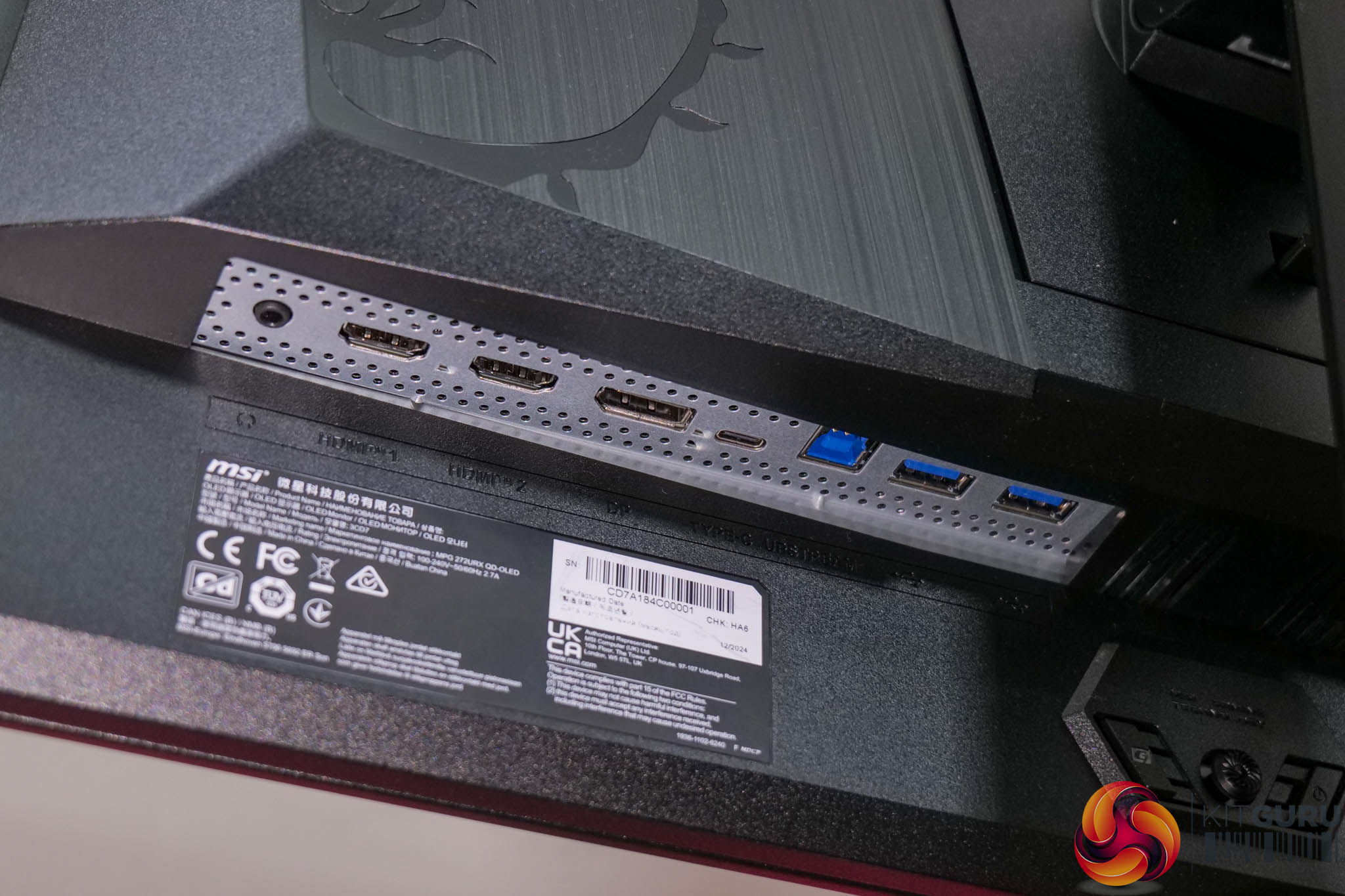
The monitor controls are positioned centrally and offer a joystick for navigating the OSD, along with a power button and one user configurable button.
As for the connectivity options, MSI provides two HDMI 2.1 video inputs along with one DisplayPort 2.1, and this does offer the full UHBR20 bandwidth. There's also a USB-C port that supports DP Alt mode and 98W power delivery, alongside a 5Gbps Type-B upstream and two Type-A downstreams, and a headphone jack.