KitGuru KitGuru.net – Tech News | Hardware News | Hardware Reviews | IOS | Mobile | Gaming | Graphics Cards


SteelSeries is updating its Apex Pro line of gaming keyboards. This latest offering boasts various new features designed to provide gamers with a competitive edge, including OmniPoint 3.0 technology and the Hall Effect Gen 3 sensor, promising to set a new standard for in-game response with less noise, higher accuracy, and consistent performance.
The OmniPoint 3.0 technology allows users to customise their experience with 40 configurable actuation levels, ranging from 0.1mm to 4.0mm. This results in a lightning-fast reaction time of under 0.54ms, significantly improving over the 6ms in regular mechanical keyboards.


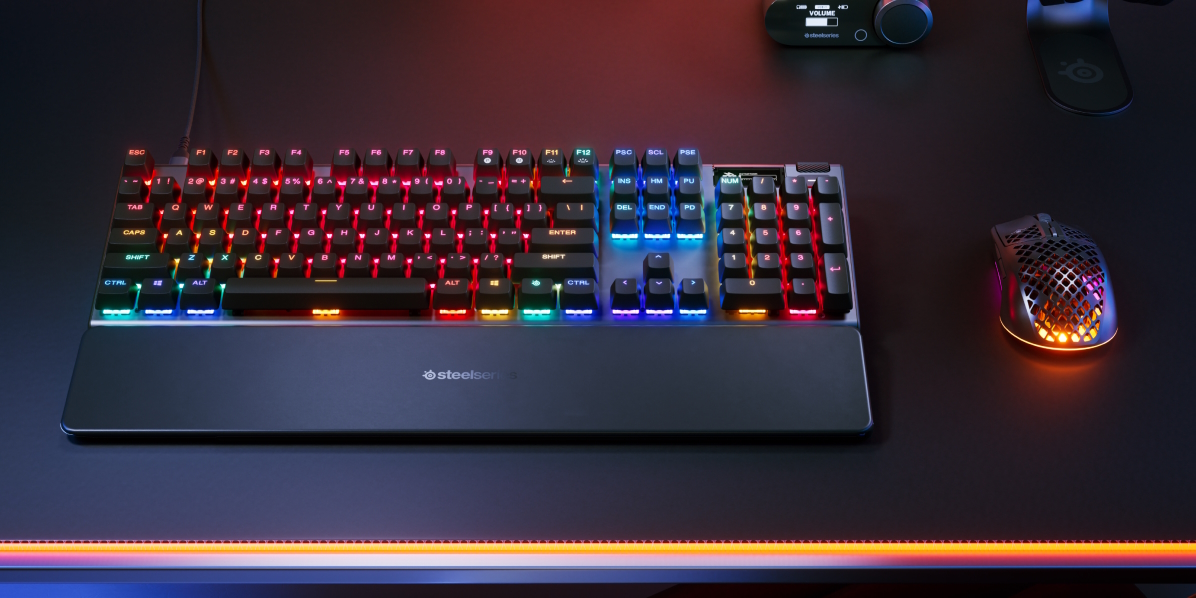
To complement the OmniPoint switches, SteelSeries has introduced the SteelSeries GG QuickSet, a tool that allows players to choose from profiles created by pro esports players. This tool optimises key features such as Rapid Trigger, Rapid Tap, actuation levels, illumination, and more with a click-and-play experience. Additionally, the Apex Pro Software Suite includes features such as Protection Mode, Rapid Tap, Rapid Trigger, and GG QuickSet.
The Gen 3 line offers increased durability and significant enhancements. Premium switch stabilisers, factory-lubed switches, and dampening foam create a more consistent and pleasing build quality and typing experience. The keyboards are available in three styles: full size, TKL (tenkeyless), and TKL Wireless, catering to the diverse needs of gamers.
The Apex Pro Gen 3 Series keyboards are priced at £219.99/$199.99/€259.99 for the Apex Pro Gen 3, £209.99/$189.99/€239.99 for the Apex Pro TKL Gen 3, and £259.99/$249.99/€289.99 for the Apex Pro TKL Wireless Gen 3.
KitGuru says: Do extra features like Rapid Trigger and Rapid Tap factor in when you go to buy a new keyboard?