KitGuru KitGuru.net – Tech News | Hardware News | Hardware Reviews | IOS | Mobile | Gaming | Graphics Cards


Thermaltake’s gaming specific arm, Tt eSports has released details on its new Nemesis Switch optical gaming mouse. The MOBA/MMO style peripheral features a total of 16 programmable buttons as well as RGB lighting for the suggested price of $50.
Due to launch in the third quarter of this year, the Nemesis Switch includes a Pixart PMW-3360 optical sensor with a maximum of 12,00 DPI with its main draw being its onboard memory and 16 programmable buttons, perfect for macros.

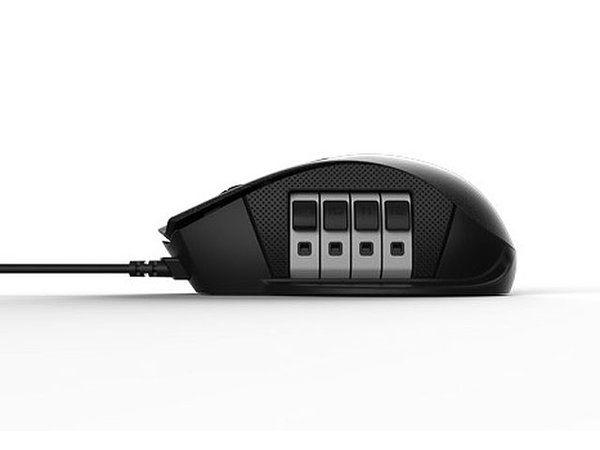
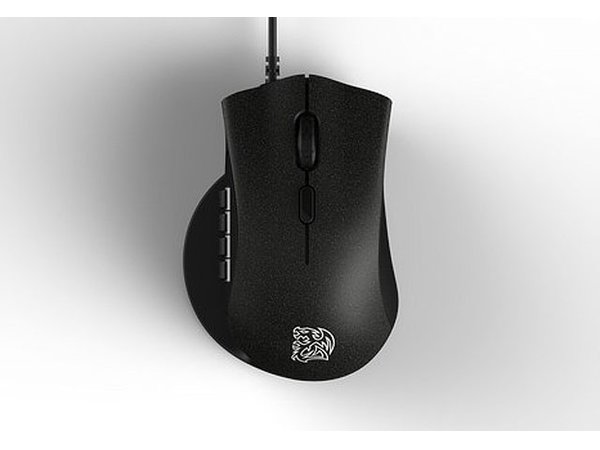
While only 8 of the buttons are accessible at any given time, Thermaltake’s patented key switching system grants access of up to 12 switch keys, with 4 being hidden inside of the mouse. The system works by rolling the additional key switches into place by using a mechanism on the bottom while the original 8 move up into the body of the mouse and vice versa. This unique system is designed to save space and avoid clutter while giving access to more functions on a single mouse. Whether it will be successful remains to be seen.
KitGuru Says: Experimenting with peripherals like this helps fill the void left by the closure of extremely experimental company, Mad Catz. Do you think Thermaltake can deliver on what it’s promising? Will you be picking one up later this year?