KitGuru KitGuru.net – Tech News | Hardware News | Hardware Reviews | IOS | Mobile | Gaming | Graphics Cards


Sony might finally be ready to jump back into the handheld market with more than just a streaming accessory. According to recent reports, Sony’s long-rumoured next-gen handheld (codenamed Project Canis) is being designed to outperform the Xbox Series S.
While the Series S was an impressive feat when it released, its RDNA 2 architecture is starting to show its age. Project Canis, reportedly built on the upcoming RDNA 5 architecture, is tipped by KeplerL2 (via VideoCardz) to be “a bit ahead” in rasterization but “massively ahead” in ray tracing and path tracing.
Leaked specifications for this new PlayStation portable suggest a beastly internal configuration: four Zen 6c efficiency cores, two high-performance Zen 6 cores, and a 16-CU RDNA 5 graphics cluster. Most impressive is the rumoured 24 GB of LPDDR5X memory on a 192-bit bus, which would provide the kind of bandwidth that even the current Series S (with its split 10 GB pool) wouldn't match. By moving to a 3nm TSMC process, Sony is reportedly aiming to deliver a high-end experience that fits within a 15W to 30W power envelope.
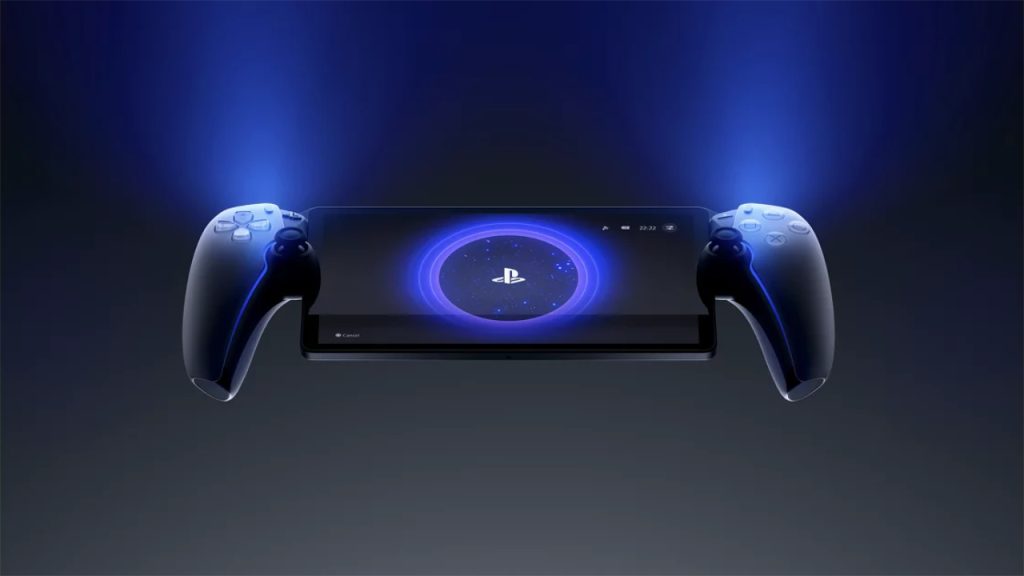
While Sony is seemingly racing to beat its competitors to market, Valve appears to be taking a more measured approach. KeplerL2 stated that Valve is targeting a 2028 launch for the Steam Deck 2, largely due to the ongoing global DRAM and NAND Flash shortage. Moreover, it was also said that Valve is rumoured to be abandoning the “semi-custom” APU route from the original Deck, instead, expected to use an off-the-shelf AMD APU based on Zen 6 and RDNA 5.
KeplerL2 also wrote that while the Nintendo Switch 2 is limited to a “lighter” implementation of DLSS 2, Sony and AMD are preparing a counter-offensive in the form of an “FSR 5” and “PSSR 3”. According to the leaker, these next-gen AI upscalers could deliver image quality superior to Nvidia’s current DLSS 4.5.
KitGuru says: What upcoming handheld console are you most interested in?