KitGuru KitGuru.net – Tech News | Hardware News | Hardware Reviews | IOS | Mobile | Gaming | Graphics Cards


GRID Autosport, the racing game developed by Codemasters, known best for the ‘Dirt’ and ‘F1’ series, will be receiving two free multiplayer updates for the Nintendo Switch version of the game. The updates will bring two-player splitscreen, and 8-player local multiplayer to the title on the 16th of December, with online multiplayer arriving some time in 2020.
GRID Autosport originally released on the PlayStation 3, Xbox 360, and PC in 2014. The game was developed and published by Codemasters, the studio known for the ‘Dirt’ and ‘F1’ franchises. Since then, the racing title has been ported to OSX, Linux, iOS, Android, and the Nintendo Switch – with Feral Interactive taking over porting duties.
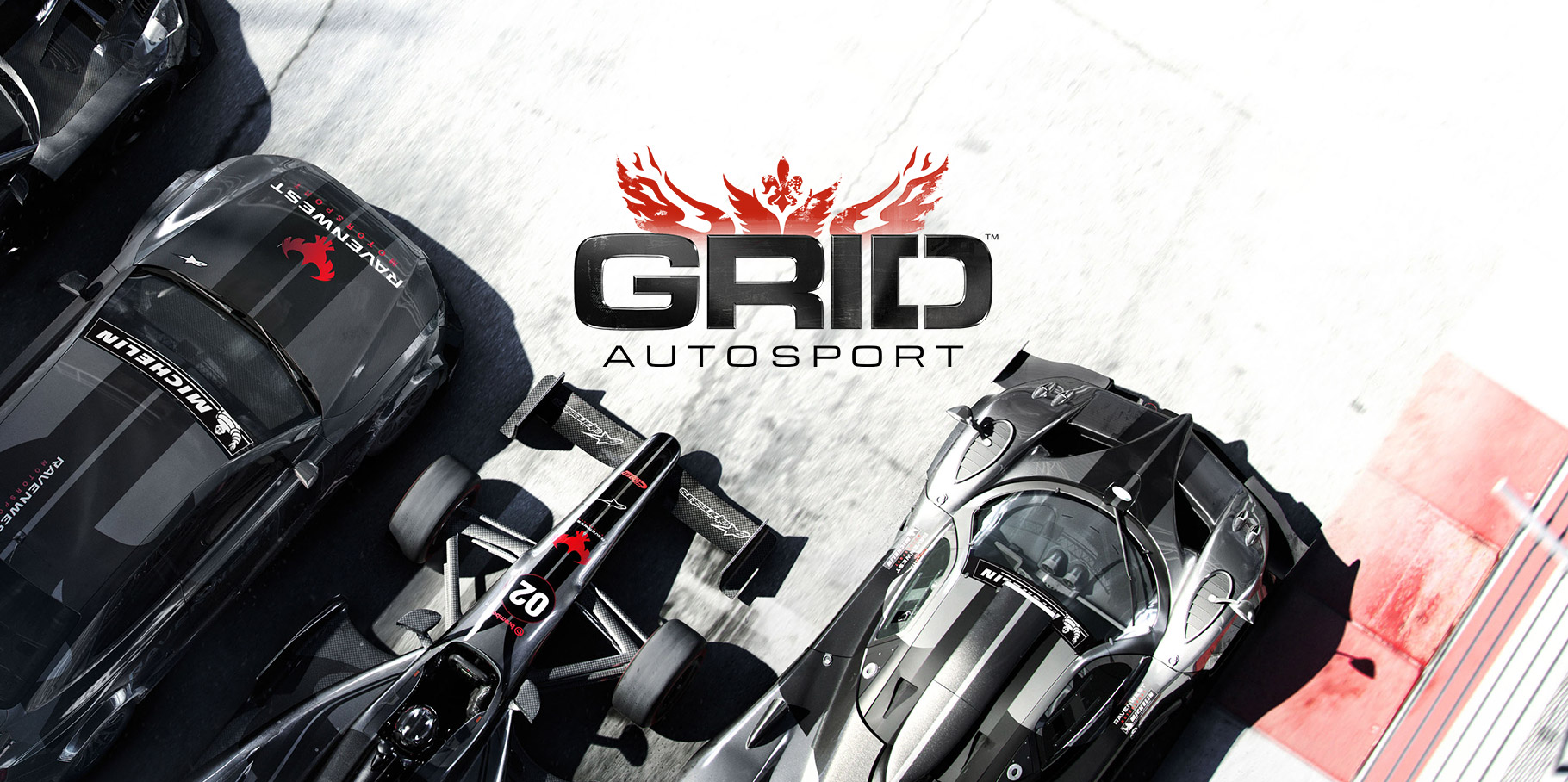
The Nintendo Switch version was praised upon its release in September 2019, with the lack of multiplayer being one of the few complaints levied against the title. It seems that Feral Interactive, is looking to fix that. Making the announcement earlier today, GRID Autosport will be receiving a multiplayer update on the 16th of December. The update will allow for 2-player splitscreen and 8-player local multiplayer.
Furthermore, an online multiplayer update has been promised, although players will have to wait until some time in 2020 for that feature. GRID Autosport is currently available to purchase for £29.99 on the Nintendo Switch.
Discuss on our Facebook page HERE.
KitGuru says: What do you think of this announcement? Are you pleased to see multiplayer coming to GRID Autosport? Do you think the feature should have been available since release, or is this an unexpected bonus? Let us know down below.