KitGuru KitGuru.net – Tech News | Hardware News | Hardware Reviews | IOS | Mobile | Gaming | Graphics Cards


Back in September during the most recent State of Play, it was announced that the PS5 exclusive Stellar Blade would be getting a crossover with the much loved NieR:Automata. While details were light at the time, we have now gotten more information on the collaboration – including its release date.
Making the announcement on the PlayStation Blog, DongKi Lee – the CTO and Technical Director at studio Shift Up – said: “The moment you’ve been waiting for has finally arrived! A fantastic collaboration where the worlds of Stellar Blade and Nier:Automata meet.”
Even prior to the game’s release, Stellar Blade and NieR:Automata were brought up by fans and the studio alike as being somewhat parallel to one another, and so this collab makes sense.
According to Lee, “Nier:Automata significantly inspired Stellar Blade. The collaboration between Director Kim Hyung Tae and Director Yoko Taro, marked by mutual respect and creativity, led to this successful outcome.”
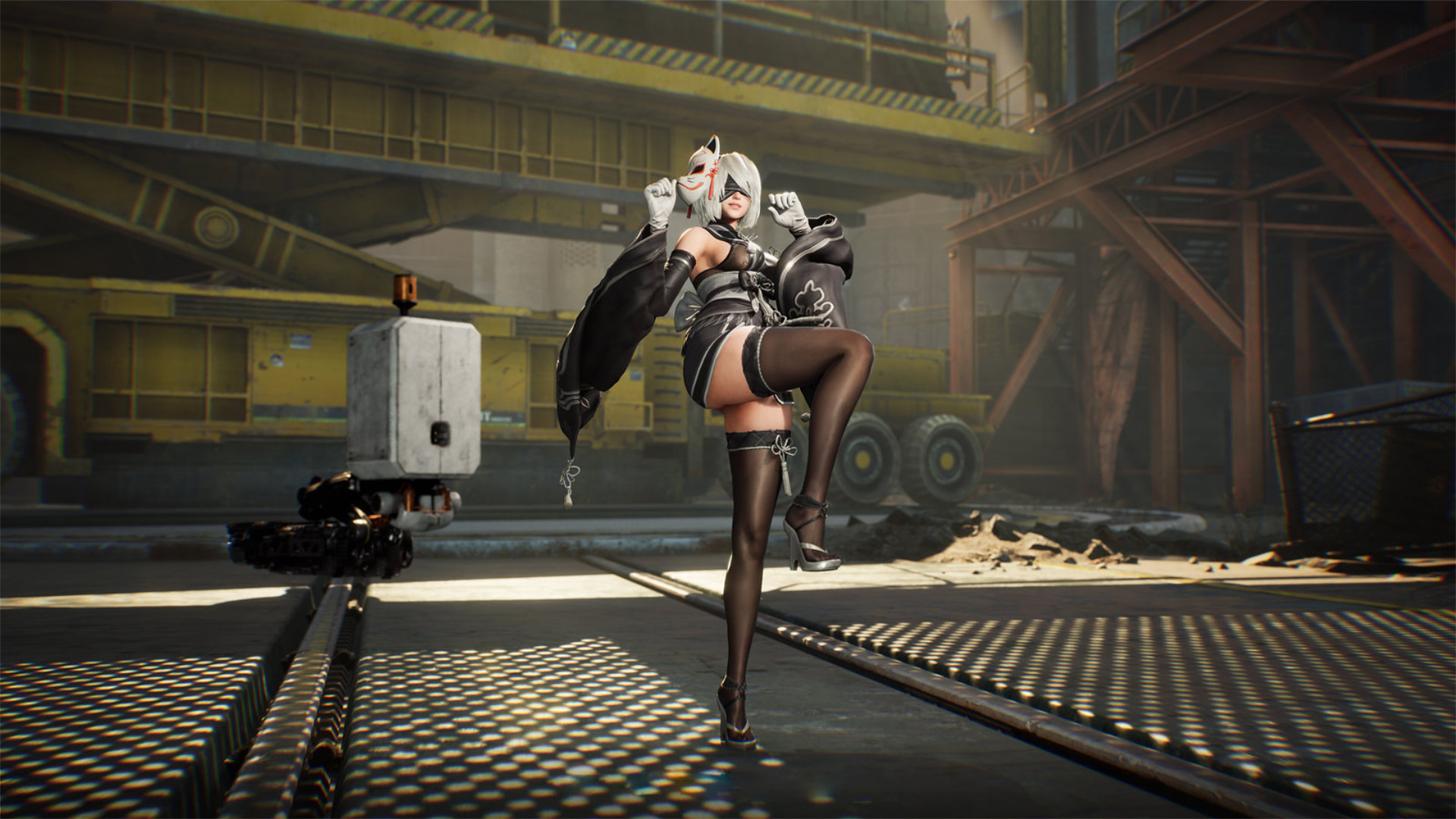
In terms of what you can actually expect from this crossover, iconic NieR character Emil will make an appearance as a shop vendor, in which “eleven different collaboration-special items will be available. Items that intertwine the best of both games, leading you to a more enriched world.”
You will of course also be able to obtain a number of costumes which transform Eve into the likes of 2B and A2, though the full details on the update – which is set to go live on the 20th of November – can be found HERE; including details on the photo mode, new costumes and more.
Discuss on our Facebook page HERE.
KitGuru says: Are you excited for the update? Which aspect are you most looking forward to? Let us know down below.