KitGuru KitGuru.net – Tech News | Hardware News | Hardware Reviews | IOS | Mobile | Gaming | Graphics Cards


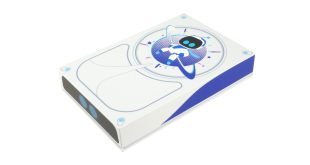
The latest addition to Seagate's large range of external hard drives is the Astro Bot Limited Edition Game Drive, designed for use with PS5 (storage only), PS4 (playback) and PC. It's got a 5TB capacity and is priced at £150/$170. We find out if it's worth buying.
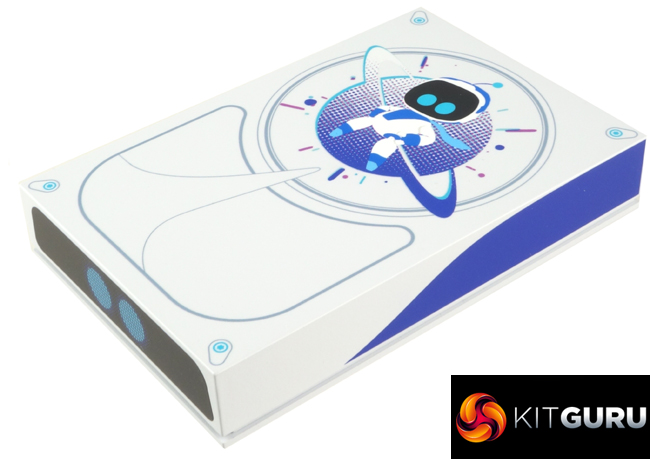
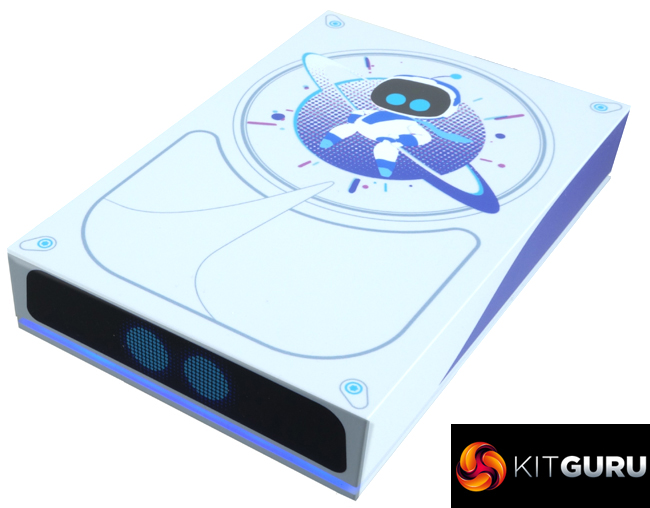
The limited-edition drive is covered in artwork inspired by Astro Bot, winner of the Game of the Year award at The Game Awards 2024.
Using the CrystalDiskInfo utility, we see that the drive inside the 21.5 x 81 x 122.5mm plastic enclosure is a 5TB Seagate Barracuda (ST5000LM-2U8170) 2.5in hard drive. The ST5000LM-2U8170 has a spin speed of 5,400rpm with 128MB of cache. The transfer rate for the drive is quoted as up to 140MB/s, and the drive uses a USB 3.0 Micro B interface.
Seagate backs the drive with a 3-year warranty.
Physical Specifications:
- Usable Capacities: 5TB.
- Interface: USB 3.0 Micro B.
- Form Factor: external.
- Dimensions: 21.5 x 81 x 122.5mm.
- Drive Weight: 266g.
Firmware Version: 0003
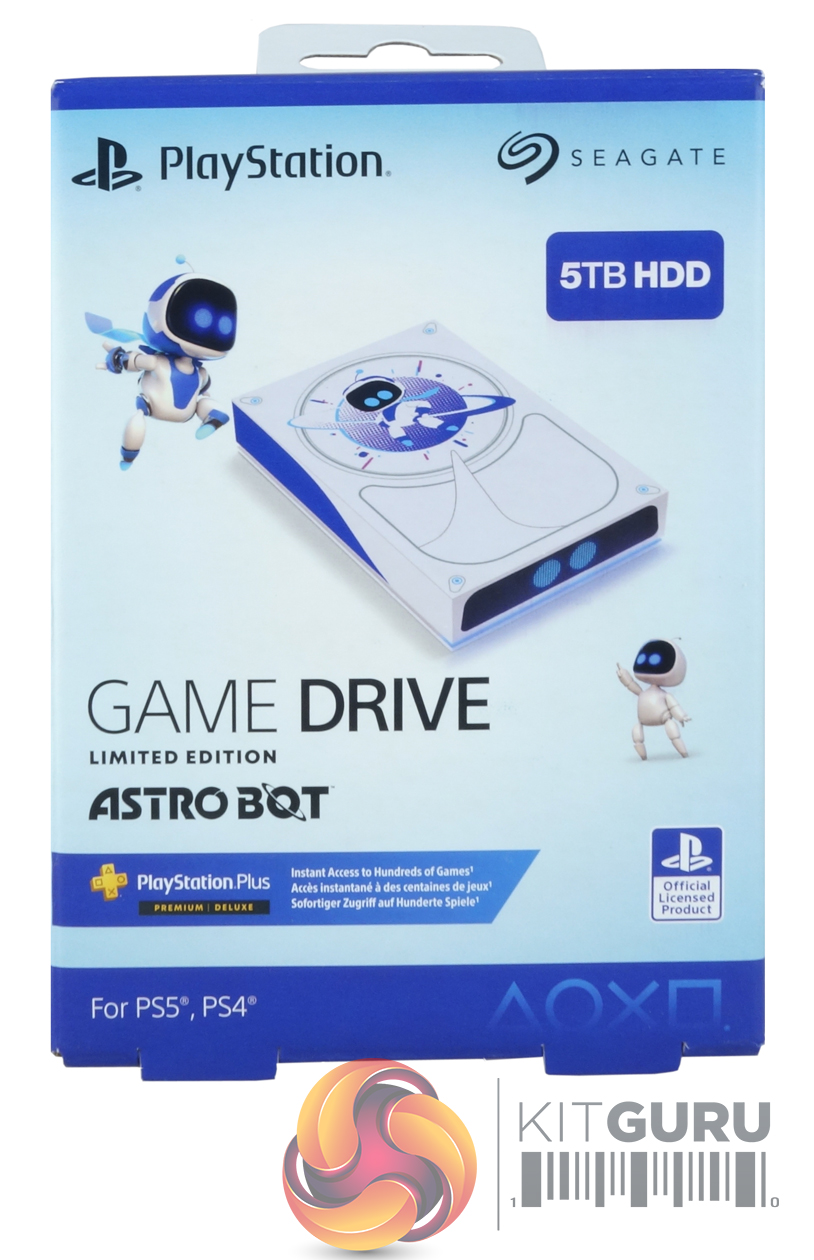
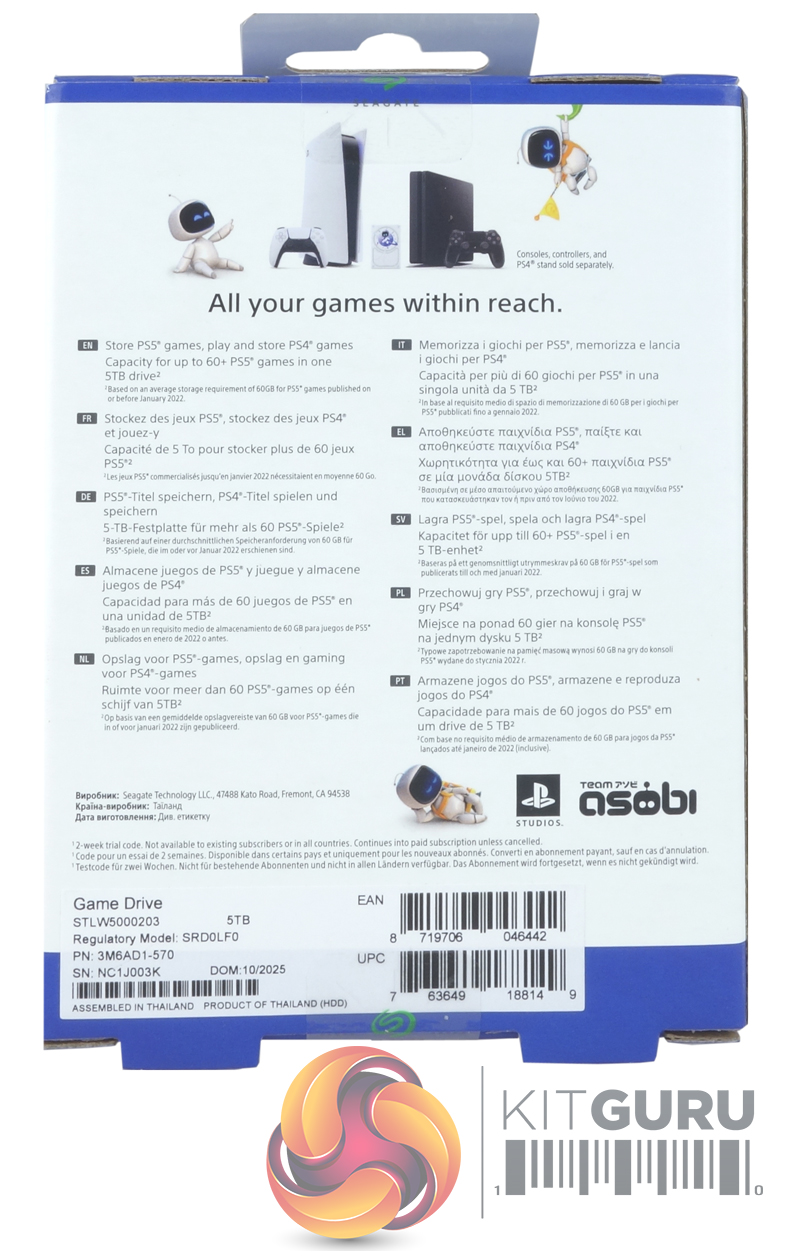
The Astro Bot Limited Edition Game Drive comes in a sturdy box with an image of the drive on the front, along with PlayStation branding and a couple of Astro Bot images. Above the drive image is a label displaying the drive's 5TB capacity. The back of the box features a multilingual list detailing the number of PS5 games the drive can accommodate.
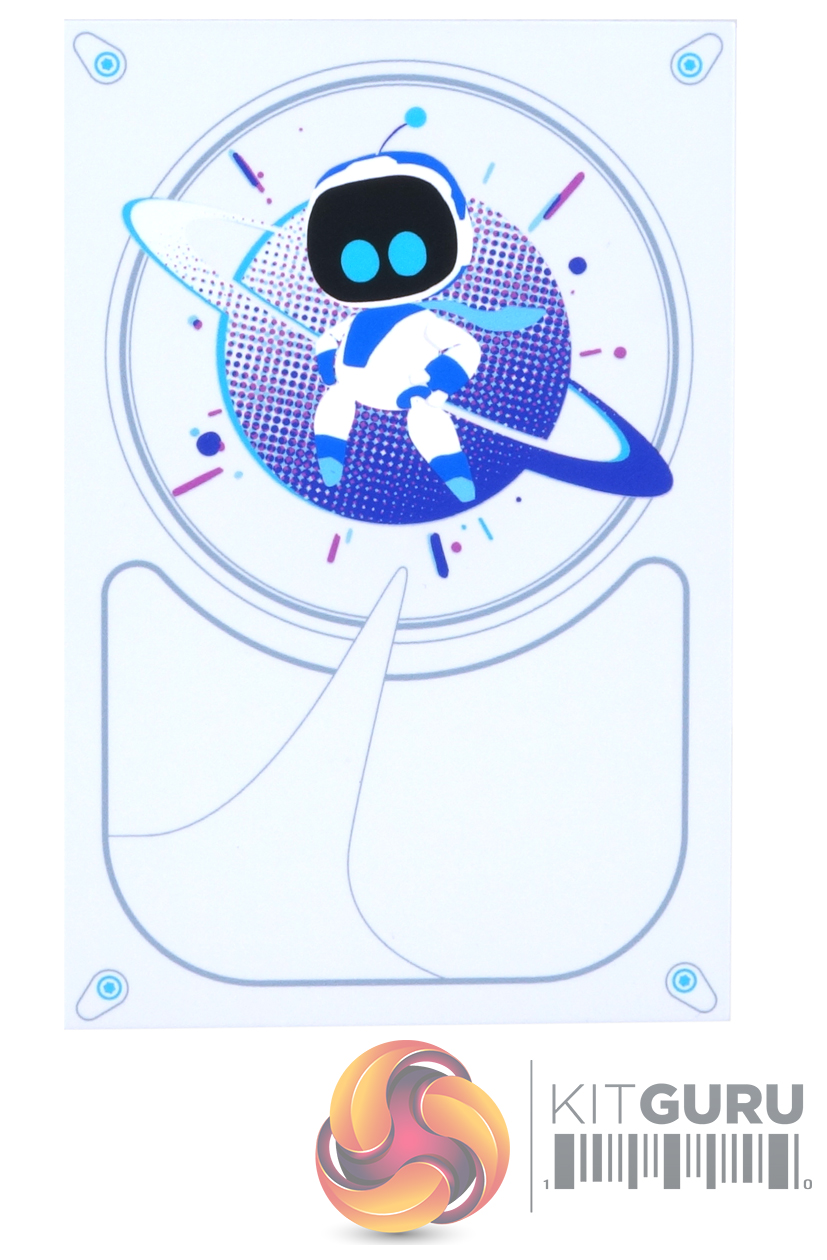
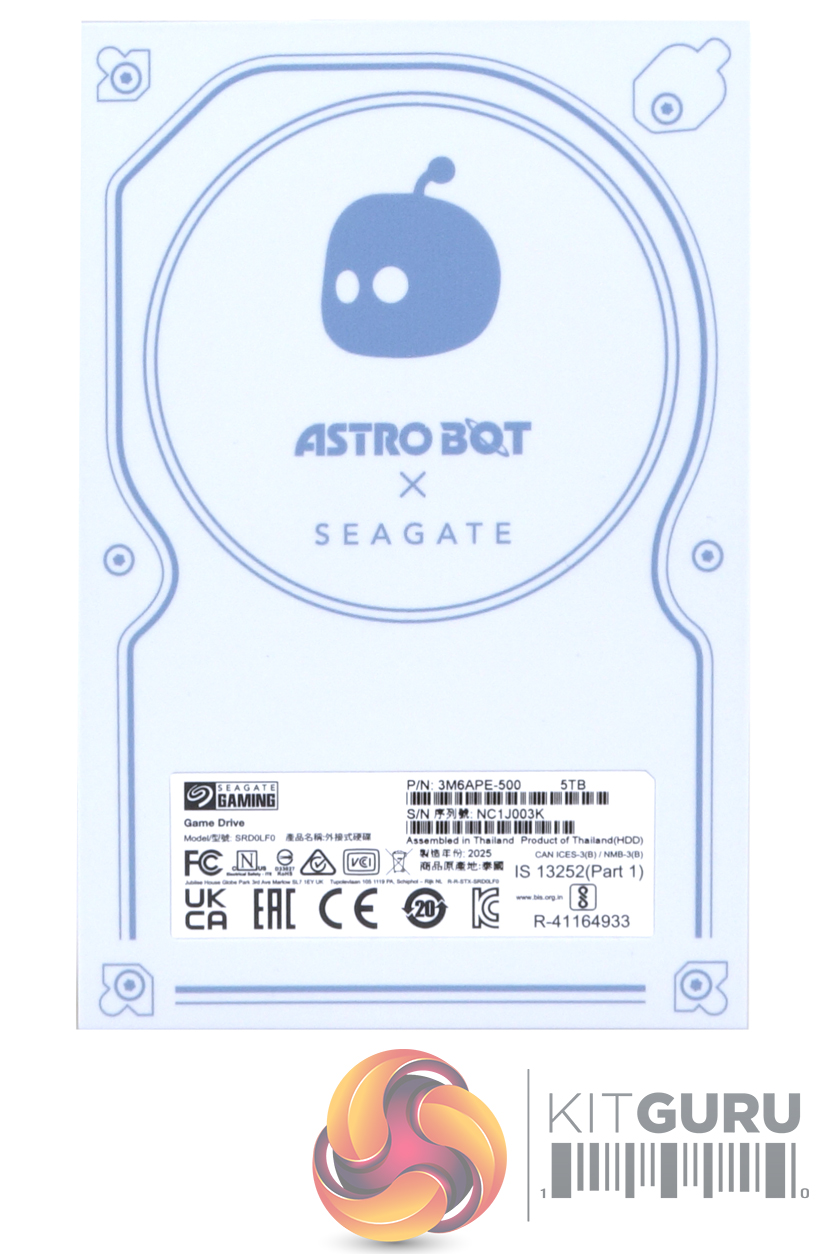
The 5TB Astro Bot Limited Edition Game Drive weighs in at 266g. The plastic enclosure is finished in white with blue flashes and highlights, which provide the base for the Astro Bot artwork.
The CrystalDiskInfo utility identifies the drive inside the enclosure as a Seagate ST5000LM-2U8170. The current flagship drive of the 2.5in Barracuda family, this 15mm thick drive uses five platters (discs) each with an Areal density of 1,307 Gb/in. The drive uses Shingled magnetic recording with ten perpendicular magnetic recording heads. It has a 5,400rpm spindle speed with a 128MB buffer (cache). Seagate rates the transfer rate of the ST5000LM-2U8170 as up to 140MB/s.
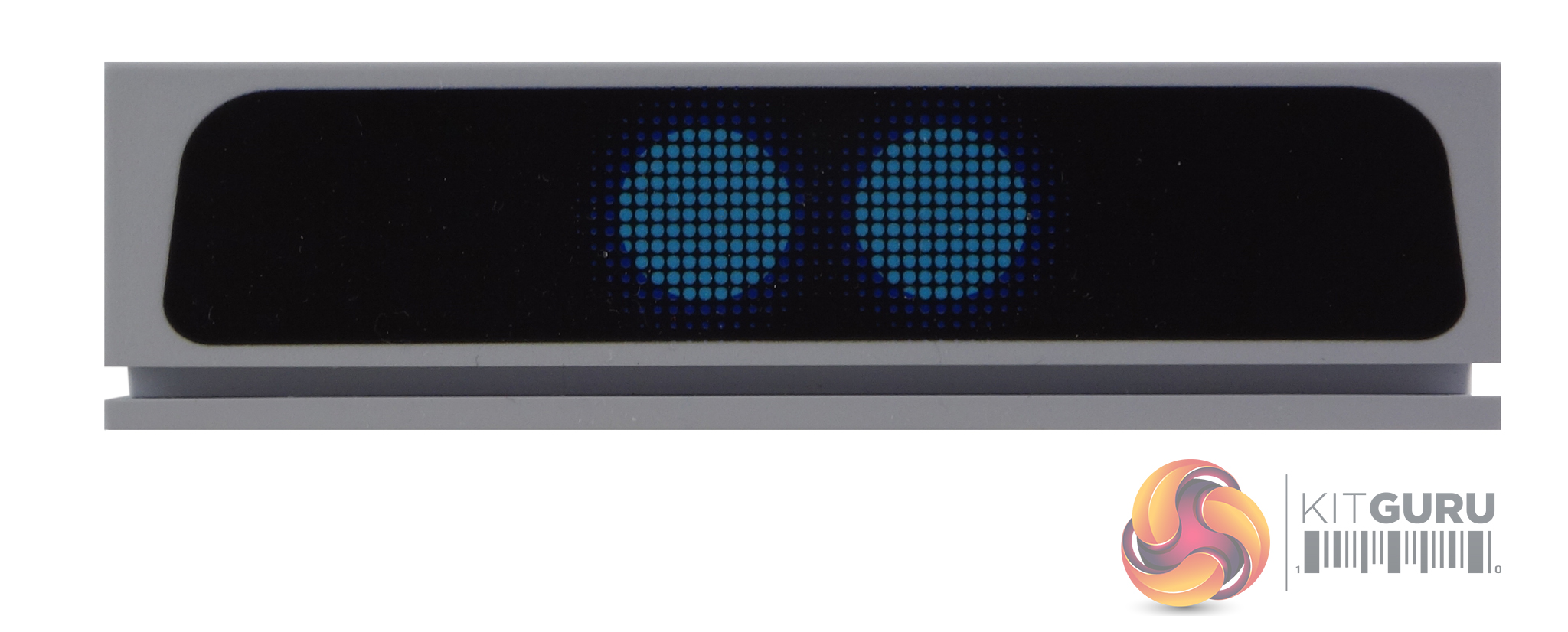
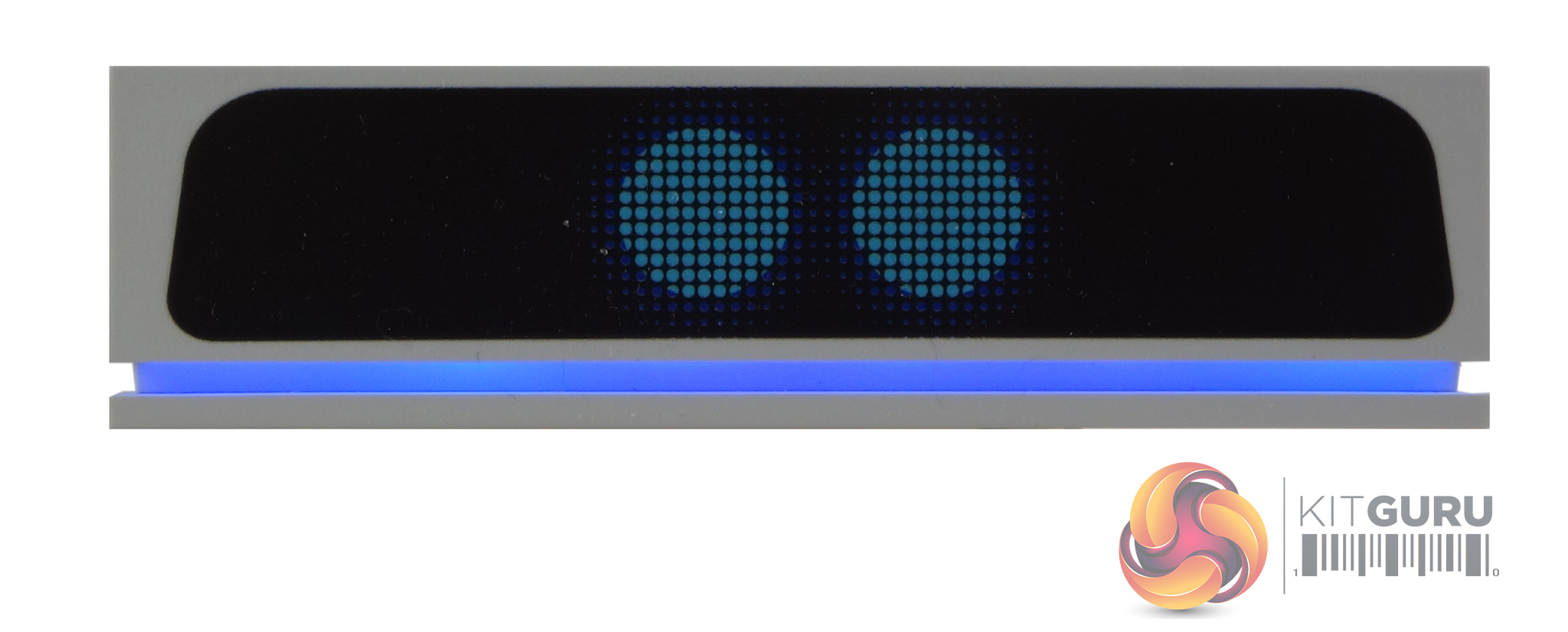
At the bottom of one end of the drive, there is a soft blue lighting accent that shows when the drive is in use.
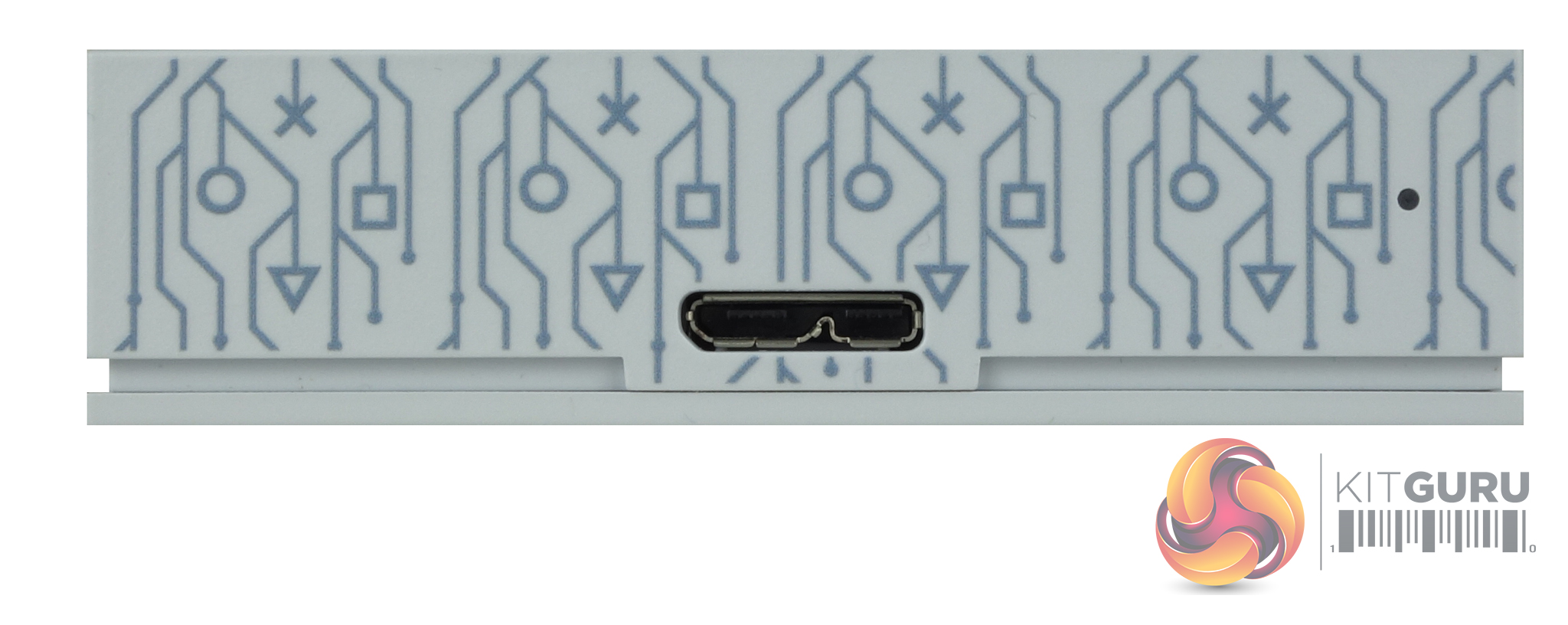
The drive uses a USB 3.0 Micro B interface. To the upper right of the port is a mini white drive activity LED.
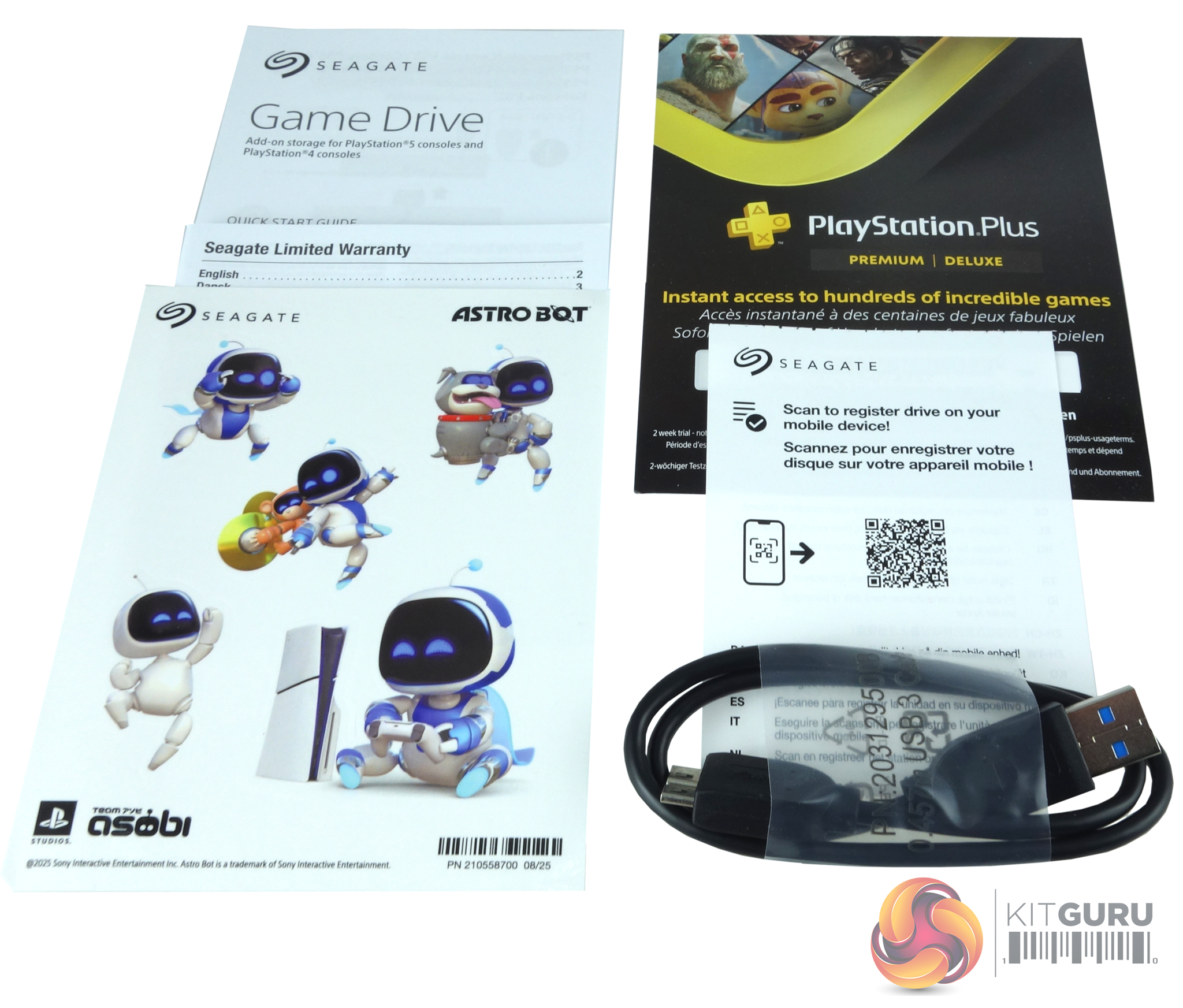
Bundled with the drive is a USB-A to USB-Micro B 3.0 cable, some exclusive Astro Bot stickers, a Quick Start Guide and a 14-day PlayStation Plus Premium | Deluxe Trial code.
Out of the box, the drive is factory formatted as exFAT. To run our benchmarks, we re-formatted the drive as NTFS.
CrystalDiskMark is a useful benchmark to measure theoretical performance levels of hard drives and SSDs. We are using V8.
The ATTO Disk Benchmark performance measurement tool is compatible with Microsoft Windows. Measure your storage system's performance with various transfer sizes and test lengths for reads and writes. Several options are available to customise your performance measurement, including queue depth, overlapped I/O and even a comparison mode with the option to run continuously.
Use ATTO Disk Benchmark to test any manufacturer's RAID controllers, storage controllers, host adapters, hard drives and SSD drives and notice that ATTO products will consistently provide the highest level of performance to your storage.
AS SSD is a great free tool designed just for benchmarking Solid State Drives. It performs an array of sequential read and write tests, as well as random read and write tests with sequential access times over a portion of the drive. AS SSD includes a sub suite of benchmarks with various file pattern algorithms, but it is difficult in trying to judge accurate performance figures.
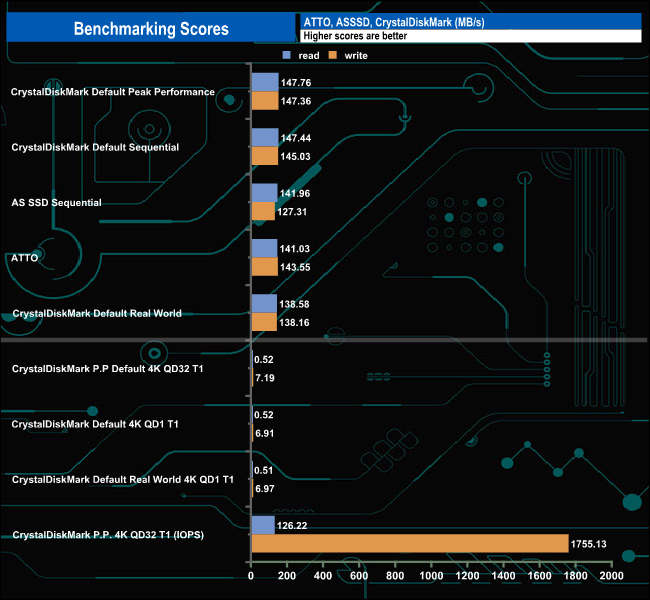
Using the CrystalDiskInfo utility, the drive inside the 5TB Astro Bot Limited Edition Game Drive is recognised as a 5,400rpm Seagate Barracuda drive, which has a data transfer performance rated as up to 140MB/s. Most of the tested Sequential read/write confirmed the official figure, with a best read speed of 147.76MB/s from the CrystalDiskMark Peak Performance test, which also provided the best write figure of 147.36MB/s. The 4K test scores are in the range of what you might expect from a drive with this spindle speed over a USB3.0 interface.
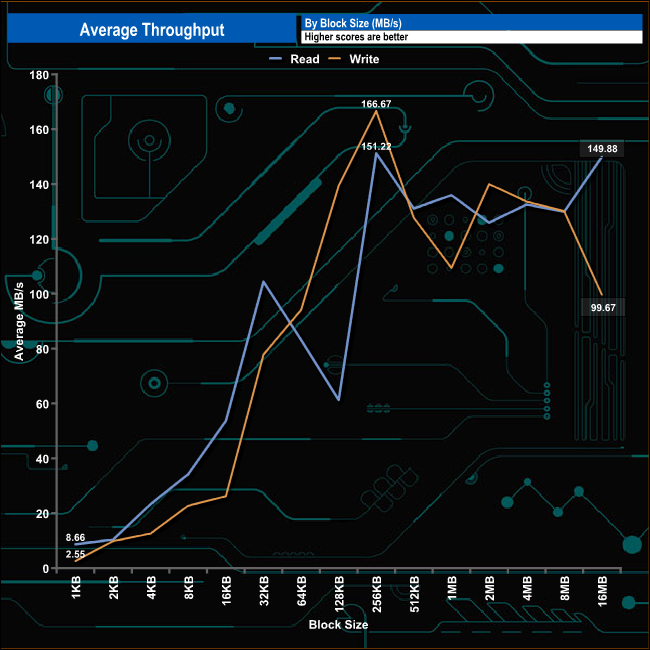
The throughput test results from the drive are pretty erratic, to say the least. Both reads and writes peaked at the 256KB block mark, with write results of 166.67MB/s and read results of 151.22MB/s. The drive finishes the test run (16MB block) with a read result of 149.88MB/s with writes down at 99.67MB/s.
The PCMark 10 Data Drive Benchmark has been designed to test drives that are used for storing files rather than applications. You can also use this test with NAS drives, USB sticks, memory cards, and other external storage devices.
The Data Drive Benchmark uses 3 traces, running 3 passes with each trace.
Trace 1. Copying 339 JPEG files, 2.37 GB in total, into the target drive (write test).
Trace 2. Making a copy of the JPEG files (read-write test).
Trace 3. Copying the JPEG files to another drive (read test)
Here we show the total bandwidth performance for each of the individual traces.
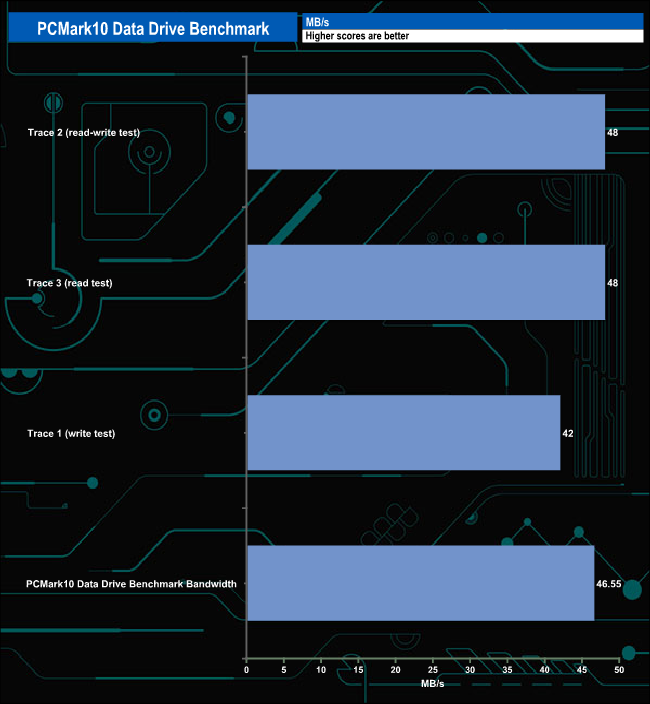
The PCMark 10 Data Drive benchmark figures are what you would expect to see from a 5,400rpm drive using this interface, with a best of 48MB/s in the read and read-write tests, with the write test not far behind at 42MB/s.
The 3DMark Storage Benchmark uses traces recorded from popular games and gaming-related activities to measure real-world gaming performance.
Traces used:
Battlefield V
Loading Battlefield™ V from launch to the main menu.
Call of Duty Black Ops 4
Loading Call of Duty®: Black Ops 4 from launch to the main menu.
Overwatch
Loading Overwatch® from launch to the main menu.
Game Move
Copying the Steam folder for Counter-Strike®: Global Offensive from an external SSD to the system drive.
Game Recording
Recording a 1080p gameplay video at 60 FPS with OBS (Open Broadcaster Software) while playing Overwatch®.
Installing Game
Installing The Outer Worlds® from the Epic Games Launcher.
Game Saving
Saving progress in The Outer Worlds game.
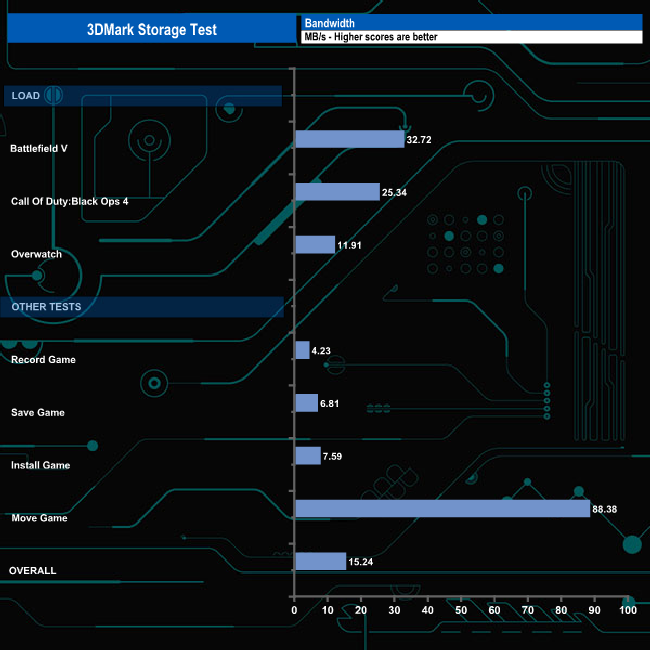
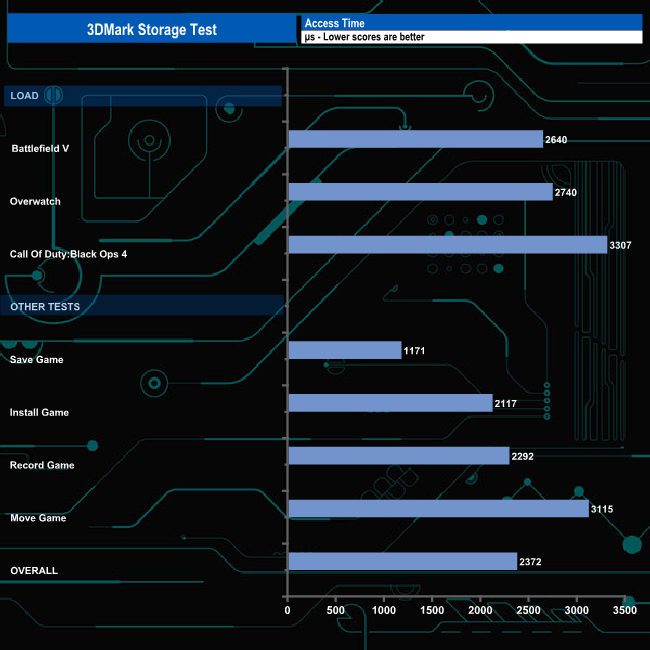
When tested with the 3DMark Storage benchmark, the drive had an average bandwidth of 23.32MB/s when loading the three games (at an average time of 2895μs, 2.89ms), the fastest being the 32.72MB/s for Battlefield V trace (2640μs, 2.46ms). For the other four tests, the drive averaged 26.75MB/s (average time of 8.6ms). For the whole test, the drive had an average bandwidth figure of 15.24MB/s.
To test the real-life performance of a drive, we use a mix of folder/file types, and by using the FastCopy utility (which gives a time as well as MB/s result), we record the performance of the drive reading from & writing to a 2TB Kingston KC3000 Gen4 NVMe drive.
Transfer Details:
Data file – 100GB.
Windows 11 iso – 5.4GB.
File folder – 50GB – 28,523 files.
Movie demos 8K – 21GB – (11 demos).
Raw Movie Clips 4K – 16GB – (9 MP4V files).
Movie folder – 12GB – 15 files – (8 @ .MKV, 4 @ .MOV, 3 @ MP4).
Photo Folder – 10GB – 304 files – (171 @ .RAW, 105 @ JPG, 21 @ .CR2, 5 @ .DNG).
Audio Folder – 10GB – 1,483 files – (1479 @ MP3, 4 @ .FLAC files).
Single large image – 5GB – 1.5bn pixel photo.
3D Printer File Folder – 4.25GB – (166 files – 105 @ .STL, 38 @ .FBX, 11 @ .blend, 5 @ .lwo, 4 @ .OBJ, 3@ .3ds).
AutoCAD File Folder – 1.5GB (80 files – 60 @ .DWG and 20 @.DXF).
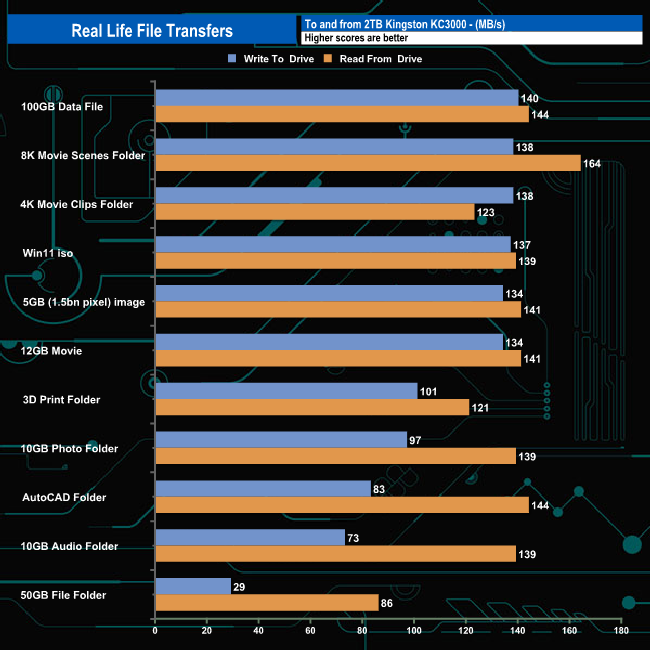
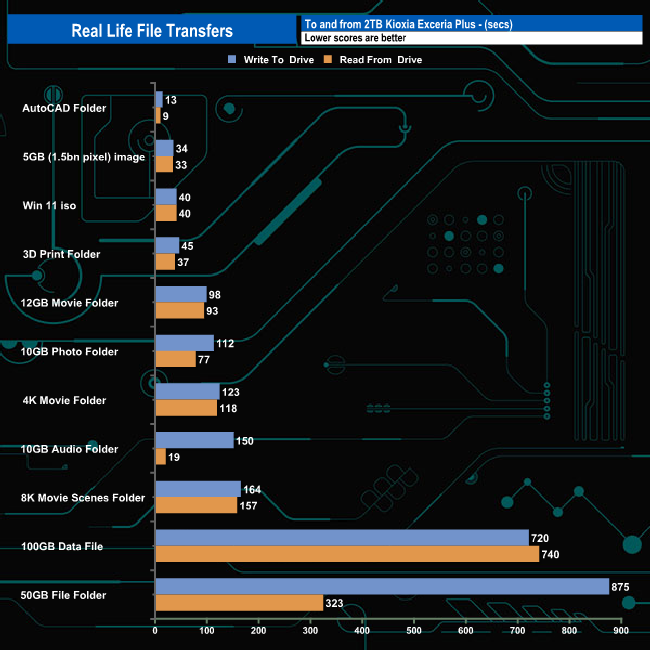
On the whole, the drive performed reasonably well when it came to dealing with our real-life file transfers although it struggled writing the small bity files of the 50GB file. It averaged 111MB/s for the 12 transfers when in write mode, the fastest being the 140MB/s for the 100GB data file transfer, the slowest was the 50GB File Folder at 29MB/s. When reading the data back, the drive averaged 135MB/s. The fastest read speed, 144MB/s was achieved by three transfers: the 100GB data file, the 8K folder, the AutoCAD folder and the Win 11 iso image. Once again, the slowest was the 50GB file folder at 86MB/s.
Seagate offers an extensive range of external drives, featuring models based on both SSDs and HDDs. Making up part of the range is a small selection of special edition collectable drives themed around games, including Genshin Impact, Starfield, God of War Ragnarök and now Astro Bot (winner of the Game of the Year at The Game Awards 2024). The Astro Bot Limited Edition Game Drive is a 5TB HDD, USB 3.0 drive that can hold a load of your favourite games. The drive is compatible with PlayStation 5 or PlayStation 4 systems, as well as Windows and Mac systems via its USB connection.
Using the CrystalDiskInfo utility, the 2.5in drive inside the Astro Bot Limited Edition Game Drive is recognised as a 5TB Seagate Barracuda, which has a 5,400rpm spindle speed and 128MB of cache. The Astro Bot HDD uses a standard USB 3.0 interface, and with a 5,400rpm HDD on board, to be honest, there is not much point in adding anything faster. In our testing, read and write speeds of around 130 – 140 MB/s were typical for this drive.
Bundled with the Astro Bot Limited Edition Game Drive is a 14-day PlayStation Plus Premium | Deluxe Trial code. Also included is a sheet of exclusive Astro Bot stickers and a USB-A to USB-Micro B 3.0 cable, which is a little on the short side. Seagate backs the drive with a three-year warranty.
In the UK, the drive is available for £149.99 at Currys, while for US buyers it is available for pre-order on the PlayStation Store for $169.99.
Pros
- Smallish format.
- Large capacity.
Cons
- Not the fastest external drive we've seen.
KitGuru says: Seagate's Astro Bot Limited Edition Game Drive offers a huge amount of storage in a compact space and is ideal if you prioritise storage capacity over data transfer speed.