KitGuru KitGuru.net – Tech News | Hardware News | Hardware Reviews | IOS | Mobile | Gaming | Graphics Cards


Earlier this week, Google delayed the launch of its modular smartphone, Project Ara. The device will now only be available publicly sometime next year. At the time, the Project Ara Twitter account tweeted that it would be ditching the electromagnet system in favour of something new following a failed drop test. However, it turns out that is only partially true.
After a bunch of tech sites (including this one) picking up on the story, Google set the record straight a bit, apparently the company was only joking around when it said there was a failed drop test, but it will still be revising the way modules are attached to the Ara skeleton.
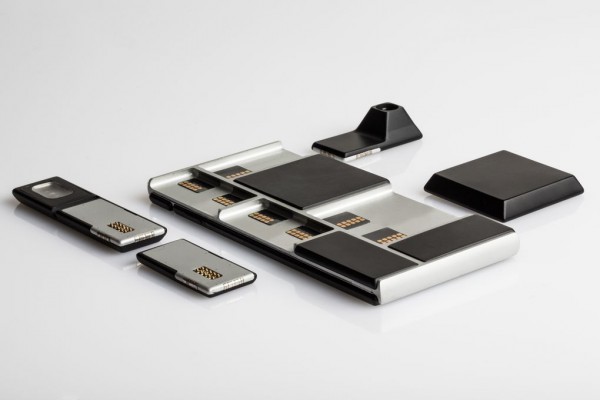
Aside from a new module system, Google will also be improving the base camera module for Ara alongside the base battery. Obviously when more companies get involved with Ara and create their own modules, customers will be able to switch out Google's base-line variants for something a bit better should they need it.
Discuss on our Facebook page, HERE.
KitGuru Says: Google managed to fool quite a few sites with its little joke on Twitter the other day. Either way though, the fact that the company is switching up the way it attaches modules is still pretty decent news for those following Ara's development. I do wonder what Google has come up with in its place.