KitGuru KitGuru.net – Tech News | Hardware News | Hardware Reviews | IOS | Mobile | Gaming | Graphics Cards


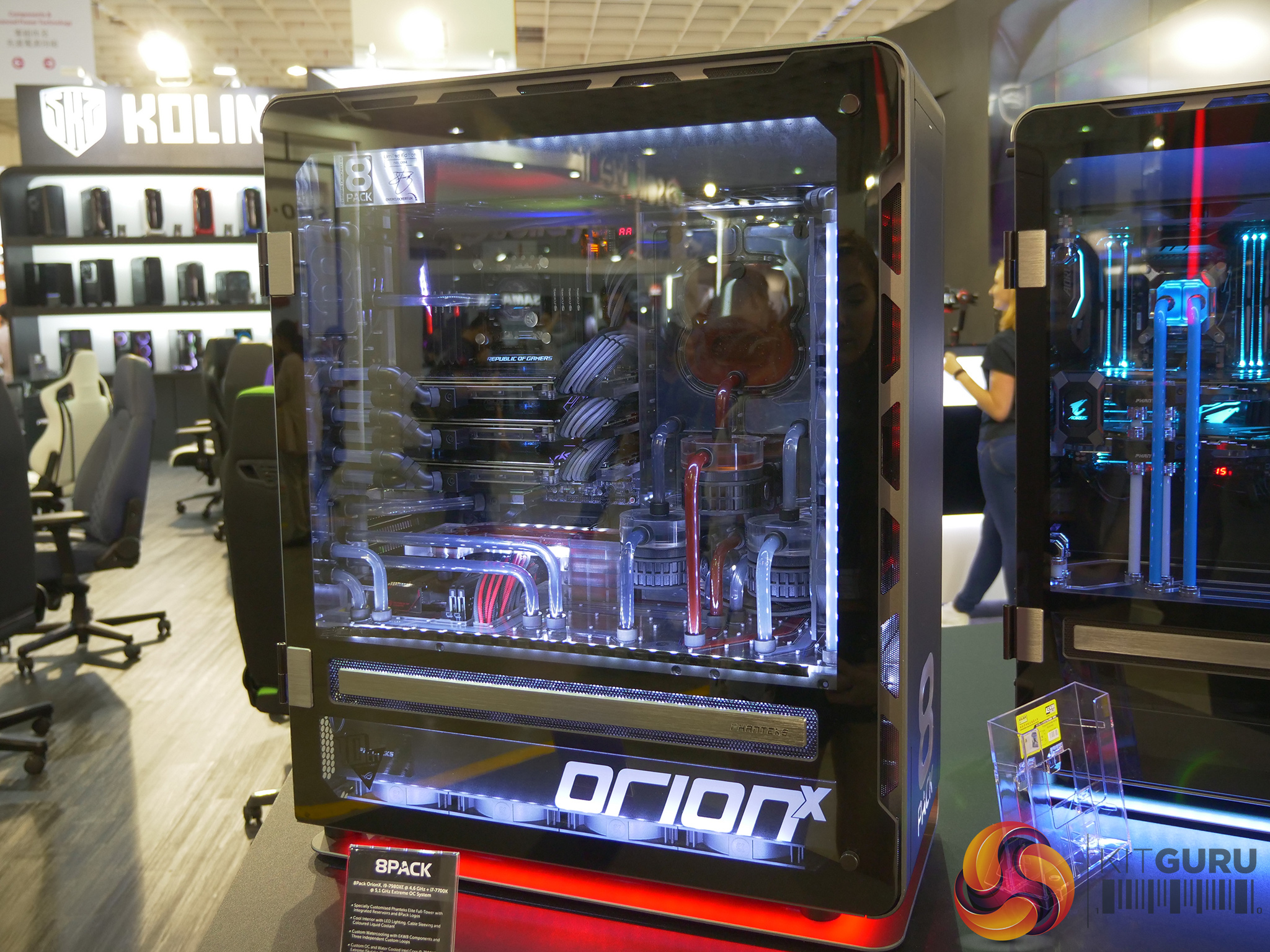
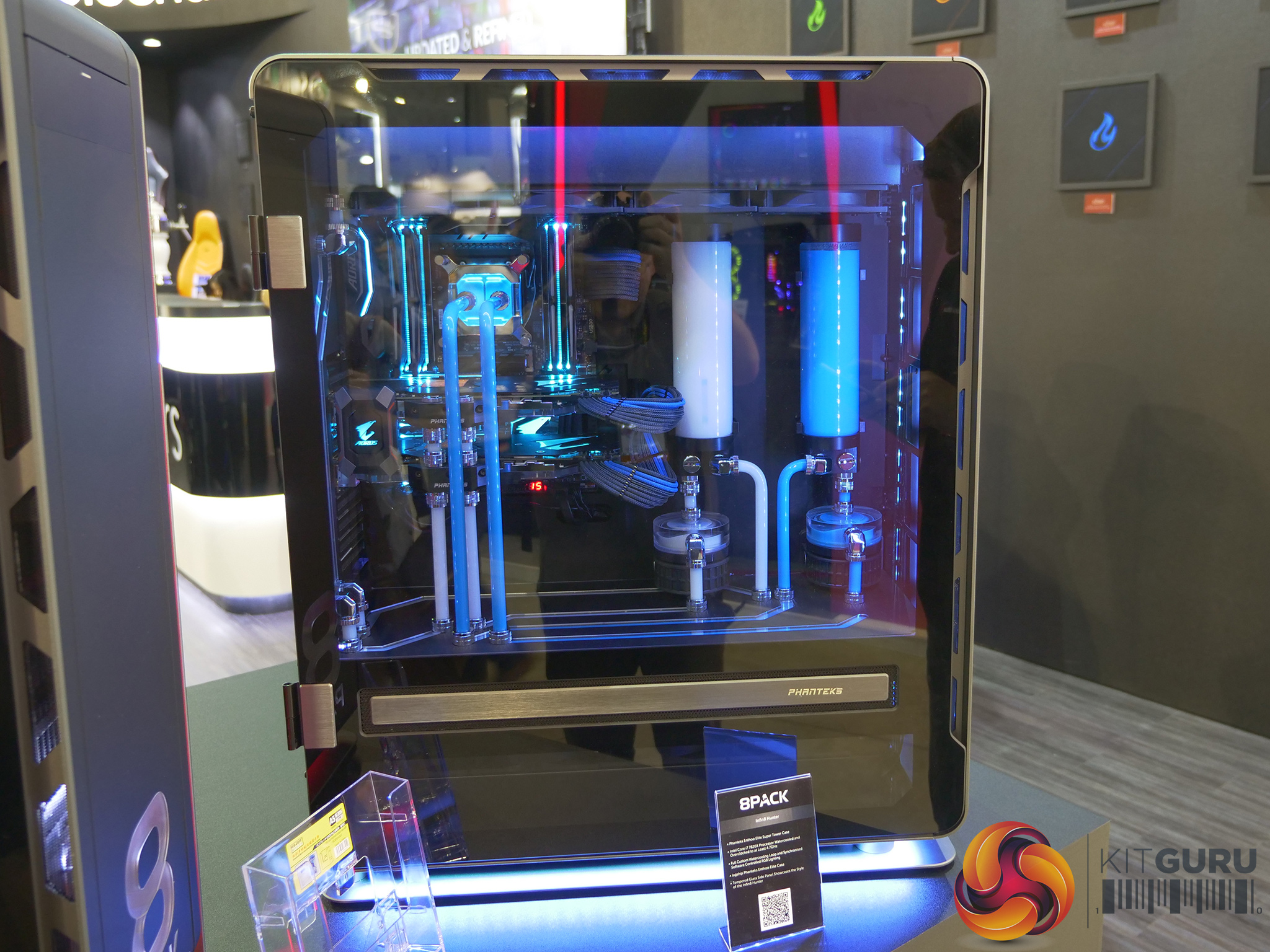
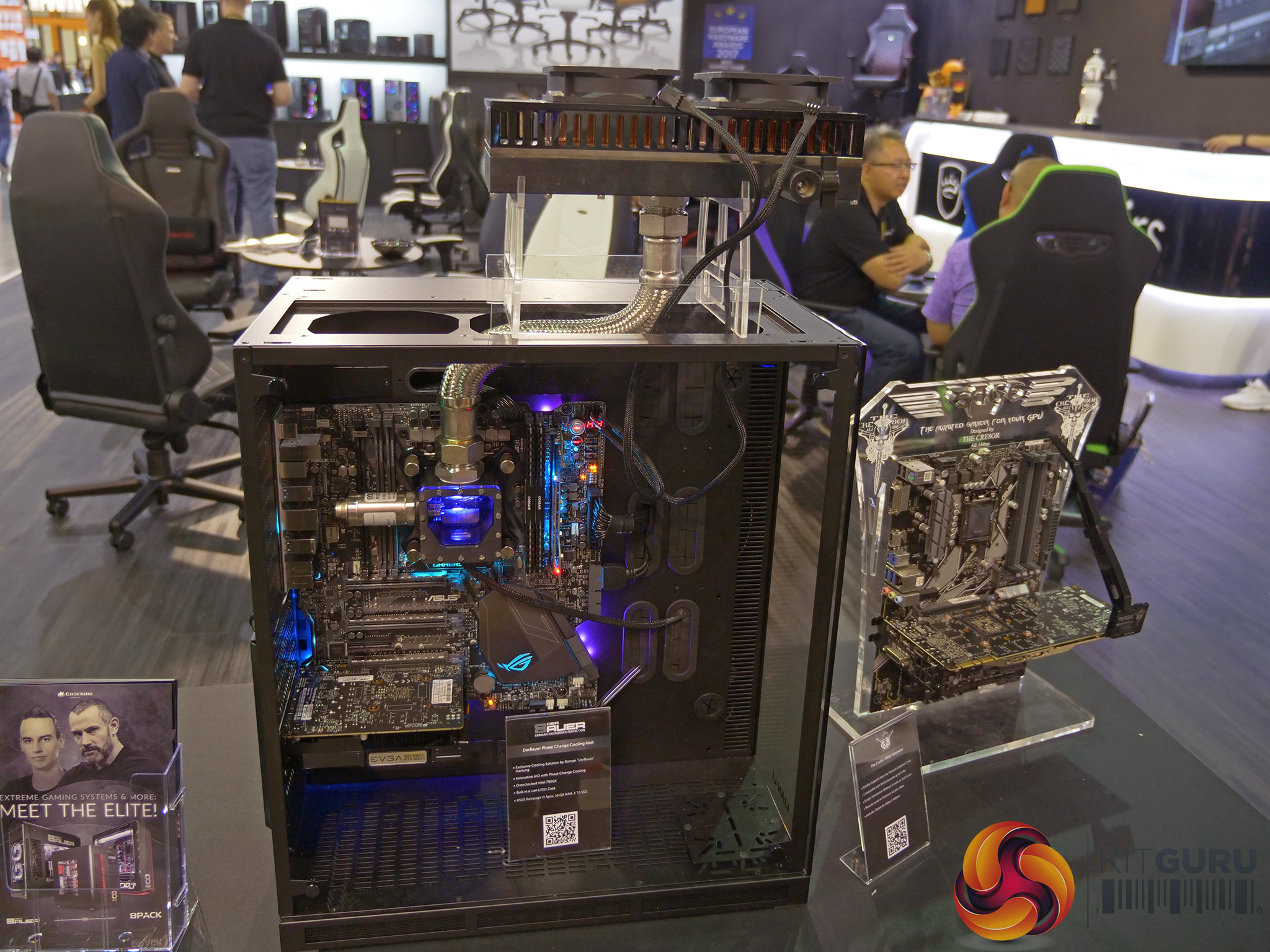
With Computex 2018 now winding down, our man Leo still found time to visit the Pro Gamersware booth where he found an assortment of brands and PCs present. Foremost among these were the £30,000 8Pack Orion X system, as well as two phase-change cooling systems from Der8auer.
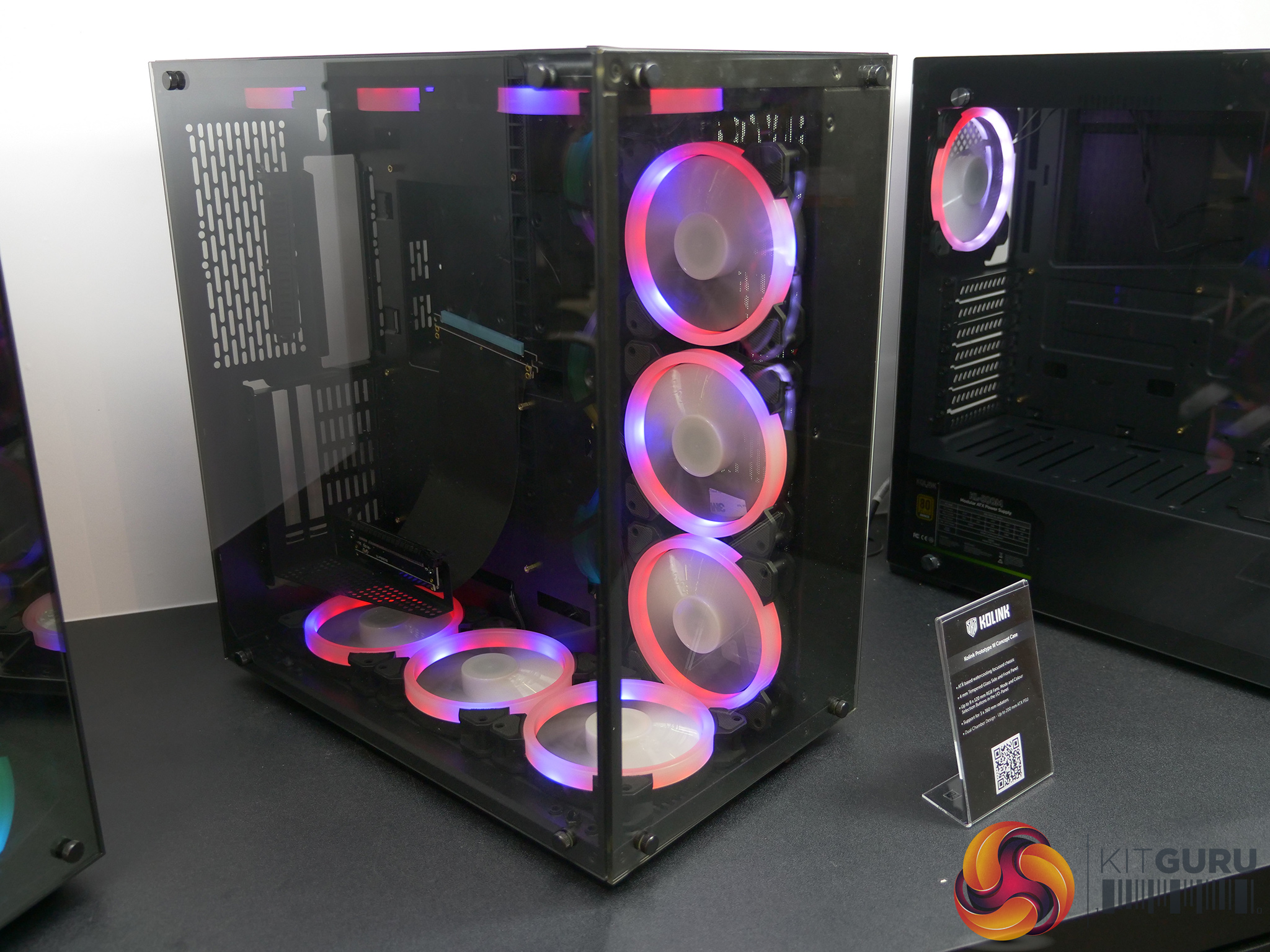
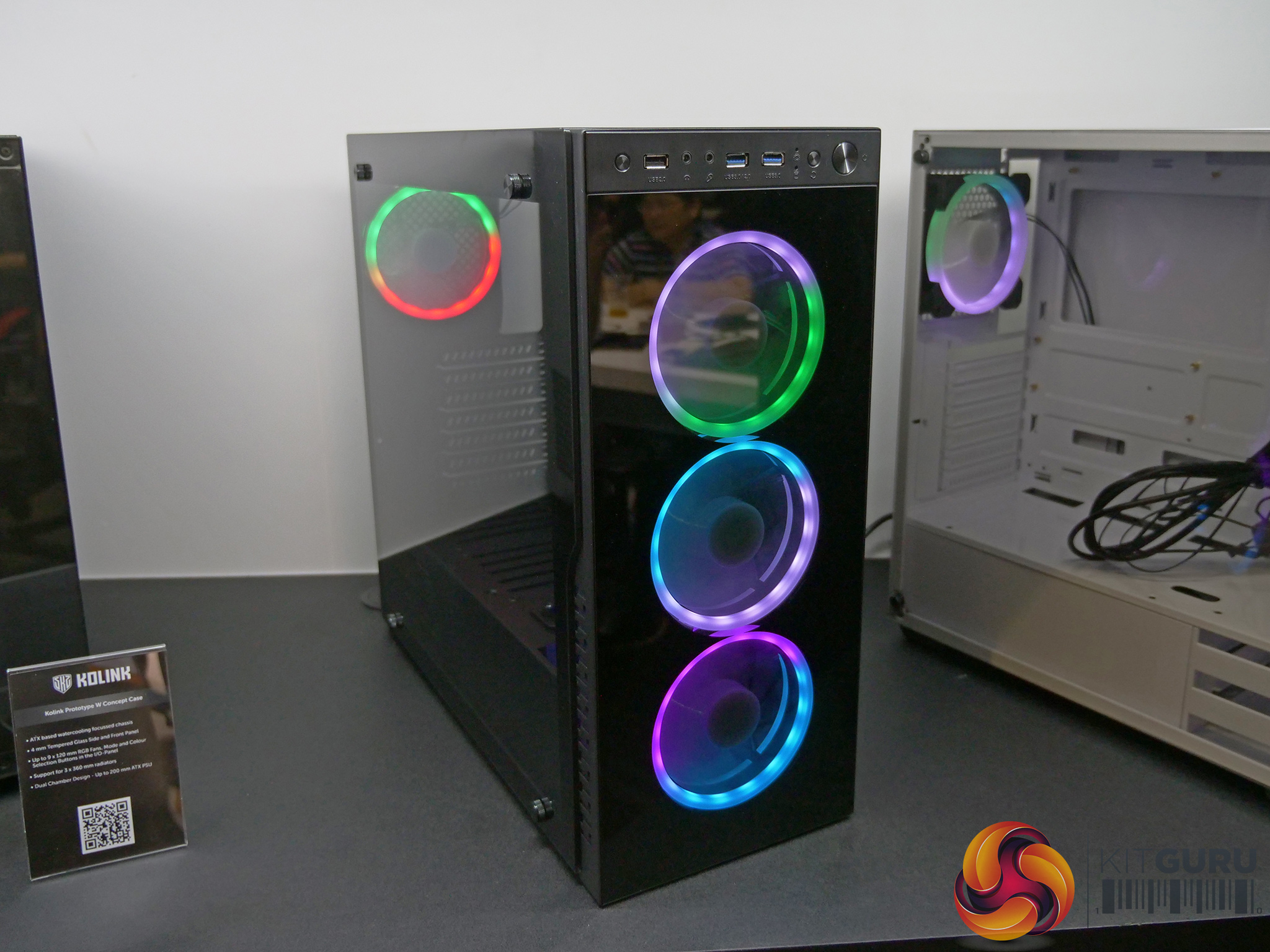
While the two 8Pack systems – the Orion X and Infin8 Hunter – undoubtedly stole the show, we also saw a few new cases from Kolink. These include the Horizon, the Prototype W as well as one as-yet unnamed model. All three cases sport glass panels and RGB fans, and while the internal chassis look quite typical, we can expecting pricing to be competitive.
Note: if the above gallery is not displaying properly, you may need to disable your ad block software as they are known to interfere with our display code.
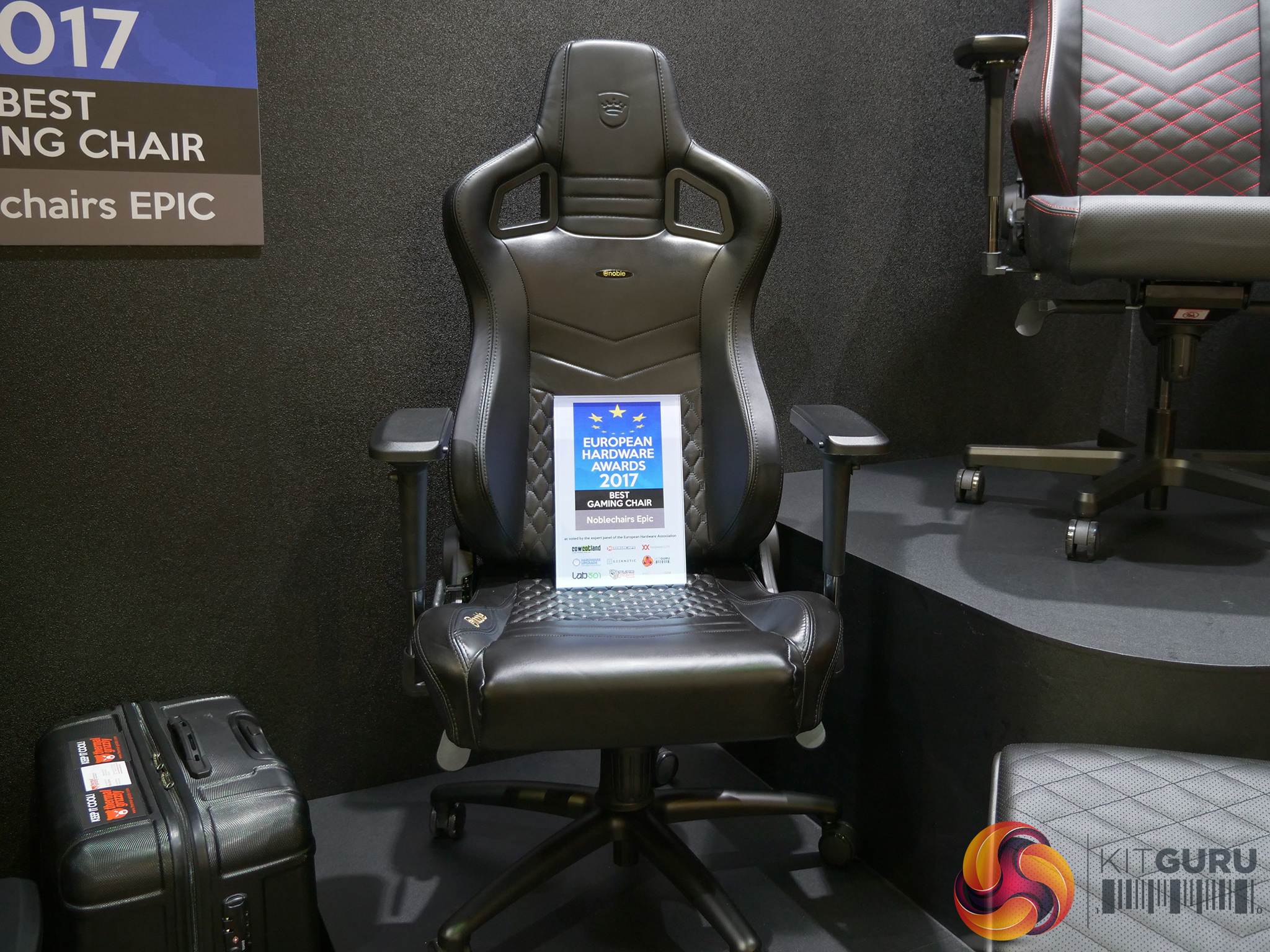
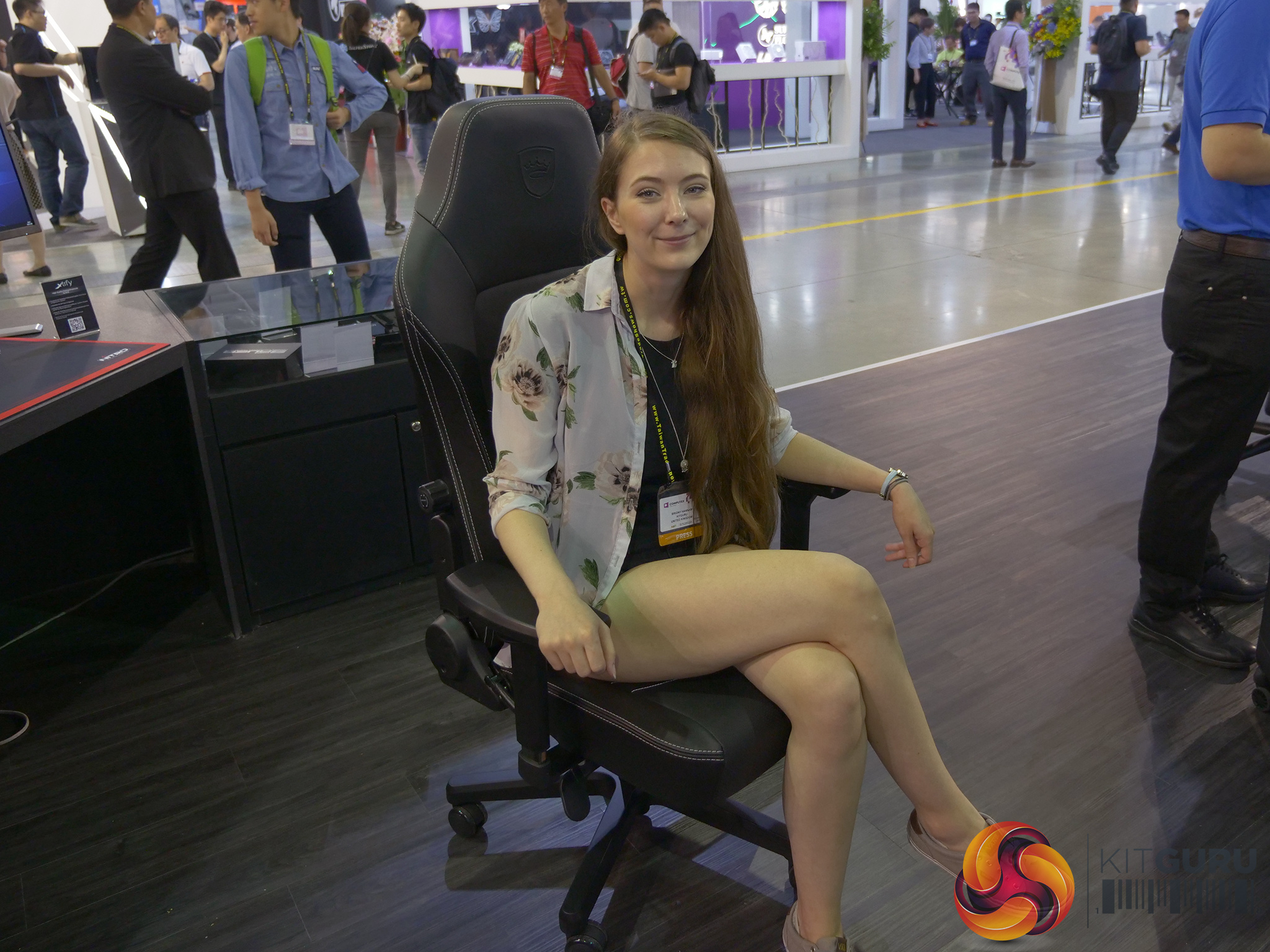
Leo also got a look at the noblechairs range, including the Epic and Icon chairs – both of which have won ‘best chair' awards from the EHA. A new model – Hero – was also on show which looks quite similar to the Epic, but with integrated lumbar support, negating the need for a separate lumbar cushion.
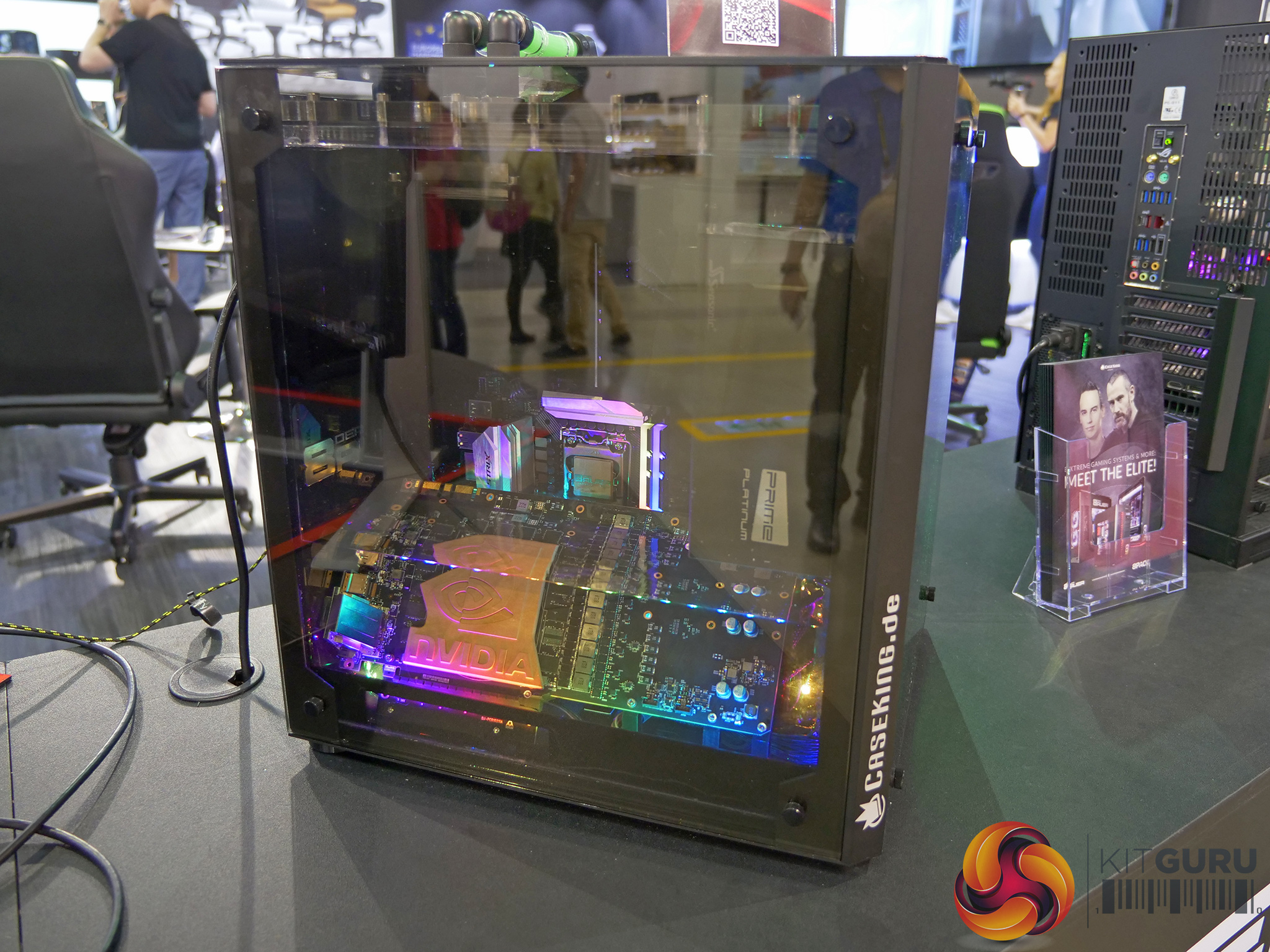
Lastly, world renowned overclocker der8auer also had a few things to show off, including a phase-change CPU cooling unit which looks very industrial. However, our man Leo does not believe this is an actual product but is more of a technical showcase. Der8auer also had a completely submerged system, using dual phase-change submerged cooling, named Aqua Exhalare sporting an overclocked i7-7800x and GTX 1080.
KitGuru says: Be sure to watch the video for the full low-down of the Pro Gamersware booth, though the 8Pack systems definitely steal the show.