KitGuru KitGuru.net – Tech News | Hardware News | Hardware Reviews | IOS | Mobile | Gaming | Graphics Cards


During IFA in Berlin last week, MSI launched its latest laptop, the ‘P65 Creator', a sleek white laptop that is primarily built for designers and photographers but also packs a punch for gaming.
With the P65, MSI doubled down on design, creating a brushed aluminium and pearl white version. The bezel around the display is very thin and the laptop is very compact, measuring in at just 17.9mm thick and weighing 1.88kg. The 15.6″ Full HD display utilises MSI's own ‘True Color' technology, bringing it close to providing 100% of the sRGB spectrum.
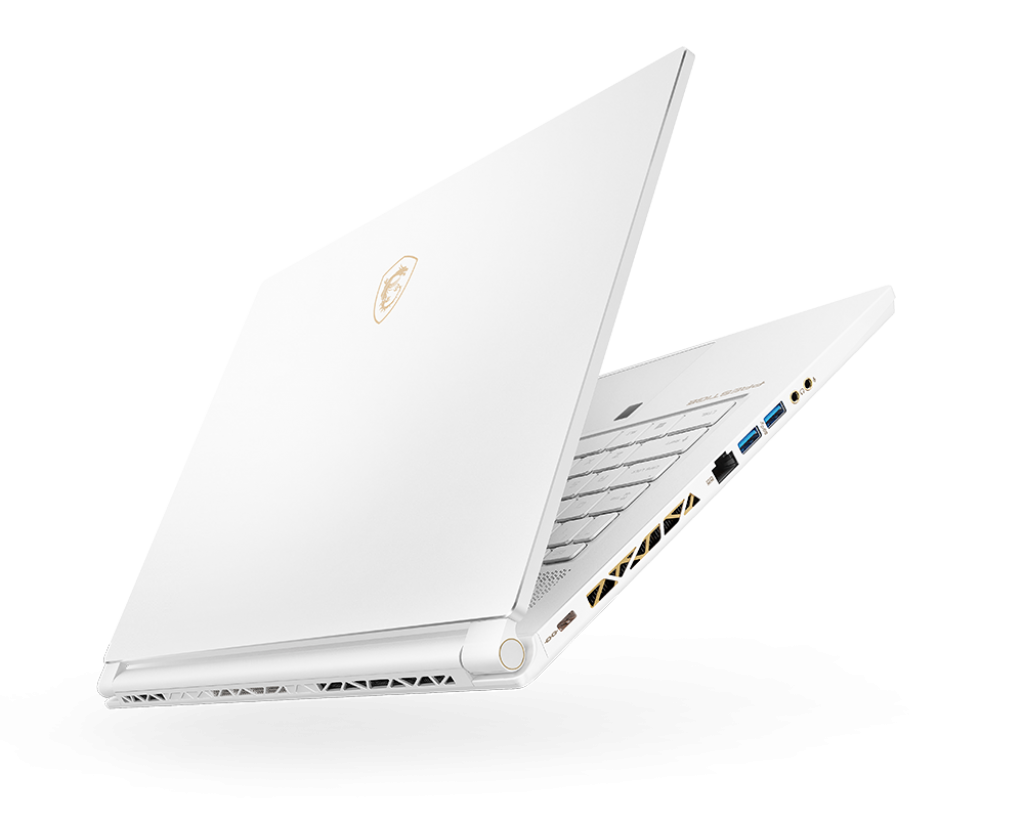
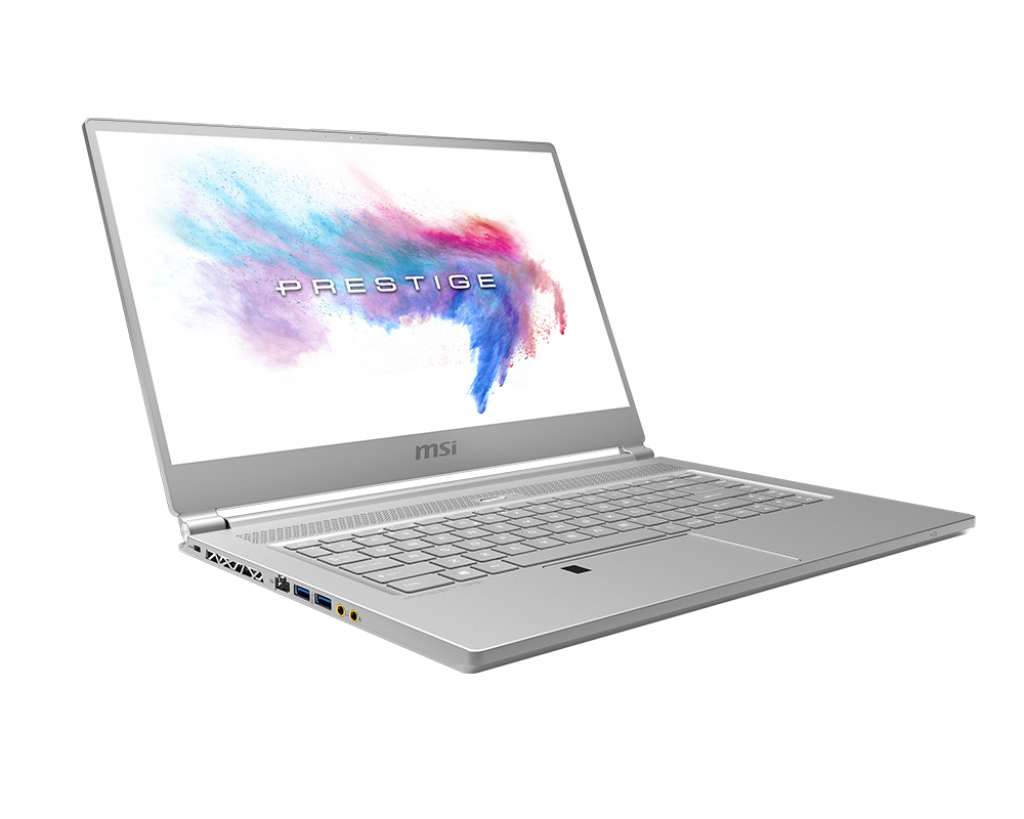
Under the hood you will find an 8th Gen Core i7 processor and up to 32GB of 2666MHz DDR4 RAM. The white version comes with an Nvidia GTX 1070 Max-Q while the silver edition comes with either a GTX 1050 or a GTX 1060 Max-Q graphics card.
For storage you get an M.2 SSD combo. Total storage will depend on which specific model you pick up, but you are likely looking at 256GB for the entry level. I/O connectivity also differs depending on the white or silver version. On the white edition you'll get a Thunderbolt 3 port, three USB 3.1 Gen 2 Type-A ports, a HDMI, a Mini DisplayPort, an SD card reader and connections for ethernet, a microphone and headphones. On the silver edition, everything remains the same with the exception of the Thunderbolt port, which is traded for a USB 3.1 Type-C connection instead.
We are still waiting on final pricing but expect to see these laptops hit the market very soon.
KitGuru Says: I've been tempted to switch out my MacBook Pro for a Windows alternative lately so to me, the P65 Creator does seem quite tempting. Are any of you planning on buying a new laptop this year?