KitGuru KitGuru.net – Tech News | Hardware News | Hardware Reviews | IOS | Mobile | Gaming | Graphics Cards


Cherry, a well-known manufacturer of computer input devices and mechanical switches, has announced the release of its new keyboard, the Secure Board 1.0. This keyboard was designed with security in mind, introducing various security features to reduce risks and threats to its users.
The Secure Board 1.0 comes with a PC/SC smart card reader (CCID compatible) to read ISO 7816 chip cards, and an RF/NFC terminal for ISO 14443A /B, and ISO 15693 cards and tags.
There's a secure mode on the keyboard that can be switched on. The secure mode needs a certificate to authenticate the keyboard and encrypts the keystrokes. This makes hardware key loggers unable to access sensitive data. “Bad USB attacks” are also impossible because the standard keyboard channel is blocked, preventing USB devices from injecting code into the system.
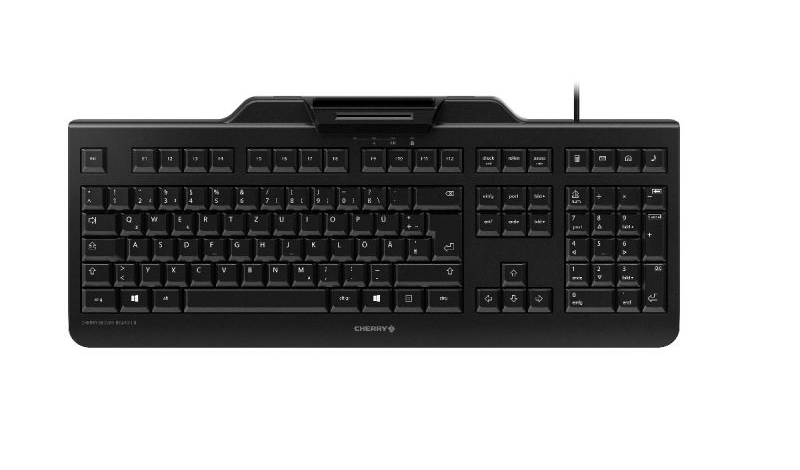
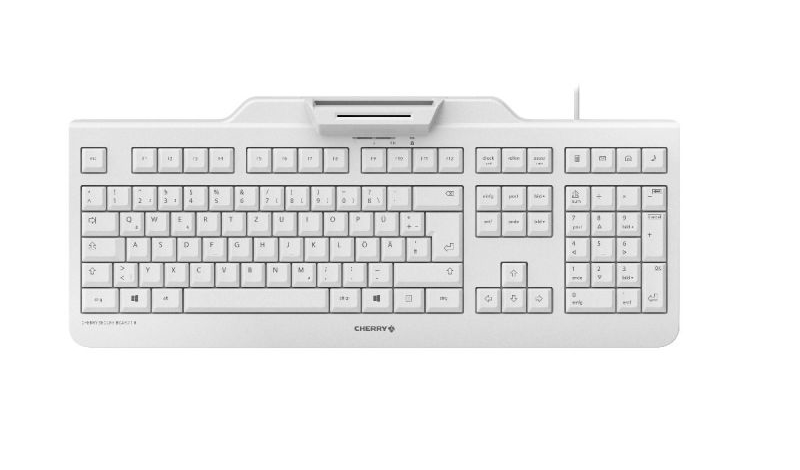
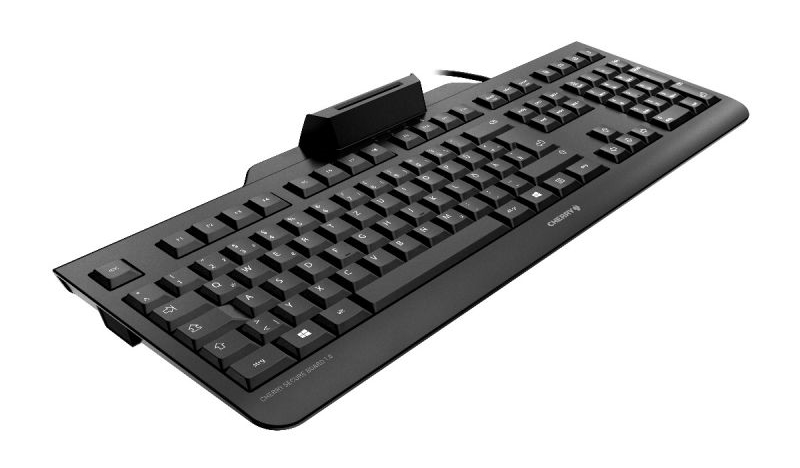
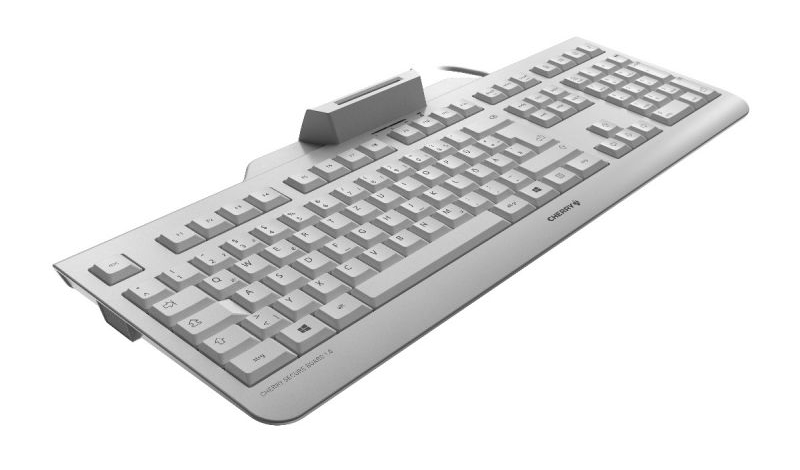
Measuring approximately 458mmx188mmx46mm (WxDxH) and weighing 840g, this keyboard saves some desk space by “eliminating the need for an additional terminal”. It comes in a flat ergonomic design, with a low smart card reader, following the BGI-650 ergonomics guide.
The keycaps that come with the keyboard have an “abrasion-resistant laser inscription”, capable of lasting through years of utilisation without leaving marks of use. The keyboard was also awarded the “Blue Angel” environmental seal and meets the FIPS-201 requirements.
The Secure Board 1.0 is available now for 69.99€/64.99£. For more information about it, click HERE.
Discuss on our Facebook page HERE.
KitGuru says: Would you buy the Secure Board 1.0 for its security features? Do you need this kind of security in your line of work?