KitGuru KitGuru.net – Tech News | Hardware News | Hardware Reviews | IOS | Mobile | Gaming | Graphics Cards


There is plenty of buzz surrounding Riot’s new shooter, Valorant. As a result, demand for closed beta access is incredibly high, leading to accounts being sold for over $150 on sites like eBay. Due to this, the ban hammer has been raised early, with a number of accounts being booted from the beta and freeing up access for those going through intended channels.
In a post going over the 48 hours since the closed beta launched, Riot explains that in order to support “a stable, competitive, high-fidelity gameplay experience”, it needs to “be careful about how many players we let into Closed Beta over the course of the next few days and weeks”. Those attempting to get into the beta via the Twitch drops system should also know that drops are granted randomly based on a stream view threshold of roughly 2 hours, so you don’t need to camp in streams for entire days at a time.
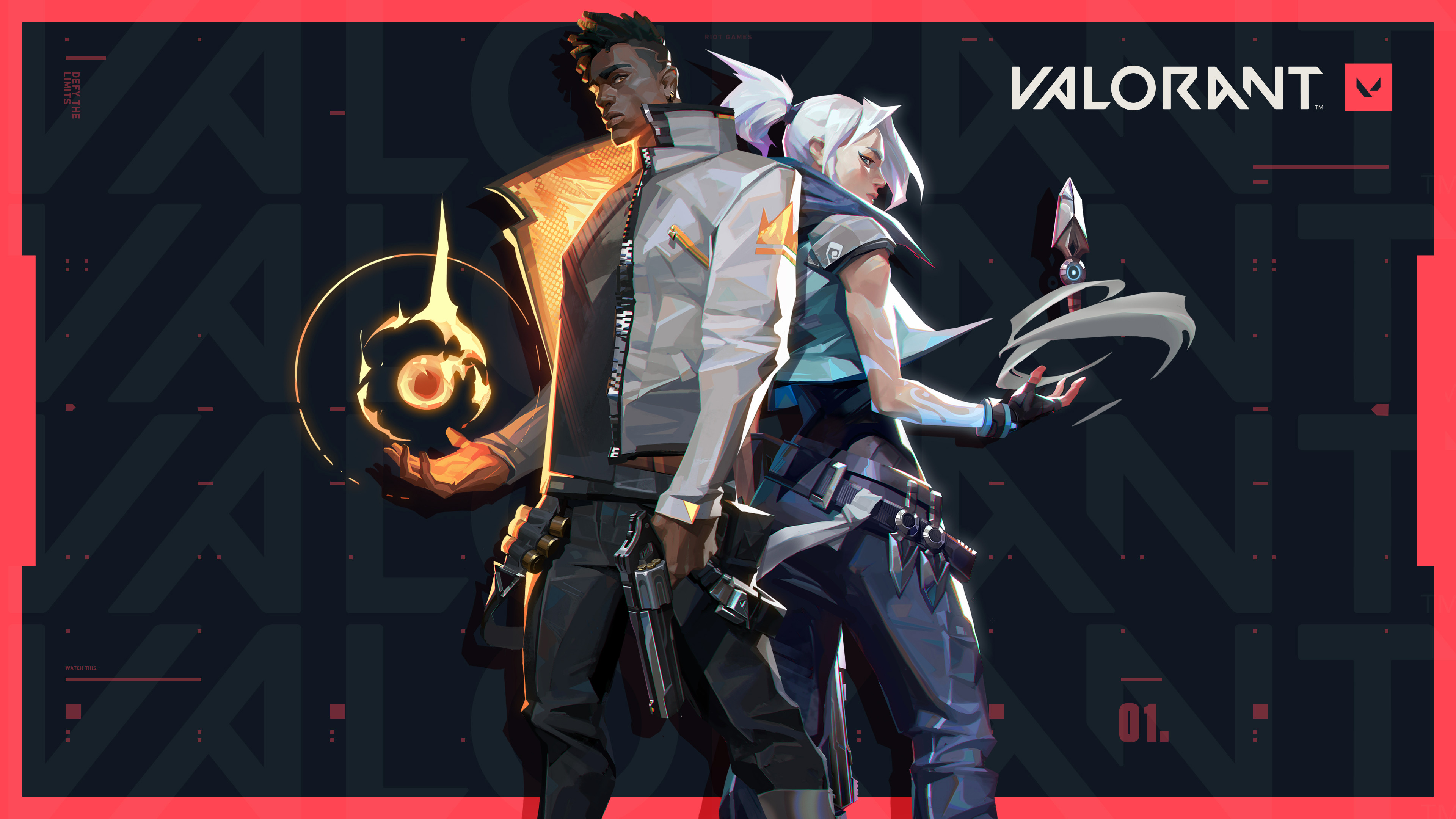
If you are looking to cheat the system and buy your way into the beta, then you may well run into problems. Last night, the Valorant team announced that it is already monitoring account sellers and issuing bans: “We are actively looking into account sellers. If you buy an account for VALORANT access, please be aware that your account could be banned before launch.”
The same goes for view botters camping on Twitch. These accounts are being banned and those spots in the beta are then being passed back on to those following the rules.
Discuss on our Facebook page, HERE.
KitGuru Says: It can be tempting to pay your way into hyped closed betas at times, but since Valorant is not using a traditional key system, there is much closer monitoring on accounts, increasing the likelihood of sold accounts being caught. With that in mind, it is better not to risk it, even if you have the money to spare.