KitGuru KitGuru.net – Tech News | Hardware News | Hardware Reviews | IOS | Mobile | Gaming | Graphics Cards


A few days ago, the official OST for the highly-praised DOOM Eternal was released to those who purchased the game’s collector’s edition. Unfortunately, some fans noticed that the soundtrack featured much flatter dynamic mixing when compared to DOOM (2016). The game’s composer, Mick Gordon, voiced his disapproval of the release. Now it seems as though the composer has decided to take matters into his own hands, fixing the mix himself.
On the 19th of April, a fan noticed that the official OST release for DOOM Eternal featured a much flatter audio wavelength when compared to 2016’s DOOM. They then took to Twitter to announce their findings. DOOM (2016) and DOOM Eternal’s composer, Mick Gordon responded to the tweet stating that he “didn't mix those and wouldn't have done that.”
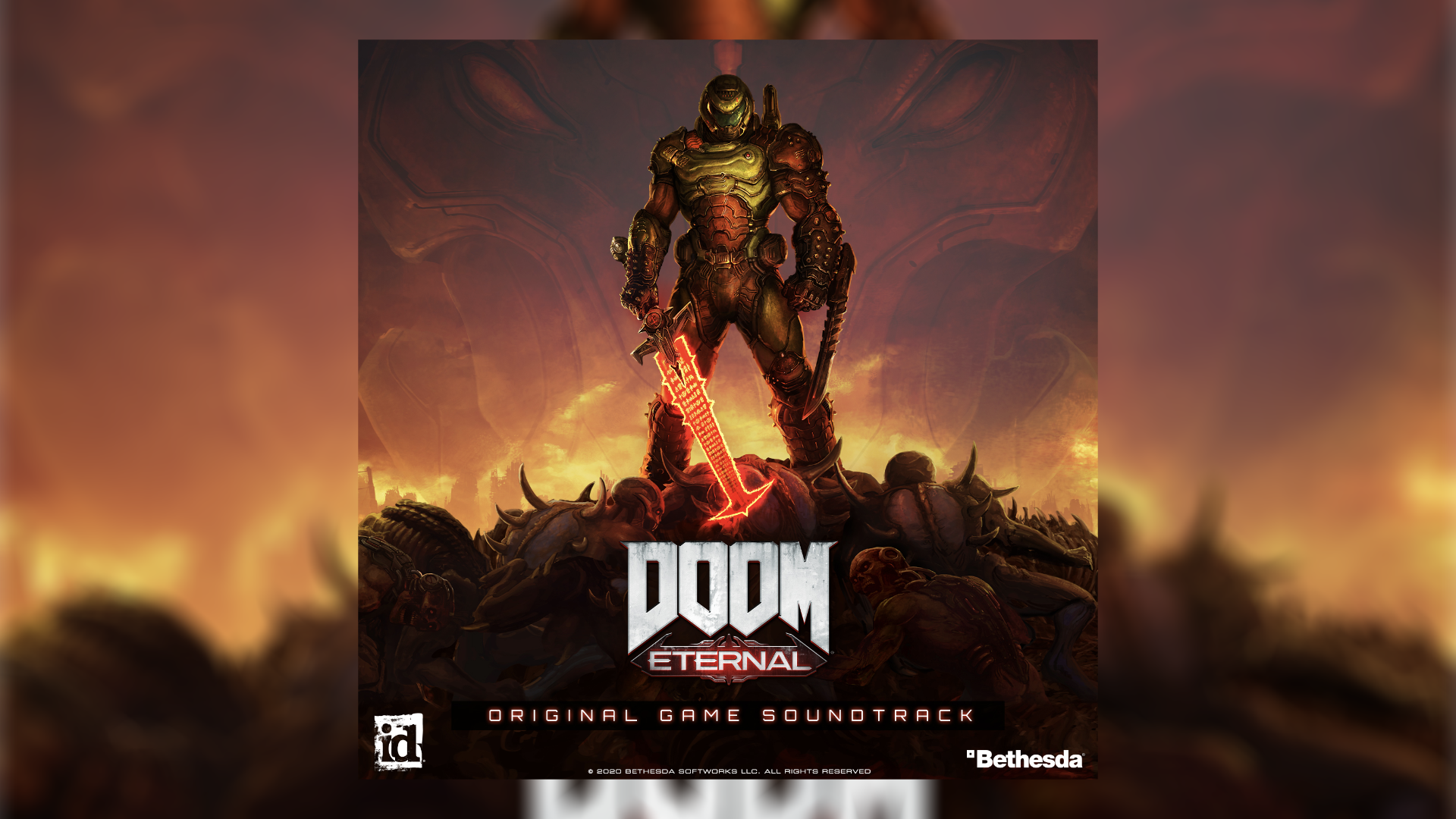
Since then, much discussion has taken place regarding the controversial release. Some wondered whether Bethesda would opt to rework the soundtrack in order to return it to its optimal sound quality. It would seem as though Mick Gordon has decided to take matters into his own hands, and will be fixing the soundtrack himself.
In response to an email sent by Reddit user ‘Omegachai1’, Mick Gordon stated that he’ll “aim to get the proper version [of the soundtrack] up sometime”. It is currently unknown whether this improved master of the soundtrack is in collaboration with Bethesda, or if Gordon has independently decided to fix Bethesda’s mistake. Either way, fans of the game will soon be able to experience the hard-hitting synth-metal soundtrack in all its glory.
Discuss on our Facebook page HERE.
KitGuru says: Do you listen to video game soundtracks outside of the games themselves? Are you glad to see DOOM Eternal’s OST being fixed? Would you like to see Mick Gordon return for a third DOOM game? Let us know down below.