KitGuru KitGuru.net – Tech News | Hardware News | Hardware Reviews | IOS | Mobile | Gaming | Graphics Cards


The Xbox Series S is currently in an interesting position. While just yesterday we reported that some games will run at resolutions far greater than the advertised 1440p, it appears as though the lower-powered Xbox console will equally run at resolutions far lower. Yakuza: Like a Dragon, which is being positioned as one of the Xbox’s main launch title exclusives, has been confirmed to run as low as 900p on the Xbox Series S.
When Yakuza: Like a Dragon launches on the Xbox Series S and X, the game will include two different rendering modes. The high resolution mode will be limited to 30fps, but will hit a full 4K on the Xbox Series X, while also achieving the advertised 1440p on the Series S.
That being said, when running using the game’s high frame rate mode – which will push the game to 60fps – the Xbox Series X will be brought down to 1440p, whereas the Series S will be reduced all the way down to 900p.
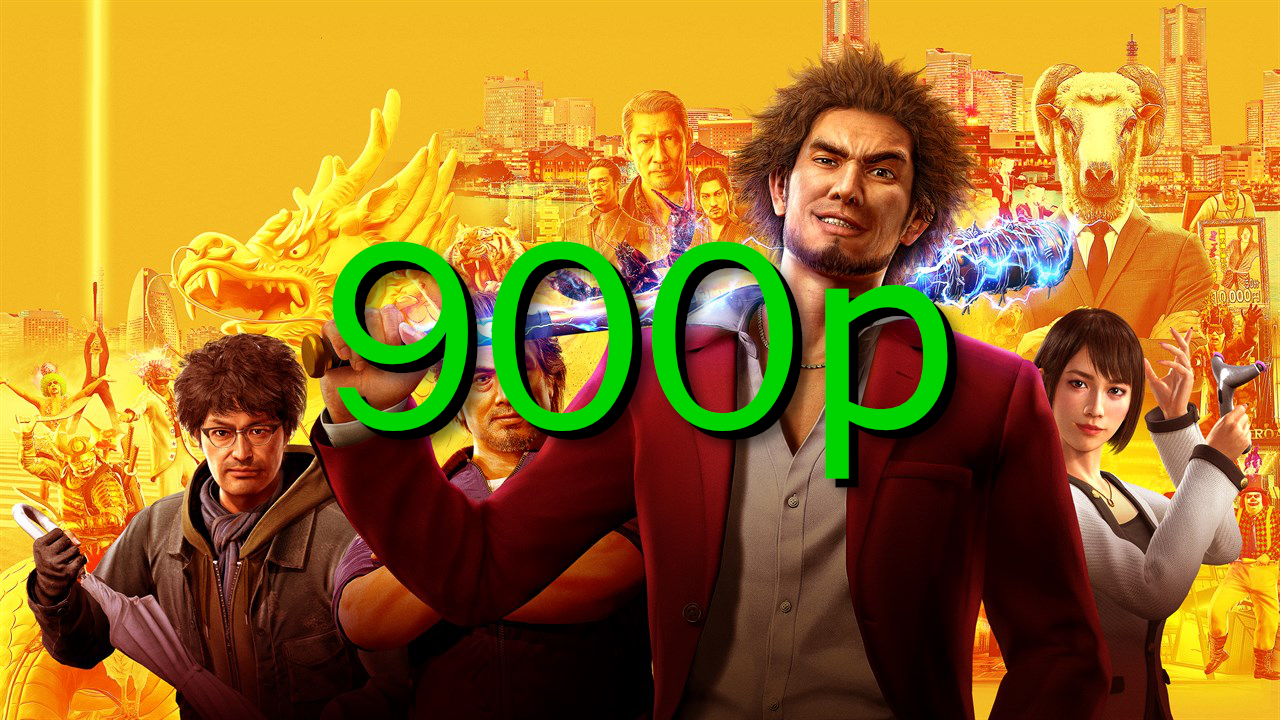
While offering options between resolution and framerate is always appreciated, 900p on a next-gen system may surprise some players. It is worth noting that Yakuza: Like a Dragon uses the Dragon Engine, which is known to be relatively taxing on hardware.
For previous entries in the series which used this engine, the PS4 version operated at 900p 30fps, where the Pro only managed to push the resolution up to 1080p, still at 30fps. So while the Series S does see an improvement over the last-gen versions, the inability to hit 1080p may disappoint some.
Discuss on our Facebook page HERE.
KitGuru says: Are you excited for Yakuza: Like a Dragon? Do you think 900p is too low? Which of the rendering modes would you pick between the two? Let us know down below.