KitGuru KitGuru.net – Tech News | Hardware News | Hardware Reviews | IOS | Mobile | Gaming | Graphics Cards


Of all of Koei Tecmo's franchises, its Warriors games are by far the best selling. With over 42 million copies sold across the entire franchise, it more than quadruples the publisher’s next best-selling series. Even among Warriors games however, the newly released Hyrule Warriors: Age of Calamity stands out, becoming the best selling ‘Warriors’ game in less than 2 months.
With 3.5 million copies sold, Hyrule Warriors: Age of Calamity has already become the best selling entry in the entire Warriors franchise, despite only releasing on the 20th of November. The second best selling entry in the series is 2003’s Dynasty Warriors 4, which sold 1 million units in 9 days, but only 2.2 million in its lifetime.
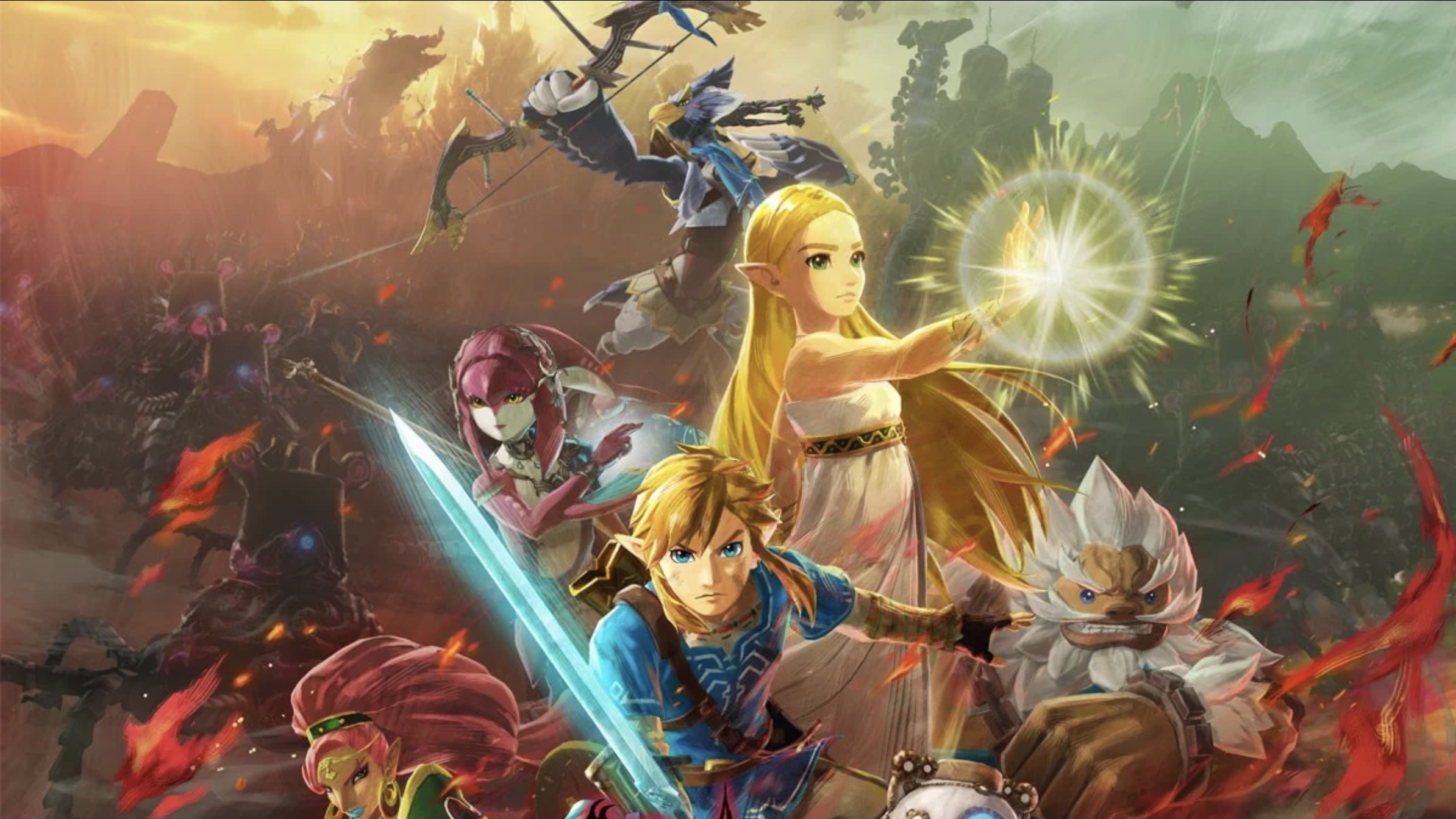
Even more impressive however is the fact that Hyrule Warriors: Age of Calamity is already comparable to a number of mainline Zelda games when it comes to sales. Hyrule Warriors: Age of Calamity is currently the 14th best selling Zelda game, right underneath Skyward Sword and above Majora’s Mask. By its end-of-life, it is entirely possible that Hyrule Warriors: Age of Calamity may end up as one of the best selling entries in the entire franchise – despite being a non-traditional Zelda game.
Hyrule Warriors: Age of Calamity is another example in the long line-up of games which have proven to thrive on the Switch, thanks to the overwhelming success of Nintnedo’s console. It’ll be interesting to see how many copies it sells throughout its life.
Discuss on our Facebook page HERE.
KitGuru says: Did you pick up Hyrule Warriors: Age of Calamity? What did you think of it? How many copies do you think it’ll sell in total? Let us know down below.