KitGuru KitGuru.net – Tech News | Hardware News | Hardware Reviews | IOS | Mobile | Gaming | Graphics Cards


Recently we reported that Embracer Group has agreed to acquire Gearbox Entertainment for $1.3 Billion (depending on performance targets). At the time, we postulated as to what this would mean for the studio’s Borderlands series, which has historically been published by 2K. According to 2K Games, Borderlands titles will continue to be developed by Gearbox.
Following the announcement that Embracer Group would be acquiring Gearbox Entertainment, many fans began wondering what this meant for Borderlands, Gearbox’s most prominent franchise.
In a statement released by 2K Games, the publisher claimed that “As the proud publisher of the Borderlands franchise, we are happy for our partners at Gearbox and this exciting new chapter for their organisation.”
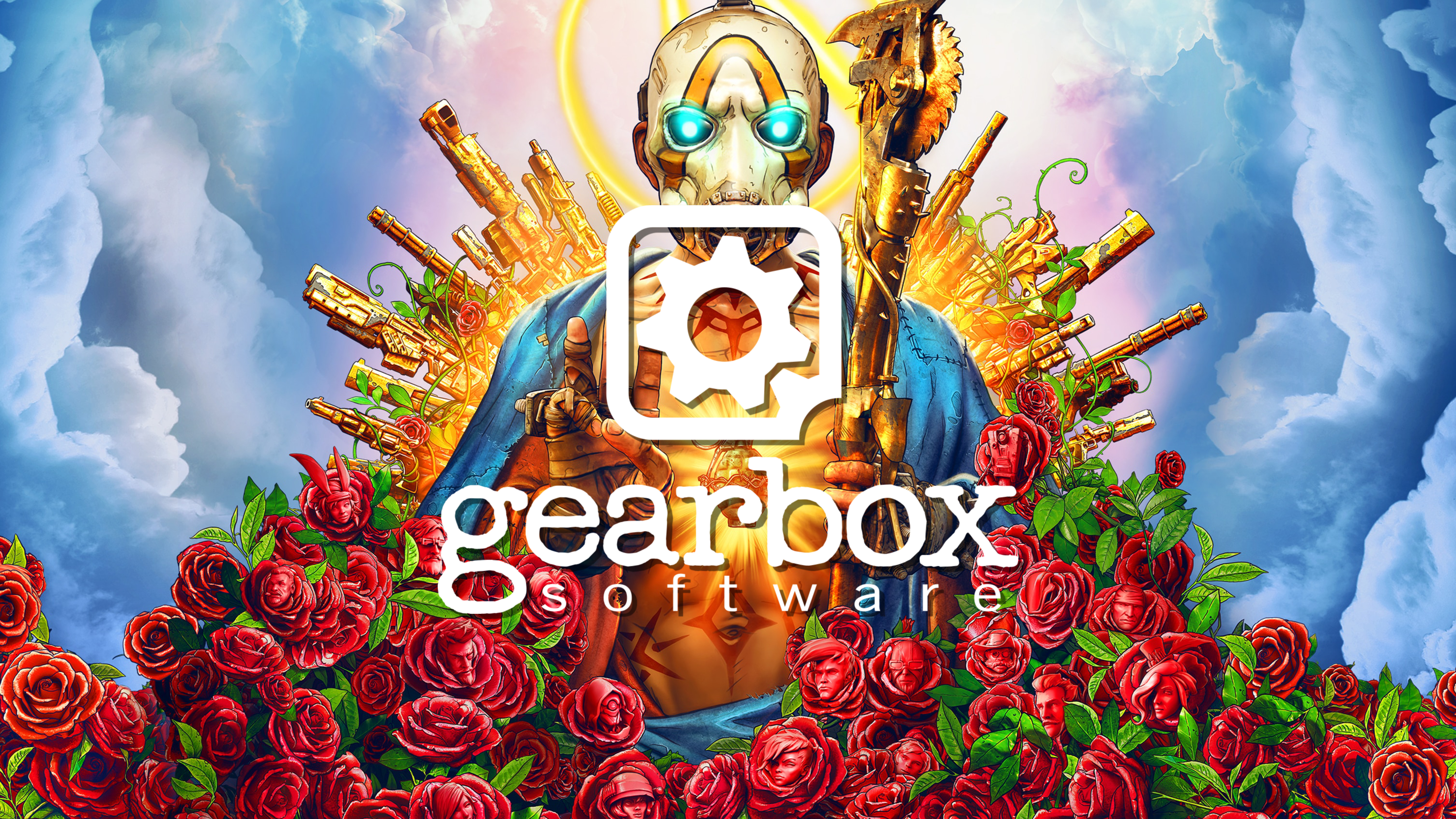
Adding clarity to the situation, they said “The merger does not change 2K's relationship with Gearbox nor our role as the publisher for the Borderlands IP or any other projects we are currently working on with the studio. We look forward to continuing our long-term partnership with this incredibly talented team and delivering many more exciting entertainment experiences to gaming fans around the world.”
With Borderlands remaining a partnership between 2K Games and Gearbox, it will be interesting to see what projects come out specifically from the acquisition by Embracer Group, and whether Gearbox’s new owners will be able to spawn another franchise as successful as Borderlands has been.
KitGuru says: What do you think of the acquisition? Are you excited by the potential of new IP? Do you enjoy the Borderlands series? Let us know down below.