KitGuru KitGuru.net – Tech News | Hardware News | Hardware Reviews | IOS | Mobile | Gaming | Graphics Cards


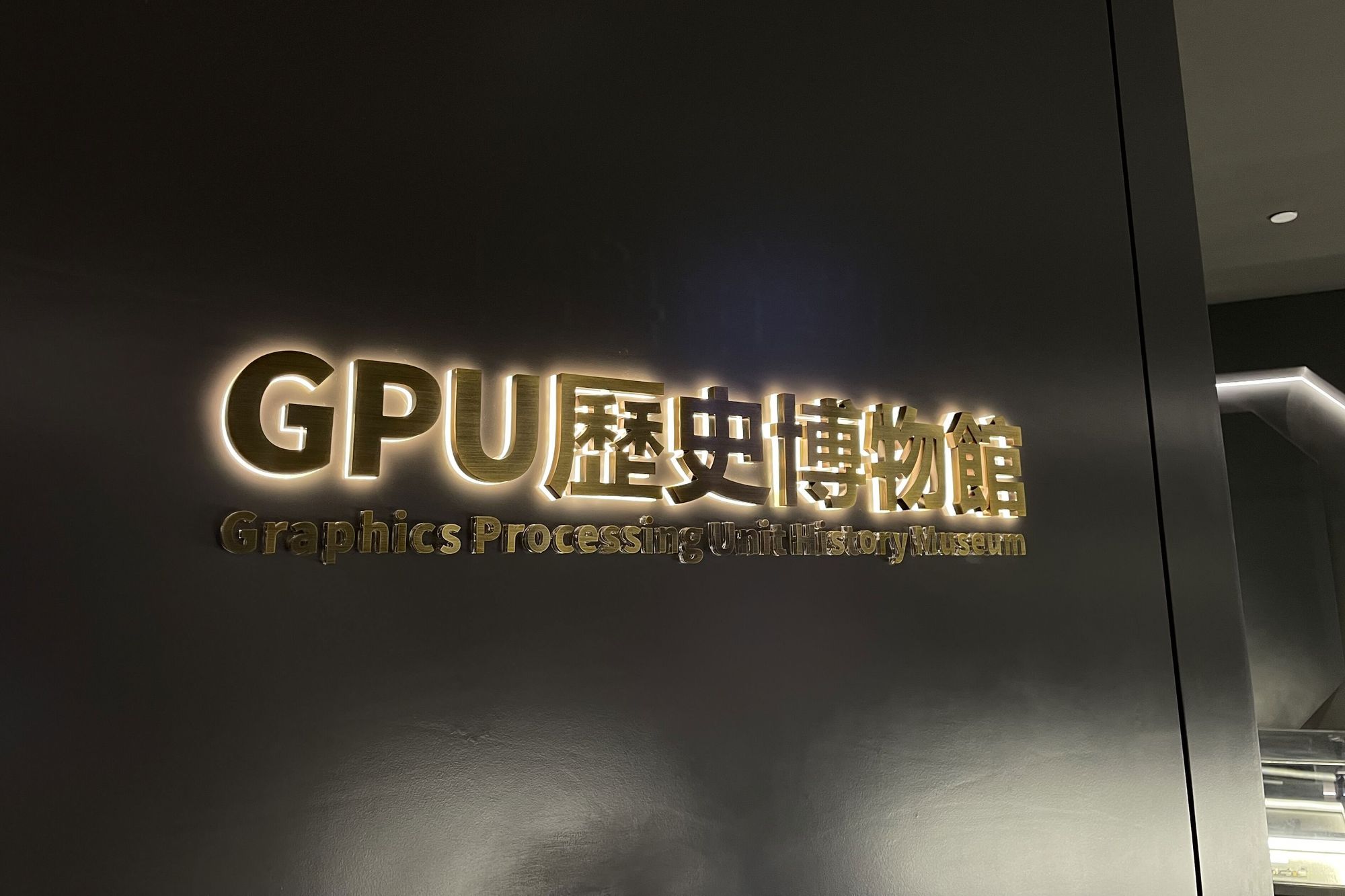
In partnership with Nvidia, Colorful has opened up the world's first GPU History Museum in Shenzhen New Generation Industrial Park, China. As the first of its kind, the GPU History Museum is a tribute to graphics cards and everything directly related to it, showcasing its origins and evolution until now.
From the early GPU days in the '80s to the latest RTX 30 series graphics card, the GPU History Museum has it all displayed for its visitors. The museum showcases rare GPUs from iconic brands like IBM, 3Dlabs, Intel, S3, Trident and 3Dfx. There's even a Rage Fury MAXX graphics card displayed, ATI’s first dual-chip graphics card with two Rage 128 Pro GPUs. There's also an exhibit telling China's esports history and another dedicated to immersive gaming where visitors can experience advanced racing simulators and VR cockpits.
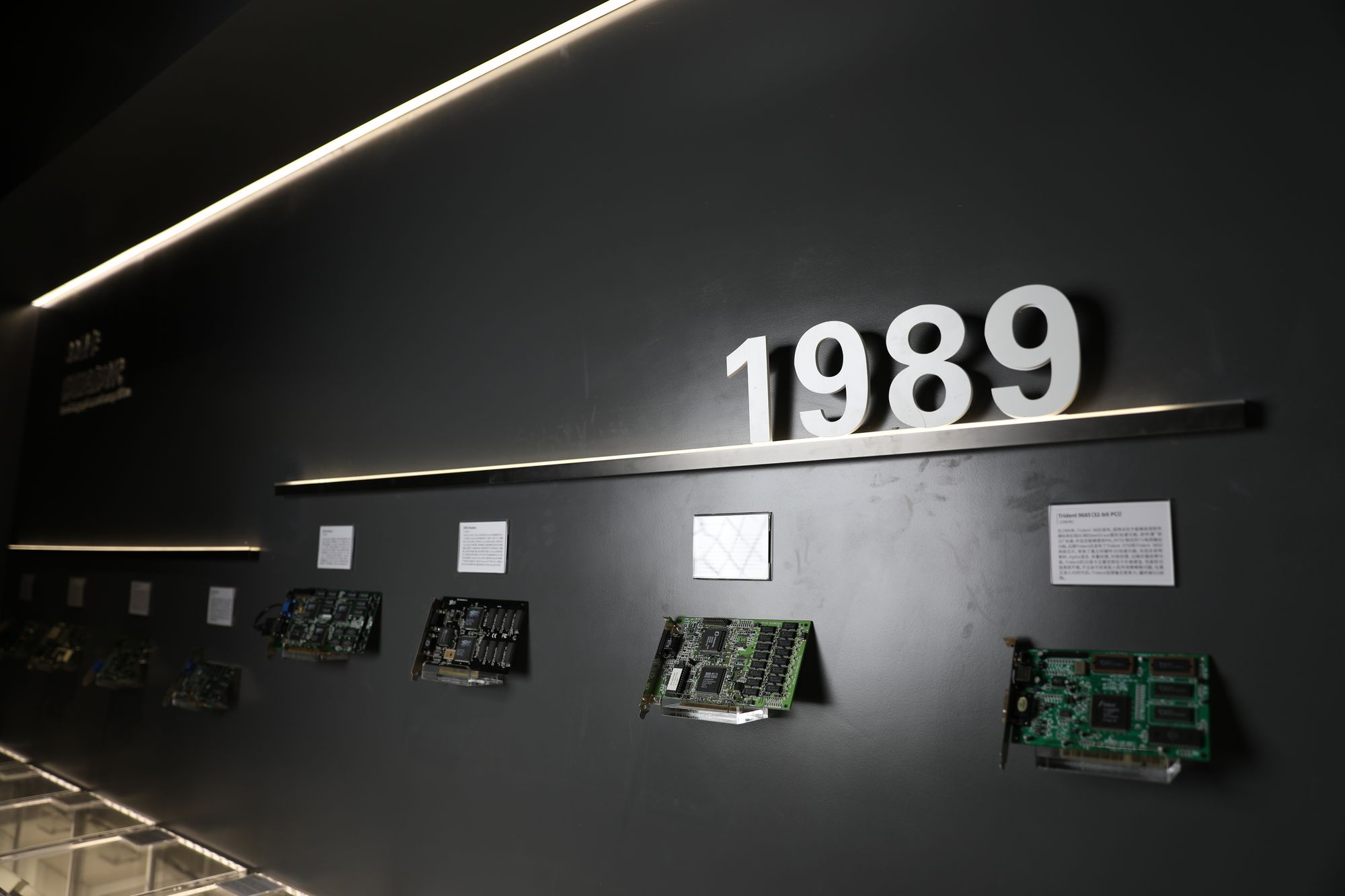
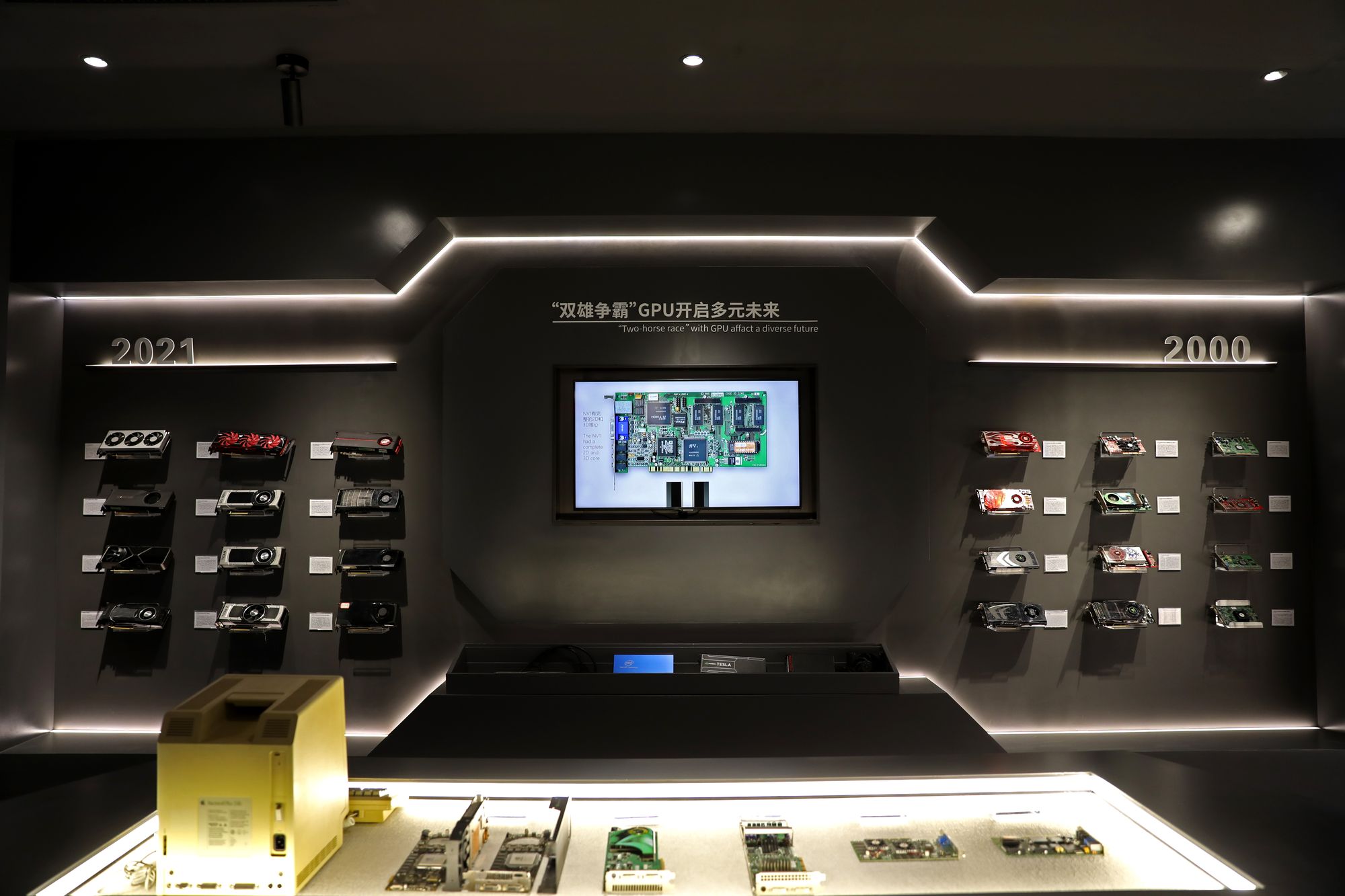
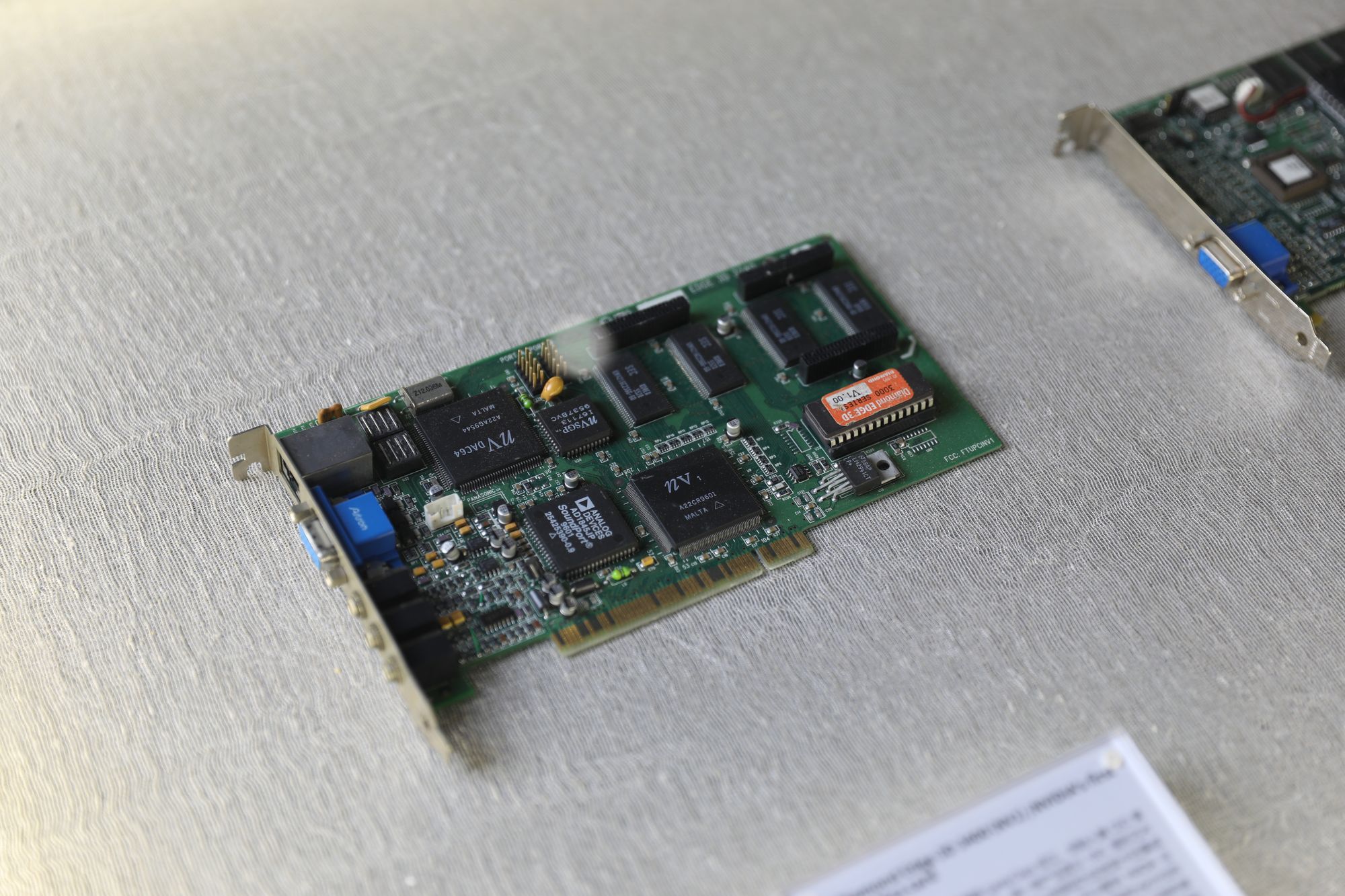
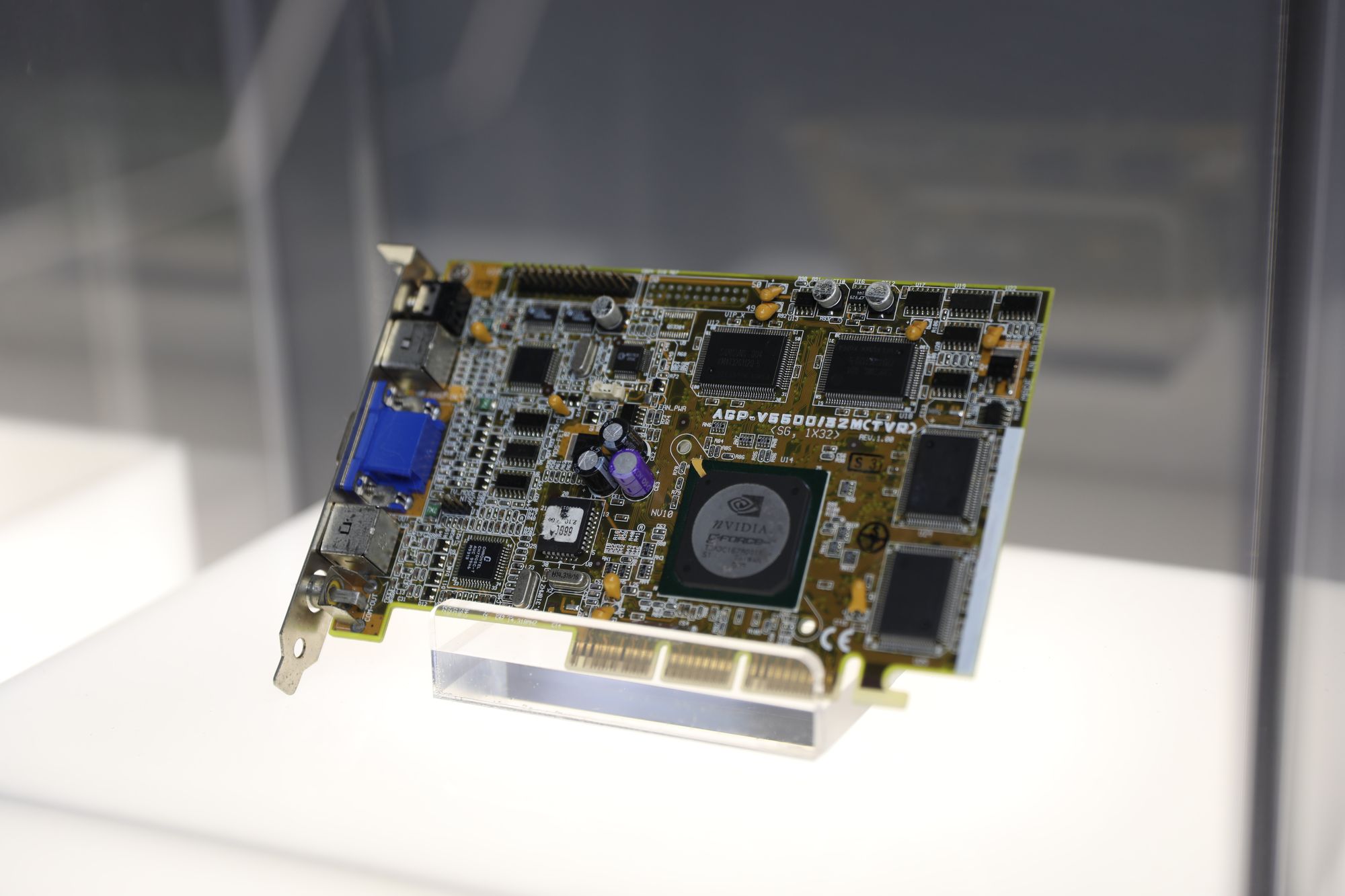
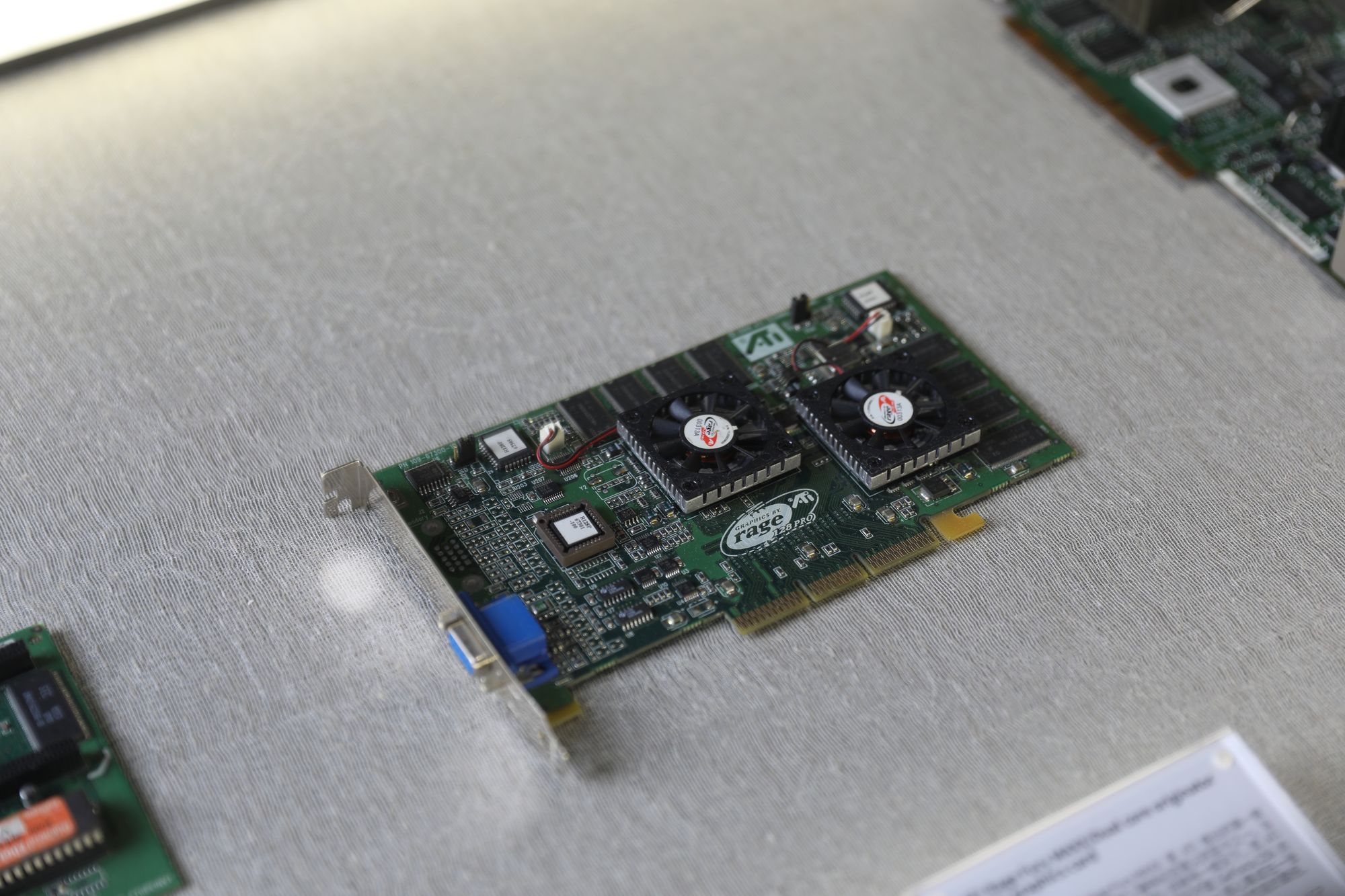
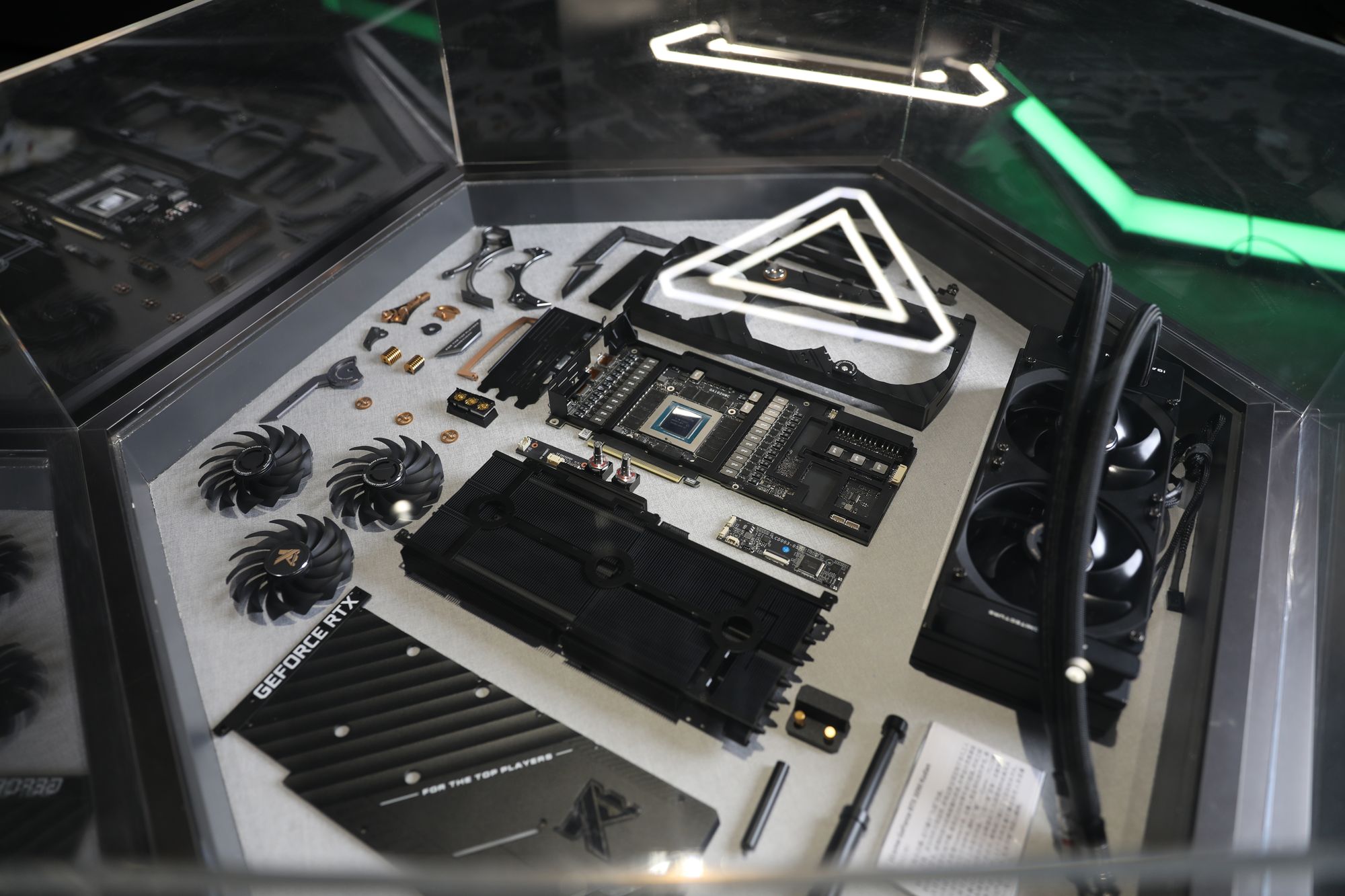
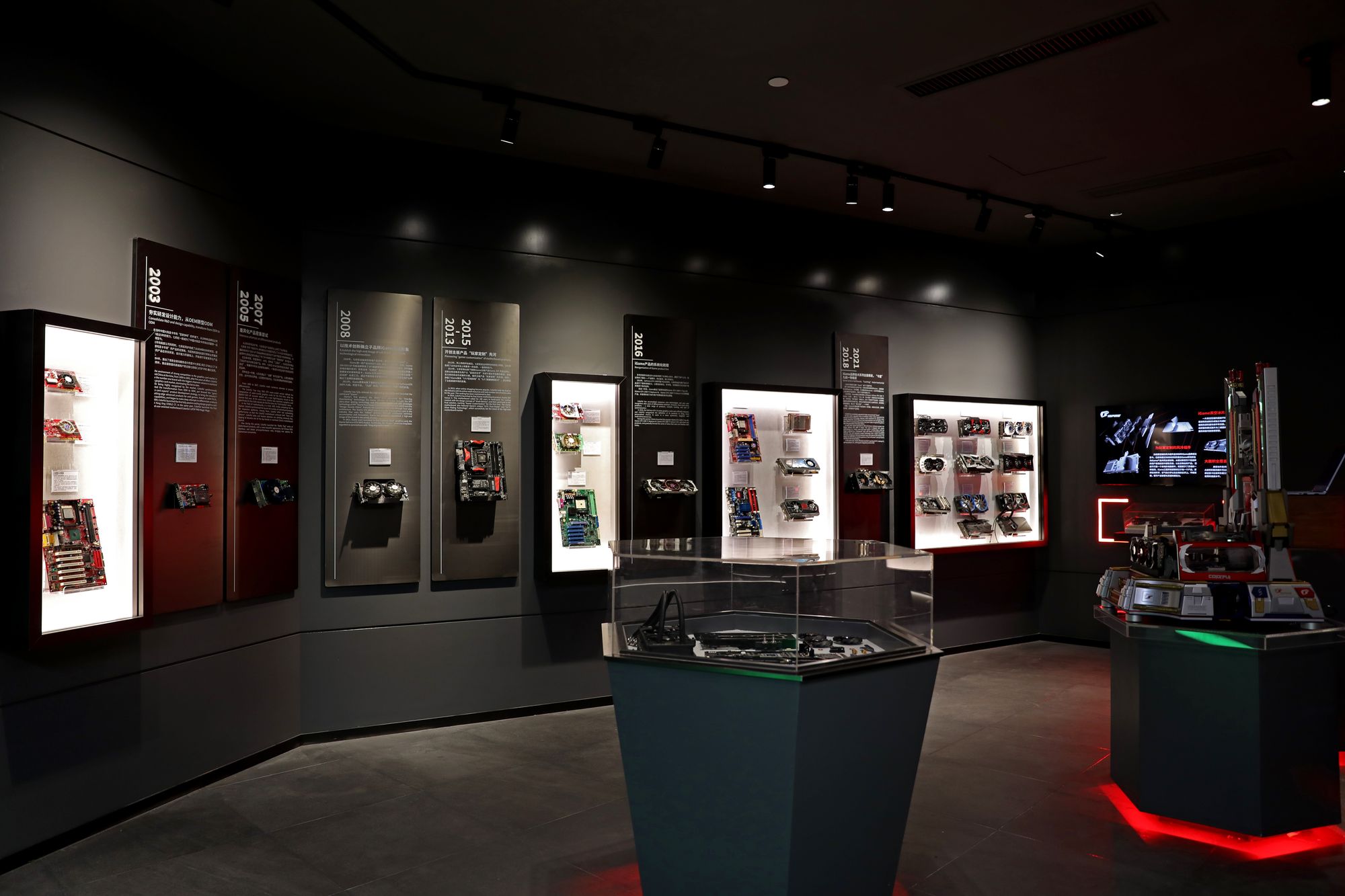
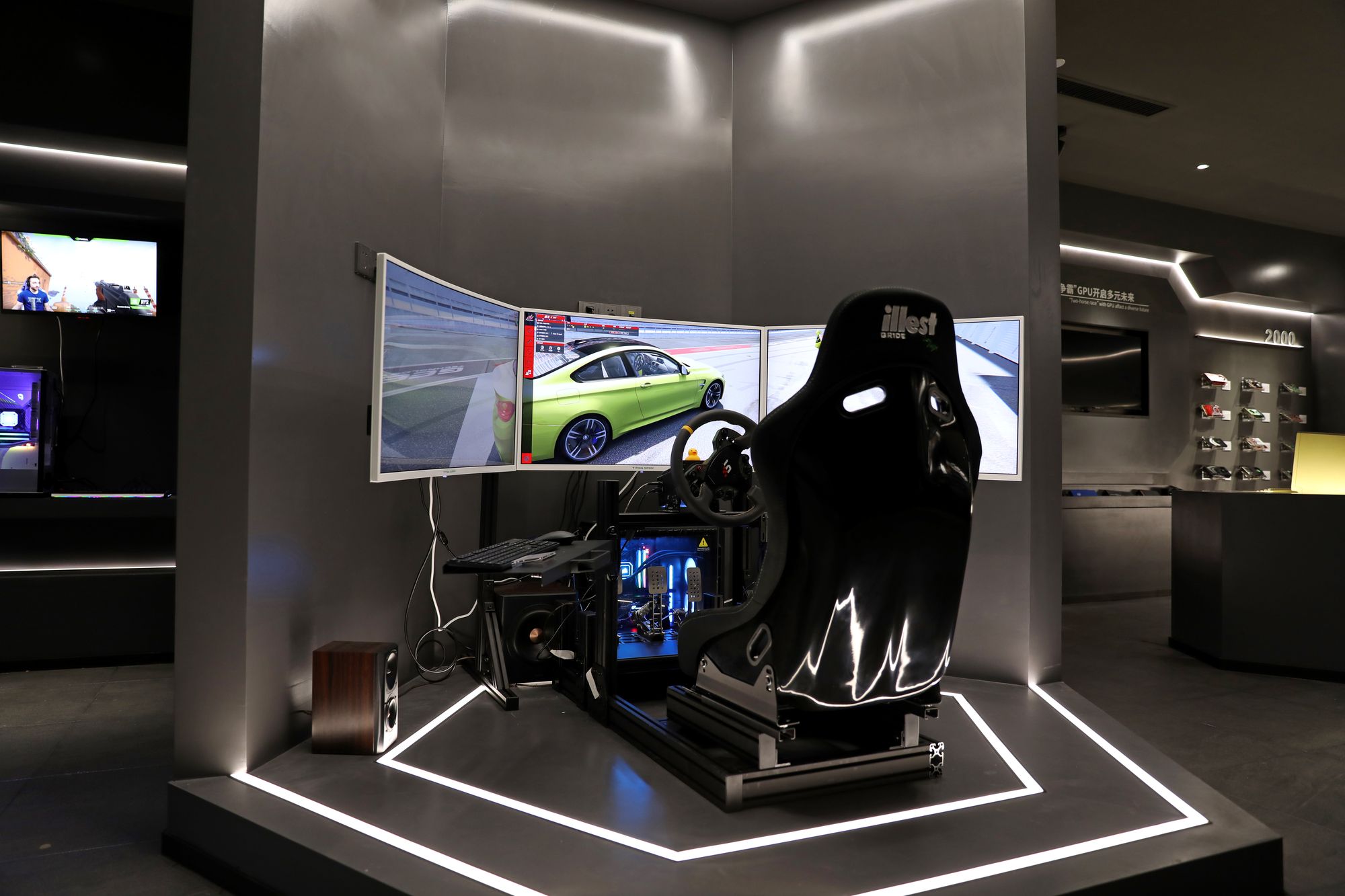
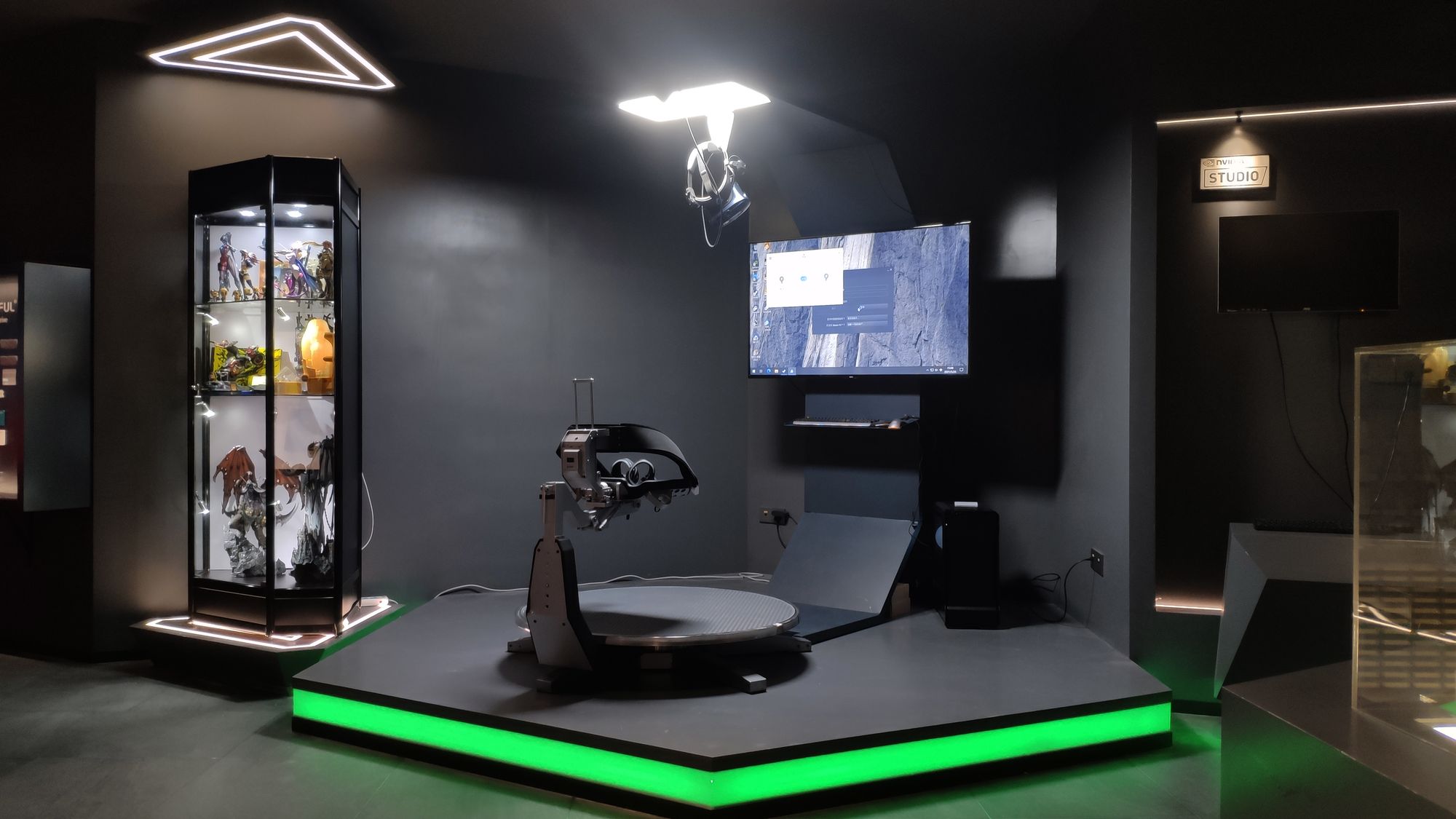
Those who visit the museum can also learn more about the history of Colorful, formerly called “Shihe Information”. The company was established in 1995, but rebranded as Colorful in 1999 alongside the launch of the Colorful Voodoo 2 graphics card. Since then, it has expanded its product portfolio to include motherboards, storage, HIFI, all-in-one computers, laptops, and more.
The GPU History Museum isn't open to the public yet, but registrations to visit will open soon.
KitGuru says: What was the first graphics card you ever owned? Would you like to visit the GPU history museum?