KitGuru KitGuru.net – Tech News | Hardware News | Hardware Reviews | IOS | Mobile | Gaming | Graphics Cards


Phil Spencer, the CEO of Microsoft Gaming, will receive the Lifetime Achievement Award at the 25th annual D.I.C.E. Awards. Todd Howard, director and executive producer at Bethesda Game Studios, will present it to him.
From time to time, the AIAS (Academy of Interactive Arts & Sciences), the organization behind the D.I.C.E. Awards, honours an individual for their exceptional work in the videogame industry. The last Lifetime Achievement Award was given five years ago, but after the outstanding job done by Phil Spencer in the last few years, AIAS decided it was time to do it once again.
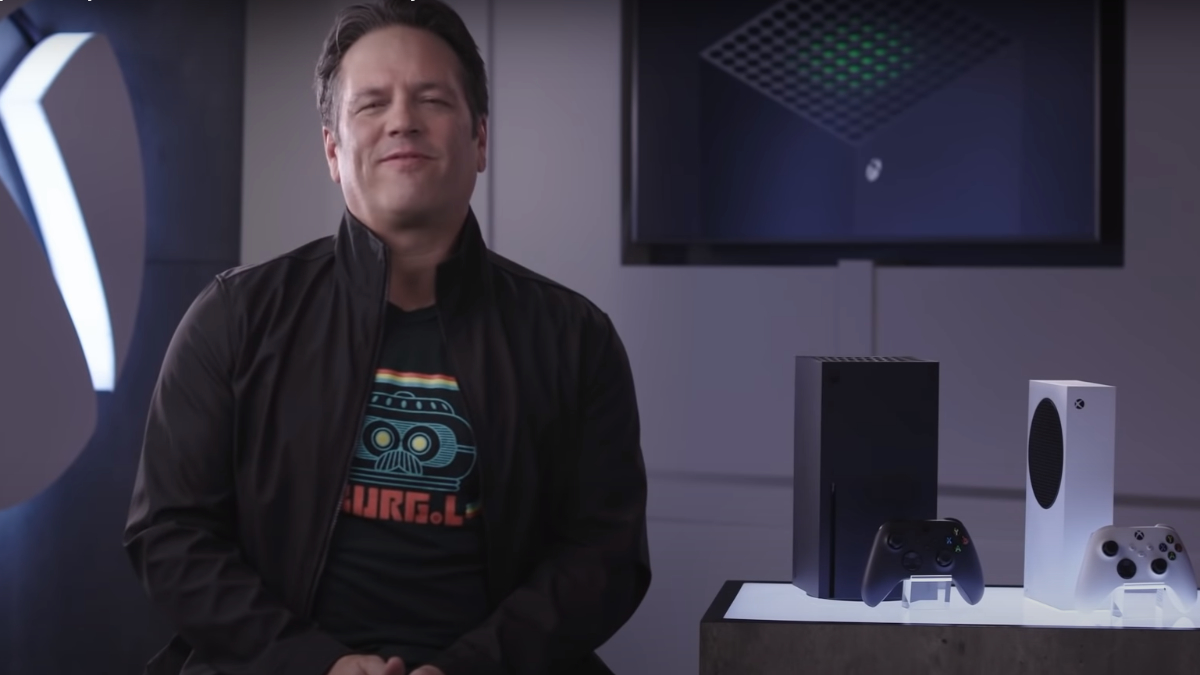
Since he joined Microsoft in 1988 as an intern, Phil Spencer has had many roles inside the company until he became the CEO of Microsoft Gaming. Spencer helped with the launch each Xbox console and more recently, he has helped to completely revamp the Xbox first-party studio line-up through a series of acquisitions. Not only that, but Xbox Game Pass has gone on to become a new pillar for Microsoft's gaming revenue.
The AIAS Lifetime Achievement Award is dedicated to those who've marked the game industry in various fields during their long career through exemplary leadership and ideology. Previous winners of this award include Minoru Arakawa and Howard Lincoln (2006), Ken Kutaragi (2007), Doug Lowenstein (2009), Bing Gordon (2010), Satoru Iwata (2015), and Genyo Takeda (2017).
The 25th annual D.I.C.E. Awards ceremony will be held at the Mandalay Bay Resort in Las Vegas on February 24th at 8 PM PT/4 AM GMT (February 25th).
Discuss on our Facebook page, HERE.
KitGuru says: Do you think Phil Spencer deserves this award? Who else should AIAS consider for the Lifetime Achievement Award?