KitGuru KitGuru.net – Tech News | Hardware News | Hardware Reviews | IOS | Mobile | Gaming | Graphics Cards


AMD’s Ryzen 5 5600X and Ryzen 7 5800X have been the company’s go-to six-core and eight-core models since their introduction in late 2020. Healthy performance offerings coupled with numerous price drops made them firm fan favourites for a long period of time. But in late 2021, Intel struck back with formidable competitors in the 12th Gen Alder Lake line-up – most notably the sub-£300 Core i5-12600K.
AMD knew that a retaliation blow was a necessity, particularly given the hefty price drops already applied to Ryzen 5 5600X and Ryzen 7 5800X SKUs. And this is where the new, lower-cost Ryzen 7 5700X and Ryzen 5 5600 come into the picture.
Timestamps
00:00 Start
01:00 AMD 5700X / 5600 details
04:04 Comparison procedures
05:49 Clock speeds
06:47 Test results
09:07 Gaming results
12:05 Power Consumption
12:57 CPU temperatures
13:37 Precision boost Overdrive tuning
14:15 Manual overclocking
15:15 Overclocked results
16:07 Luke's closing thoughts
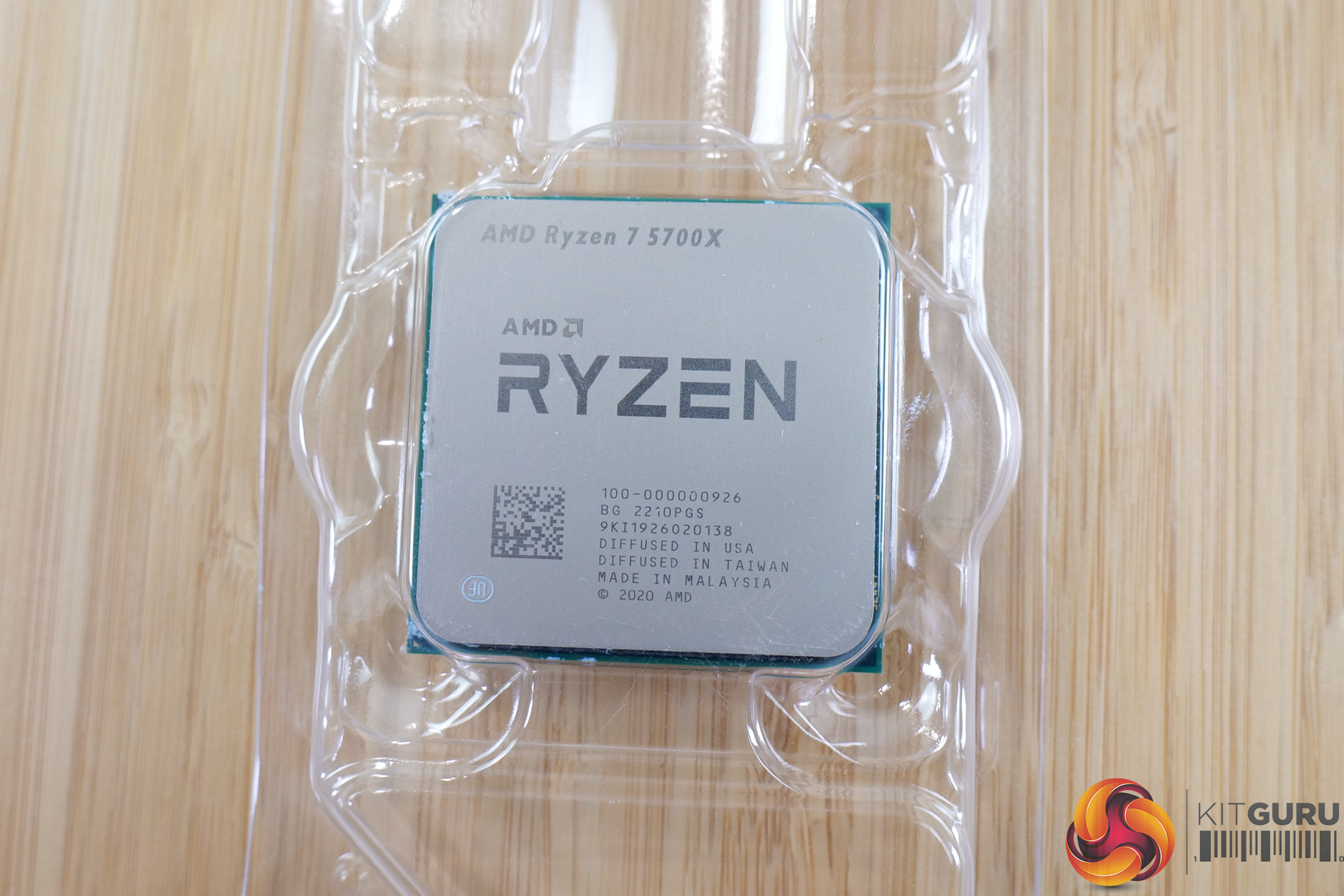
Ryzen 7 5700X has 8 cores and 16 threads with 36MB of total cache – 32MB of which is L3. Base clock is listed at 3.4GHz – 400MHz slower than the 5800X – and maximum boost clock is 4.6GHz – 100MHz slower than the 5800X.
Notably, the 5700X’s TDP is 65W rather than the 105W of the 5800X. This will likely have a considerable influence on the actual Precision Boost 2 operating speeds of both chips. Particularly as neither come with a boxed cooler and so a good AIO or air heatsink is anticipated for usage.
In the UK, the Ryzen 7 5800X is around £290-310, but mainly around £310. Whereas the new 5700X is around £270. Intel’s notable competitor is the £270 Core i5-12600K that features six Performance cores and 4 Efficient cores for sixteen total threads.
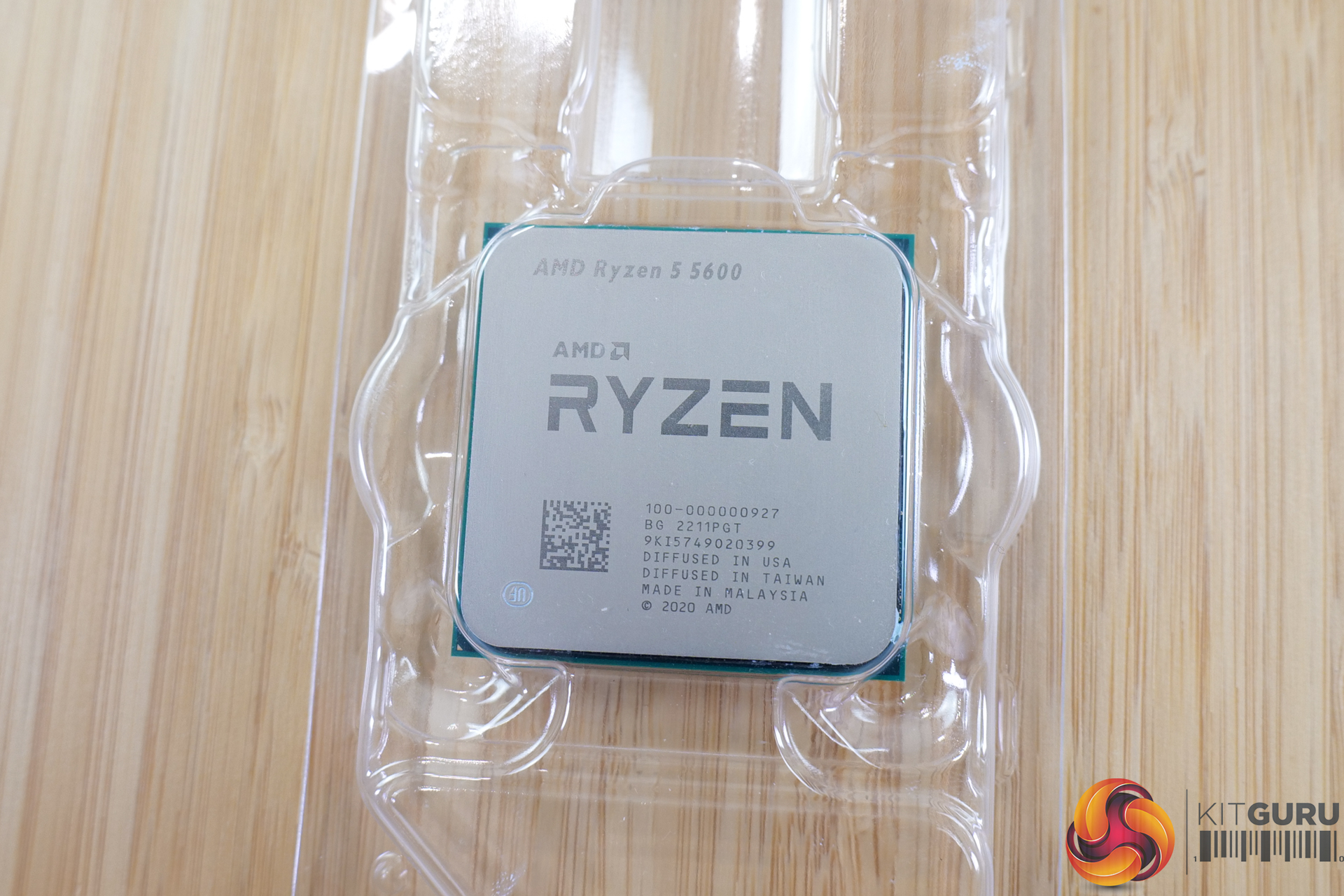
Ryzen 5 5600 has 6 cores and 12 threads with 32MB of L3 cache and 3MB of L2 cache. Base clock is listed at 3.5GHz – 200MHz slower than the 5600X – and maximum boost clock is noted as 4.4GHz – 200MHz slower than the 5600X, though this remains to be seen in actual operation.
TDP for both Ryzen 5 chips is 65W and they both ship with the same AMD Wraith Stealth CPU cooler. So, I am anticipating very comparable real-world operating clocks from both of the Ryzen 5 parts. And if that is the case, it may make the newer – cheaper – Ryzen 5 5600 a bit of a bargain compared to its X-specced sibling.
The 5600X street price is around £190-210, but mainly £210. The new Ryzen 5 5600 is £180. Intel’s £165, twelve-thread Core i5-12400F is the notable competitor.
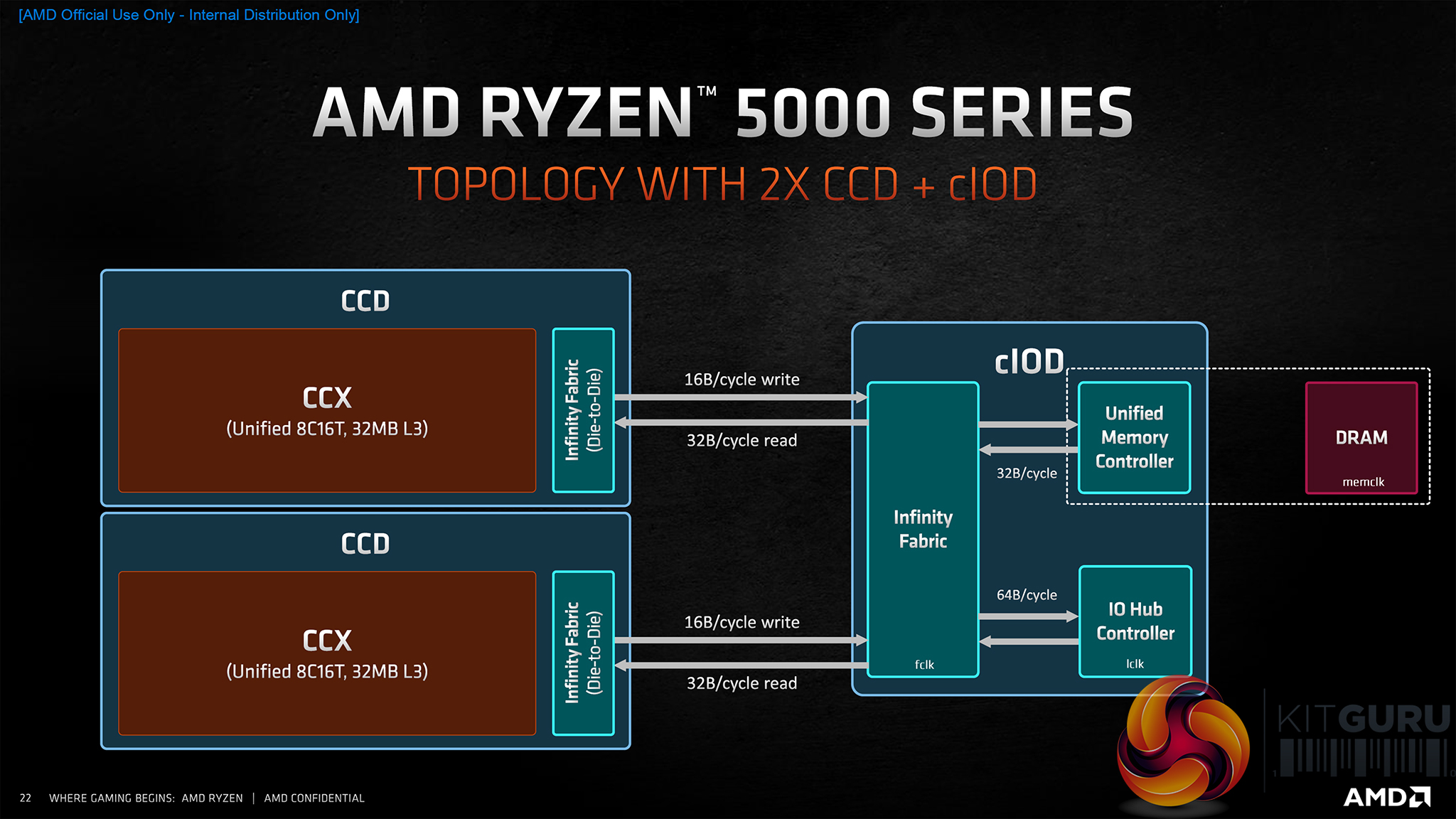
For completeness, the new processors use the same single Zen 3 chiplet built on TSMC’s 7nm process technology alongside the standard 12nm-built Ryzen 5000 IO Die.
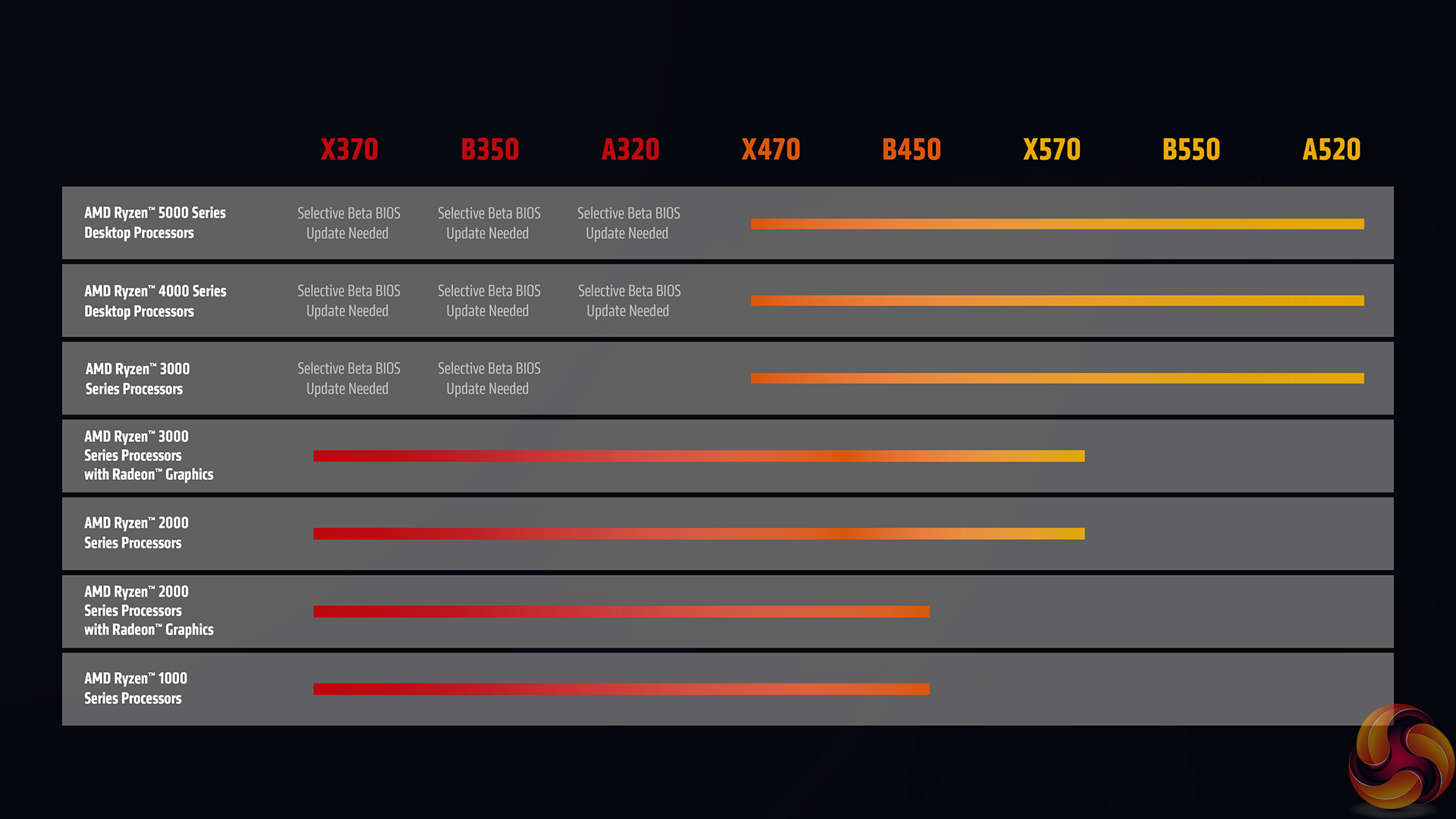
If we focus on the platform for these new Ryzen chips, AMD looks to have a strong advantage versus Intel’s competing solution when it comes to ease-of-deployment. Users on older B450 or X370 motherboards who want a quick, drop-in upgrade aren’t going to care that the expensive Z690 platform is more feature rich and supports DDR5.
With that said, those opting for a brand-new motherboard alongside their non-K Intel processor will likely find the B660 platform to be a strong – albeit more expensive – contender to AMD’s B550 solutions.