KitGuru KitGuru.net – Tech News | Hardware News | Hardware Reviews | IOS | Mobile | Gaming | Graphics Cards


Following on from recent leaks, Nvidia has officially announced the GTX 1630. The new entry-level GPU is already available in numerous designs from board partners, but early pricing leaves a lot to be desired.
Nvidia's announcement confirmed most of the rumours we've been sharing. The new graphics cards will be based on the Turing TU117-150 graphics processor with 512 CUDA cores. The GPU's base reference clock is set at 1,740GHz, but it can boost to 1,785GHz. For the memory, there's 4GB of GDDR6 memory across a 64-bit memory bus. All this comes in a 75W TDP.
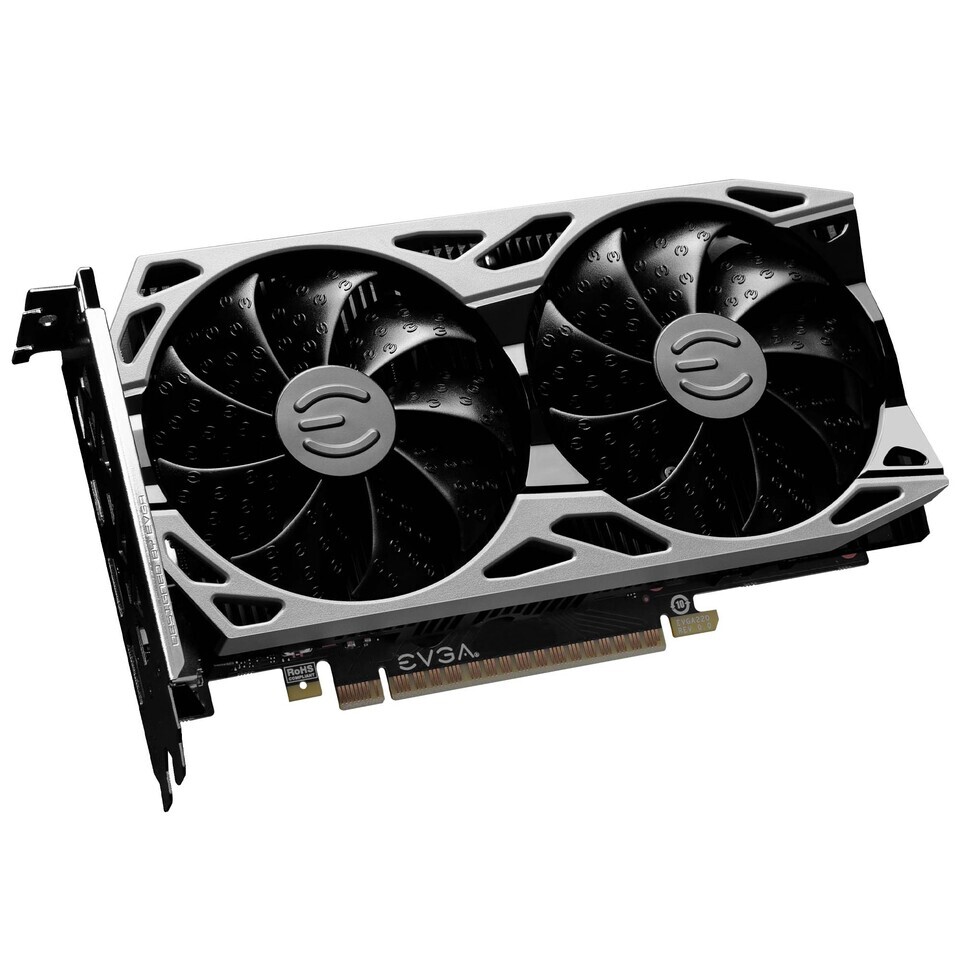
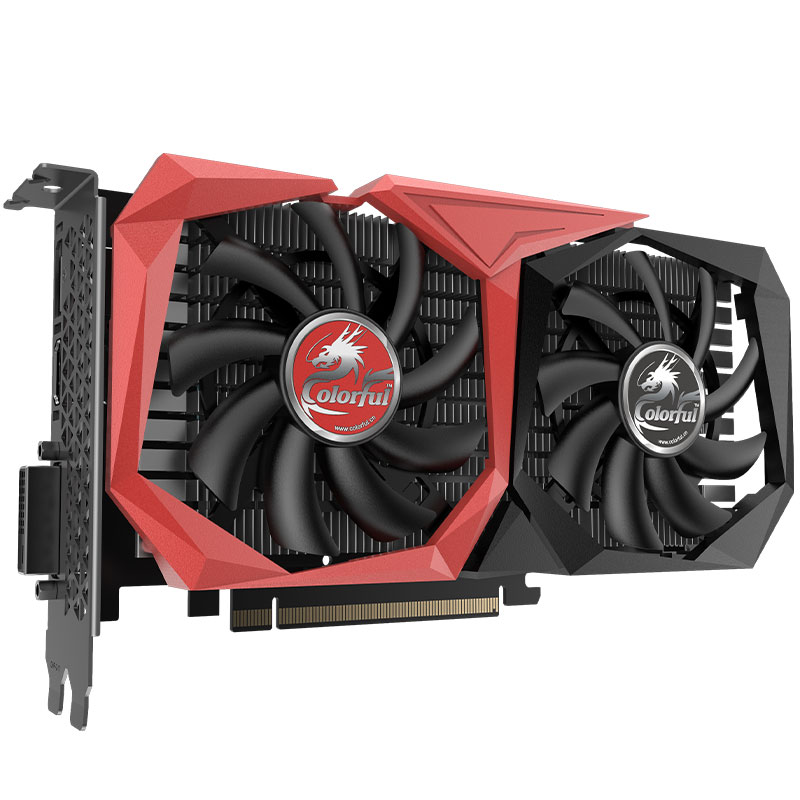
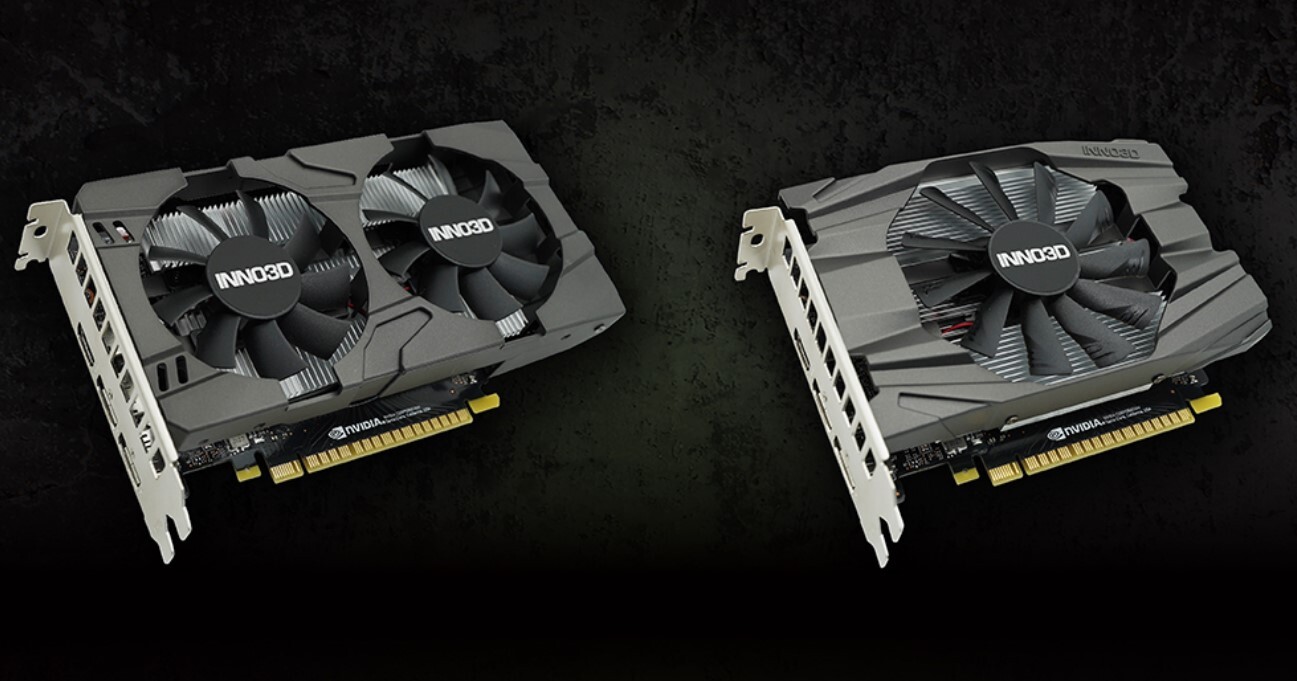
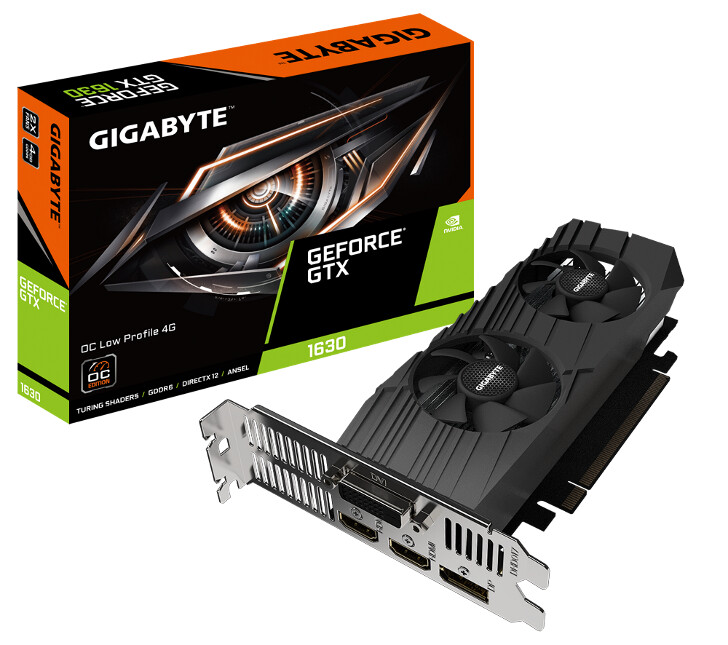
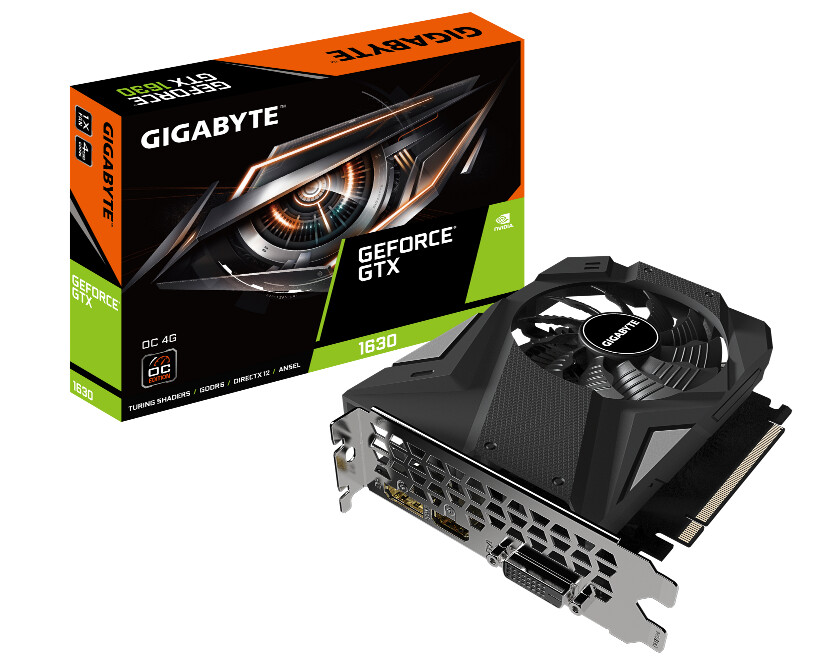
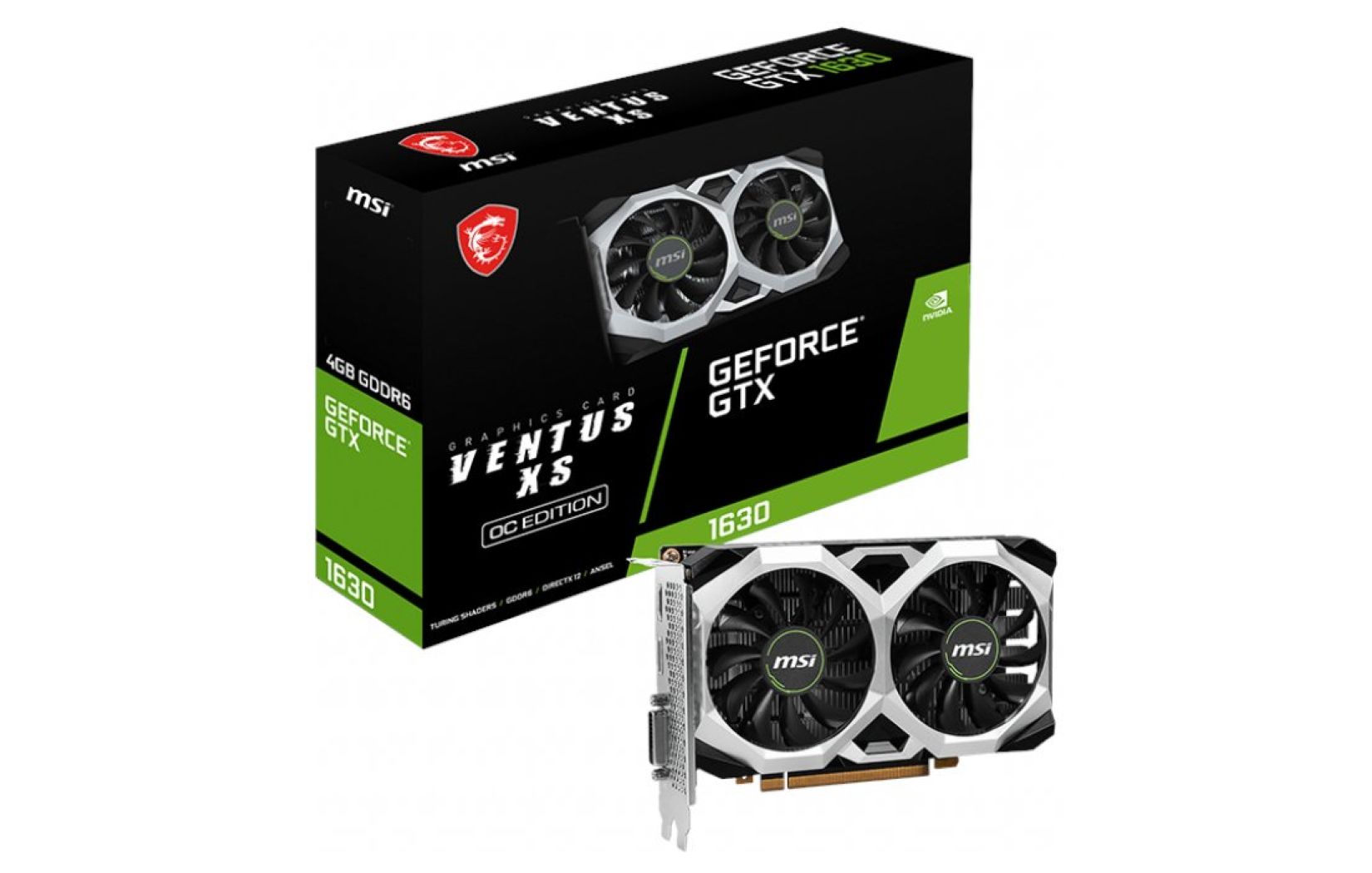
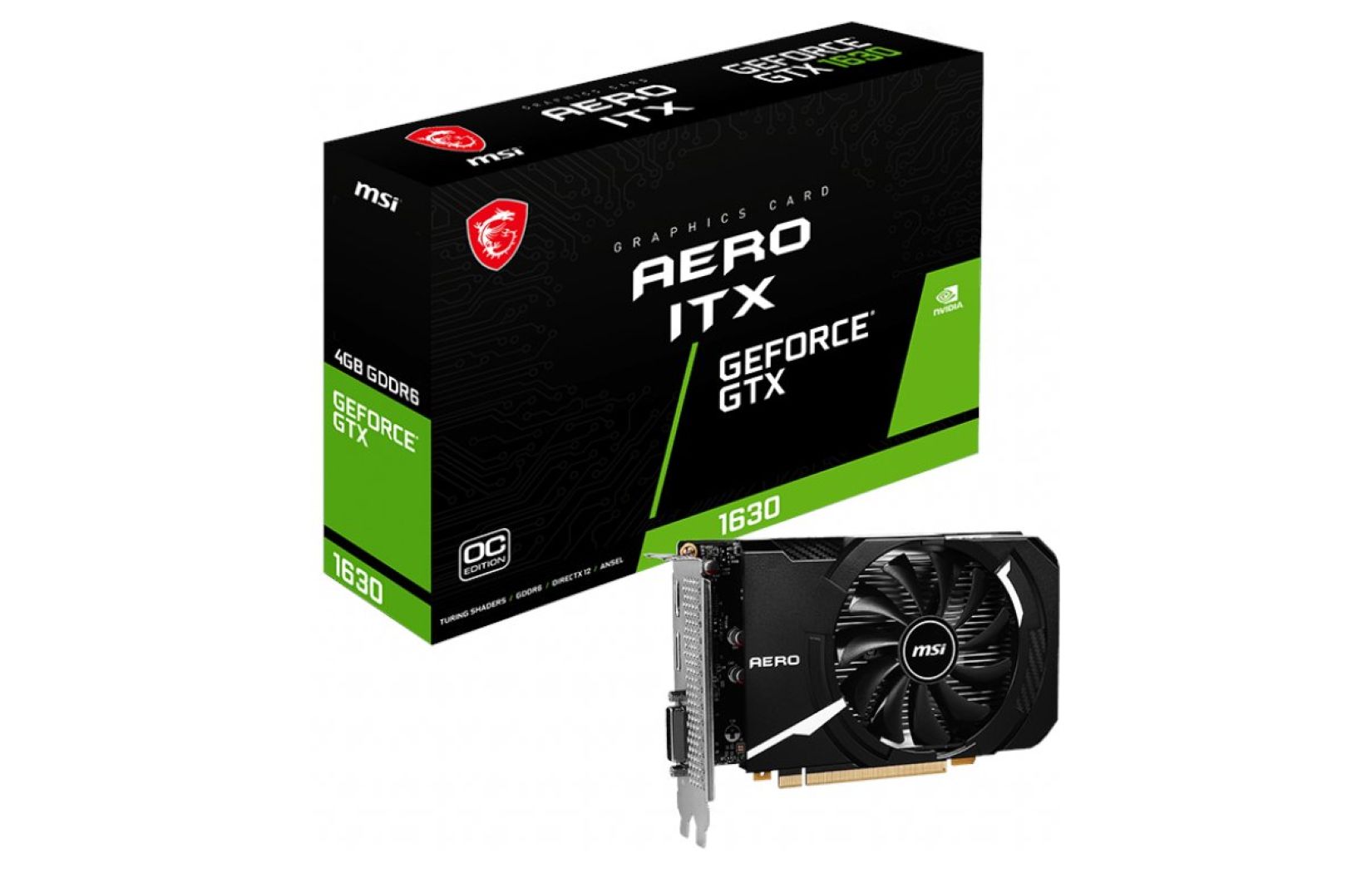
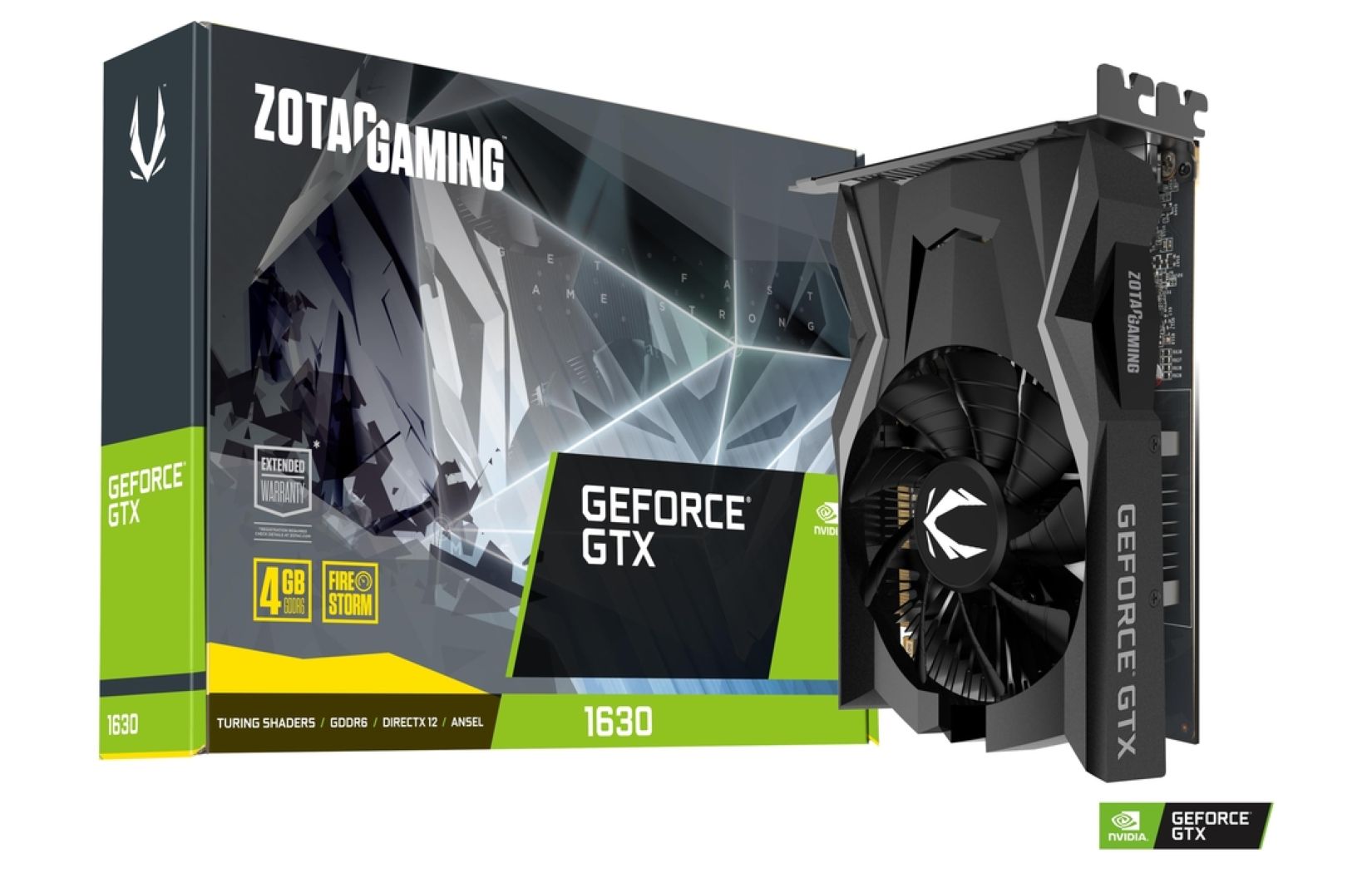
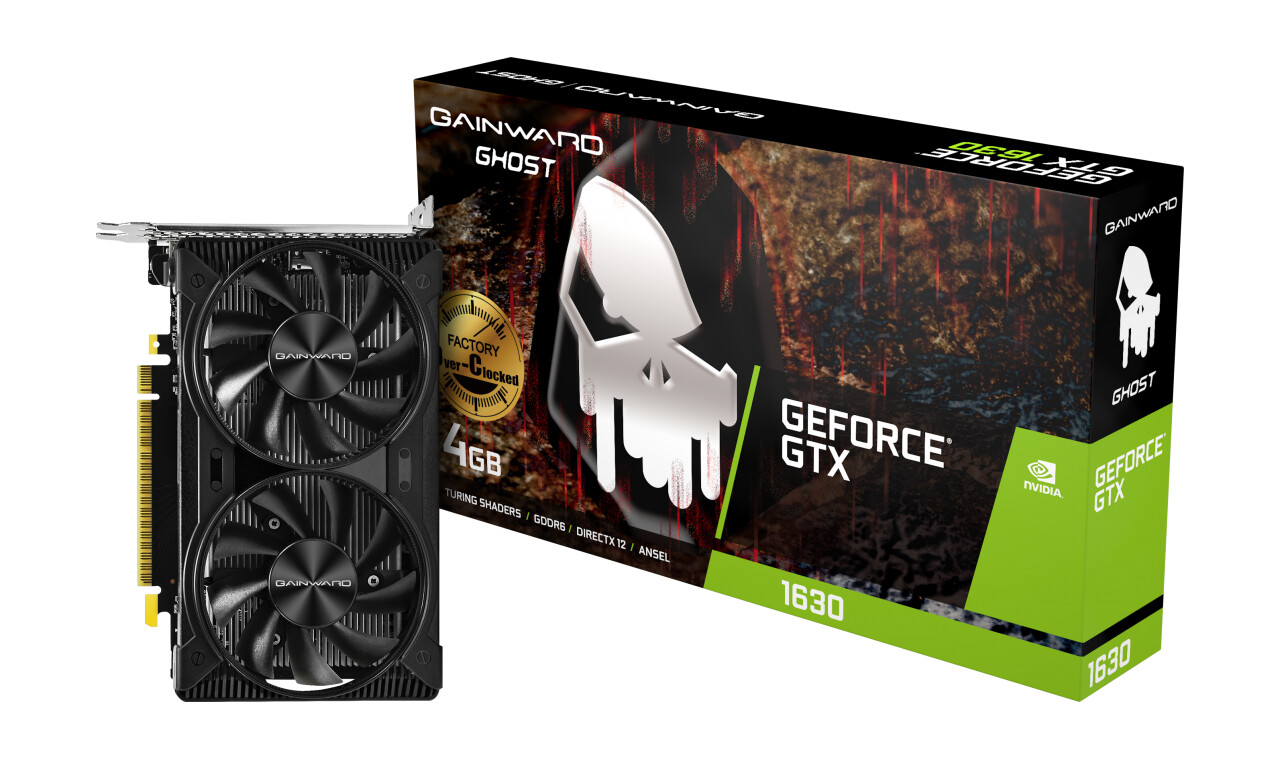
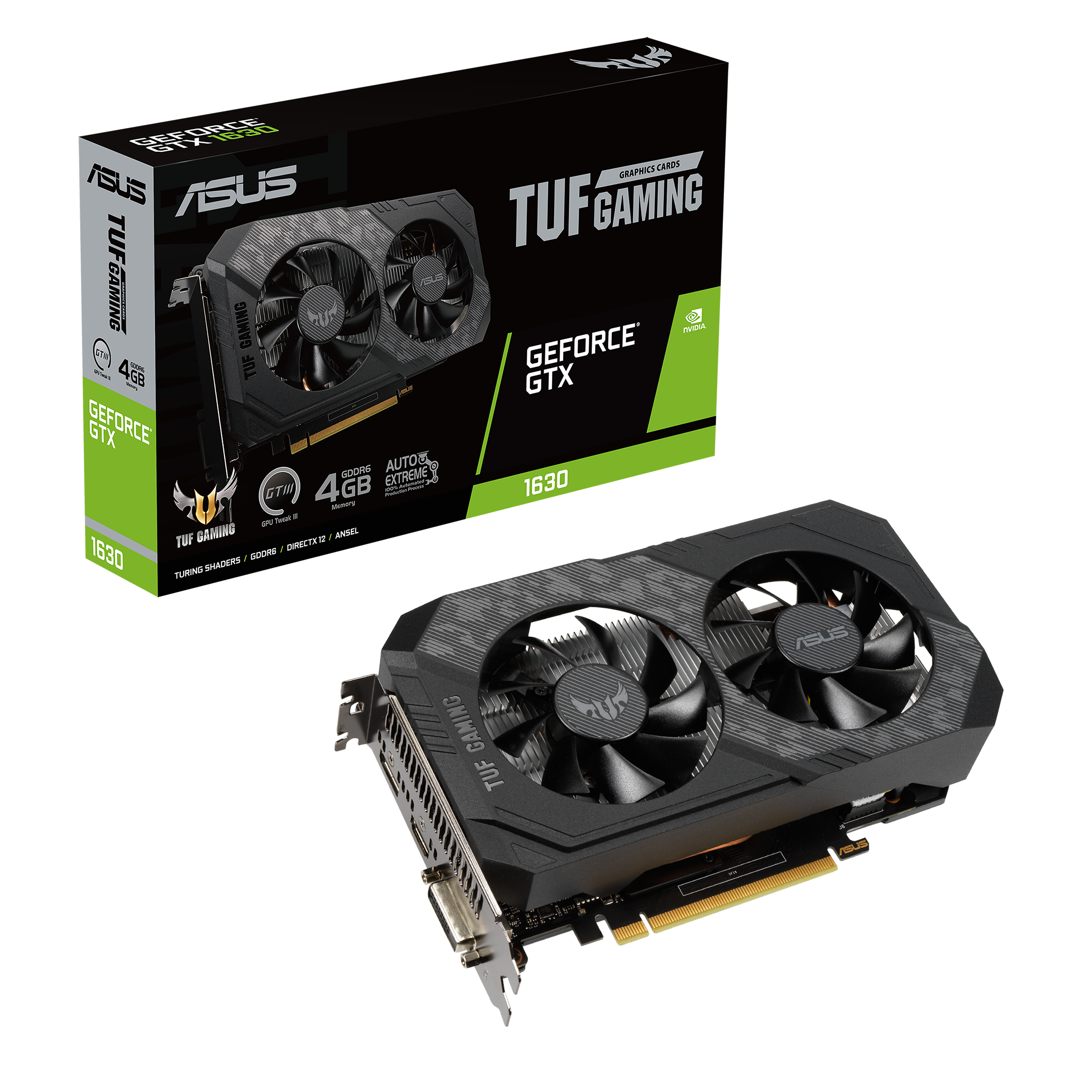
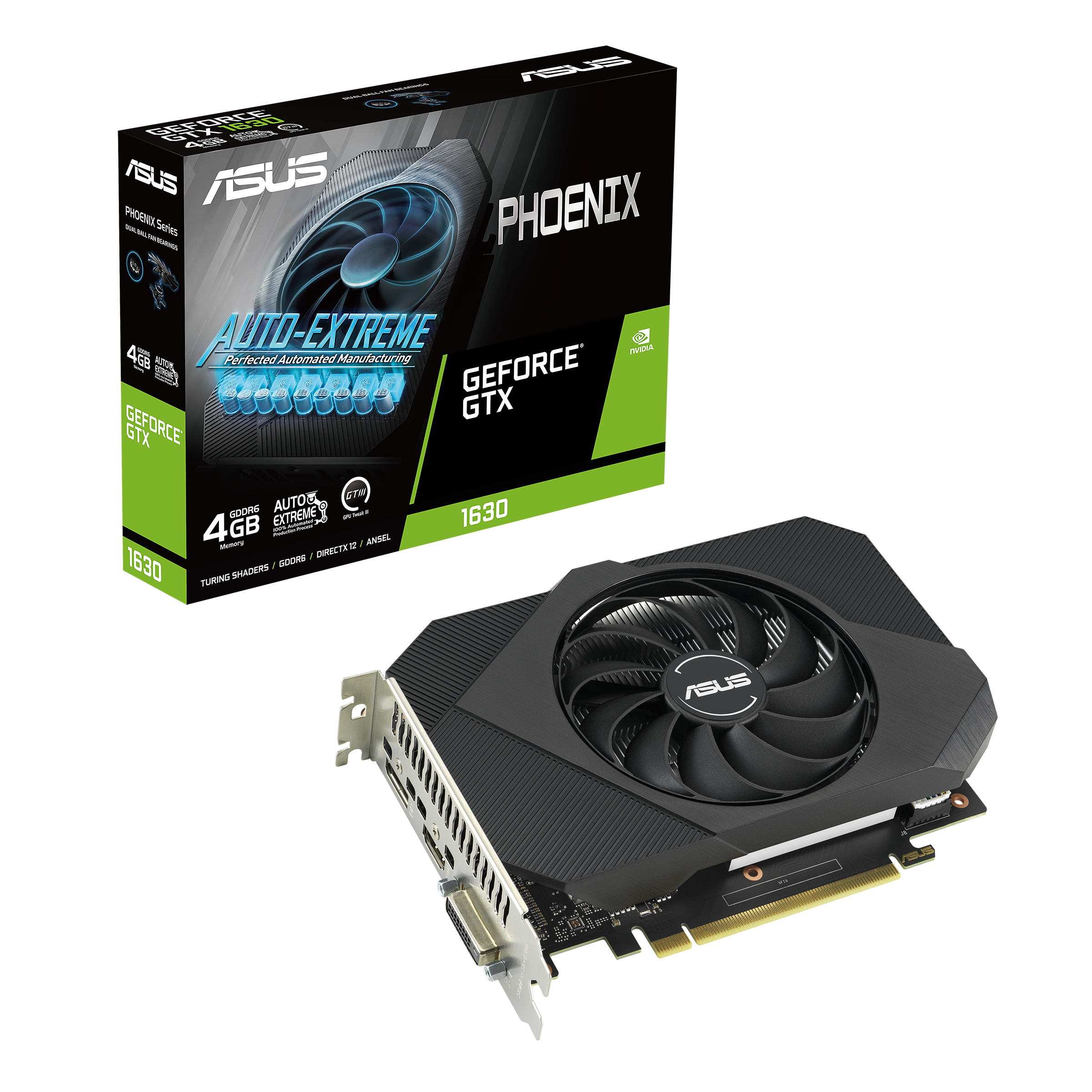
ASUS, MSI, EVGA, Colorful, Gigabyte, Zotac, Gainward, and Inno3D have already revealed their GTX 1630 cards. Most use the same cooling solutions and PCB designs as the GTX 1650 but don't expect the same level of performance.
While Nvidia didn't publicly announce an MSRP for the GTX 1630, board partners have revealed their own launch prices. Staggeringly, EVGA wants $199.99 for its GTX 1630, and Colorful is looking to charge $169.99. With that in mind, we can assume most other GTX 1630 models to fit between the $150 and $200 price bracket.
Discuss on our Facebook page, HERE.
KitGuru says: Considering the prices we are seeing, it might be difficult to recommend the GTX 1630. We have a review on the way, so stay tuned for more coverage soon.