KitGuru KitGuru.net – Tech News | Hardware News | Hardware Reviews | IOS | Mobile | Gaming | Graphics Cards


We are just a few days away from Spider-Man Remastered finally hitting PC. The new version will support a number of PC features, including real-time ray tracing. With that in mind, Nvidia has rolled out a new Game Ready driver adding in optimisations for the game.
Today, Nvidia released the latest GeForce Game Ready driver, complete with day-one optimisations for Spider-Man Remastered, as well as Madden NFL 23 and SUPER PEOPLE, which enters beta later this month.
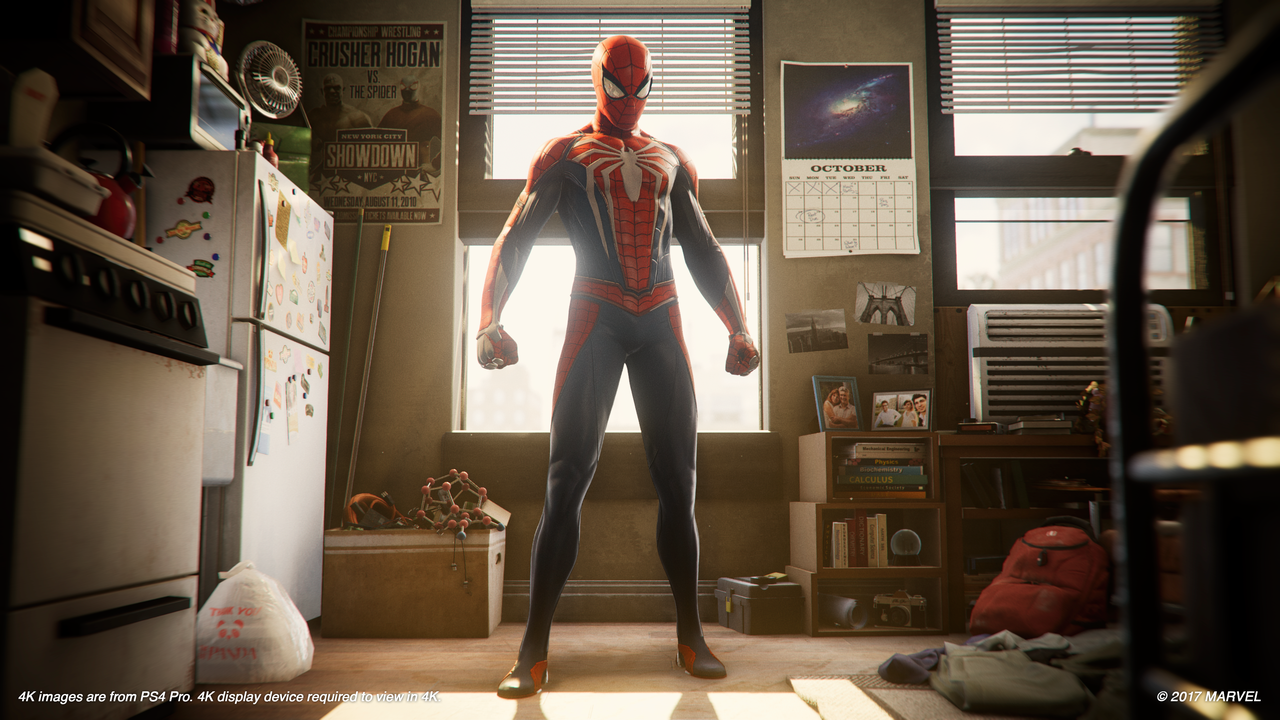
Spider-Man Remastered is the headliner here, sporting ray-tracing, Nvidia's HBAO+ ambient occlusion, and other PC features like an uncapped frame rate, higher resolution shadows and textures, increased level of detail and other quality enhancements.
The new driver also adds support for 18 new G-Sync Compatible gaming monitors, including: Support for 18 new G-SYNC Compatible gaming displays, including:
- Acer XB273U Z
- ASUS XG256Q
- ASUS XG276Q
- ASUS PG48UQ
- AOC Q24G2
- Corsair 32UHD144
- LG 32GQ850
- LG 32GQ950
- LG 48GQ900
- LG 49WQ95C
- LG TV LX1Q
- Philips 27M1N5200PA
- Philips 27M1N5500ZA
- Philips 77OLED807/12
- Philips PHL24M1N5500Z
- Philips PHL252M1RPE
- Philips PHL27M1N3200Z
- Philips PHL27M1N5200P
You can download the new 516.94 GeForce driver now, either manually through the Nvidia website, or through the GeForce Experience app.
Discuss on our Facebook page, HERE.
KitGuru Says: Spider-Man is just days away from a PC release after a lengthy period as a PlayStation exclusive. Sony has done well with its other PC ports so far, and hopefully that continues with this latest release. Are you planning on picking up Spider-Man later this week?