KitGuru KitGuru.net – Tech News | Hardware News | Hardware Reviews | IOS | Mobile | Gaming | Graphics Cards


The PC market enjoyed booming demand over the pandemic but things have dropped off considerably over the course of 2022. With low demand creeping in, AMD has reportedly reduced its production order for new Ryzen 7000 series CPUs.
You should have noticed by now that building a new PC with a Ryzen 7000 series chip is far from cheap. The platform is more expensive than initially expected, with the most affordable motherboards going north of £150. Even if they now support DDR5 and PCIe 5.0, the pricing is higher than most are willing to hand out, leading to slower sales.
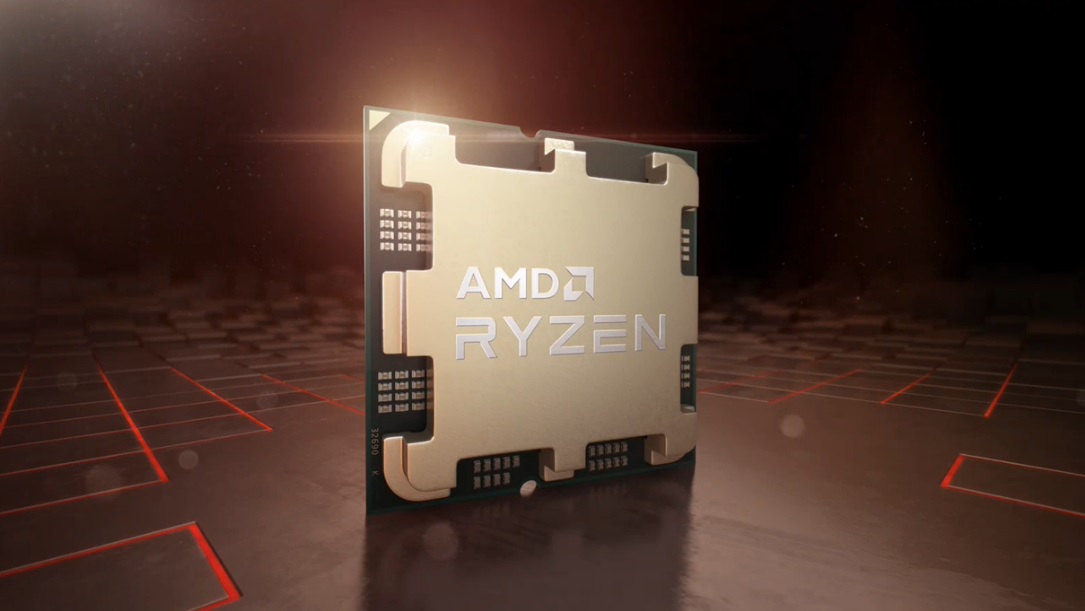
TechEpiphany has been reporting some sales figures, showing a decline in CPU purchases. According to Wccftech, AMD has now asked for a reduction in Ryzen 7000 production, which is being manufactured by TSMC.
Given that Ryzen 7000 series CPUs and new motherboards only just launched in September, it shouldn't be too surprising to hear that prices have not really changed yet. The situation may get a little worse in October though, as Intel's 13th Gen Core CPUs will be compatible with older 600-series motherboards. This would make the upgrade path cheaper for Intel users who may have otherwise switched to the most recent Ryzen lineup.
Discuss on our Facebook page, HERE.
KitGuru says: Are you planning on getting a Ryzen 7000 series CPU, or are you waiting for Intel's new desktop processors before making a decision?