KitGuru KitGuru.net – Tech News | Hardware News | Hardware Reviews | IOS | Mobile | Gaming | Graphics Cards


The Asus ROG Ally only just launched in 2023, being the first handheld gaming device to use AMD's new Ryzen Z1 processors. Now, it would seem that Asus is swiftly moving on to the Ally 2, with plans for an upgraded model later this year.
In an interview with Techlusive, Asus India VP for Consumer and Gaming PC, Arnold Su, claimed the company is expected to introduce a second iteration of the gaming handheld in 2024.
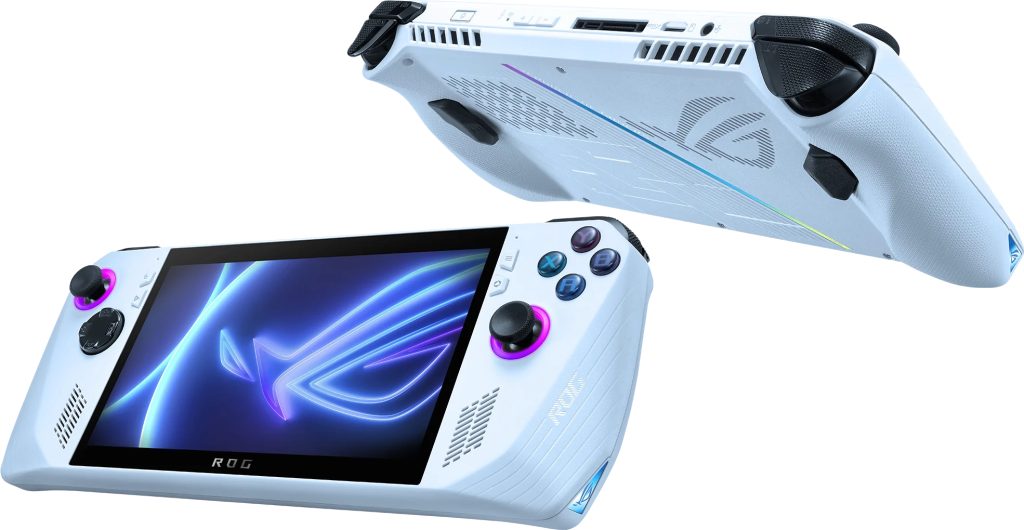
Arnold also verified that the company had supplied over 70,000 devices in India alone, with most of these customers being early adopters. There is no official data for other countries, but considering this was the first high-end Windows handheld on the market, Asus is probably happy with the results.
Asus working on a second-generation Ally comes as no surprise. MSI, which just revealed its Claw console, said they are working on the second, third, and even fourth generations of the Claw, even though the first version has yet to be launched.
Although it's still too early to know what hardware the next-generation ROG Ally will have, one can't just ignore that it matches the release of the AMD Strix Point APU series. If it featured one of these APUs, it would pack more cores (4x Zen5+, 8x Zen5c) and higher GPU capabilities, courtesy of the 16 CU RDNA 3.5 graphics subsystem.
Discuss on our Facebook page, HERE.
KitGuru says: Do you own a ROG Ally? Are you happy with it? Would you consider getting its successor?