KitGuru KitGuru.net – Tech News | Hardware News | Hardware Reviews | IOS | Mobile | Gaming | Graphics Cards


Smartphones nowadays can do a whole bunch of stuff. From running console-quality titles like Genshin Impact to thousands of classic, retro or even modern games through emulation. Razer has been one of the core companies supporting the platform with its Kishi brand of mobile controller accessories – the latest of which is the tablet-compatible ‘Razer Kishi Ultra’.
Described as “THE GOD-TIER OF MOBILE GAMING” and costing a hefty £149.99, the Razer Kishi Ultra takes much of its hardware from the Kishi V2 but alters it for greater adaptability.
As is in the name itself, the Kishi Ultra is able to support a much wider range of screen sizes. While it will still work on your regular smartphone, the Kishi Ultra also offers enough stretch to fit up to 8-inch tablet devices.
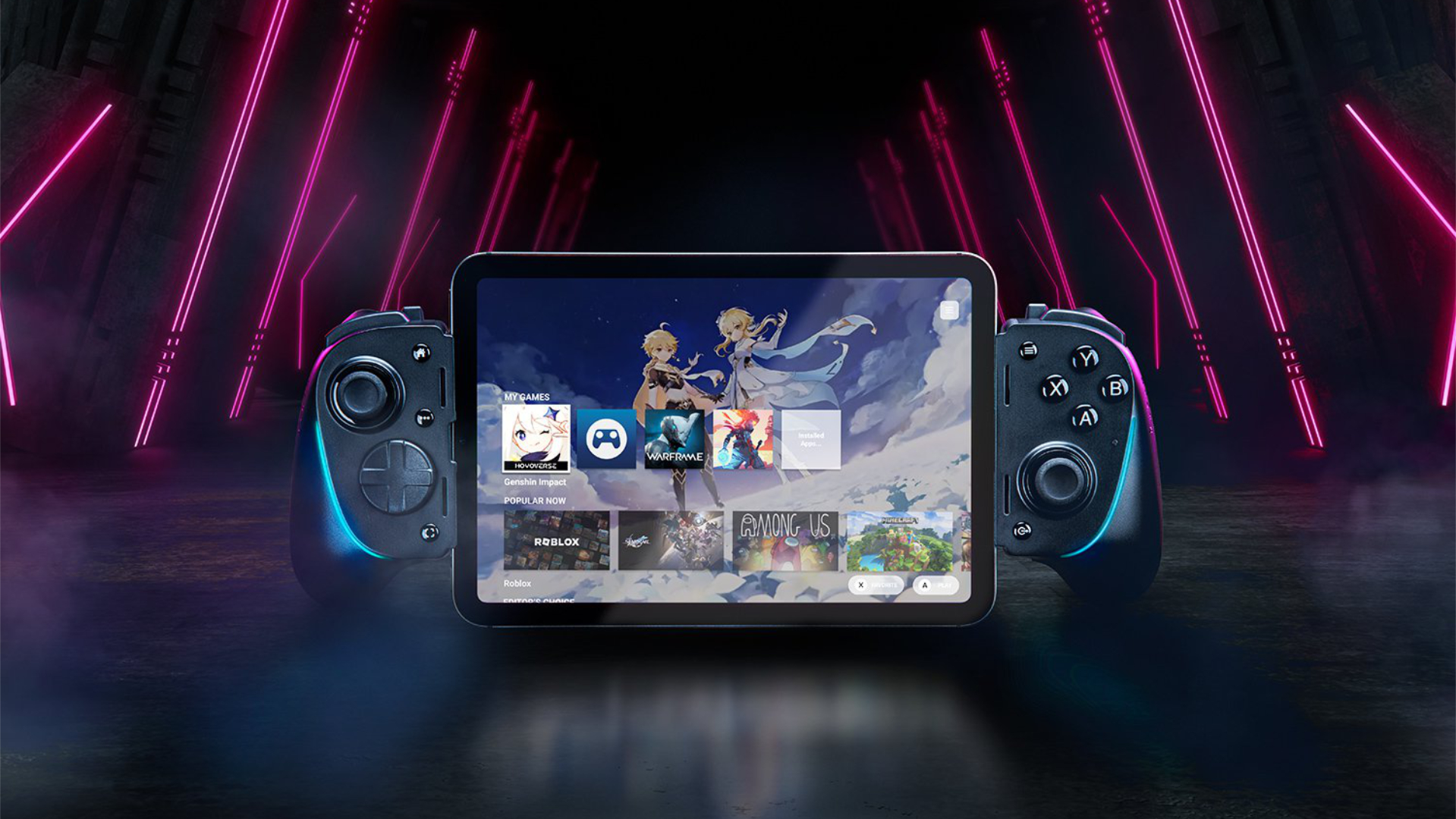
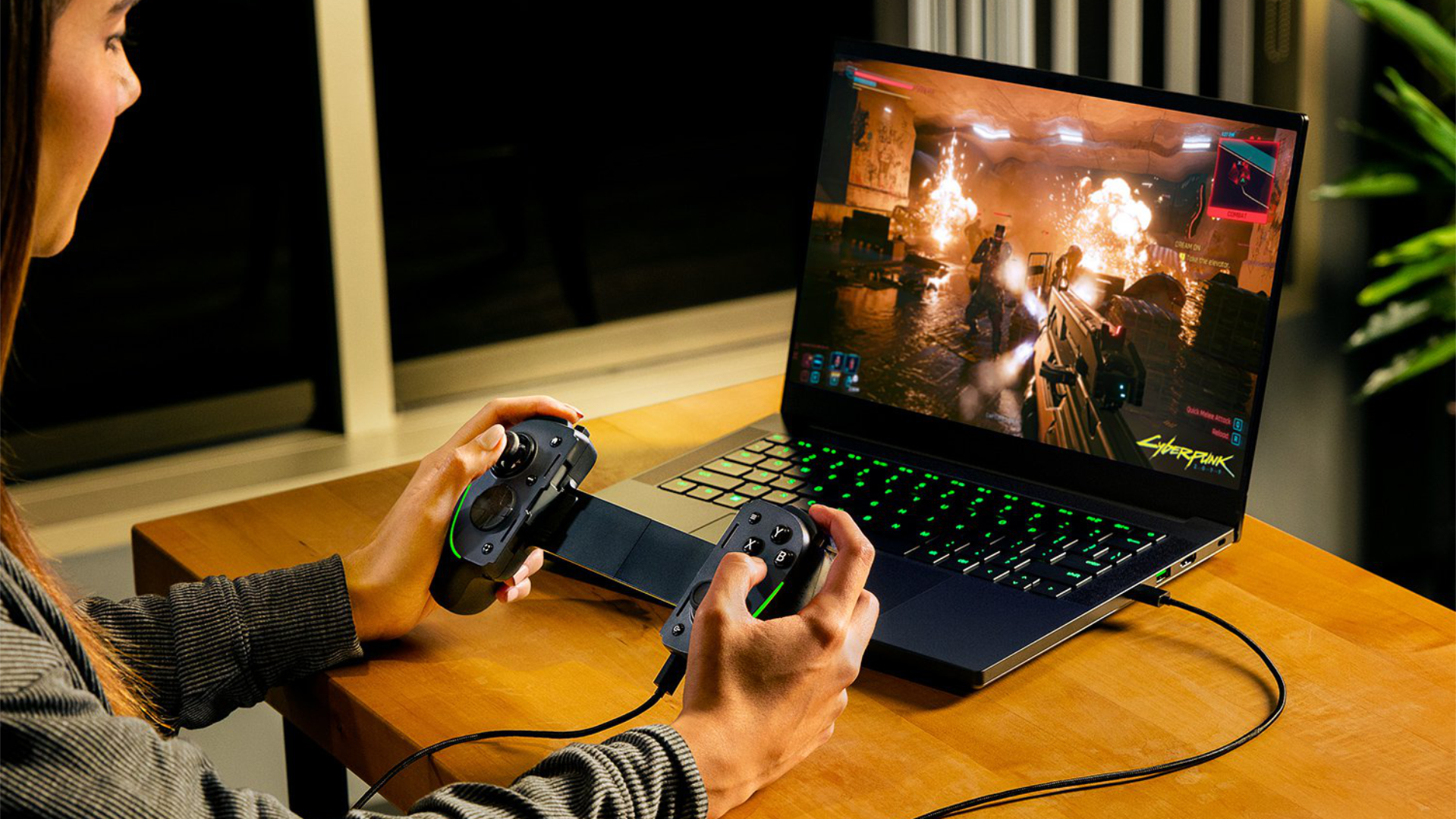
Alongside this, the Ultra also adds a few new extras in the form of Razer Sensa HD Haptics for added immersion – as well as the expected suite of customisable RGB lighting.
As mentioned, the controller connects through USB-C for minimal latency, alongside passthrough charging and external data connection – meaning it can be used as a standalone controller (even if it would look a bit odd doing so).
Costing twice as much as a PS5 DualSense controller, the Razer Kishi Ultra won’t be for everyone. That said, for those who enjoy mobile gaming in all forms, the Kishi Ultra might be exactly what you were looking for.
Discuss on our Facebook page HERE.
KitGuru says: What do you think of the Kishi Ultra? Is the price too steep? What type of gaming do you do on mobile? Let us know down below.