KitGuru KitGuru.net – Tech News | Hardware News | Hardware Reviews | IOS | Mobile | Gaming | Graphics Cards


After eight years of development, PlayStation's new shooter Concord made its PC debut to a tepid reception, failing to attract even 700 players on Steam at launch. This lacklustre start starkly contrasts the success of Helldivers 2, another live-service game from PlayStation that launched earlier this year.
Concord and Helldivers 2 are two multiplayer-focused titles priced at £34.99 and were released on PC and PS5. While Helldivers 2 quickly amassed over 400,000 players on Steam and achieved notable success, Concord has struggled to generate the same level of enthusiasm, as seen by the data from SteamDB.
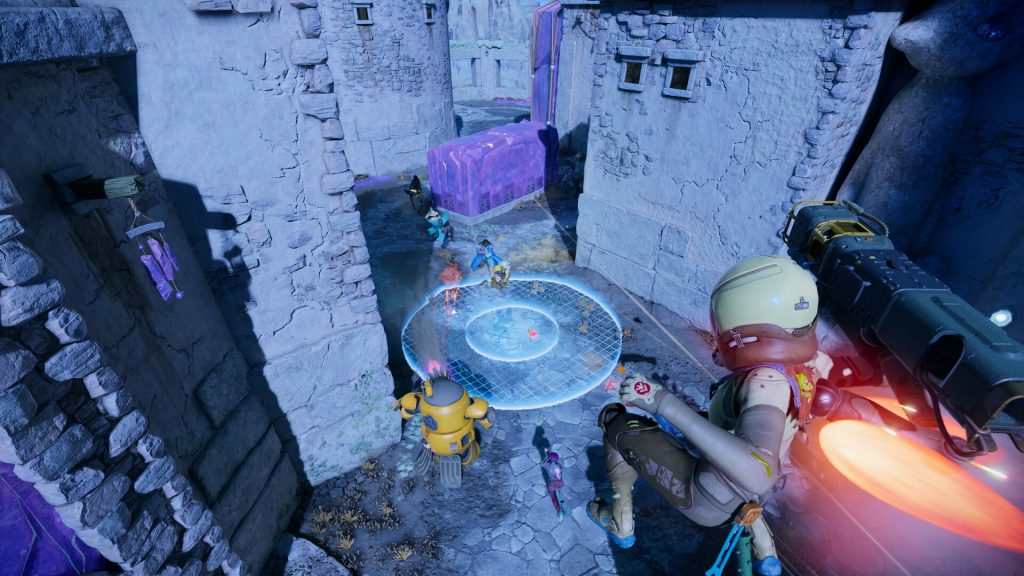
Several factors contributed to Concord's underwhelming launch. The competitive nature of the hero shooter genre, dominated by free-to-play juggernauts like Overwatch 2 and Valorant (and possibly the upcoming Marvel Rivals), posed a significant challenge. Despite being in development for over eight years, Concord failed to offer anything innovative to set it apart in such a fiercely contested market.
Although Concord has received mostly positive Steam reviews, boasting a 73% approval rating, the limited number of reviews, approximately 500, indicates low player engagement. Furthermore, the game faced additional challenges as it debuted on the same day Valve pulled the curtain on Deadlock, the developer's upcoming MOBA shooter.
Despite the rocky start, the developers remain optimistic about Concord's prospects for recovery. However, the road ahead appears challenging with intense competition and a saturated market.
Discuss on our Facebook page, HERE.
KitGuru says: What do you think went wrong with Concord for it to have such a low player count? Should the developers consider a pivot to a Free to Play model to keep up with similar shooters on the market?