KitGuru KitGuru.net – Tech News | Hardware News | Hardware Reviews | IOS | Mobile | Gaming | Graphics Cards


Asus has expanded its flagship gaming monitor lineup with the ROG Strix OLED XG27UQDMS, bringing high-refresh 4K gaming to a smaller display size. This model is built around a third-generation QD-OLED panel designed to balance the motion clarity required for competitive games with the image quality that users want for their favourite AAA titles.
While its 4K resolution (3840 x 2160) provides a high pixel density for sharp text and imagery, the XG27UQDMS's (via NotebookCheck) headline feature is the 240 Hz native refresh rate, delivering fluid visuals previously limited to lower-resolution panels. The display has a 0.03 ms GTG response time, eliminating motion blur even in fast-paced competitive shooters. For HDR enthusiasts, the XG27UQDMS carries a VESA DisplayHDR 400 True Black certification, hitting a peak luminance of 1000 nits (at 3% APL) and a static contrast ratio of 1,500,000:1. The panel covers 99% of the DCI-P3 colour gamut with native 10-bit colour depth, ensuring colour accuracy that meets professional creative standards out of the box.
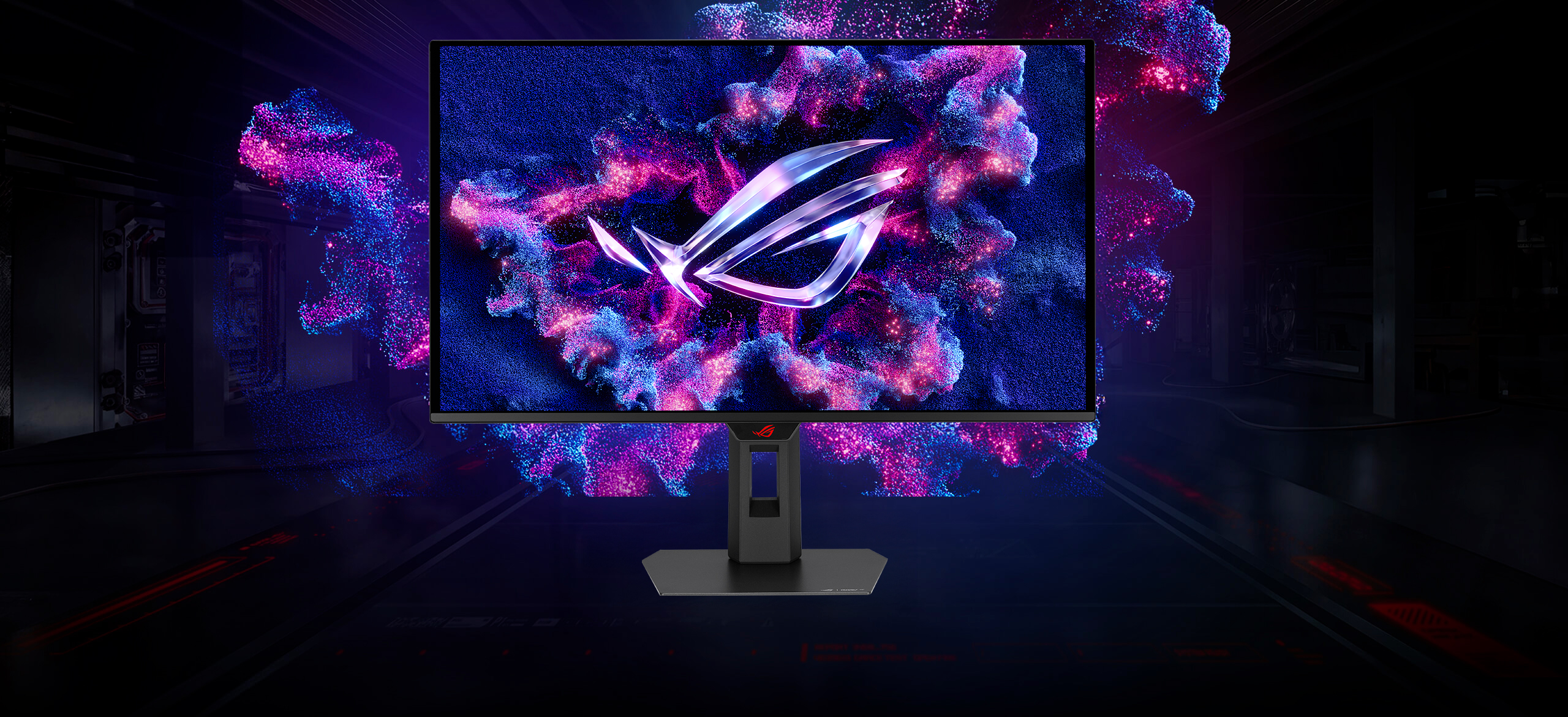
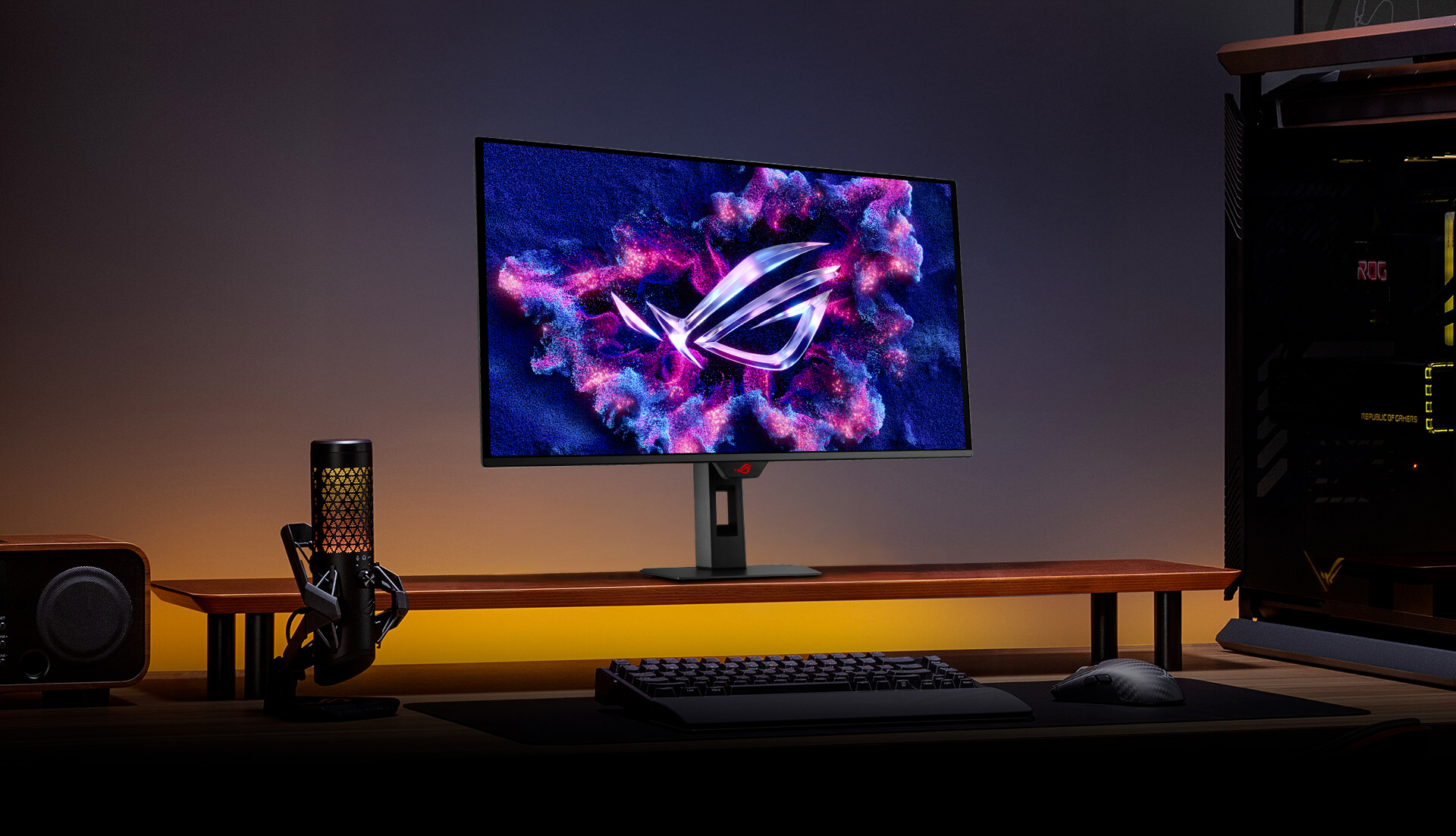
To safeguard the longevity of the organic pixels, Asus has integrated its ROG OLED Care Pro suite, which includes a Neo Proximity Sensor that automatically dims or blacks out the screen when the user is not detected. Connectivity is geared toward the modern enthusiast, featuring two HDMI 2.1 ports with full 48 Gbps bandwidth and a DisplayPort 1.4 with Display Stream Compression (DSC). Asus also includes a versatile stand with a small footprint, a mobile device groove, and a built-in tripod socket for streamers.
For gaming-specific optimisation, the monitor utilises ROG Gaming AI features, such as Dynamic Shadow Boost and Dynamic Crosshair, as well as offering support for FreeSync Premium Pro and G-Sync compatibility. The display is now available to pre-order in some retailers starting at around £740.
Discuss on our Facebook page, HERE.
KitGuru says: Are you thinking of making the jump to a new OLED monitor this year?