KitGuru KitGuru.net – Tech News | Hardware News | Hardware Reviews | IOS | Mobile | Gaming | Graphics Cards


With user sentiment toward Windows 11 reaching a new low, evidenced by the increasingly popular “Microslop” slang, Microsoft appears to have finally hit the brakes. The software giant is now acknowledging that its aggressive push for AI integration and a “simplified” UI has come at the expense of core OS functionality and system stability. In an update on the Windows Insider Blog, Pavan Davuluri, President of Windows + Devices, outlined a comprehensive strategy to “un-break” the OS by walking back some of its most controversial design choices.
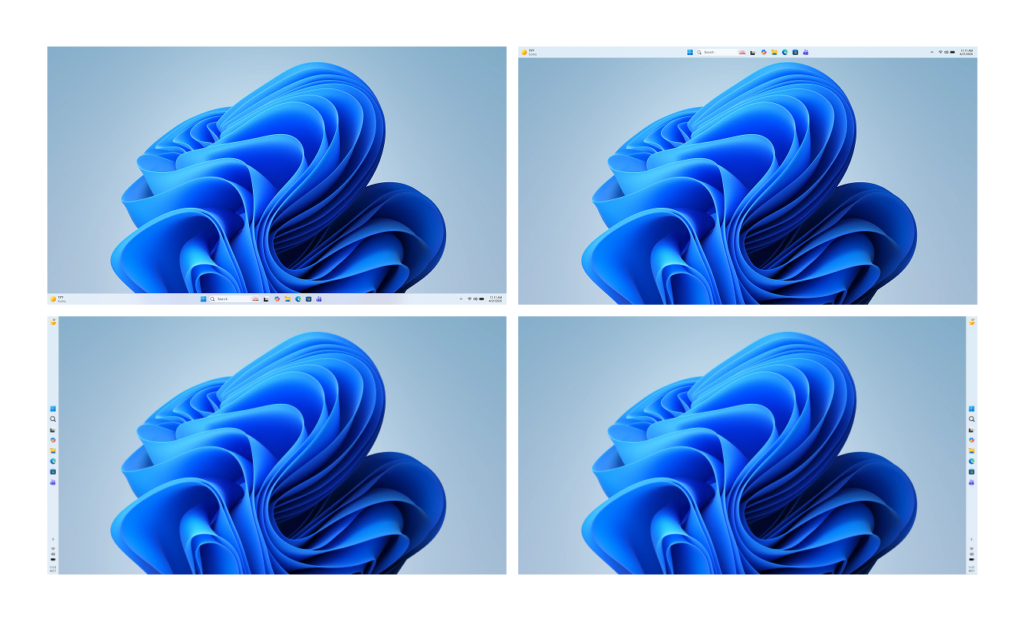
One of the highlights of this revamp, according to the blog post penned by Davuluri, is the long-awaited return of taskbar flexibility. After five years of locking the taskbar to the bottom of the screen, Microsoft is finally re-enabling the ability to move it to the top or sides of the screen. This was one of the most upvoted requests in the Feedback Hub, and its restoration signals a move away from the “we know best” philosophy that has plagued Windows 11 since its inception.
Equally important is Copilot's tactical withdrawal from core system tools. Microsoft is moving toward a “more intentional” implementation of AI, which translates to stripping the assistant out of the Snipping Tool, Photos, Widgets, and Notepad. This shift follows widespread criticism that the company was bloating the OS with half-baked AI “entry points” rather than focusing on performance and reliability.
On the maintenance front, users are finally getting the granular control over updates they have been demanding since the Windows 10 era. The upcoming roadmap includes the ability to pause updates indefinitely, skip them during initial device setup, and the option to shut down or restart a machine without being forced into an update cycle.
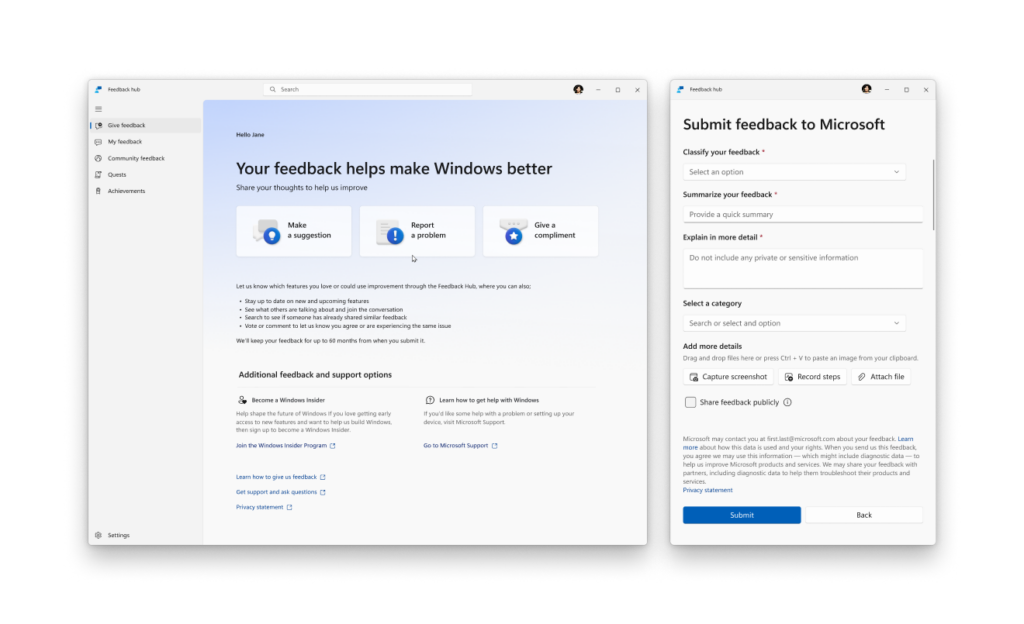
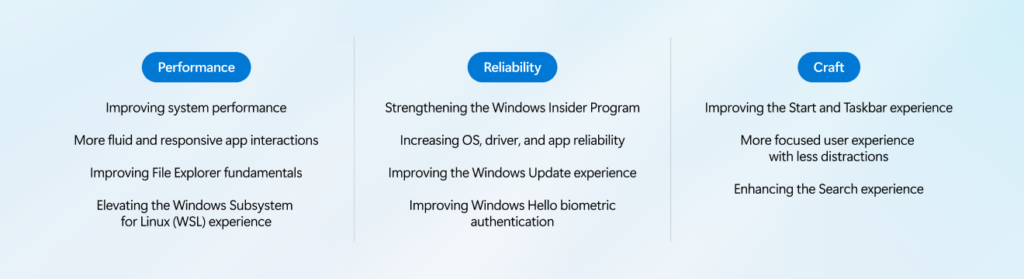
Beyond these UI and policy changes, Microsoft is promising a significant performance overhaul. This includes a major optimisation of File Explorer to reduce navigation latency and speed up launch times, as well as a reduction in the OS's baseline memory footprint. Other improvements include an improved Feedback Hub, Windows Hello biometric authentication, and WSL (Windows Subsystem for Linux), a simpler and more transparent Windows Insider Program, increased OS and app reliability, enhanced search, and a more streamlined UX.
These changes are set to roll out to the Windows Insider Program throughout March and April 2026, but more improvements are expected throughout the remainder of the year.
Discuss on our Facebook page, HERE.
KitGuru says: Do you agree with the criticisms thrown at Windows 11? What areas do you think Microsoft should focus on to improve its mainstream OS?