KitGuru KitGuru.net – Tech News | Hardware News | Hardware Reviews | IOS | Mobile | Gaming | Graphics Cards


Rtings has published the results of a long-term OLED longevity test, revealing that displays from 2020 through 2023 develop burn-in similar to that of a 2017 model after 10,000 hours of simulated usage. This test was done with TVs, but the findings can mostly be applied to any OLED panel.
Rtings testing covered a 2017 LG C7 alongside 19 newer models spanning 2020 to 2023. Each display was run at its maximum SDR brightness to simulate daily wear over 10,000 hours, which works out to about 5 hours per day for 10 years. All units suffered from image retention by the end of the test.
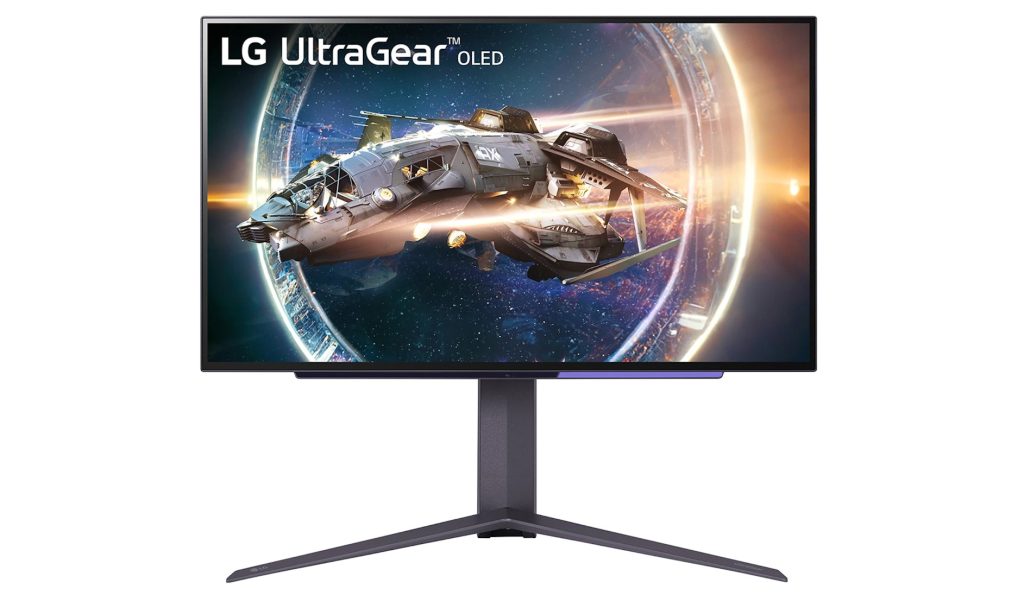
Although burn-in resistance was somewhat similar under test conditions, the data show clear improvements in other areas. The results show that 2023 panels were, on average, 28% brighter at 10% window sizes and over twice as bright at 100% window sizes compared to the 2017 unit. Power efficiency also improved, with 2023 models consuming 27% less energy on average. To hit 100nits, the 2017 OLED drew 130W, whereas the 2023 displays drew only 95W.
Based on these results, Rtings pointed out that users don't need to max out panel brightness on newer models, meaning that running them at the same luminance reduces pixel wear and lowers power draw. LCDs still lead in peak luminance, but these efficiency and brightness headroom improvements give OLED owners better tools to delay permanent image retention.
KitGuru says: Have you ever avoided buying an OLED because of potential burn-in issues? Do these test results change your opinion on OLEDs?