KitGuru KitGuru.net – Tech News | Hardware News | Hardware Reviews | IOS | Mobile | Gaming | Graphics Cards



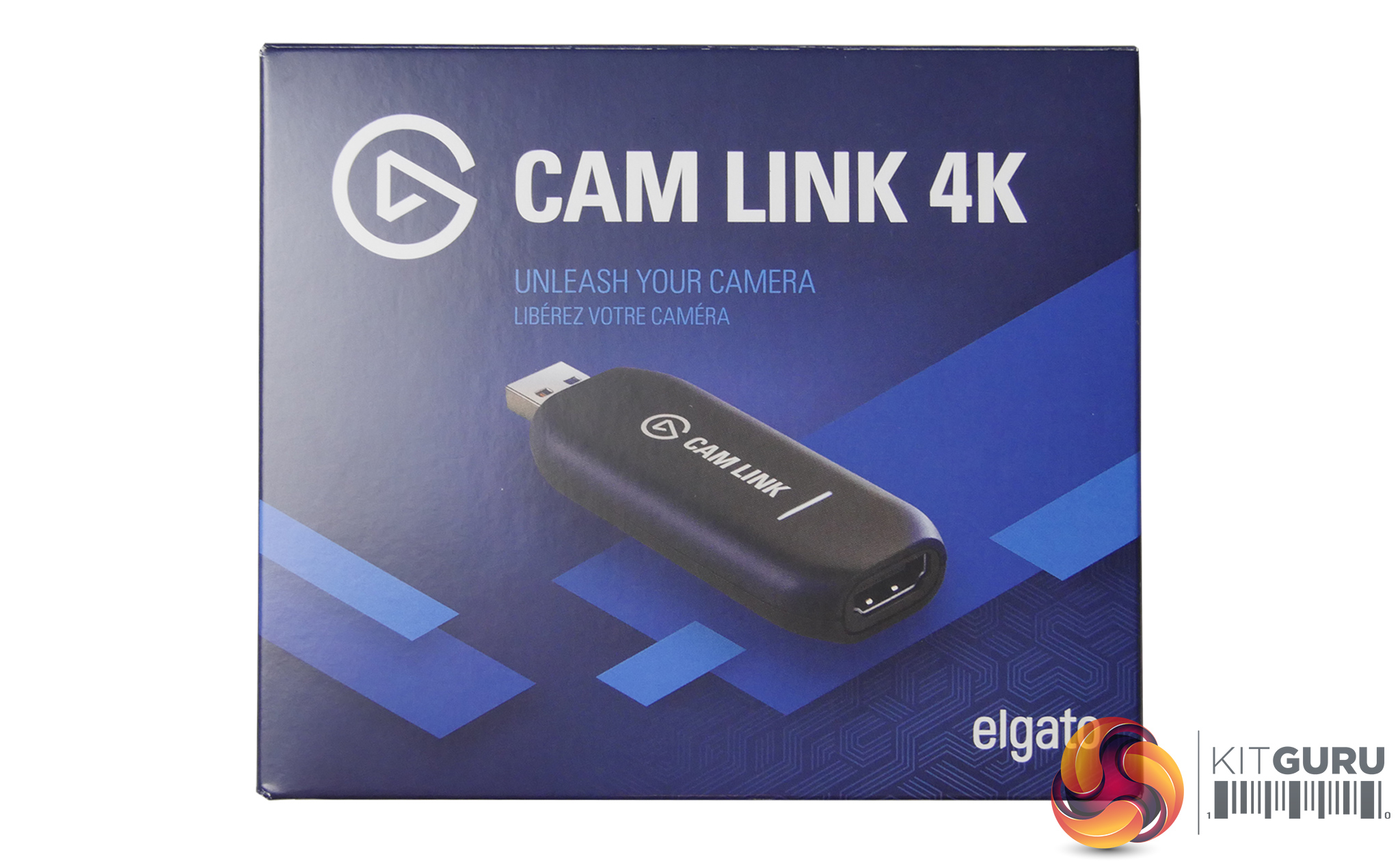
Elgato released the original model of the Cam link back in 2017. The small device allows any compatible DSLR to be used as a webcam. This proved to be popular among professional streamers where grainy webcam quality just won't cut it anymore. It also removes the need to go out and purchase a separate high quality webcam if you're already the owner of a decent camera for other content creation. With 4K being more and more popular and if you're lucky enough to have the internet connection to keep up, then Elgato have now updated the CAM link with a brand new 4K model. It costs about the same as its predecessor at £120 but how easy is it to use and is it worth the investment?
Gallery:
Technical specifications:
- Requirements:
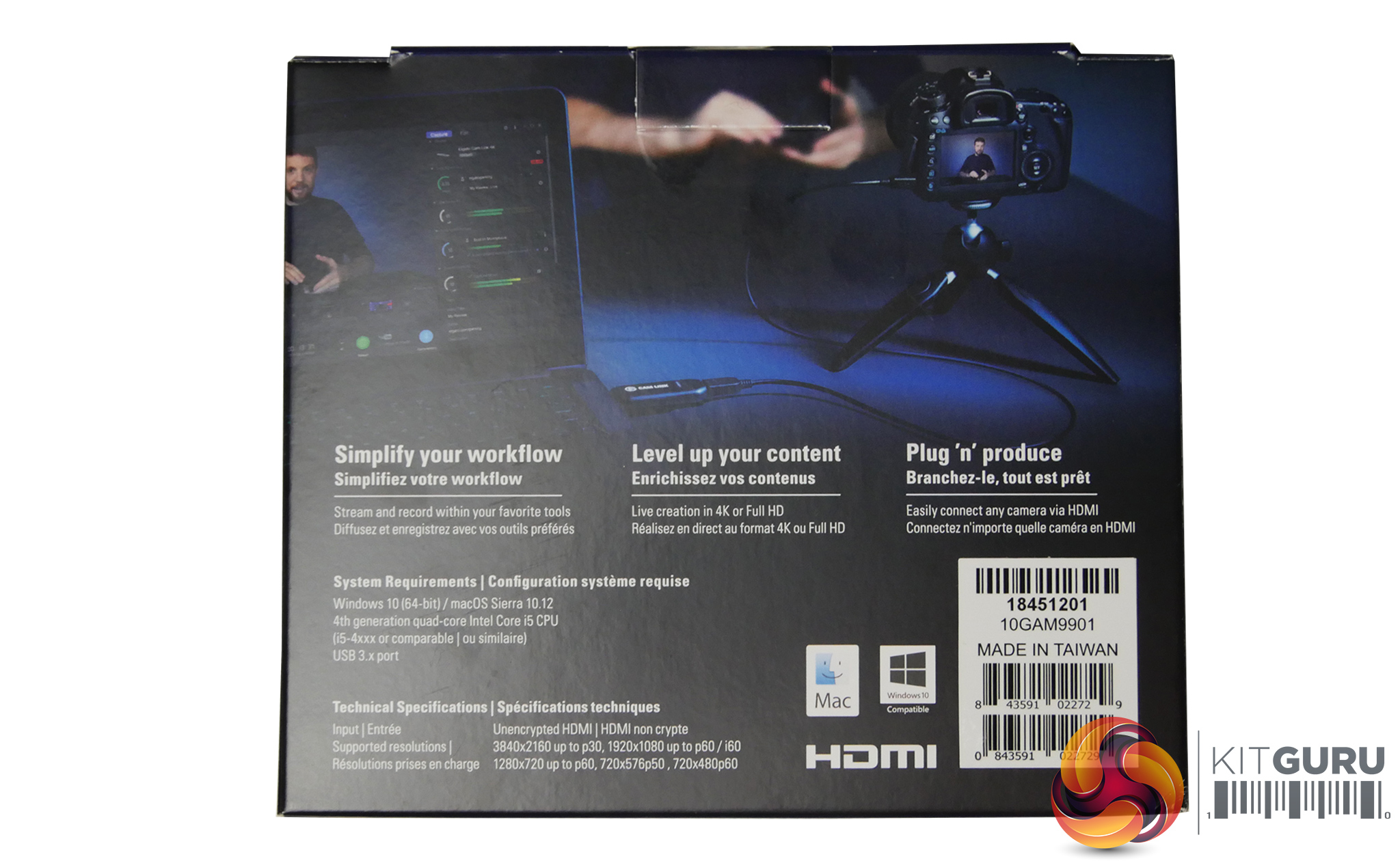
- Mac OS Sierra 10.12, Windows 10 (64 bit)
- Intel 4th Gen i5 CPU (i5-4XXX or comparable)
- USB 3 port
- Compatible Camera, List can be found HERE
- Dimensions: 8.1cm x 1.2cm x 3.1cm
- Weight: 20g
- Input: HDMI (unencrypted)
- Supported Resolutions:
- 3840 x 2160 up to 30fps
- 1920 x 1080 up to 60fps
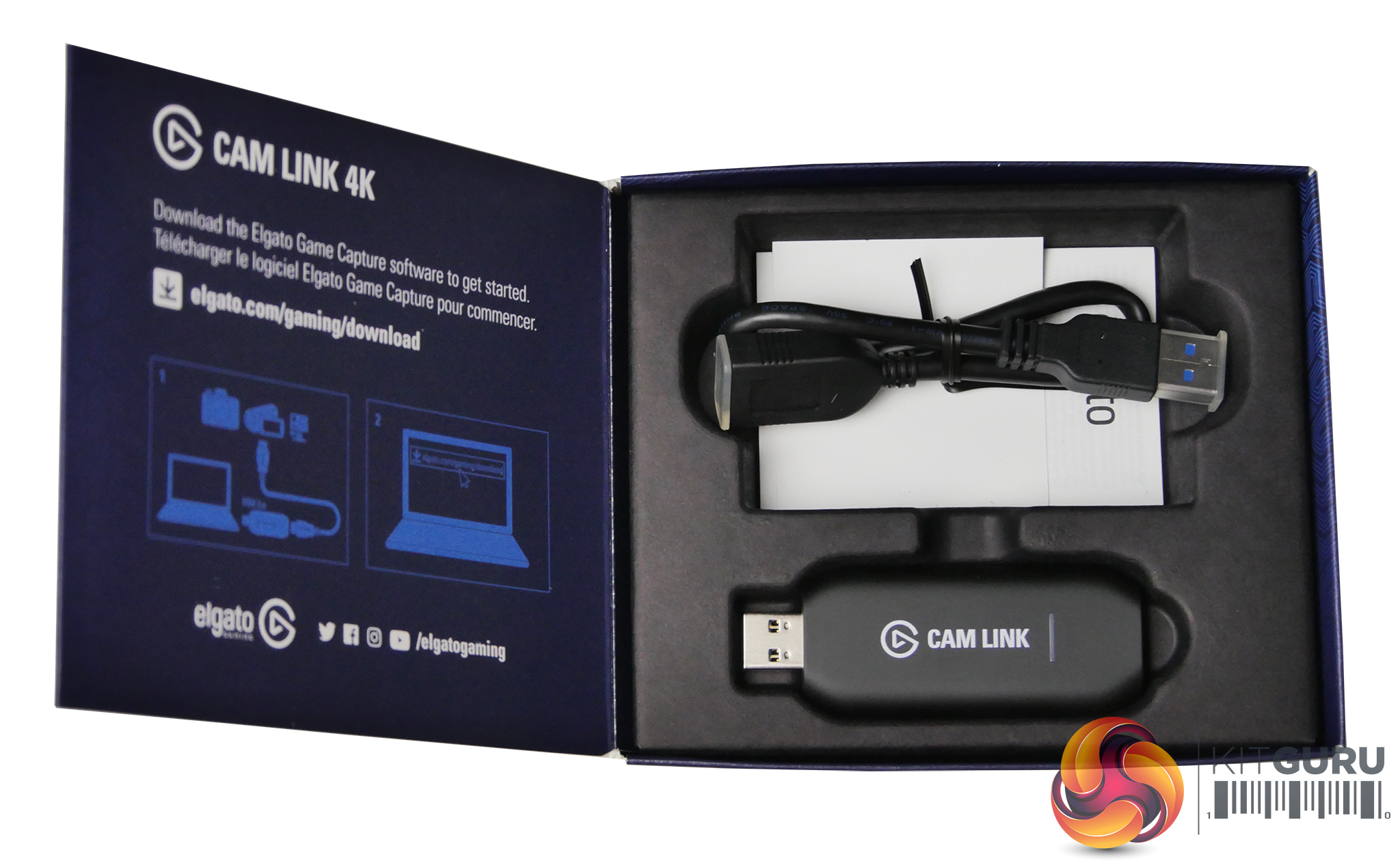
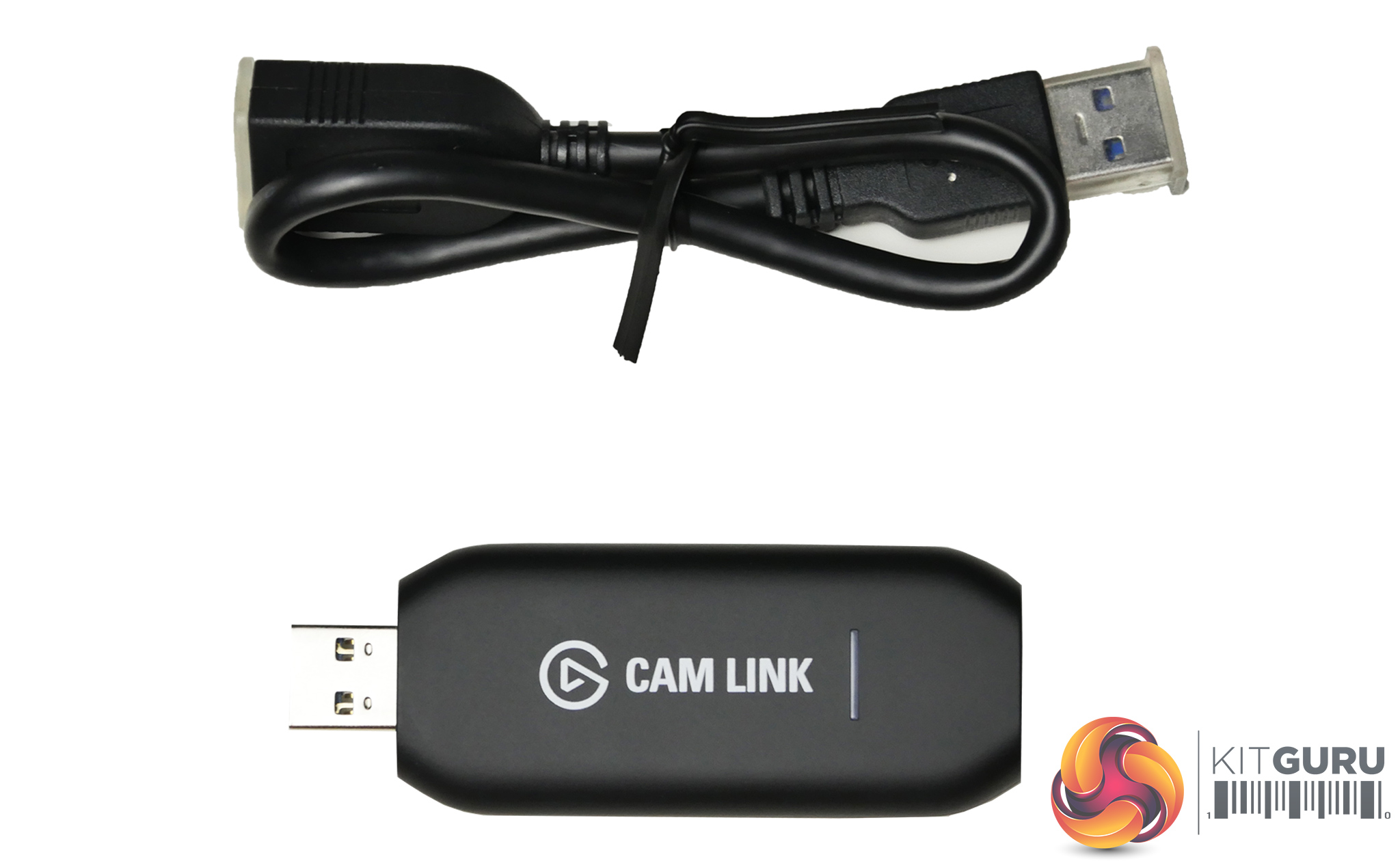
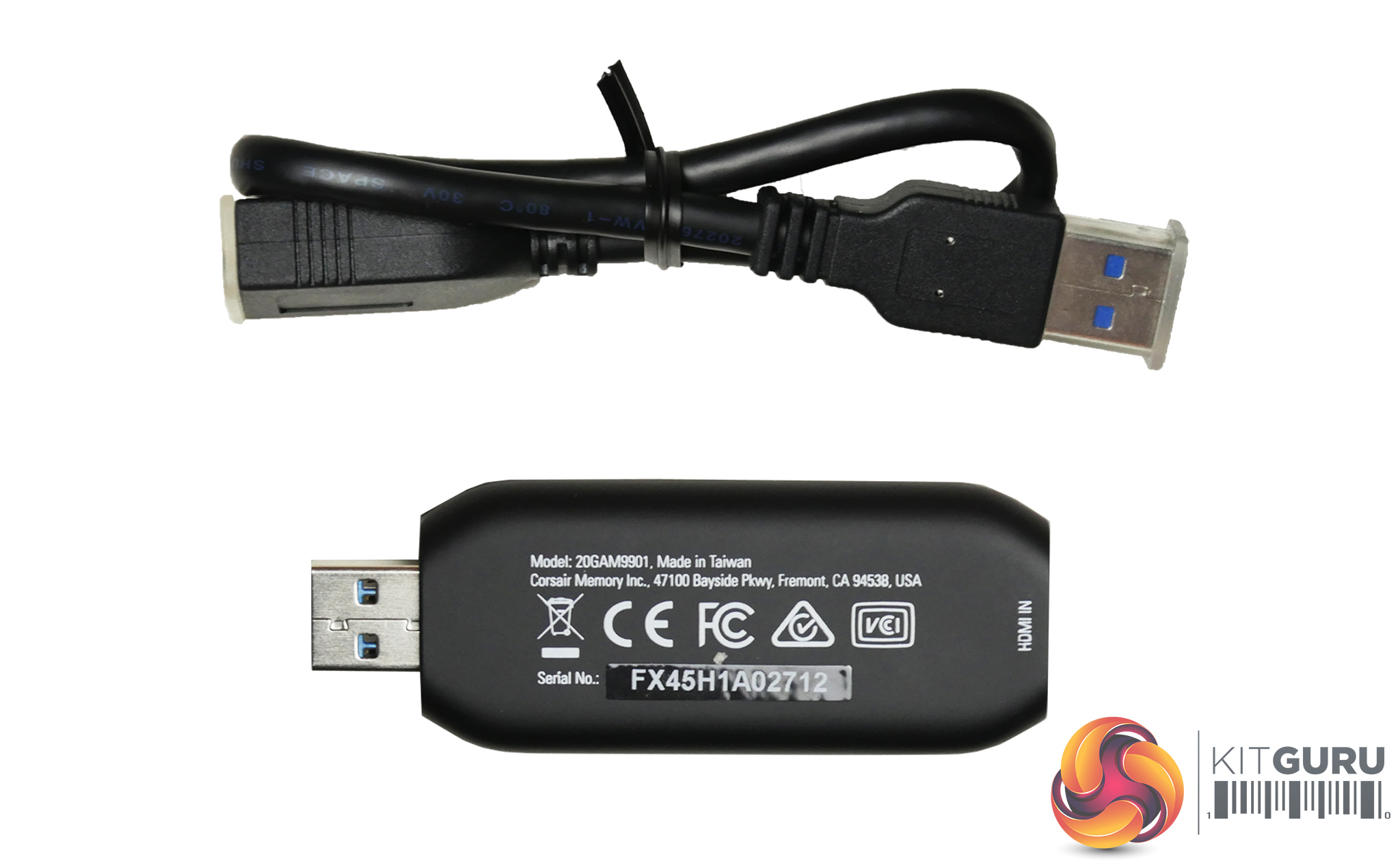
- Box contents: Cam Link 4K, USB 3.0 extension cable, Quick start Guide
Pros:
- Allows you to get the best quality possible
- Small and lightweight
- Software is easy to use
- Allows 4K recording straight to a PC with no need to mess around with SD Cards.
- Compatible with a wide range of cameras
- Simple to set up
Cons:
- Cost
The Elgato CAM Link 4K can be found for sale at Overclockers UK here
KitGuru says: The Elgato Cam Link 4K is an investment but if you want the best camera quality possible for streaming and content creation then it's a must have!