KitGuru KitGuru.net – Tech News | Hardware News | Hardware Reviews | IOS | Mobile | Gaming | Graphics Cards


This week, Nvidia has expanded the pool of GPUs that can take advantage of the Nvidia GPU Cloud, allowing developers and data scientists to build and test machine learning systems on their own PCs before moving on to something more powerful. The software tool released this week means that TITAN owners can now take advantage of machine learning and the Nvidia GPU Cloud at home.
The Nvidia GPU Cloud provides researchers with software containers that are designed to be a fast execution environment for training machine learning algorithms. These software containers are already available for use on DGX Station computers along with cloud instances powered by Nvidia Volta chips running in Amazon Web Services servers.
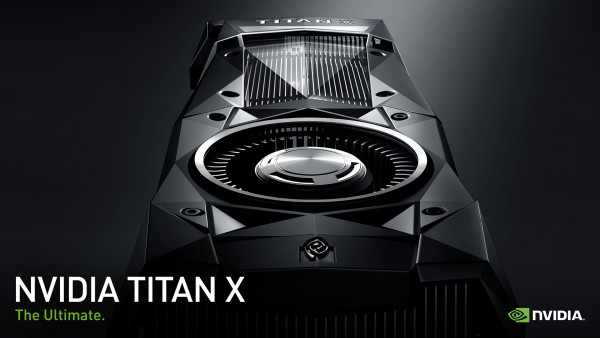
Now, customers can use this software on the Pascal TITAN series of graphics cards, it won't pack as much of a punch but it will serve as a good way for researchers to test things at home and start tinkering with machine learning before deploying it on a larger scale.
As VentureBeat points out, this should help people iterate on machine learning systems faster and drive the AI field forward. This news was announced at the Conference on Neural Information Processing systems which is taking place this week.
KitGuru Says: Nvidia has been putting a lot of work into machine learning and AI development over the last few years. By bringing compatibility to cheaper, consumer-grade hardware, development should be pushed further.