 KitGuru KitGuru.net – Tech News | Hardware News | Hardware Reviews | IOS | Mobile | Gaming | Graphics Cards


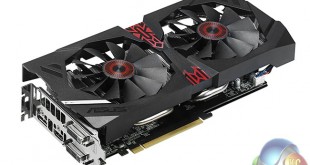
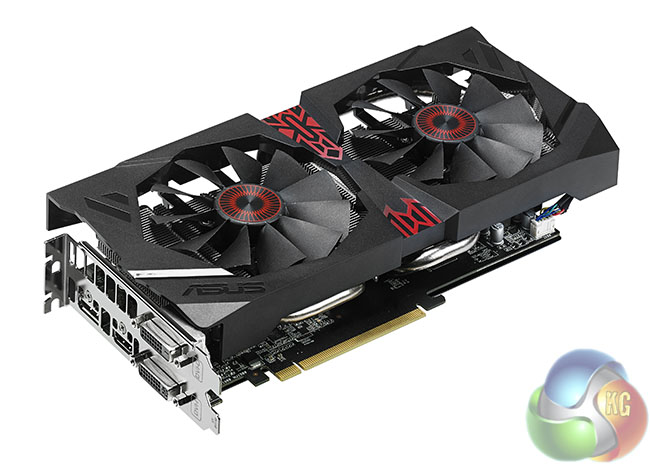
If you are in the market for a new graphics card – statistically you will be shopping in the sub £200 sector. While the R9 295X2 may grab all the headlines it is priced out of reach for all but the wealthiest of enthusiast gamer. This week AMD release their latest addition to the R9 family – the R9 285. Rather than take a look at a lackluster AMD reference cooled solution, we managed to get our hands on the new Asus R9 285 Strix – which features a very interesting semi passive fan configuration.
This isn't the first time we have looked at one of the new ASUS Strix solutions – however if this is your first experience of the STRIX range – the somewhat unusual name is taken from the ancient Roman and Greek for ‘OWL'. ASUS say ‘ STRIX means the keenest hearing and sharpest eyesight. Strix means feeling your environment so that you detect and react to the slightest movement. Strix means survival on the very edge of instinct. Strix is in your blood, as it is in ours.‘
We reckon a leader in the company is a serious bird lover because it has given ASUS a reason to fill their webpages with cool renderings of robotic OWL's.
But back on track for AMD's R9 285 – what exactly is it?
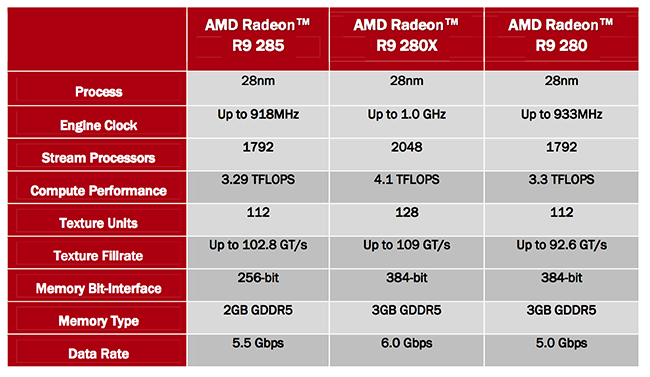
AMD are marketing the R9 285 as a direct competitor to Nvidia's GTX760 and on a hardware level we can see it is similar to the current R9 280.
- 3rd generation Graphics Core Next architecture
- AMD TrueAudio technology
- Project FreeSync
- Latest AMD PowerTune technology
- Support for DirectX 12
- Support for Mantle
Ignore the ‘engine clock' figures because AMD partners will – The ASUS STRIX for instance we are reviewing today is clocked substantially higher than 918mhz. Both R9 280 and R9 285 cards ship with the same configuration of 1792 Stream processors, 32 ROPs and 112 Texture units. The more observant among you will see the new R9 285 has been subject to a couple of ‘downgrades' – it has 1GB less of GDDR5 memory (down to 2GB from 3GB) and the memory interface has been reduced from 384 bit to 256 bit. We discuss the memory interface in more detail on the next page. Additionally, AMD have told us that there will be 4GB versions of the R9 285 at a later date.
The R9 285, along with the R9 290/X and R7 260X features a programmable audio pipeline. This TrueAudio technology is designed for game audio artists and engineers, so they can ‘bring their artistic vision beyond sound production into the realm of sound processing’. This technology is intended to transform game audio as programmable shaders transformed graphics in the following ways:
- Programmable audio pipeline grants artistic freedom to game audio engineers for sound processing.
- Easy to access through popular audio libraries used by top game developers.
- Fundamentally redefines the nature of a modern PC graphics card.
- Spatialization, reverb, mastering limiters and simultaneous voices are only the beginning.
Like the R9 290 and R290X, the R9 285 now has bridgeless Crossfire support. Anything that enables us to get rid of those ugly cables is a good move.
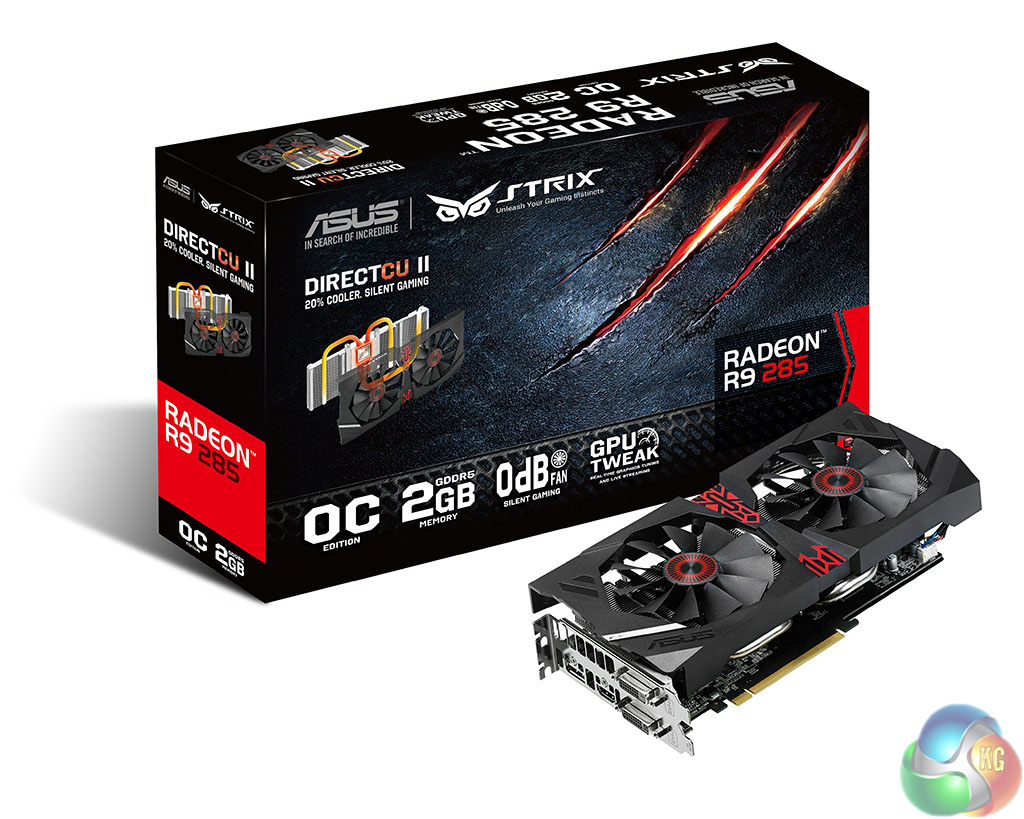
We didn't receive a retail sample for our review today, but we managed to get the image above directly from ASUS. No idea of the accessories inside, but you should expect a couple of power/signal converter cables and some literature on the product.
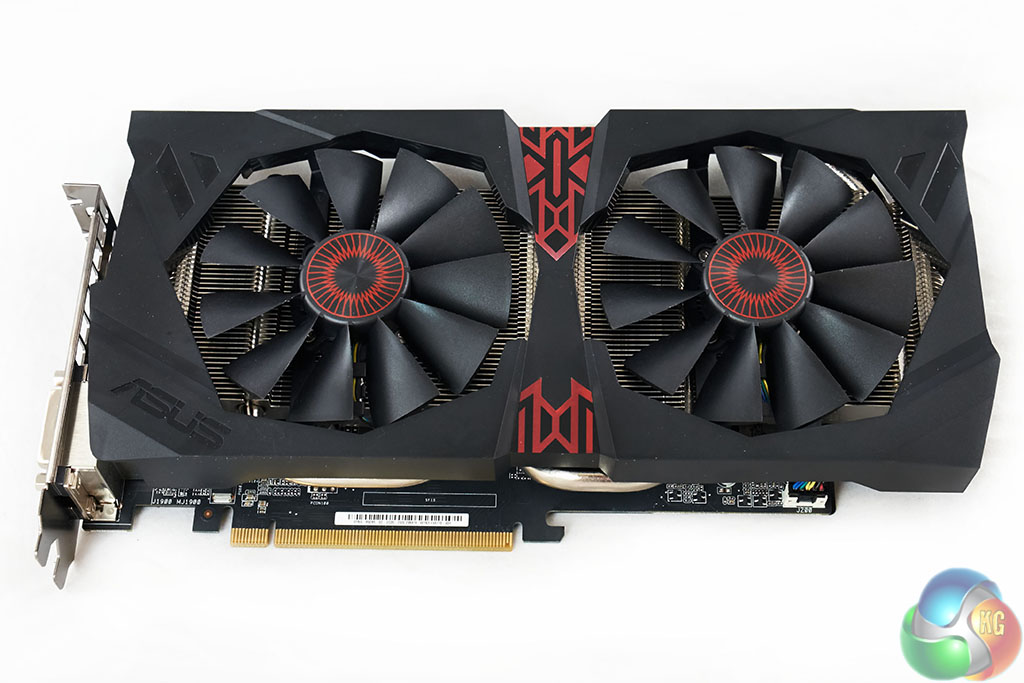
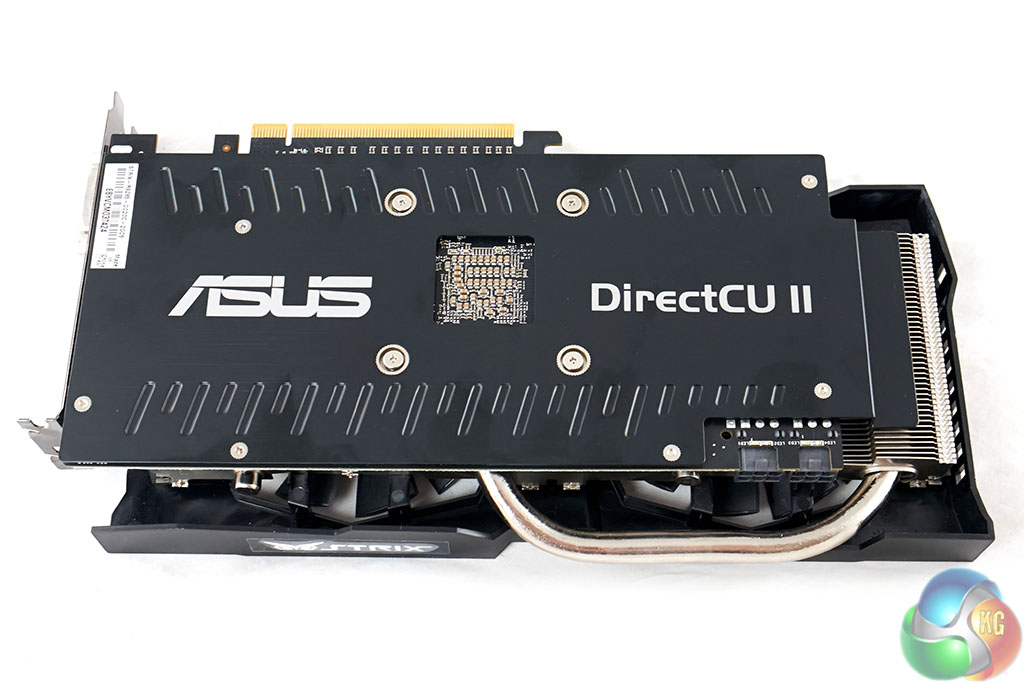
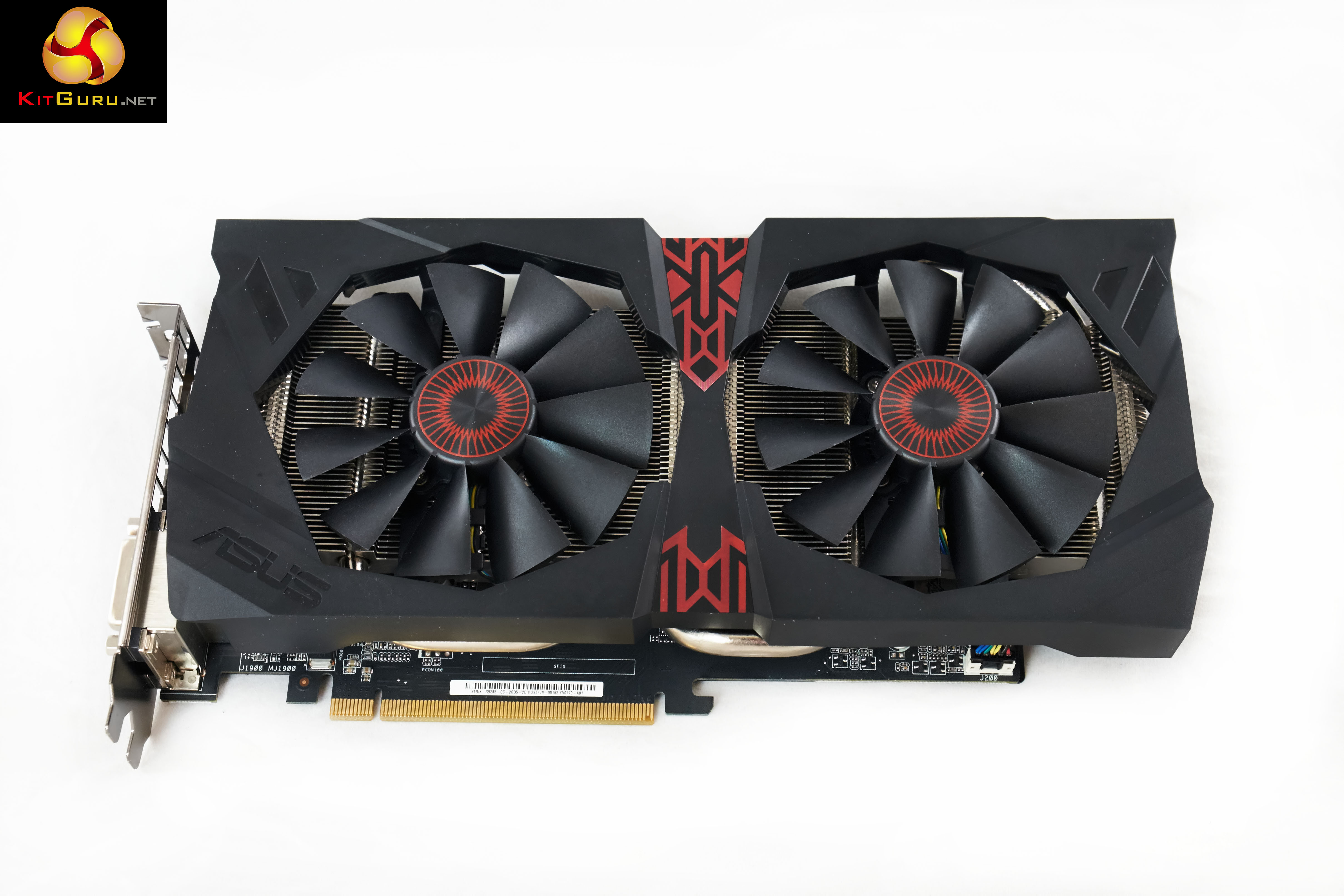
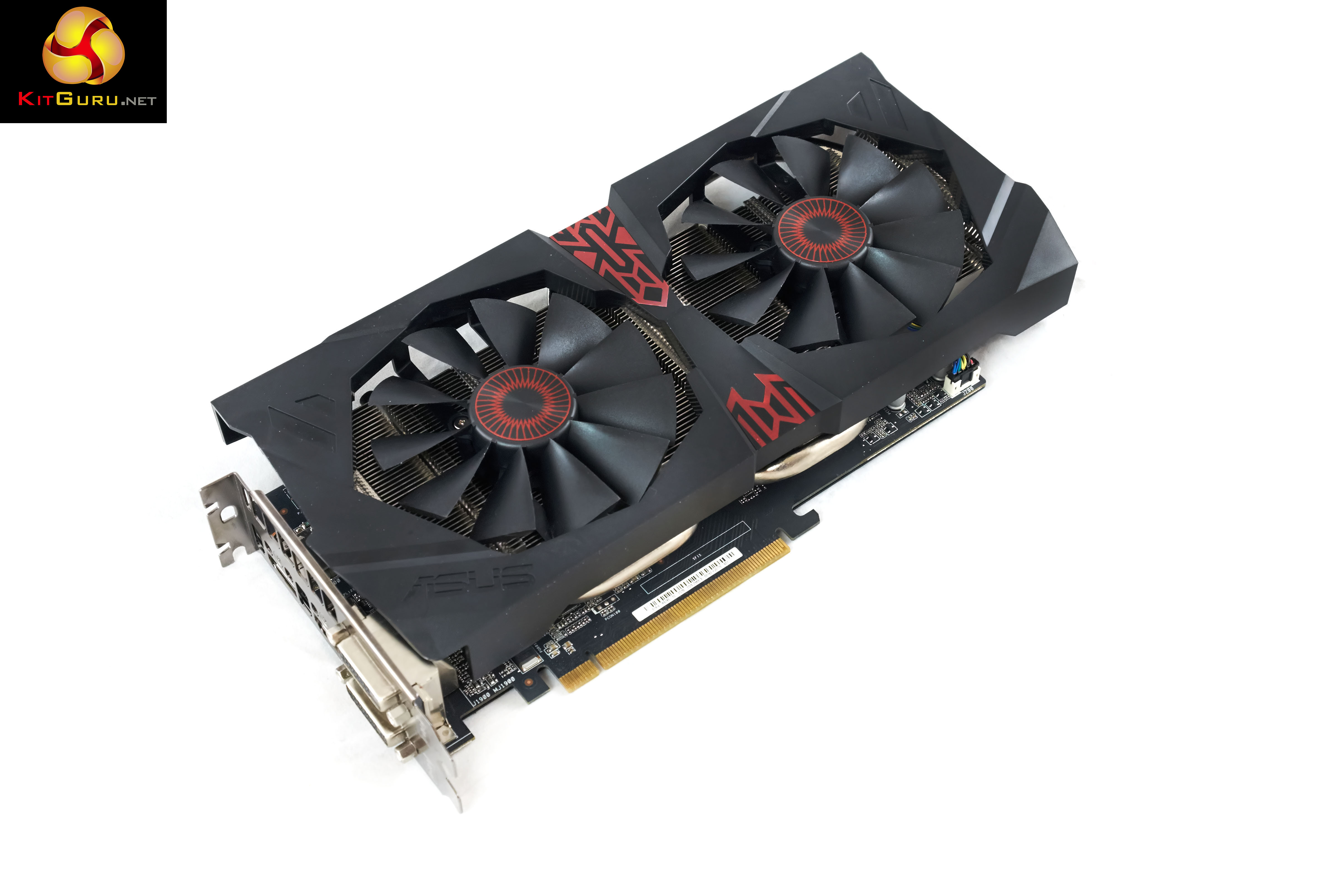
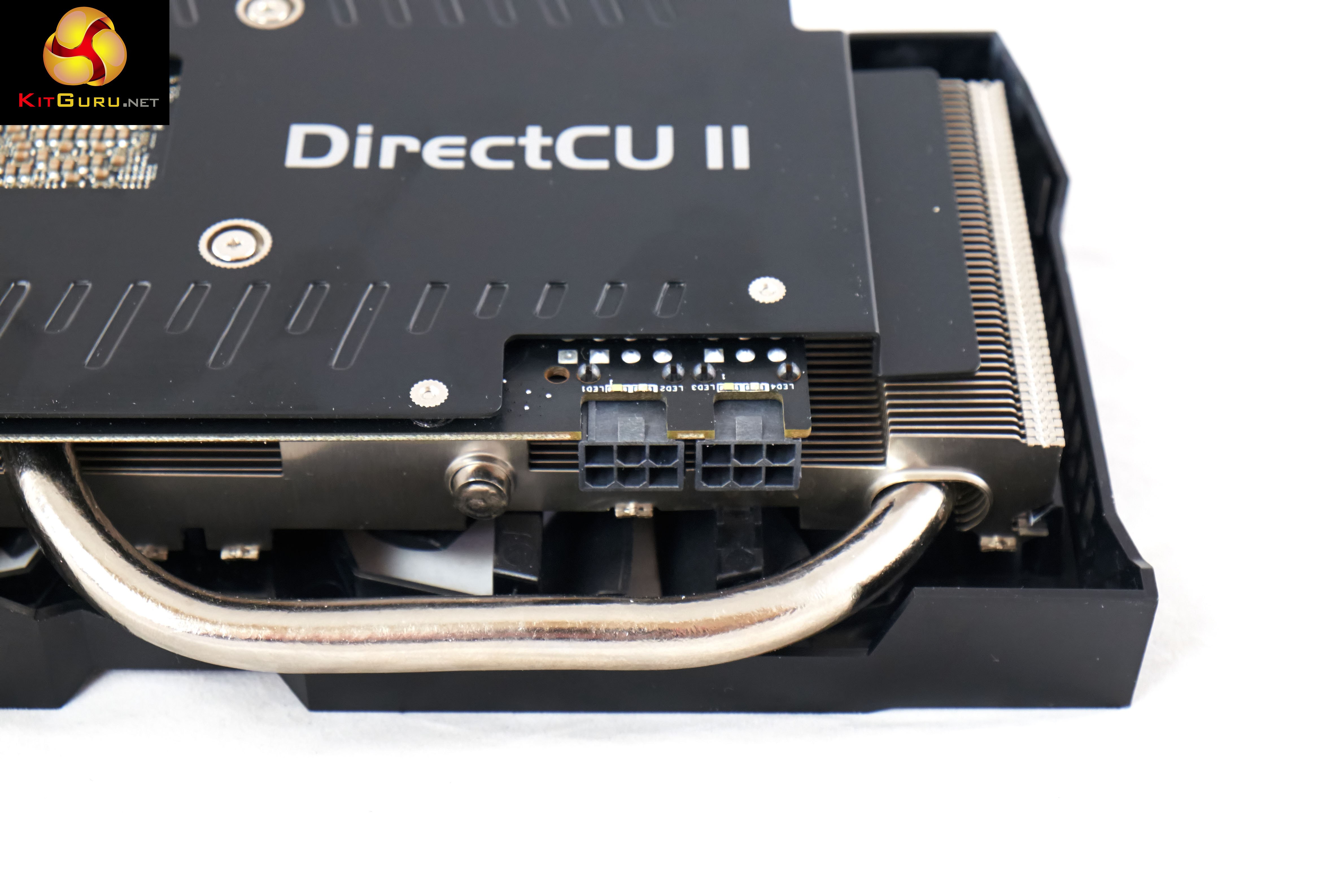
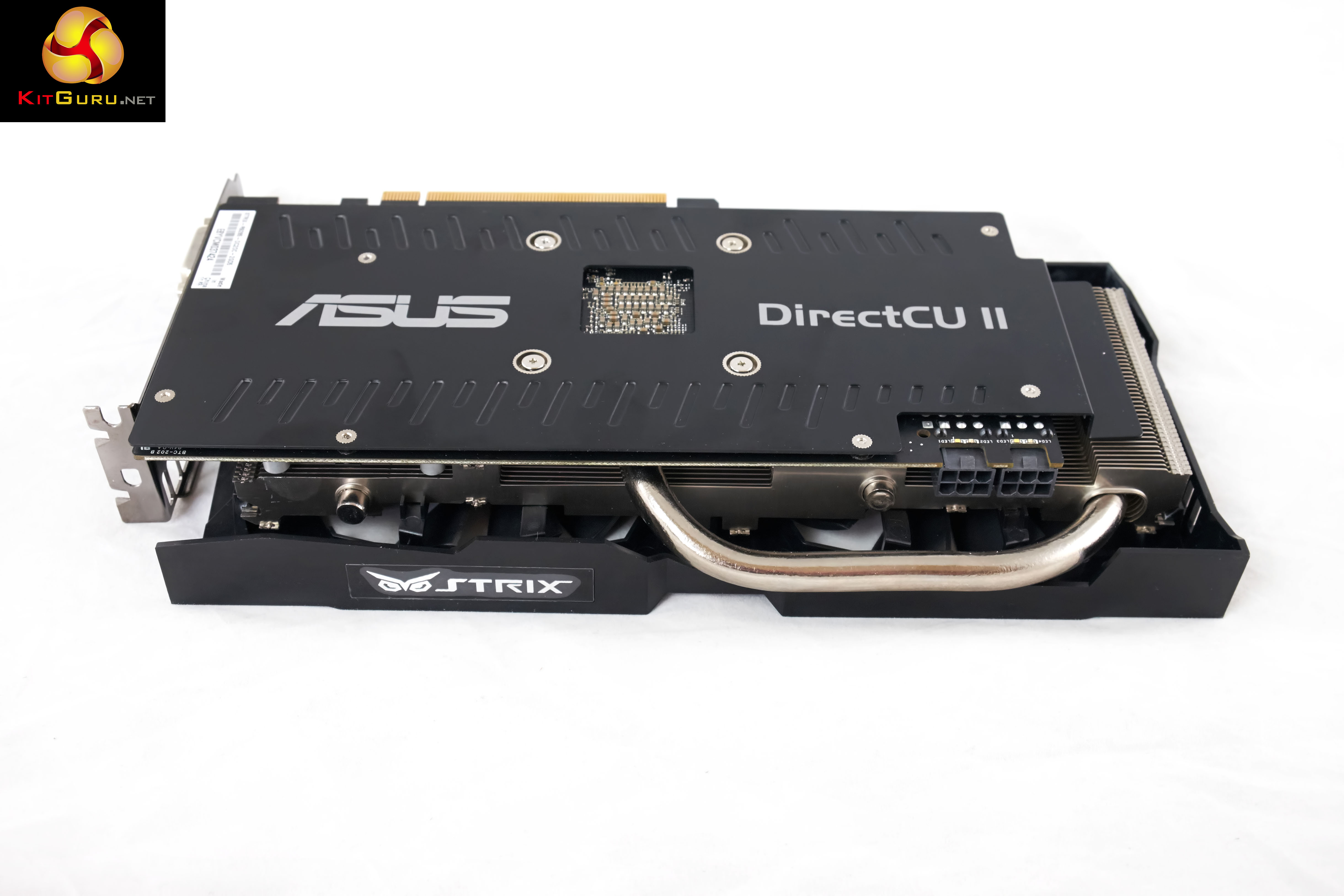
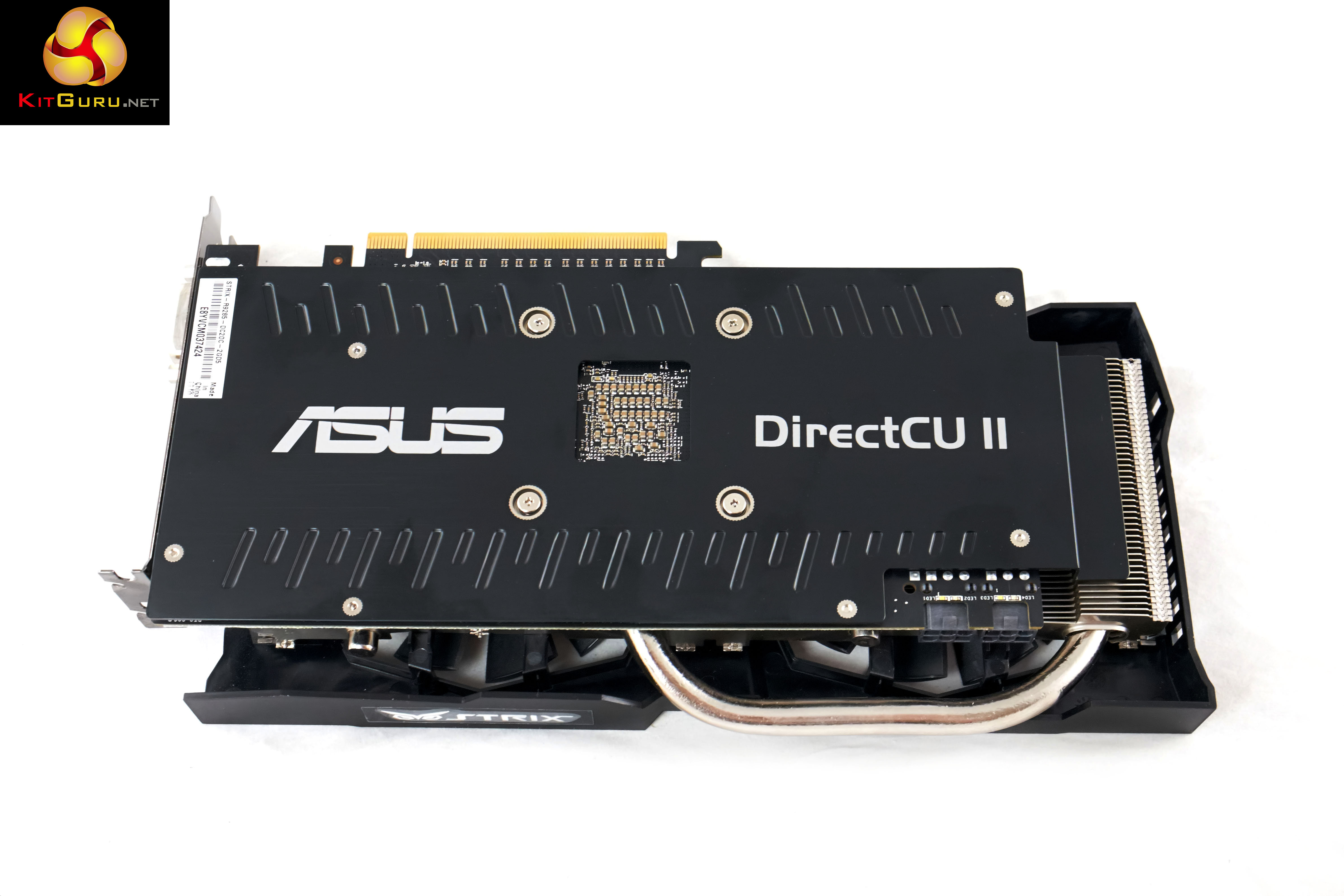
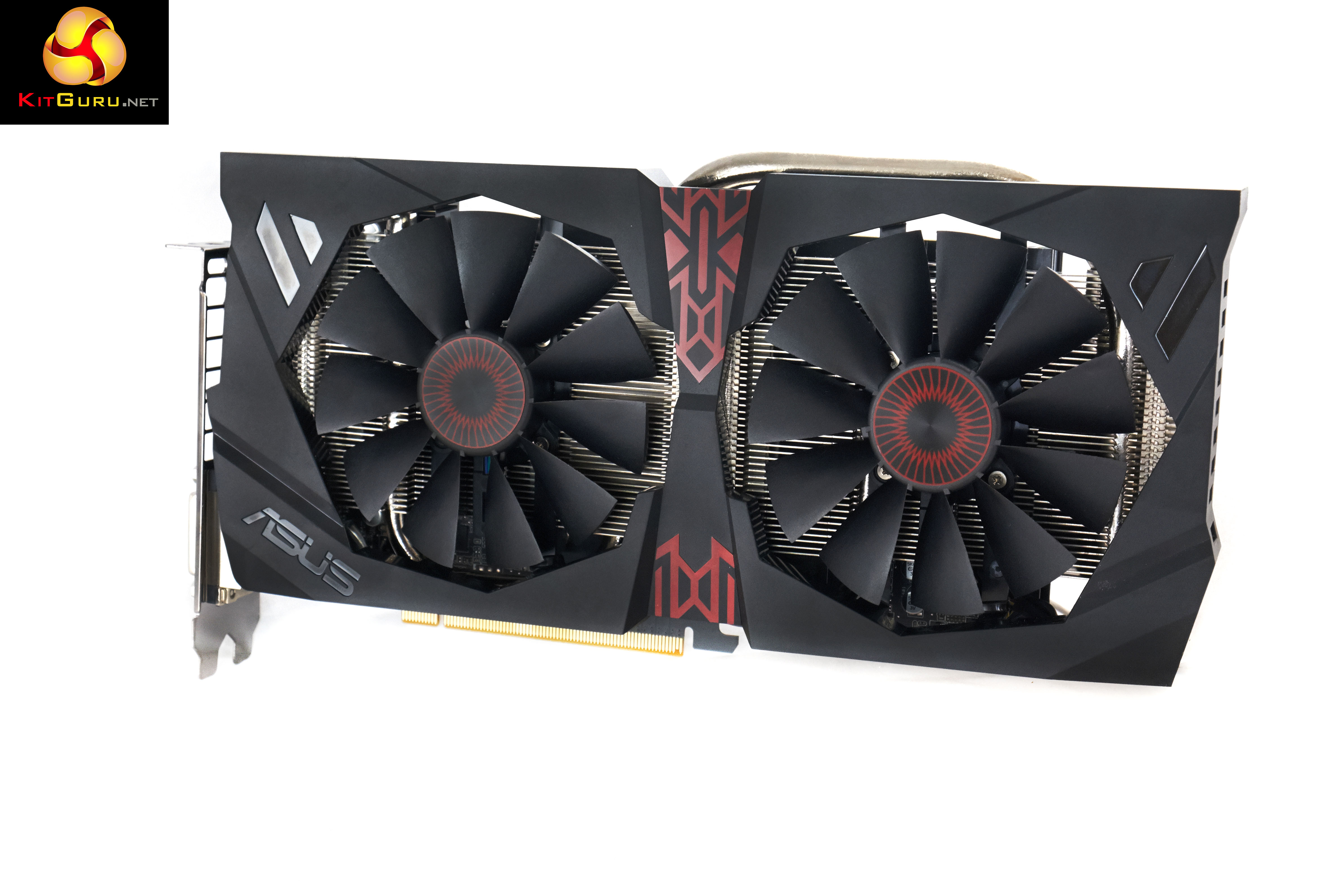
The R9 285 STRIX card is nicely finished and doesn't feature any text branding on the front. The ‘OWL' style artwork is visible. The rear of the card features a backplate, with ASUS and Direct CU II naming. The STRIX utilises an 8 phase power system.
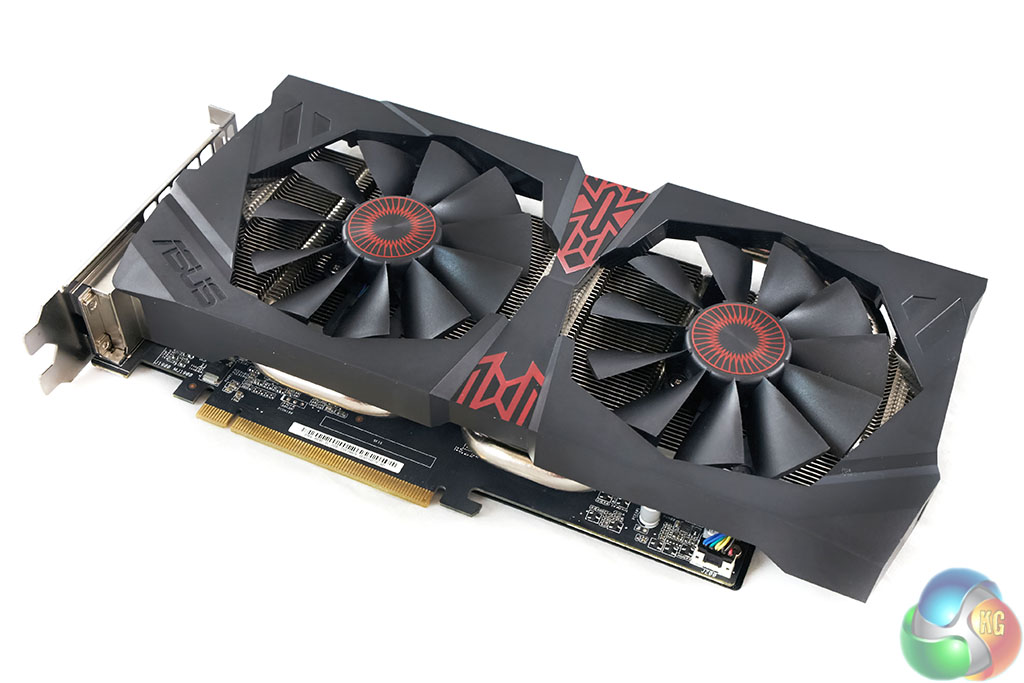
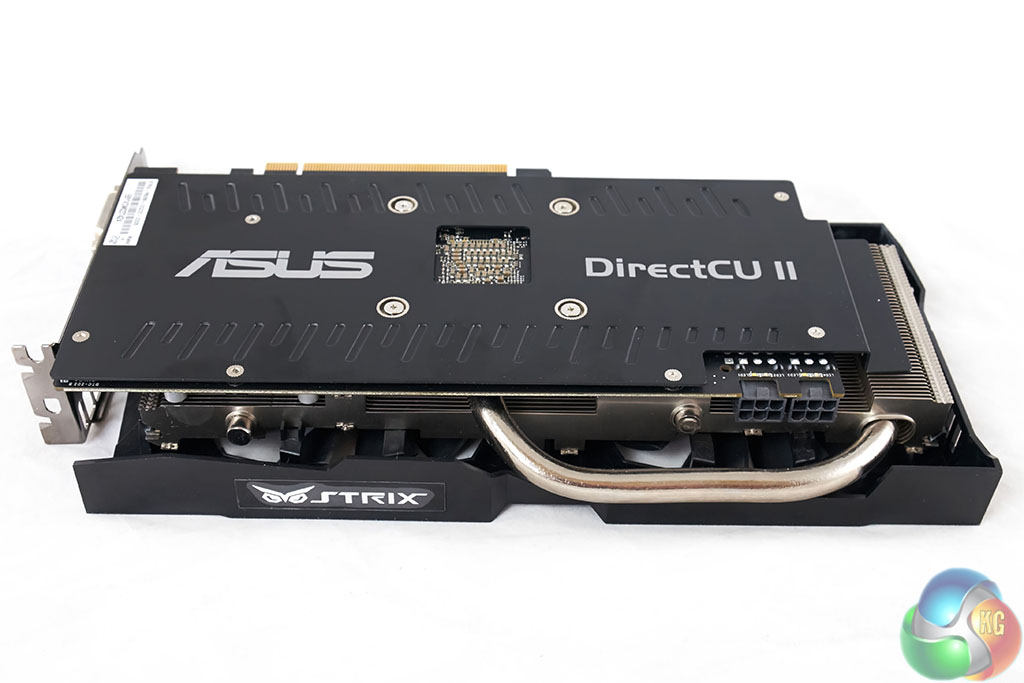
The ASUS STRIX looks good from all angles, and there is a hefty heatpipe visible along the top of the cooler. The fans are said to deactivate under specific load demands – but we will look at this later in the review. No Crossfire headers on this card – it will work directly in the slot with more than one card, without a connector. Bridgeless Crossfire has been a welcome feature on the 290 series now for some time.
It takes power from two 6 pin power connectors as seen in the images above.
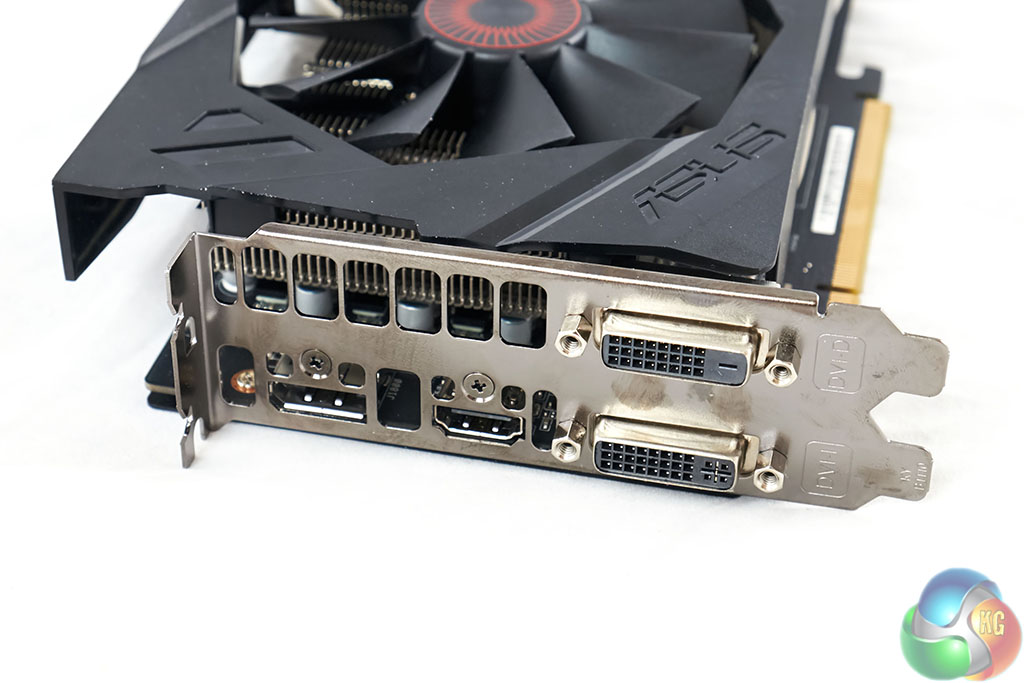
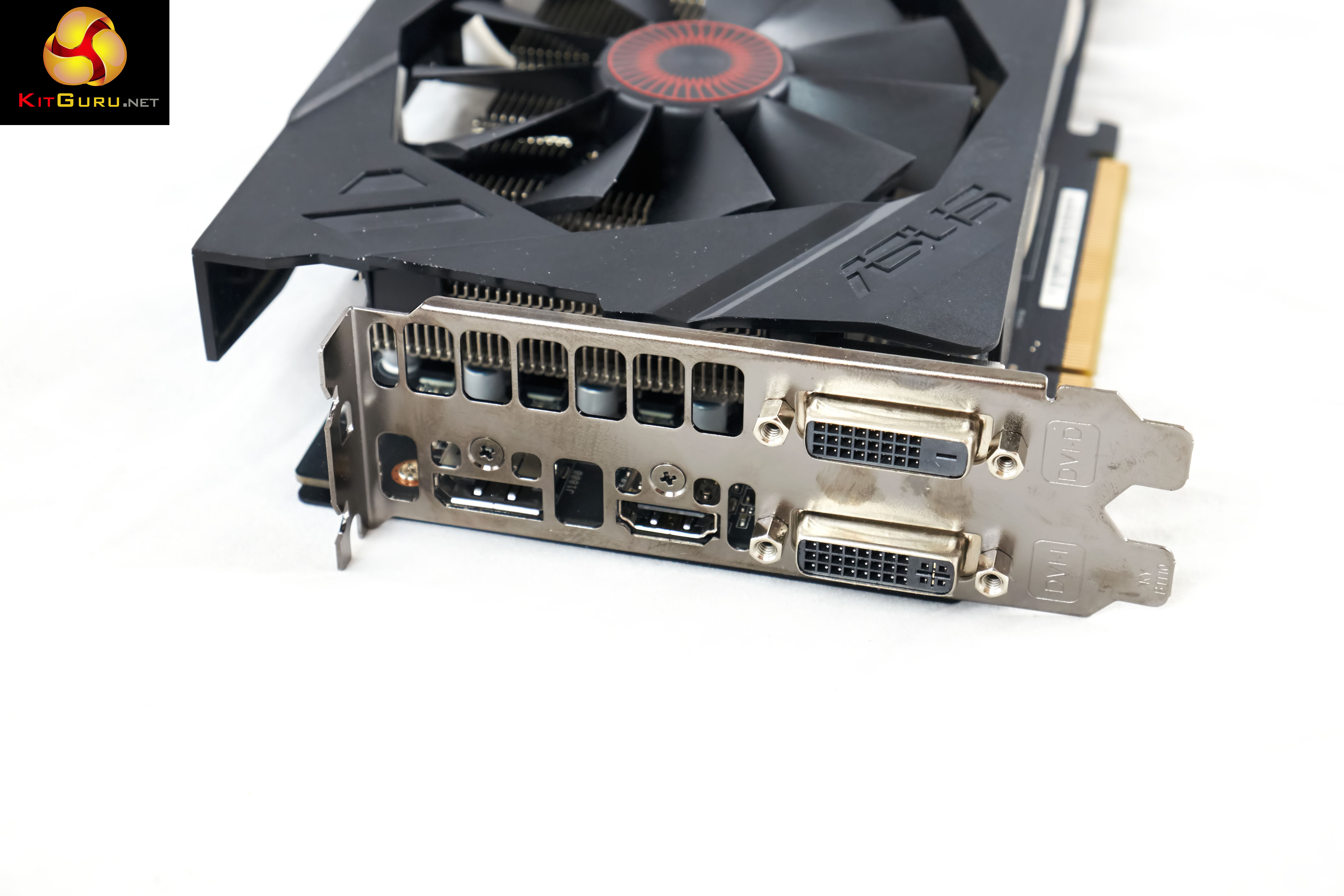
The ASUS Strix card has two DVI connectors (DVI-D and DVI-I), a full sized DisplayPort connector and a HDMI connector.
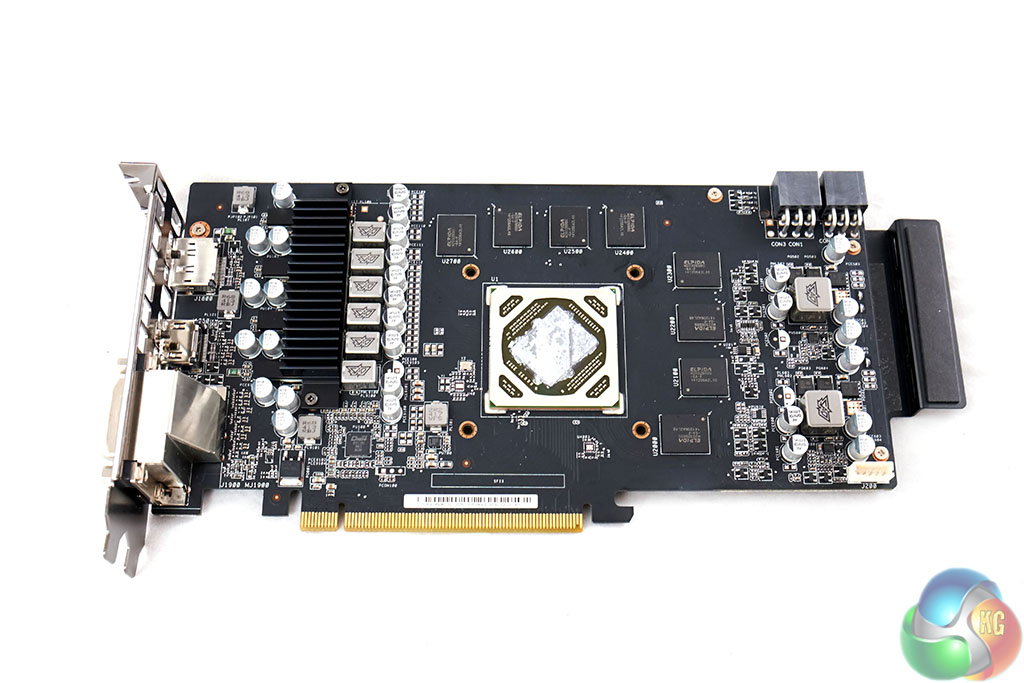
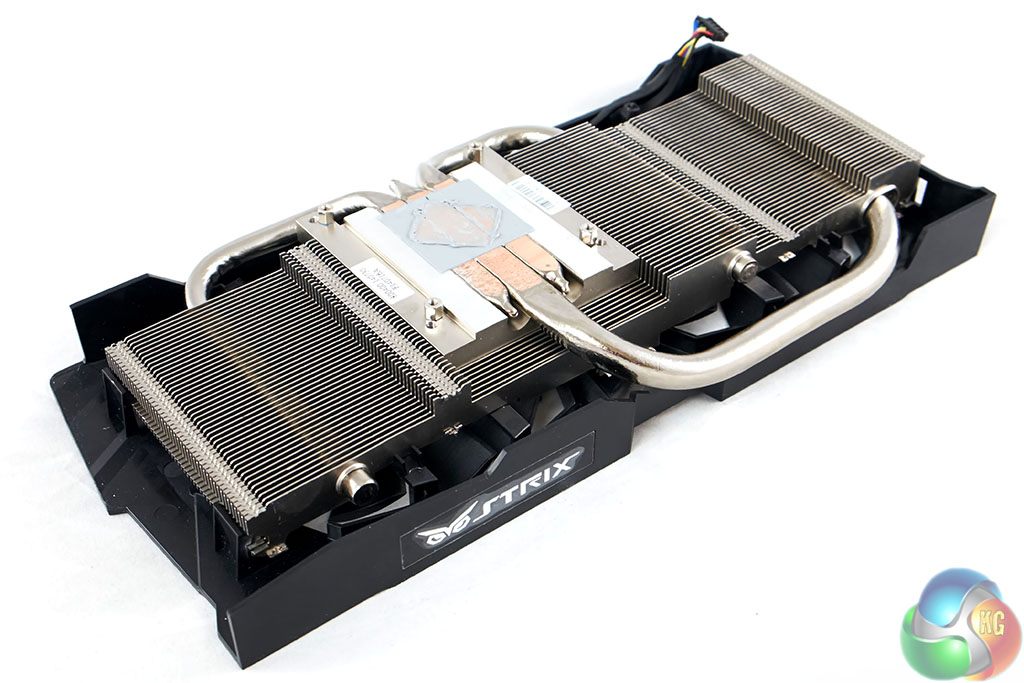
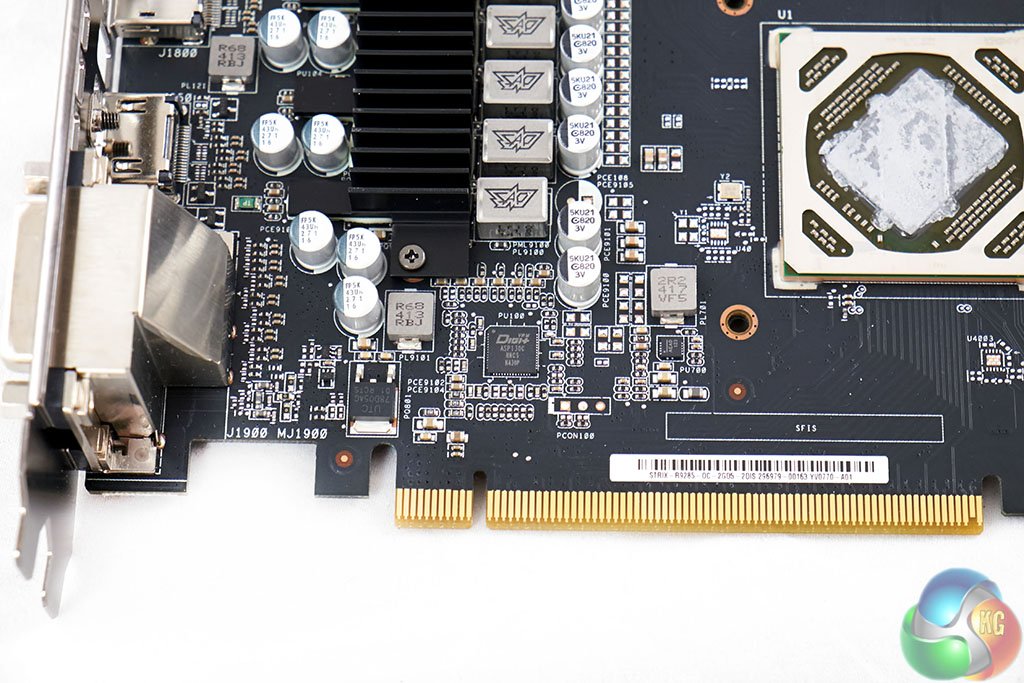
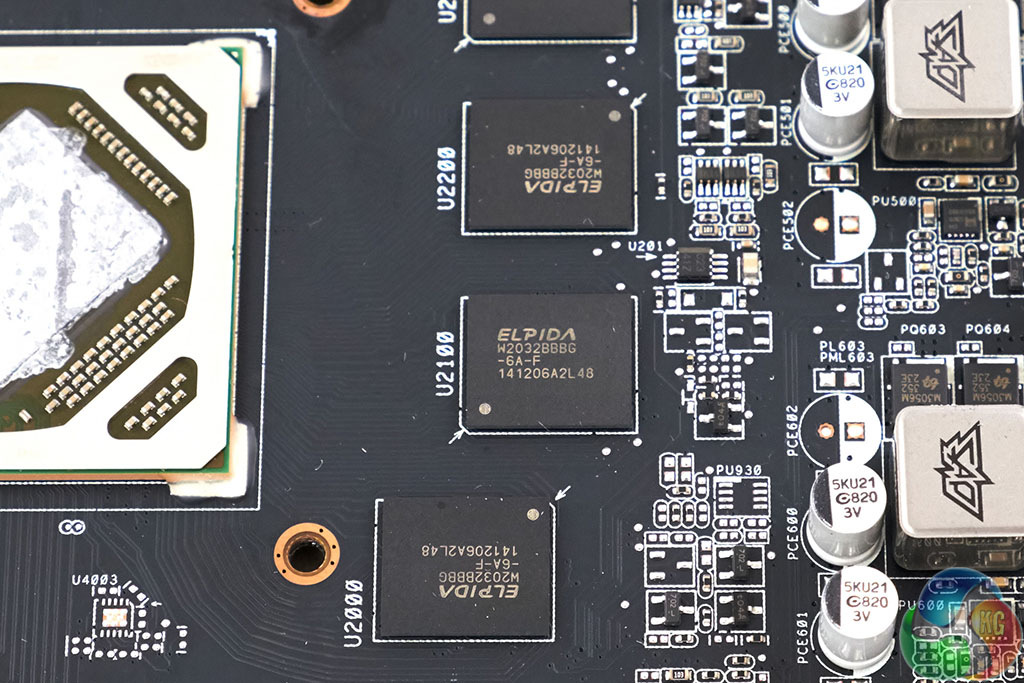
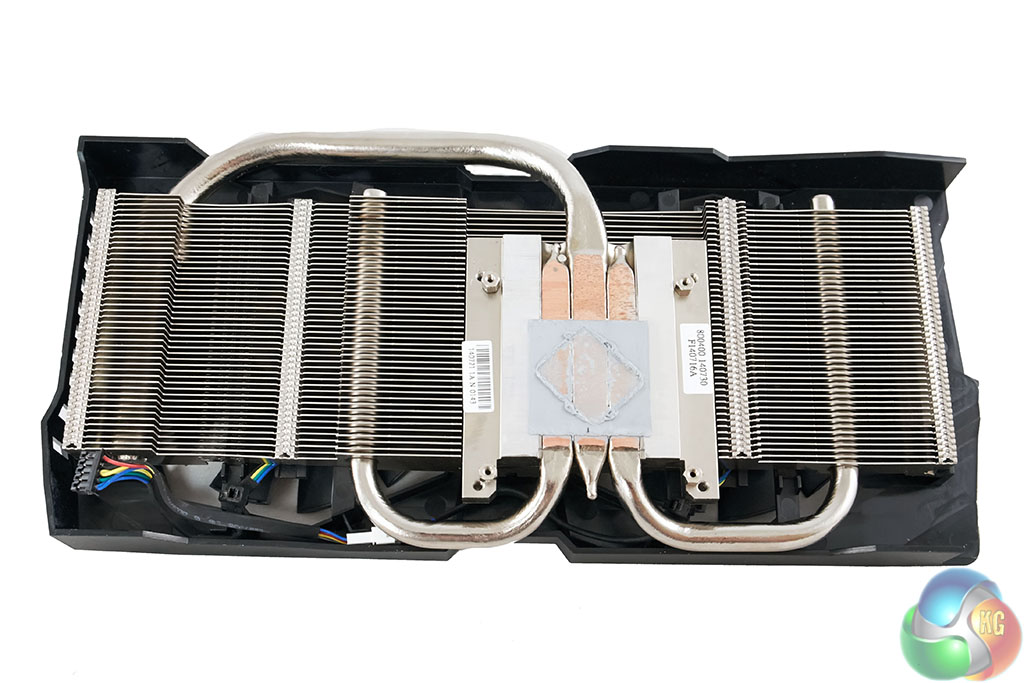
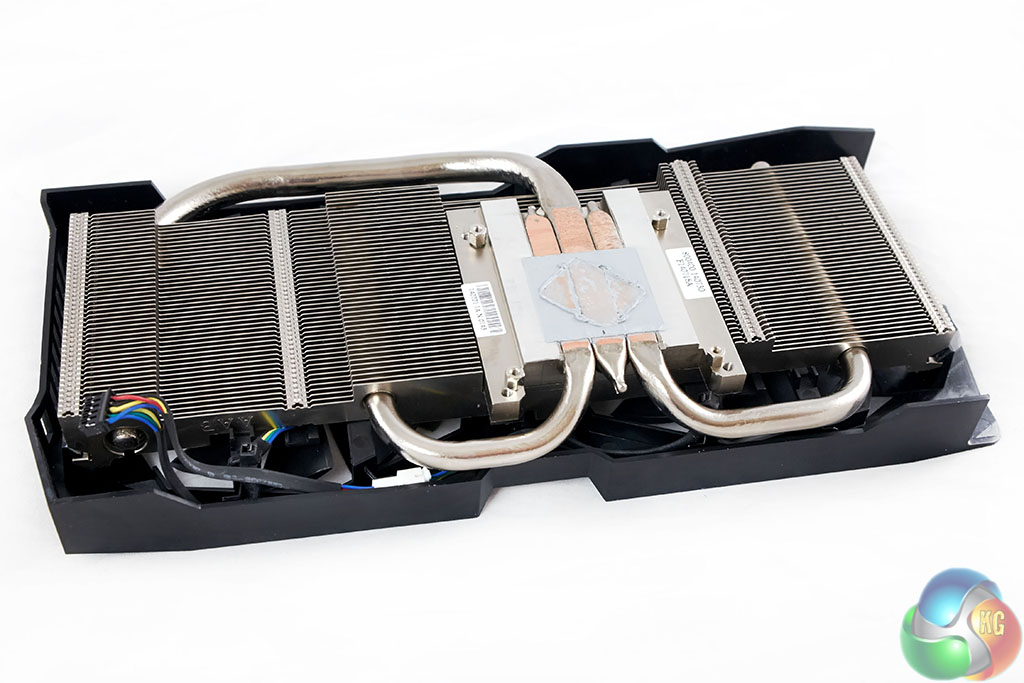
The Asus R9 285 Strix is using Elpida GDDR5 memory. The cooler is a substantial design incorporating three thick heatpipes which run into two separate racks of aluminum fins on either side of the copper core. The cooler is using direct touch methodology. Asus are using Super Alloy Chokes on the PCB to eliminate any potential ‘buzzing'.
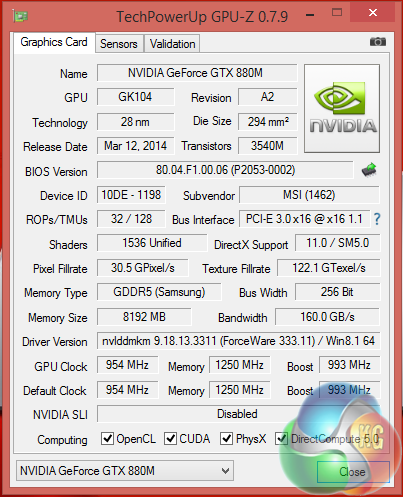
Special thanks go to Mike over at Techpowerup for getting me a new beta version of GPUz with full support for the Tonga hardware in time for this review. We can see that ASUS have clocked the card at 954mhz. Memory is running at 1,375 mhz (5.5Gbps effective). The card is equipped with 32 ROPs, 112 Texture units and 1,792 Stream Processors – the same configuration as the R9 280.
As mentioned on the previous page AMD have dropped the memory count down from 3GB to 2GB in the update from R9 280 to R9 285. There will be 4GB versions of the R9 285 at a later date however.
The memory interface is also reduced from 384 bit to 256 bit.
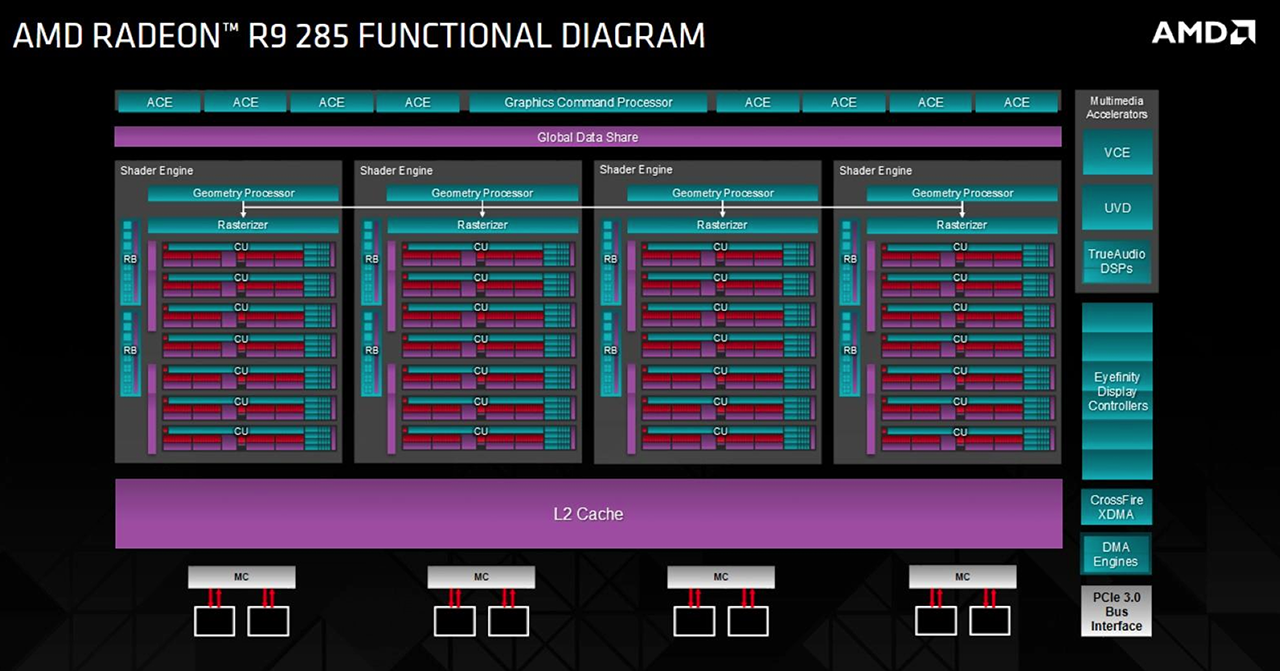
A functional diagram of the R9 285 hardware. Without getting bogged down in discussions of architecture I spoke with Evan Groenke, Senior Product Manager for AMD in Ontario a couple of days before this launch article.
He explained that there was a significant level of technology that went into making a highly efficient 256 bit product (compared to the 384 bit R9 280 before it).
AMD are using a lossless delta colour compression (DCC) algorithm to get a 40% efficiency improvement over the 384 bit product. The colour data is being stored in a lossless compressed format using delta encoding. Evan explained that this has no effect on image quality and is done automatically on the fly.
He also explained that geometry performance has improved dramatically. Their 4xPrim rate has improved tessellation (2-4x) when compared to the R9 280. They have managed to enhance performance from improving their work distribution between geometry front end units and improved vertex re-use when dealing with many small triangles.
Multimedia areas have been improved including a new Unified Video Decoder which provides a full fixed function decode engine with support for H.264, VC-1, MPEG4, MPEG2 and MJPEG. It also adds support for high frame rate 4K H.264 content (High Profile Level 5.2). The new Video Coding Engine provides (up to) 12x faster than real time encoding for full HD and support for 4K resolutions.
On this page we present some high resolution images of the product in our studio. These will take much longer to open due to the dimensions, especially on slower connections. If you use these pictures on another site or publication, please credit Kitguru.net as the owner/source. You can right click and ‘save as’ to your computer to view later.
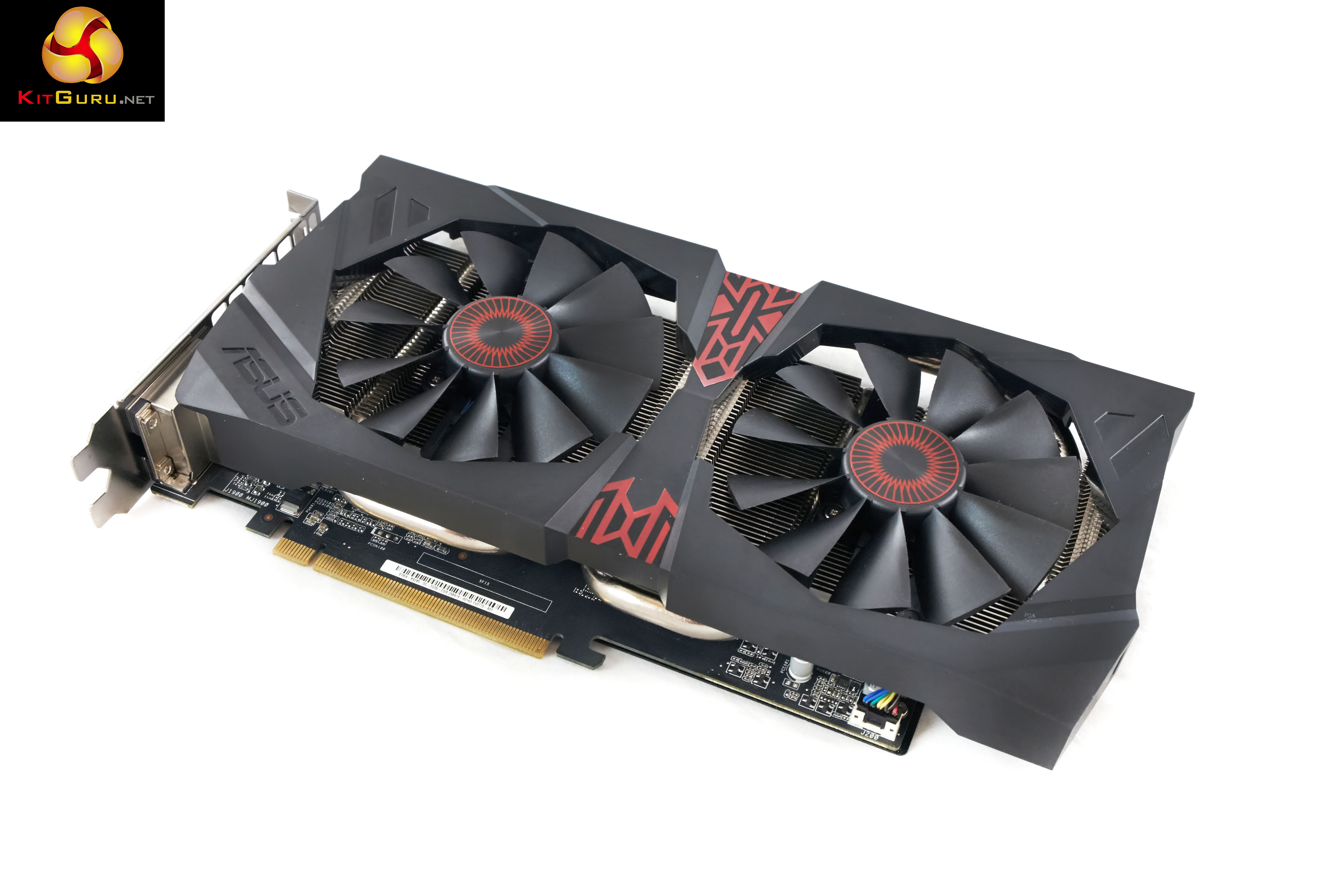
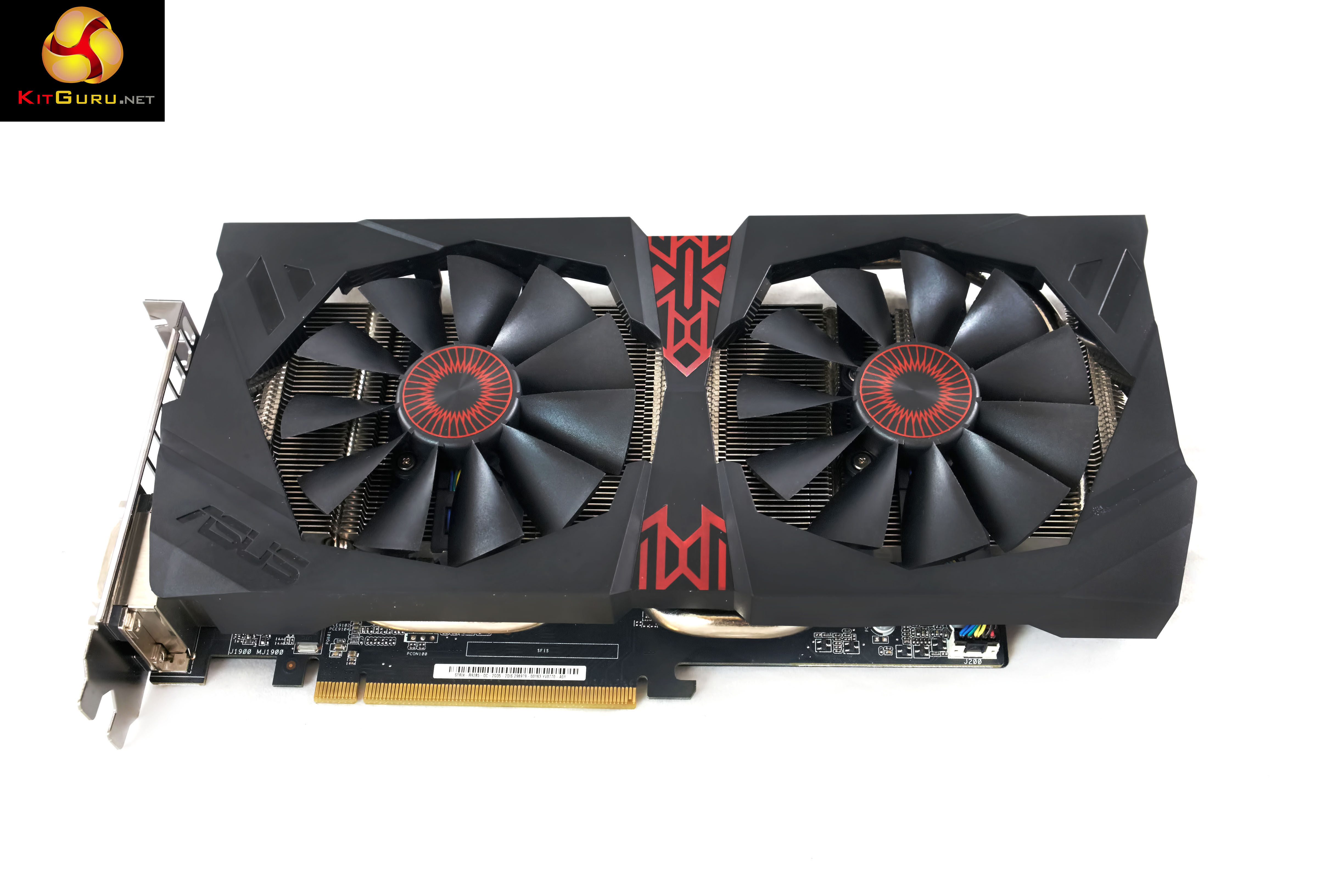
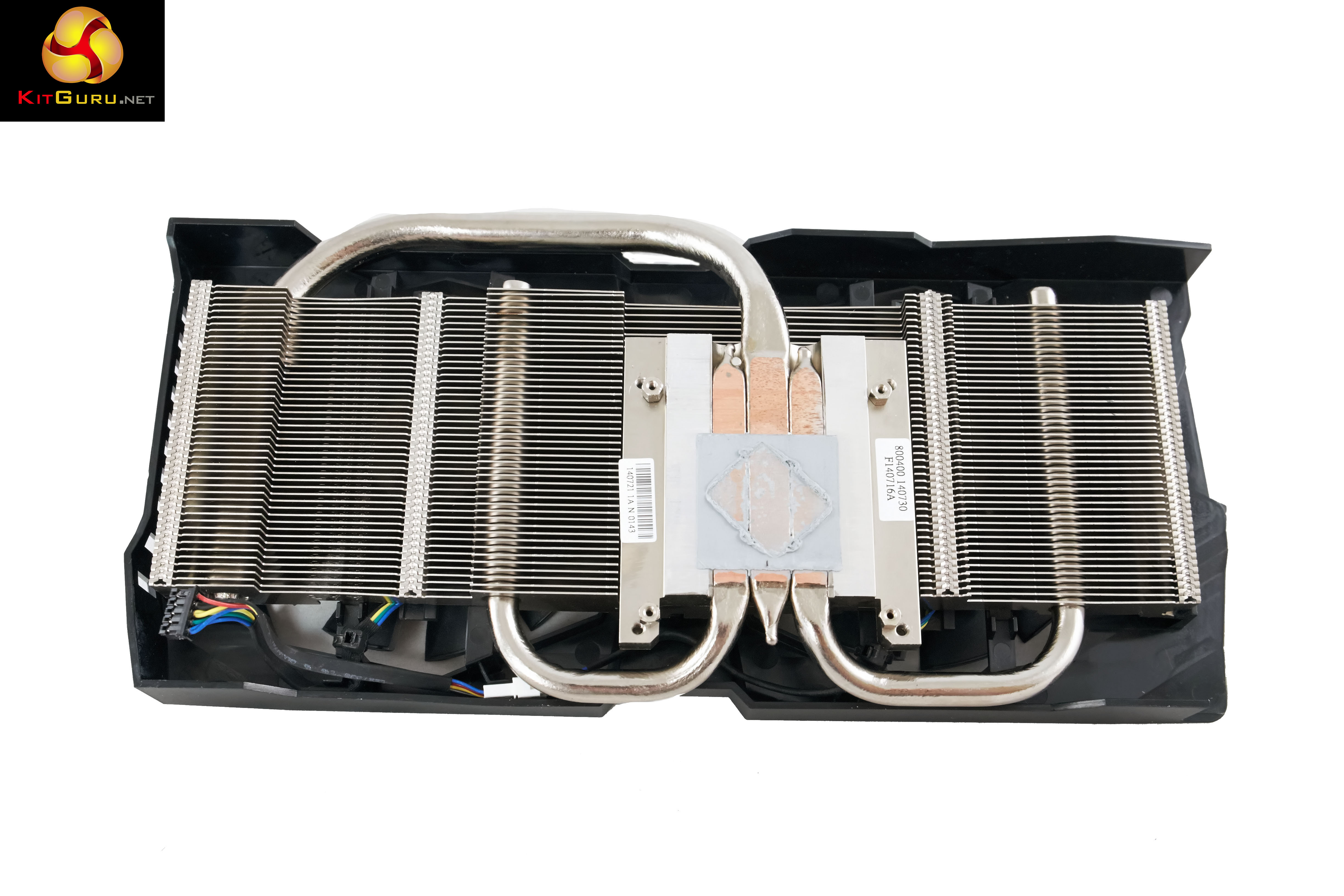
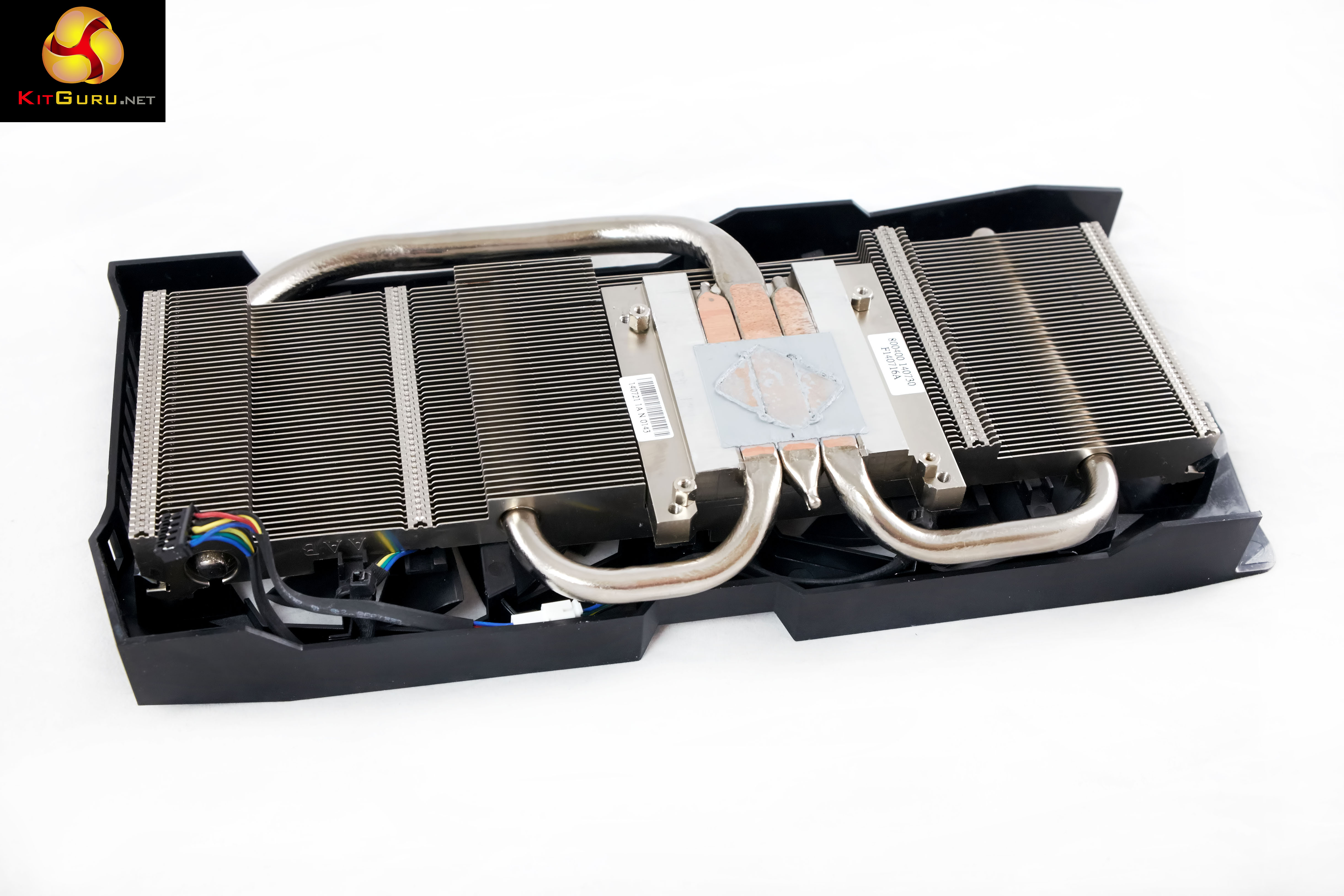
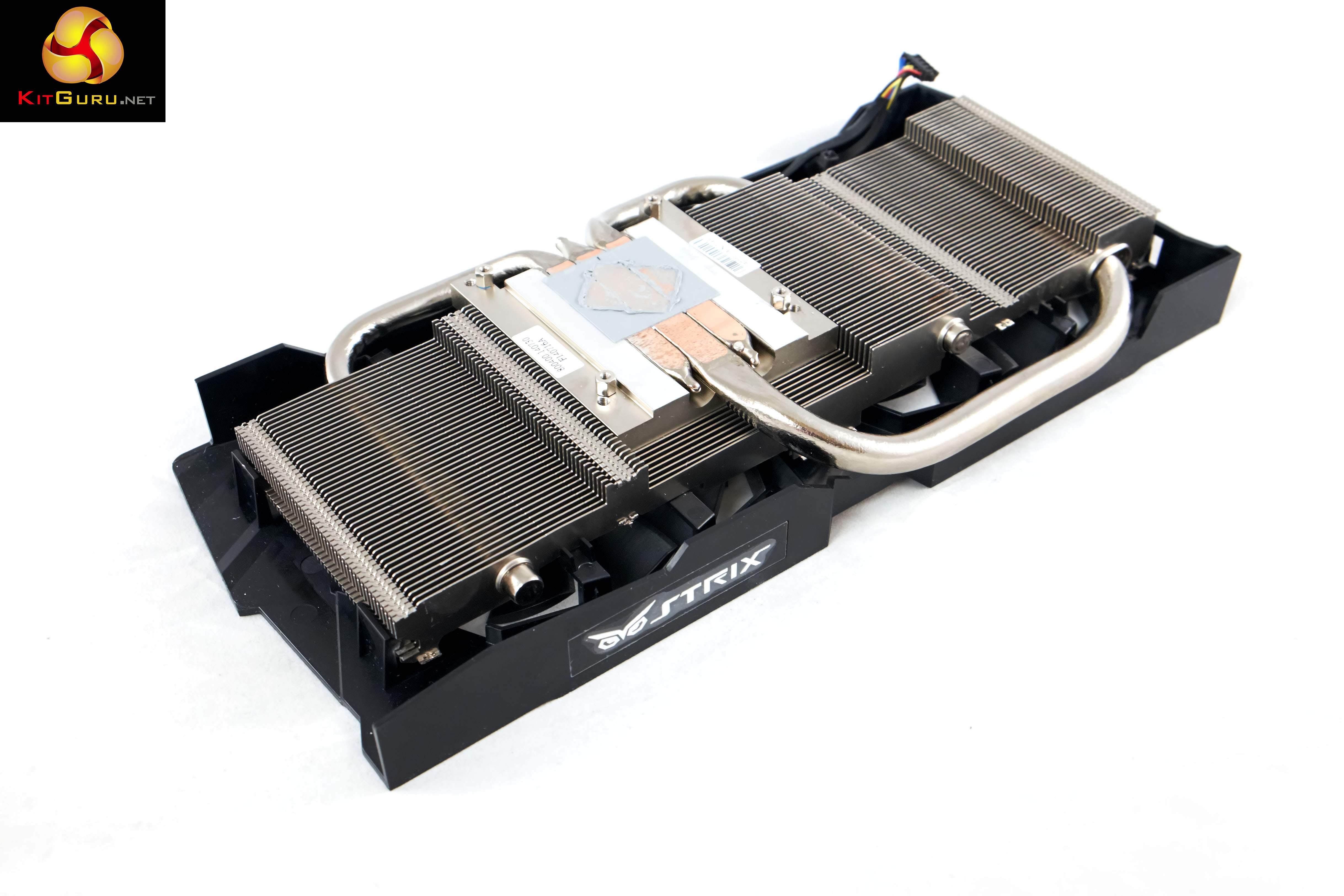
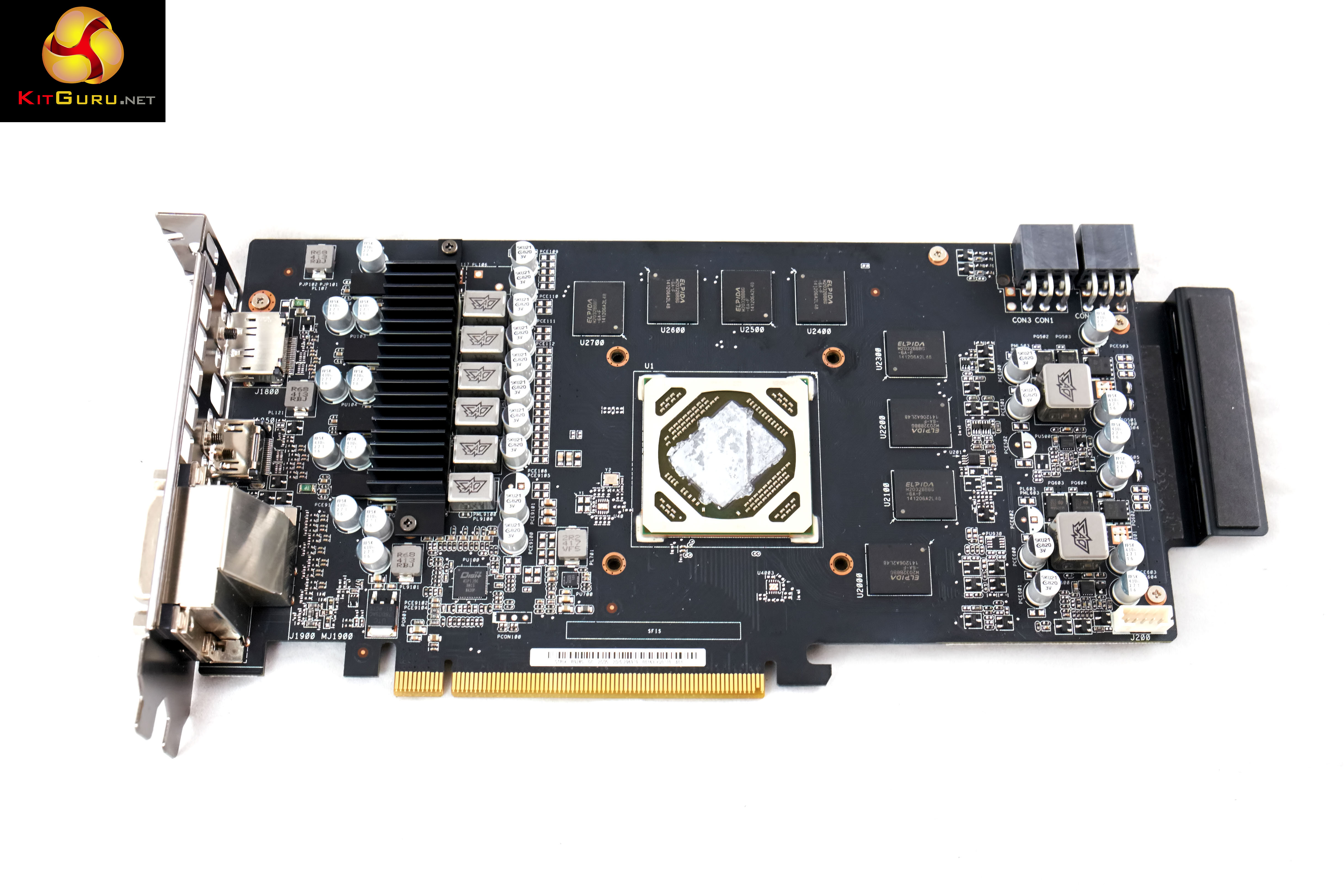
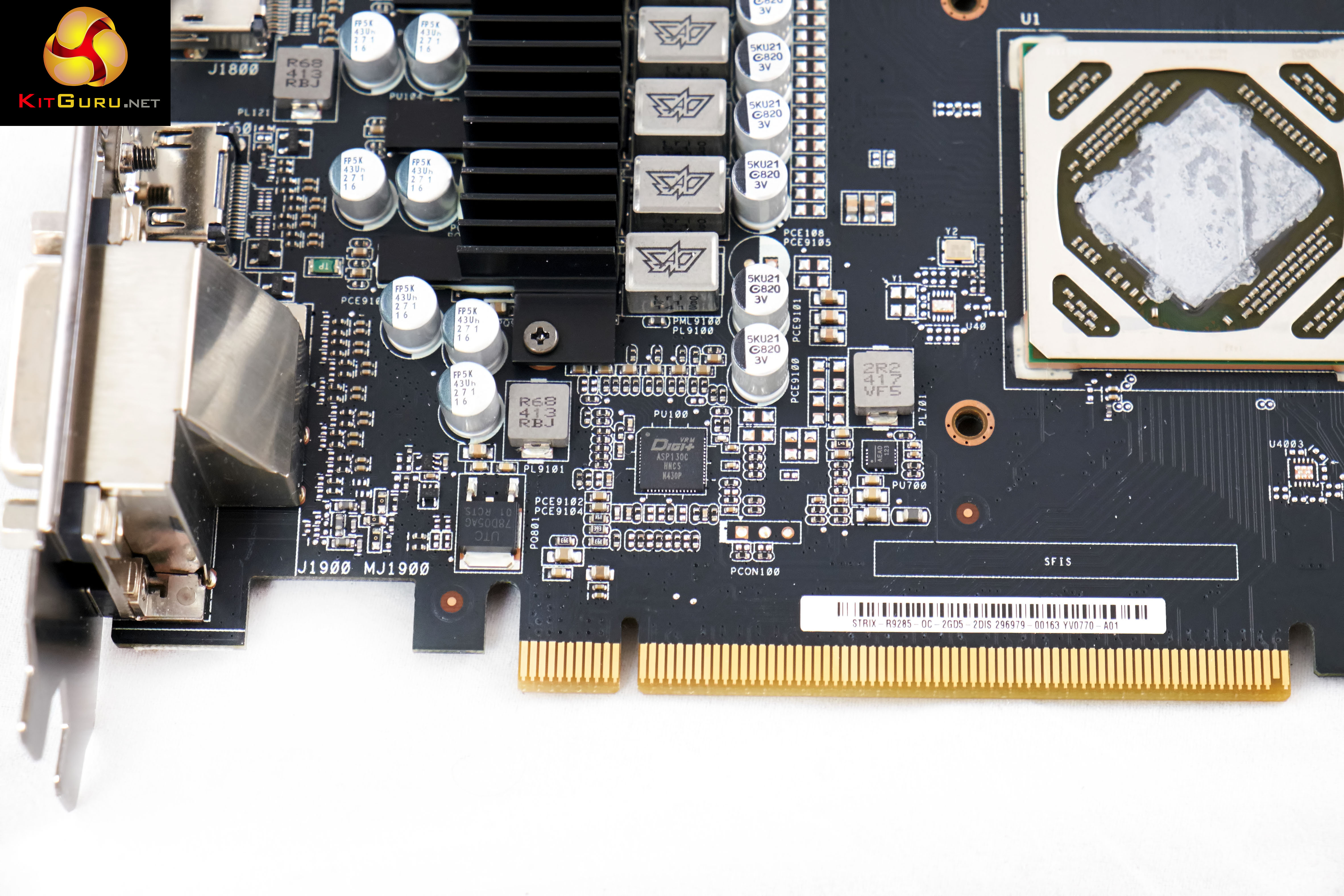
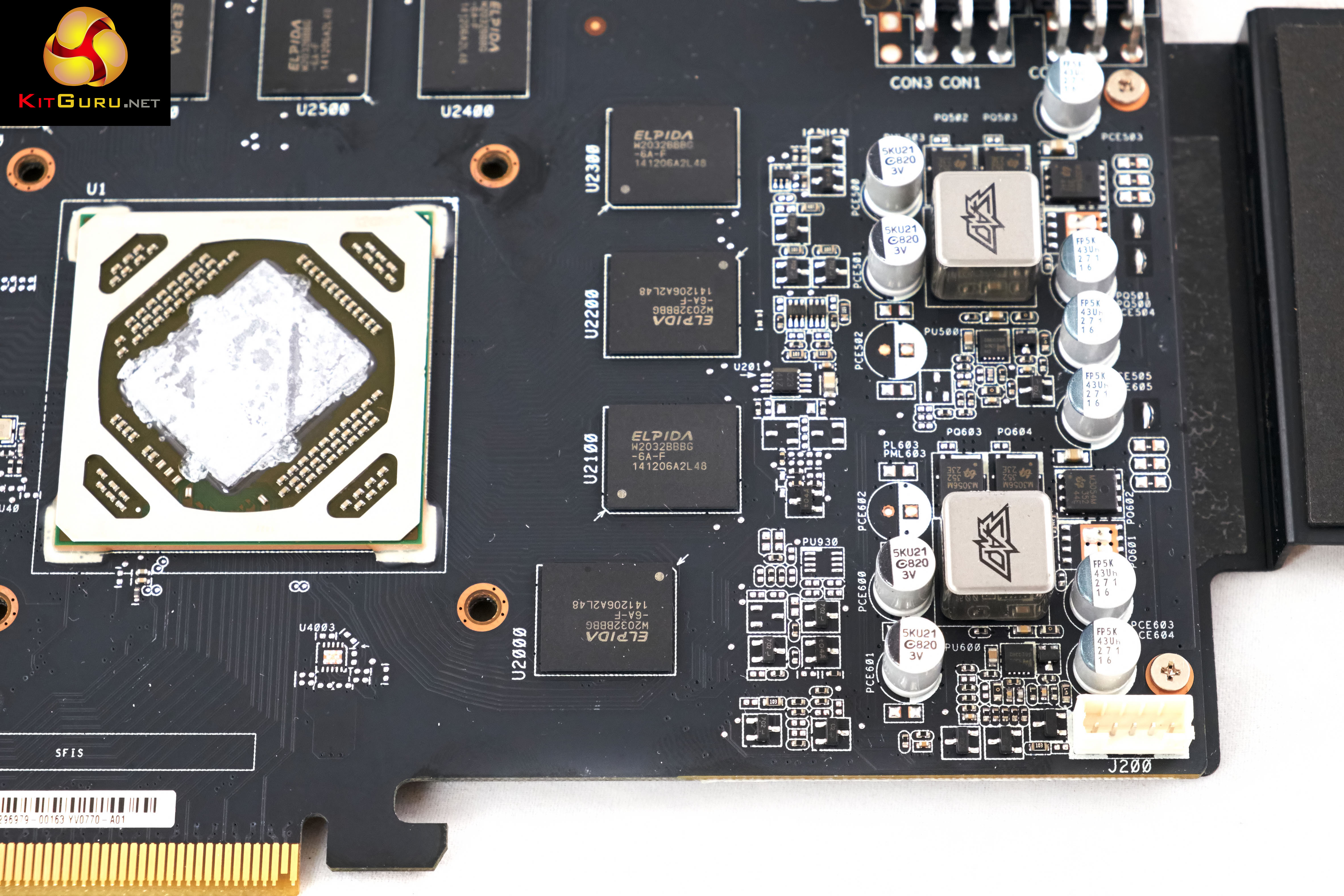
Today we test with the latest Catalyst 14.7 beta driver and Forceware 340.52 driver. We didn't receive a reference clocked AMD R9 285 to review, so to be even handed we tested against other overclocked solutions widely available today from both Nvidia and AMD partners.
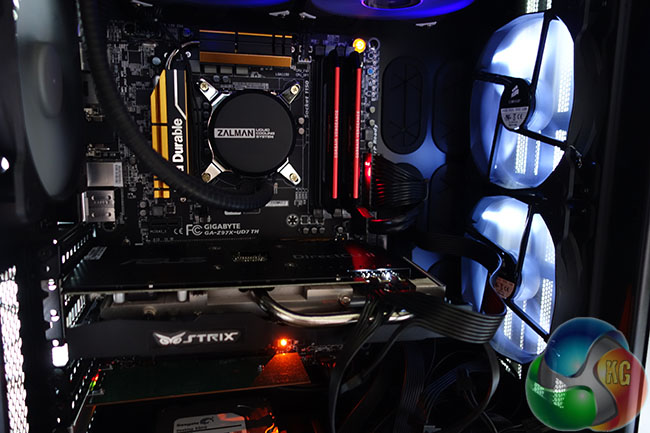
We are using one of our brand new test rigs supplied by DINOPC and built to our specifications. If you want to read more about this, or are interested in buying the same Kitguru Test Rig, check out our article with links on this page. We are using an Apple 30 inch Cinema HD monitor for this review today.
We include the GTX750Ti today as a comparison to show you what you can get if you move up from the £100-£120 market.
We tried to downclock the XFX R9 280 Black OC Edition to the same 954mhz speed as the Asus R9 285 Strix, but we couldn't get the clock speed to hold at these speeds without variances. We therefore tested all cards at their ‘out of the box' speeds in this review today.
Comparison cards:
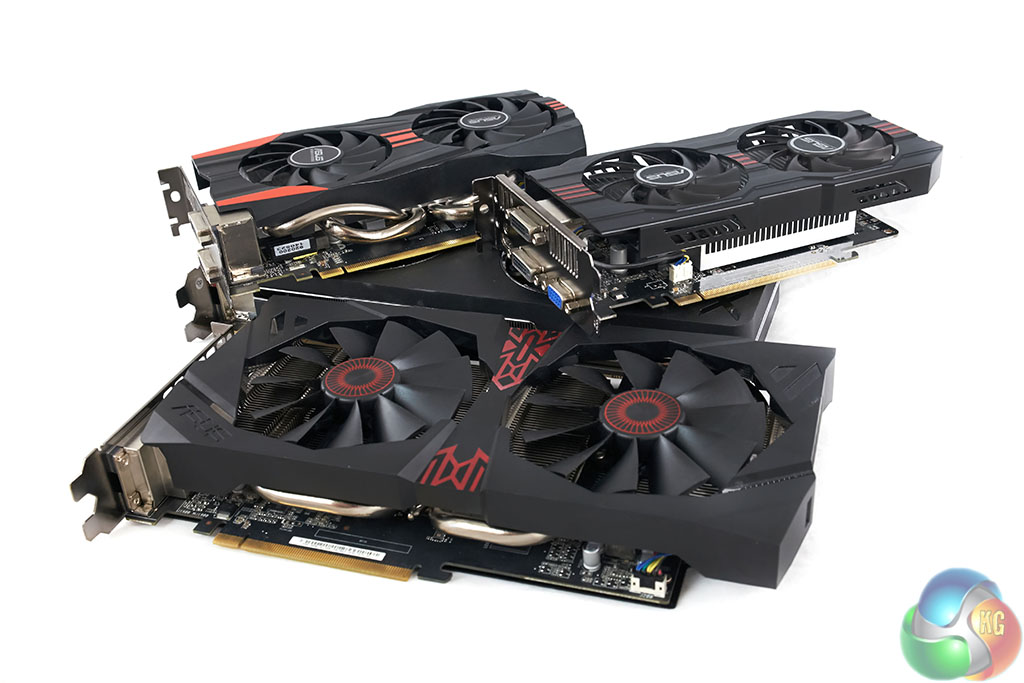
XFX R9 280X (1000 mhz more / 1500 mhz memory)
XFX R9 280 Black OC Edition (1000 mhz core / 1300 mhz memory)
Asus GTX760 Direct CU II OC (1006 mhz core / 1502 mhz memory)
Asus GTX750 Ti (1072 mhz / 1350 mhz memory)
Software:
Windows 7 Enterprise 64 bit
Unigine Heaven Benchmark
Unigine Valley Benchmark
3DMark Vantage
3DMark 11
3DMark
Fraps Professional
Steam Client
FurMark
Software and Games:
3DMark Vantage
3DMark 11
3DMark
Unigine Heaven
Unigine Valley
Tomb Raider
Grid Autosport
Wolfenstein: The New Order
Battlefield 4
Thief
Total War: Rome 2
All the latest BIOS updates and drivers are used during testing. We perform generally under real world conditions, meaning KitGuru tests games across five closely matched runs and then average out the results to get an accurate median figure. If we use scripted benchmarks, they are mentioned on the relevant page.
Futuremark released 3DMark Vantage, on April 28, 2008. It is a benchmark based upon DirectX 10, and therefore will only run under Windows Vista (Service Pack 1 is stated as a requirement) and Windows 7. This is the first edition where the feature-restricted, free of charge version could not be used any number of times. 1280×1024 resolution was used with performance settings.
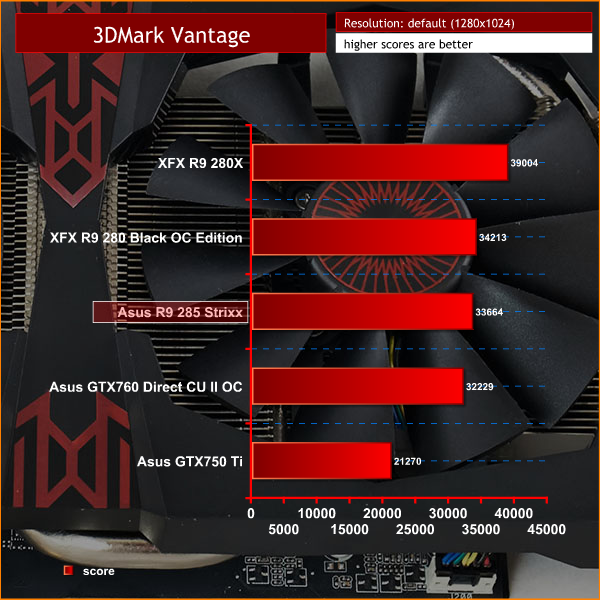
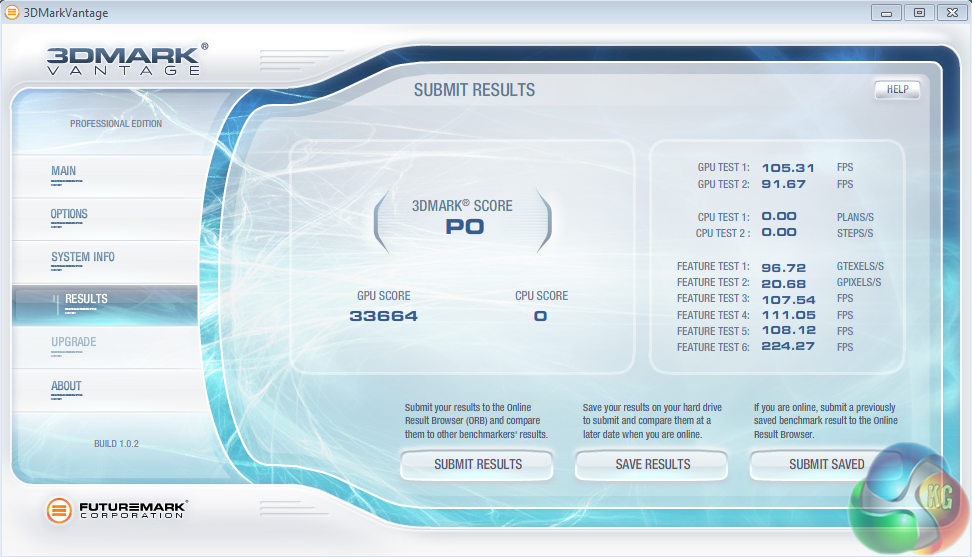
The system scored 33,664 points, which is a healthy score and a good indication that older Direct X 10 games will run very smoothly at high resolution.
3DMark 11 is designed for testing DirectX 11 hardware running on Windows 7 and Windows Vista the benchmark includes six all new benchmark tests that make extensive use of all the new features in DirectX 11 including tessellation, compute shaders and multi-threading. After running the tests 3DMark gives your system a score with larger numbers indicating better performance. Trusted by gamers worldwide to give accurate and unbiased results, 3DMark 11 is the best way to test DirectX 11 under game-like loads.
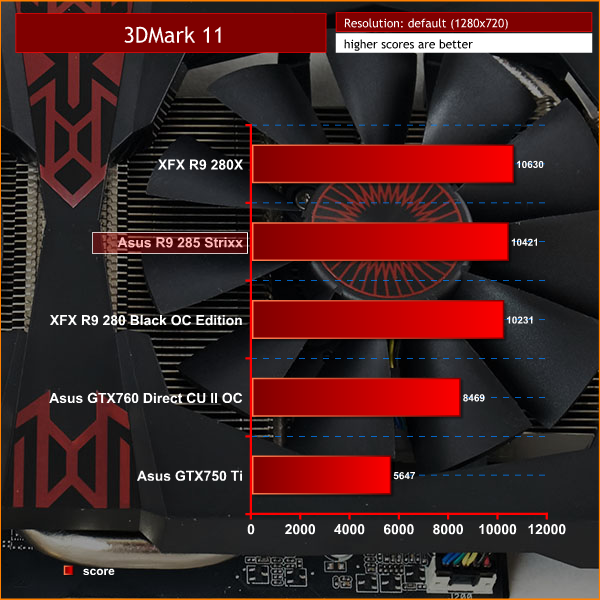
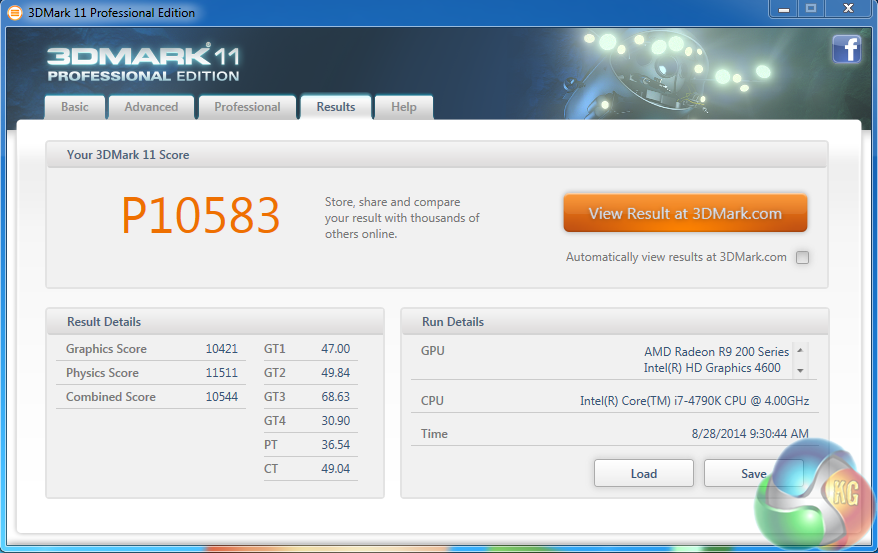
The graphics score of 10,421 points places the R9 285 very close next to the R9 280 Black OC Edition, although the R9 285 holds a small performance edge. The R9 280X claims top spot with a score of 10,630 points.
The GTX760 Direct CU II OC falls a couple of thousand points behind the R9 285.
3DMark is an essential tool used by millions of gamers, hundreds of hardware review sites and many of the world’s leading manufacturers to measure PC gaming performance.
Futuremark say “Use it to test your PC’s limits and measure the impact of overclocking and tweaking your system. Search our massive results database and see how your PC compares or just admire the graphics and wonder why all PC games don’t look this good.
To get more out of your PC, put 3DMark in your PC.”
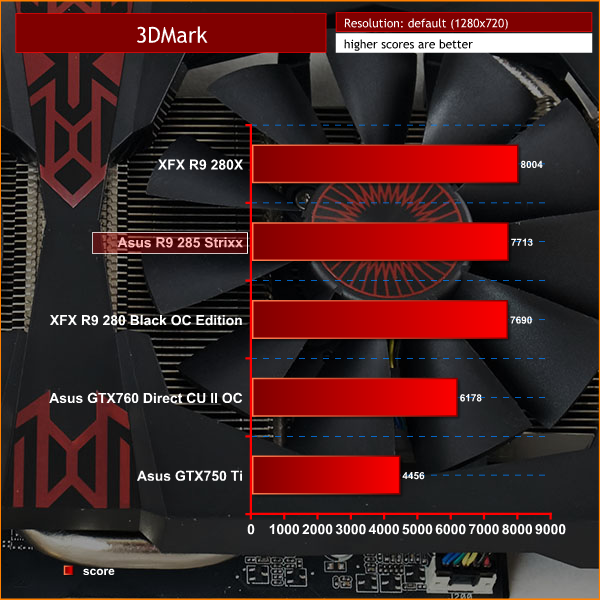
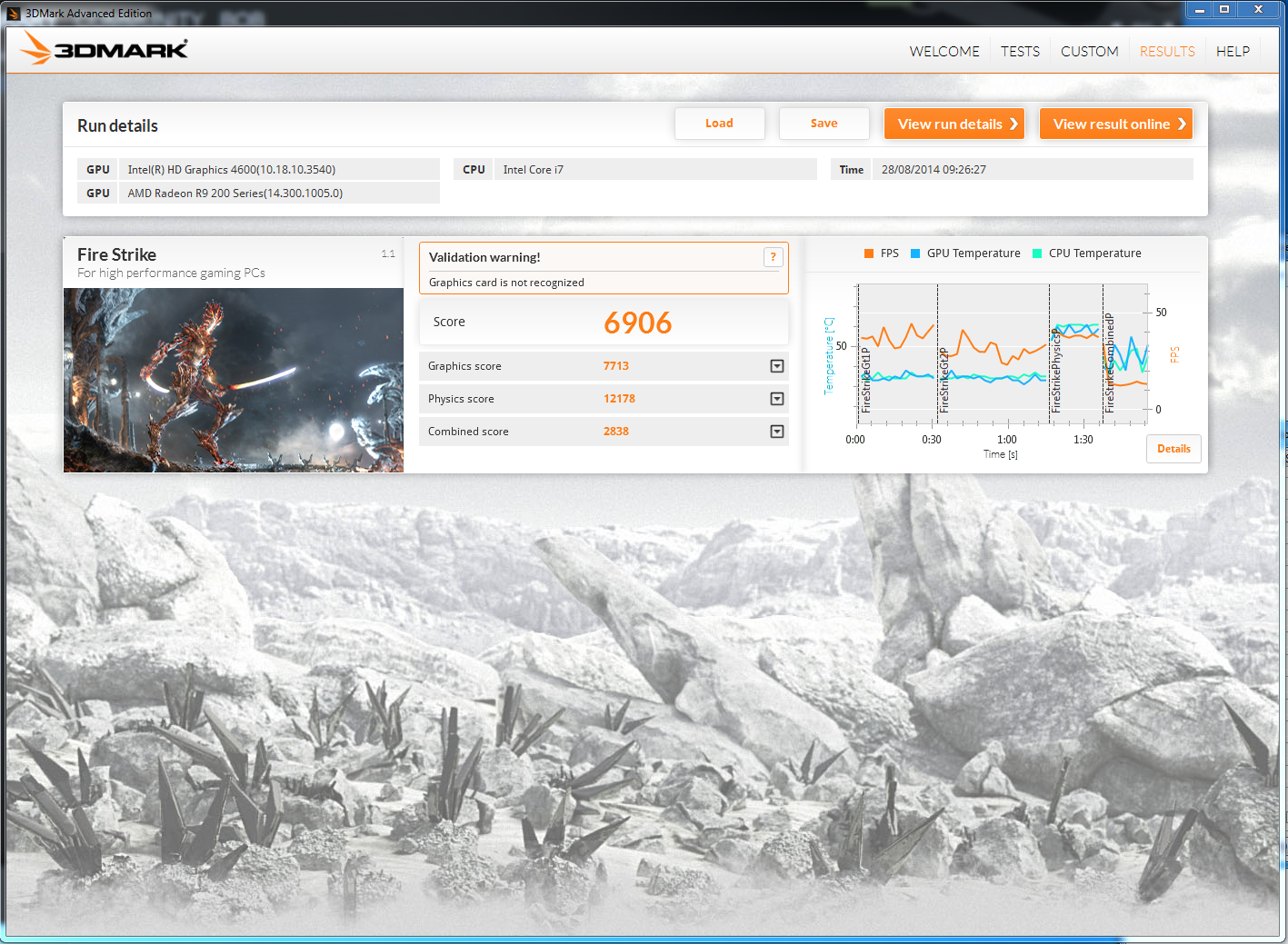
Performance in 3DMark 11 is pretty much were we would expect, scoring 7,713 points, closely matched to the higher clocked XFX R9 280 Black OC Edition. The Asus GTX760 Direct CU II OC is considerably behind both cards, scoring 6,178 points.
Unigine provides an interesting way to test hardware. It can be easily adapted to various projects due to its elaborated software design and flexible toolset.
A lot of their customers claim that they have never seen such extremely-effective code, which is so easy to understand.
Heaven Benchmark is a DirectX 11 GPU benchmark based on advanced Unigine engine from Unigine Corp. It reveals the enchanting magic of floating islands with a tiny village hidden in the cloudy skies. Interactive mode provides emerging experience of exploring the intricate world of steampunk.
Efficient and well-architected framework makes Unigine highly scalable:
- Multiple API (DirectX 9 / DirectX 10 / DirectX 11 / OpenGL) render
- Cross-platform: MS Windows (XP, Vista, Windows 7) / Linux
- Full support of 32bit and 64bit systems
- Multicore CPU support
- Little / big endian support (ready for game consoles)
- Powerful C++ API
- Comprehensive performance profiling system
- Flexible XML-based data structures

We switched Tessellation to ‘normal' and quality to ‘high', running at 1080p resolution.
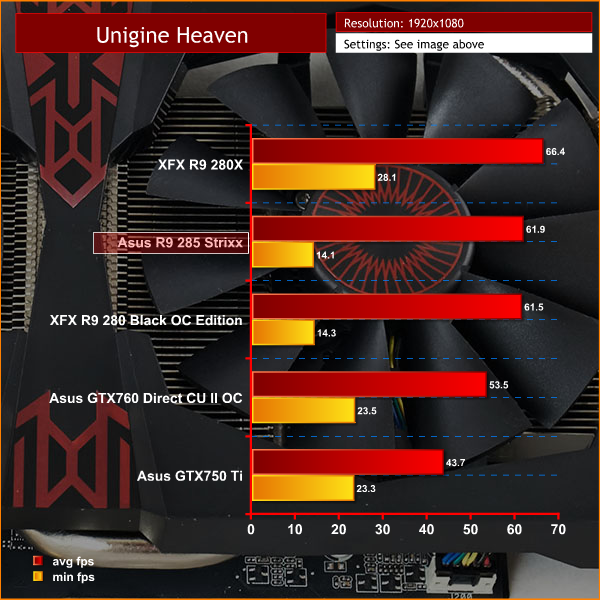
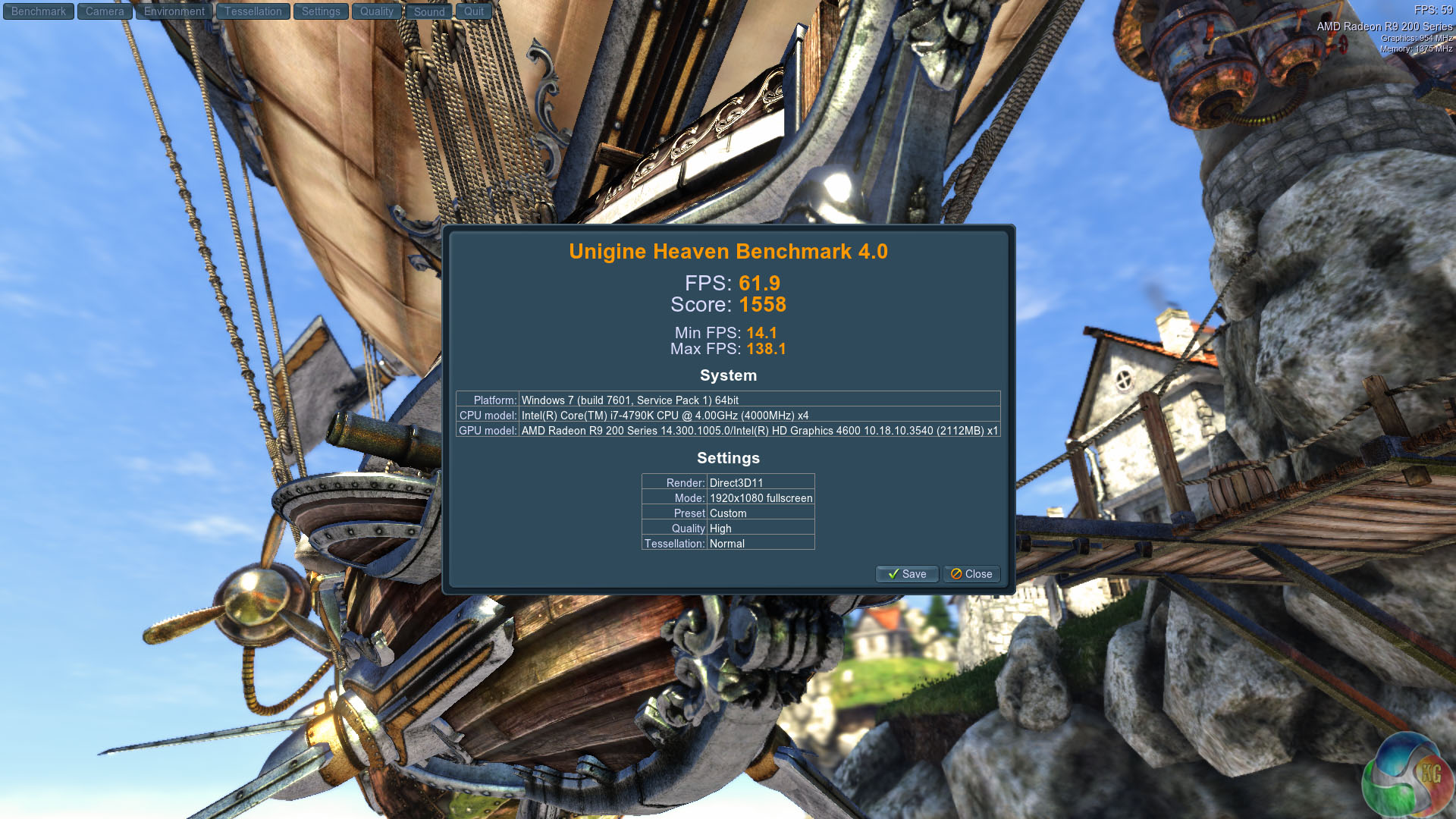
We experienced some microstuttering in this engine between a couple of the tests, which makes the minimum frame rate look a lot worse than it actually was during the benchmark. Regardless the results are very positive, averaging 62 frames per second.
Valley Benchmark is a new GPU stress-testing tool from the developers of the very popular and highly acclaimed Heaven Benchmark. The forest-covered valley surrounded by vast mountains amazes with its scale from a bird’s-eye view and is extremely detailed down to every leaf and flower petal. This non-synthetic benchmark powered by the state-of-the art UNIGINE Engine showcases a comprehensive set of cutting-edge graphics technologies with a dynamic environment and fully interactive modes available to the end user.
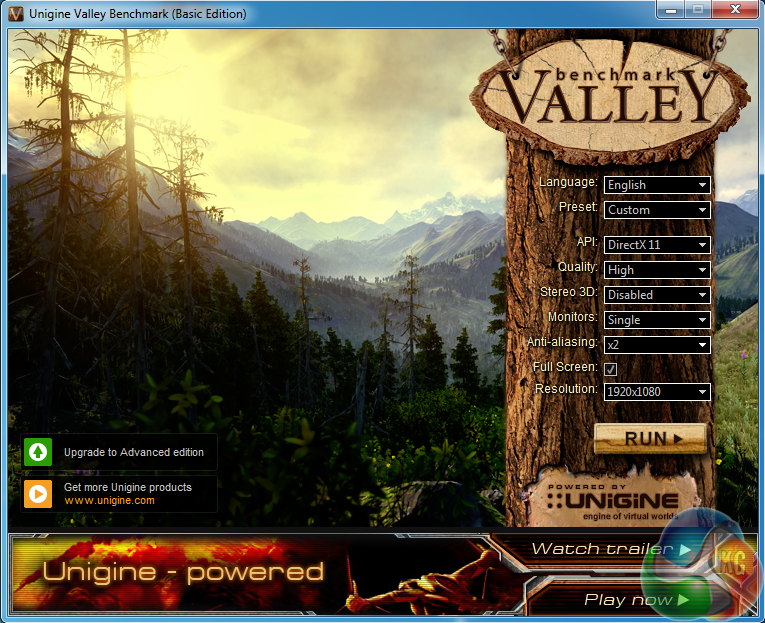
We set quality to ‘high' and enabled 2 times anti aliasing.
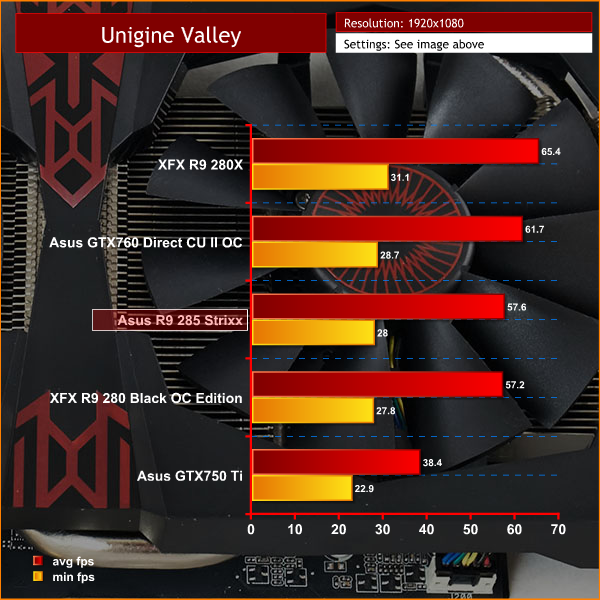
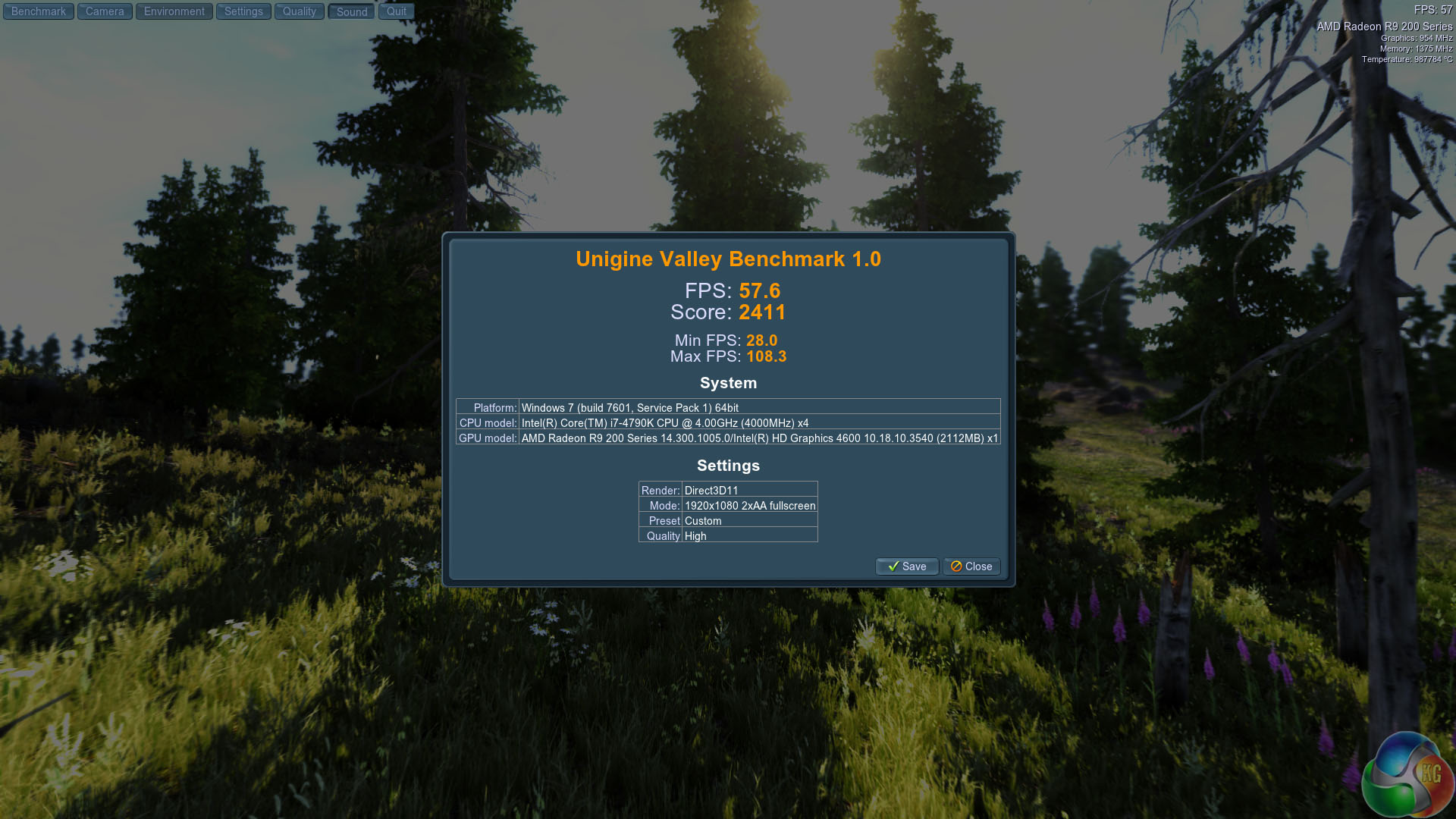
Smooth frame rates throughout, holding very closely matched against the higher clocked XFX R9 280 Black OC Edition. AMD don't seem to spend much time optimising this particular benchmark, so we can see the GTX760 Direct CI II OC claims the second position behind the XFX R9 280X.
Tomb Raider received much acclaim from critics, who praised the graphics, the gameplay and Camilla Luddington’s performance as Lara with many critics agreeing that the game is a solid and much needed reboot of the franchise. Much criticism went to the addition of the multiplayer which many felt was unnecessary. Tomb Raider went on to sell one million copies in forty-eight hours of its release, and has sold 3.4 million copies worldwide so far.
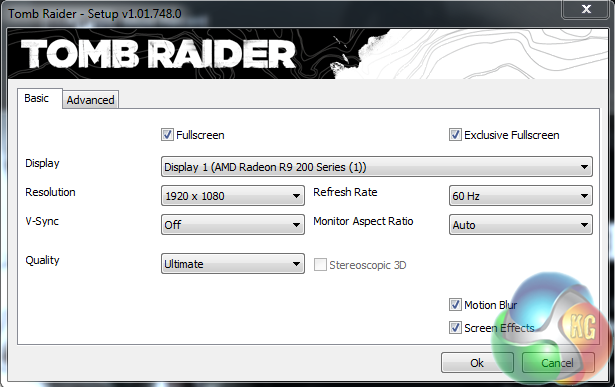
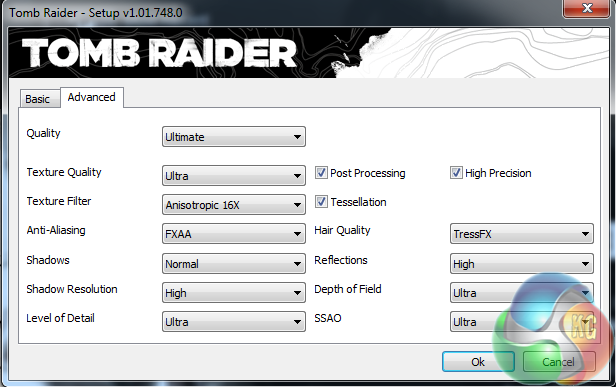
We opted for the ‘ultimate' profile to get the maximum image quality, and set resolution to 1920×1080.
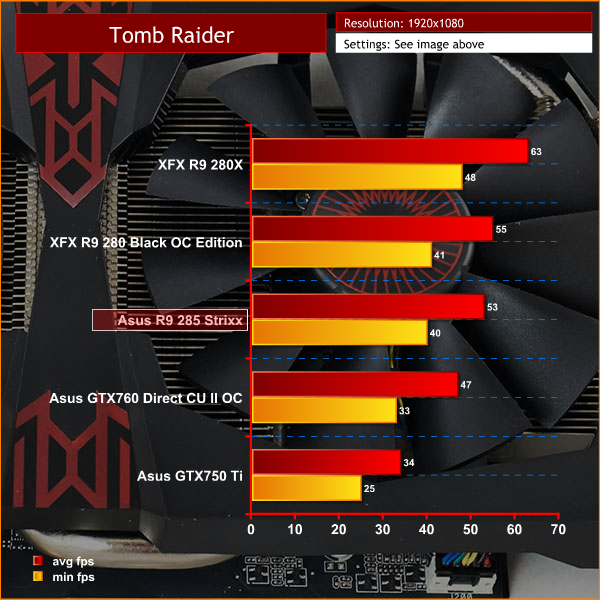
Performance at 1080p is perfectly playable , averaging 53 frames per second. Frame rates are held at 40 at all times. The overclocked GTX760 falls noticeably behind, averaging 47 frames per second.
Total War ROME 2 is the eighth stand alone game in the Total War series, it is the successor to the successful Rome: Total War title. The Warscape Engine powers the visuals of the game and the new unit cameras will allow players to focus on individual soldiers on the battlefield, which in itself may contain thousands of combatants at a time. Creative Assembly has stated that they wish to bring out the more human side of war this way, with soldiers reacting with horror as their comrades get killed around them and officers inspiring their men with heroic speeches before siege towers hit the walls of the enemy city. This will be realised using facial animations for individual units, adding a feel of horror and realism to the battles.


We test at 1080p at the ‘Ultra' image quality preset.
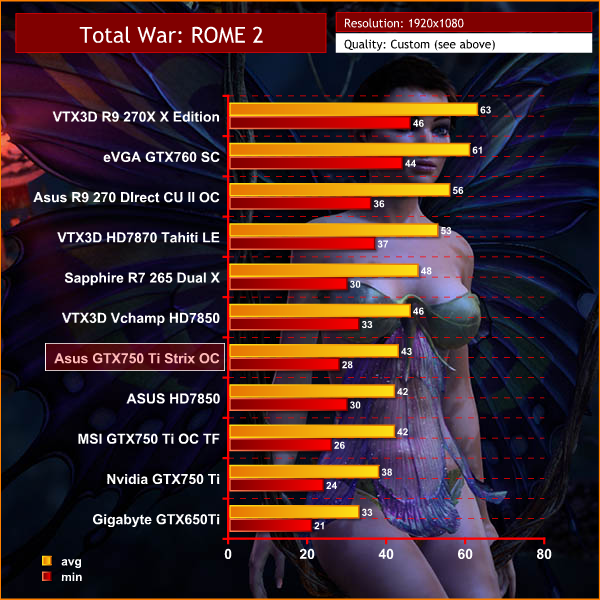
A strong engine for AMD hardware, and we can see the overclocked GTX760 struggles to score close to the same frame rates as the R9 285 or R9 280.
Grid Autosport (styled as GRID Autosport) is a racing video game by Codemasters and is the sequel to 2008′s Race Driver: Grid and 2013′s Grid 2. The game was released for Microsoft Windows, PlayStation 3 and Xbox 360 on June 24, 2014.
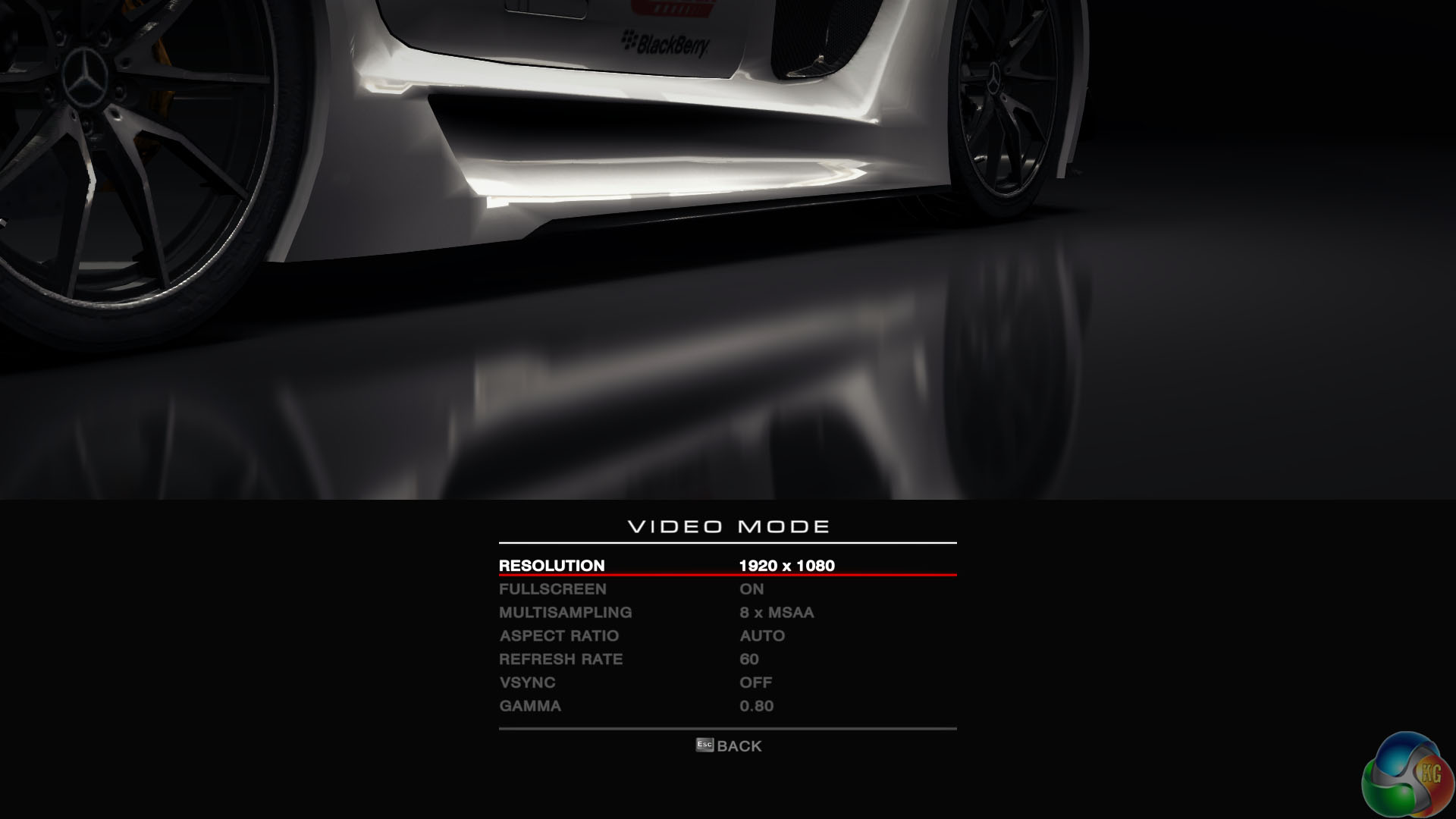
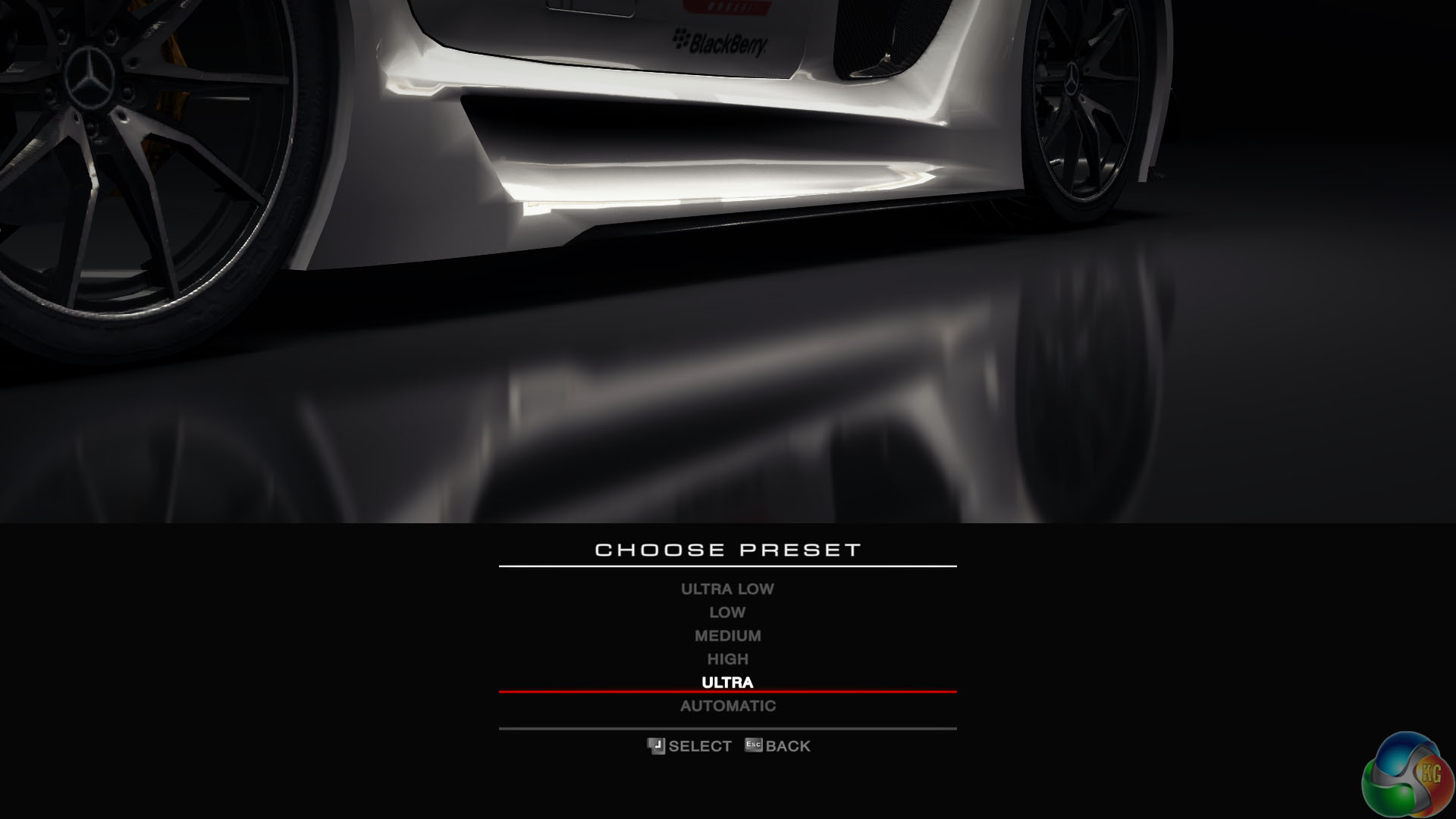
We test at 1080p with 8MSAA. The Ultra Preset is enabled.
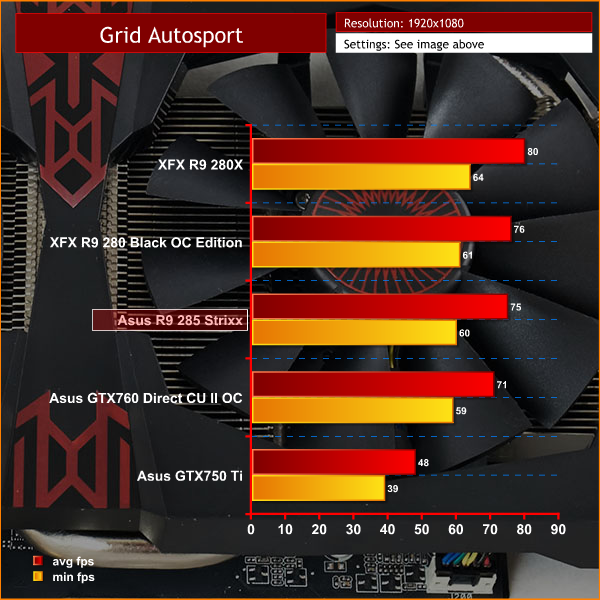
Not the most demanding engine, and all cards can power this game at 1080p without a problem. We can however see that the R9 285 Strixx is a little ahead of the overclocked GTX760 Direct CU II OC.
Battlefield 4 (also known as BF4) is a first-person shooter video game developed by EA Digital Illusions CE (DICE) and published by Electronic Arts. The game is a sequel to 2011′s Battlefield 3. Battlefield 4 is built on the new Frostbite 3 engine. The new Frostbite engine enables more realistic environments with higher resolution textures and particle effects. A new “networked water” system is also being introduced, allowing all players in the game to see the same wave at the same time. Tessellation has also been overhauled.
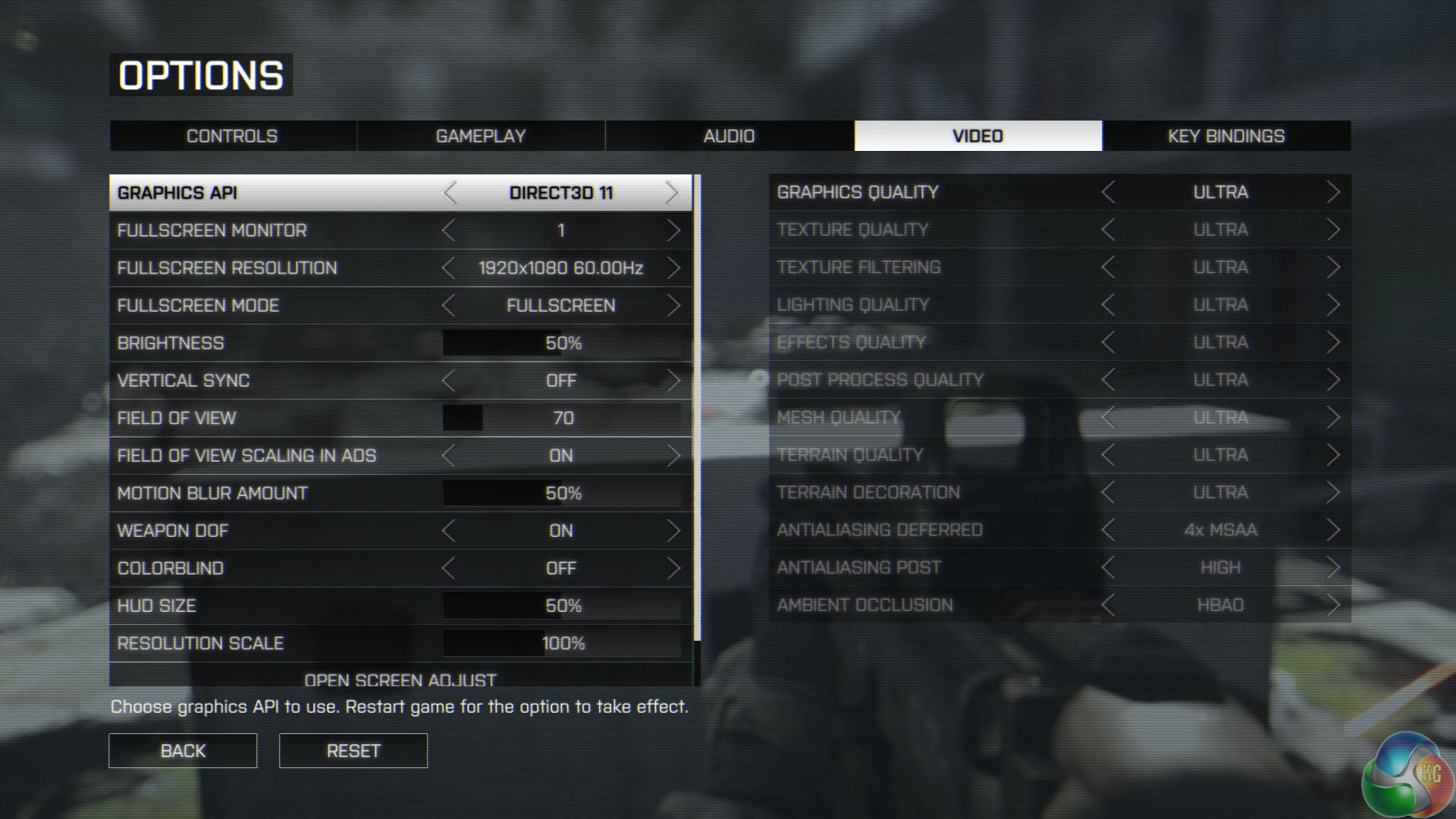
We test at 1080p with the Ultra graphics quality setting enabled.
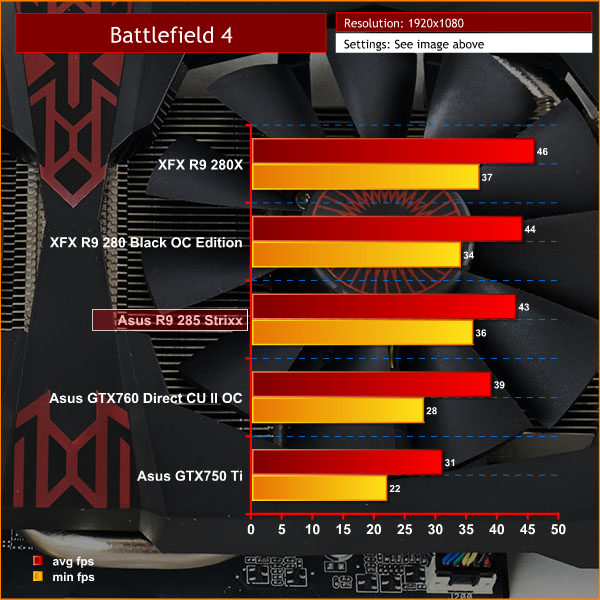
A demanding engine, but the R9 280 and R9 285 are able to hold very smooth frame rates. The GTX760 OC is a little slower, although it is still able to power the game without a problem.
Thief is set in a dark fantasy world inspired by Victorian, gothic, and steampunk aesthetics. Garrett, a master thief who has been away from his hometown for a long time, returns to it, a place known only as The City, and finds it ruled with an iron grip by a tyrant called The Baron. While The City is ravaged by a plague, the rich continue to live in isolation and good fortune while the poor are forming numerous mobs against the authorities, Garrett intends to use the volatile situation to his favor.
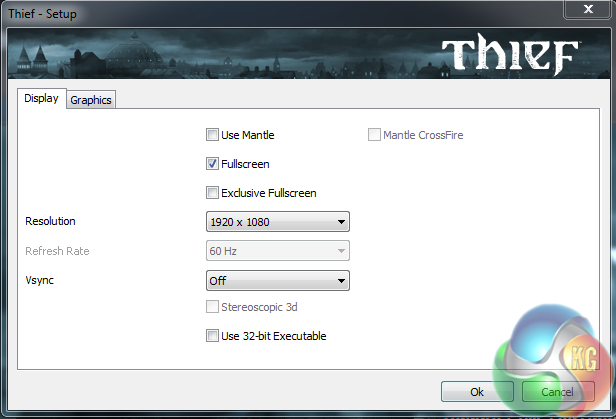
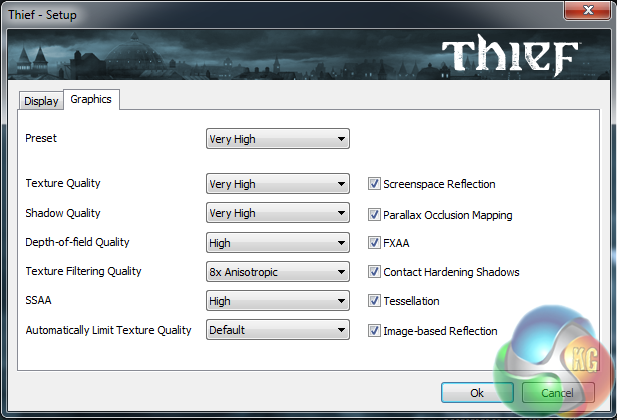
We test the game at 1080p with the ‘very high' quality setting enabled.
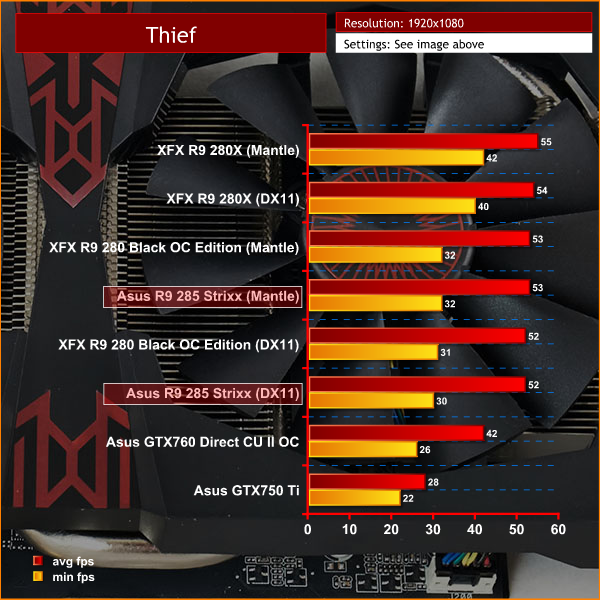
A demanding engine at these high image quality settings, but the R9 285 has no problems powering this engine at 1080p. The overclocked GTX760 trailed quite a bit behind the AMD cards, averaging around 10 frames per second less.
In Wolfenstein: The New Order you are Captain B.J. Blazkowicz, the American War Hero. After emerging into this world of darkness, you must launch an impossible counter-offensive against the monstrous Nazi regime. Only you dare stand up against an unstoppable army of Nazi robots and hulking Super Soldiers. Only you can stop Deathshead. Only you can rewrite history.
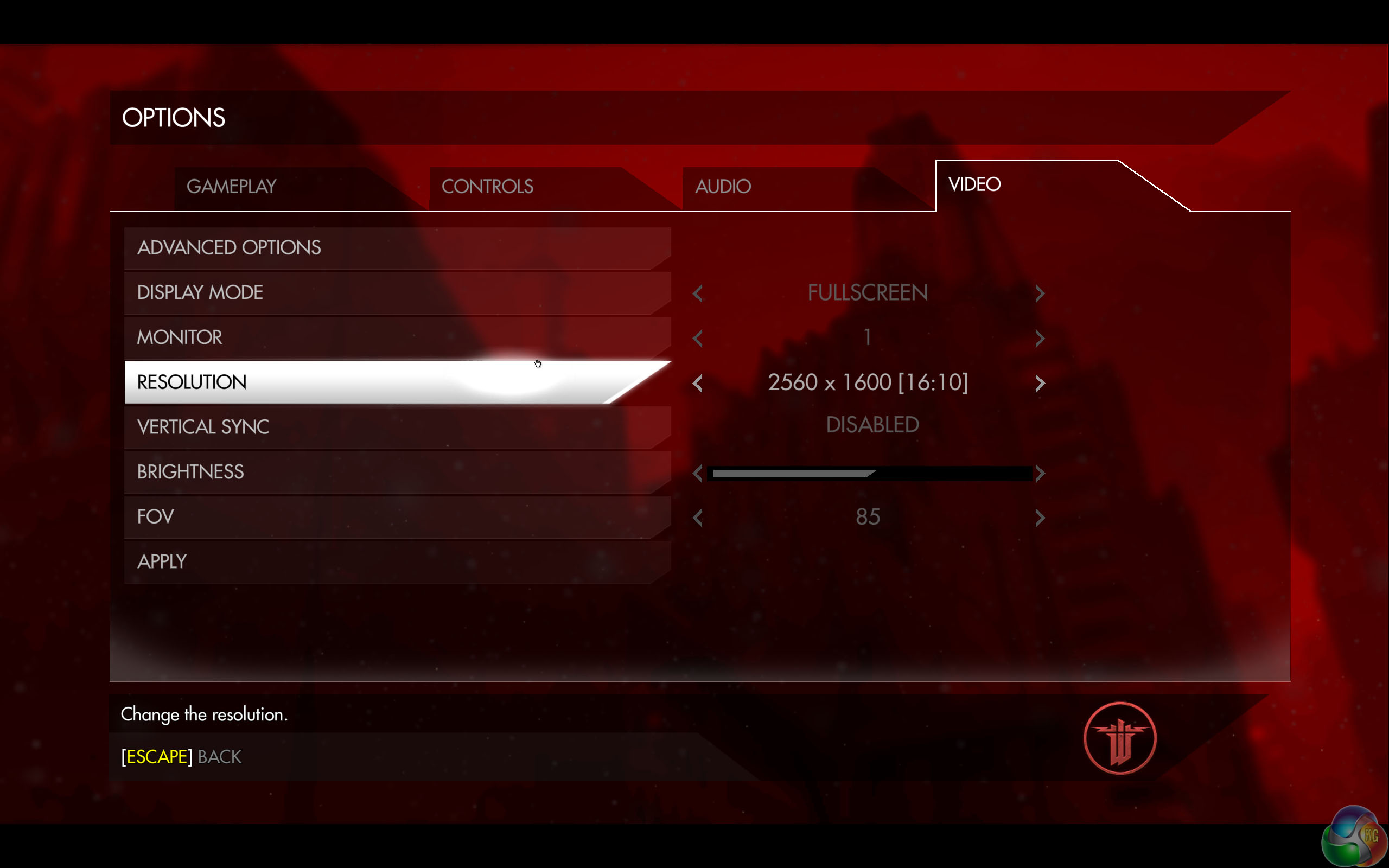
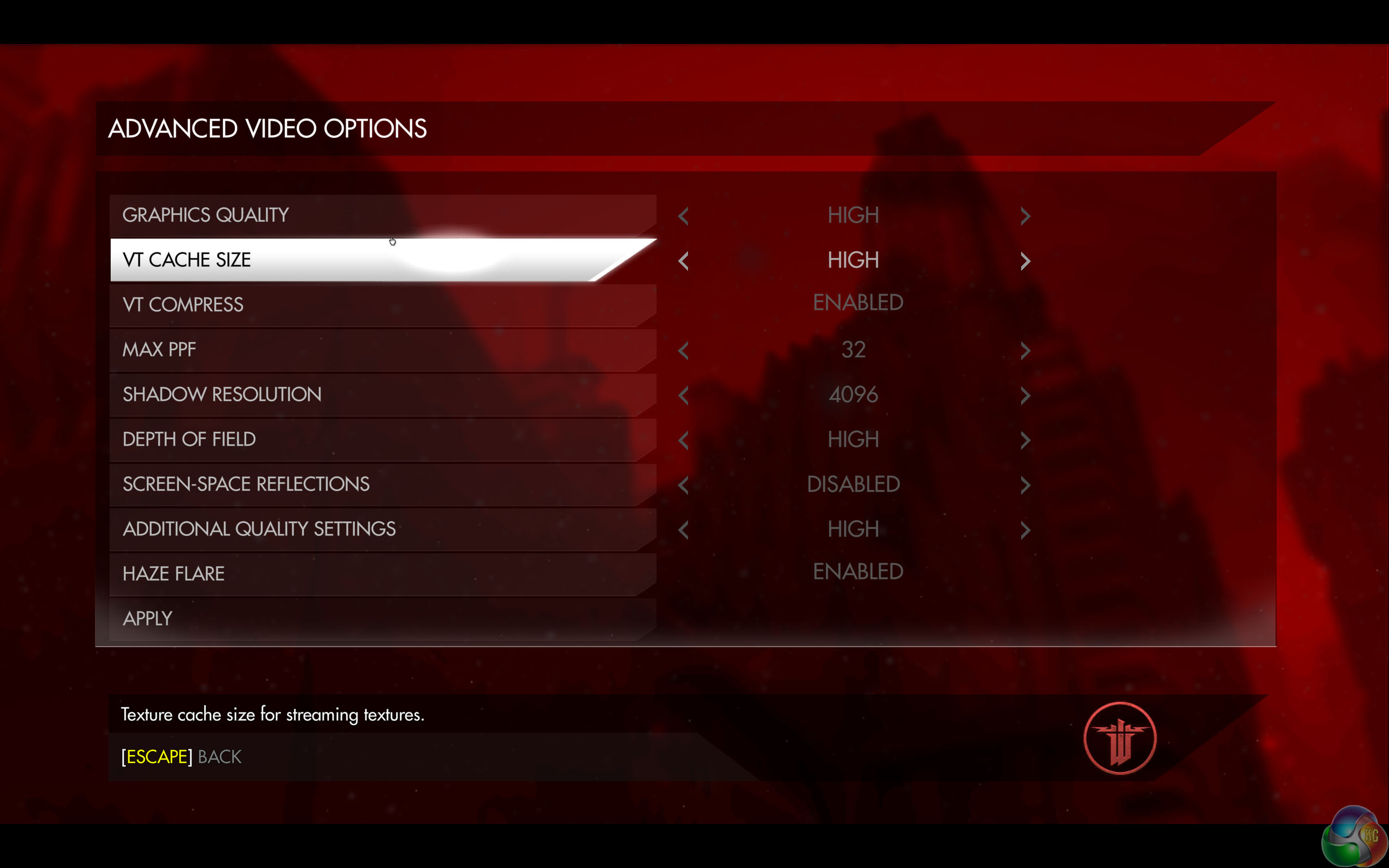
We test this engine at 2560×1600 with image quality at a high level, shown in the screenshots above.

No problems powering this game, averaging 45 frames per second, closely matched with the overclocked R9 280.
The tests were performed in a controlled air conditioned room with temperatures maintained at a constant 24c – a comfortable environment for the majority of people reading this. Idle temperatures were measured after sitting at the desktop for 30 minutes. Load measurements were acquired by playing Crysis Warhead for 30 minutes and measuring the peak temperature. We also have included Furmark results, recording maximum temperatures throughout a 30 minute stress test. All fan settings were left on automatic.
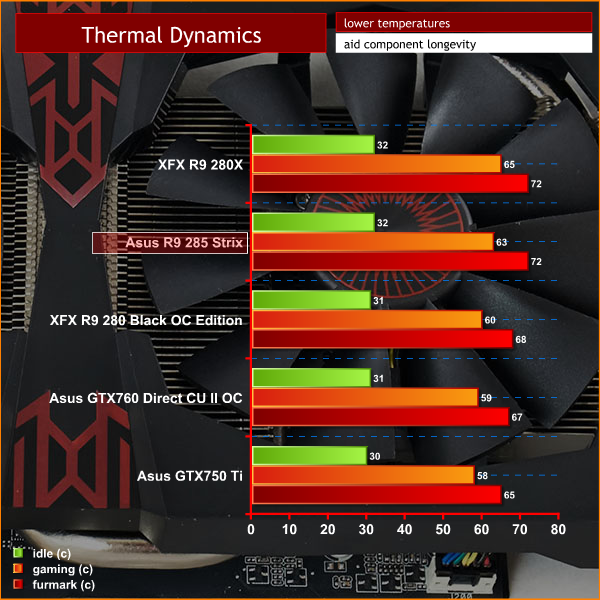
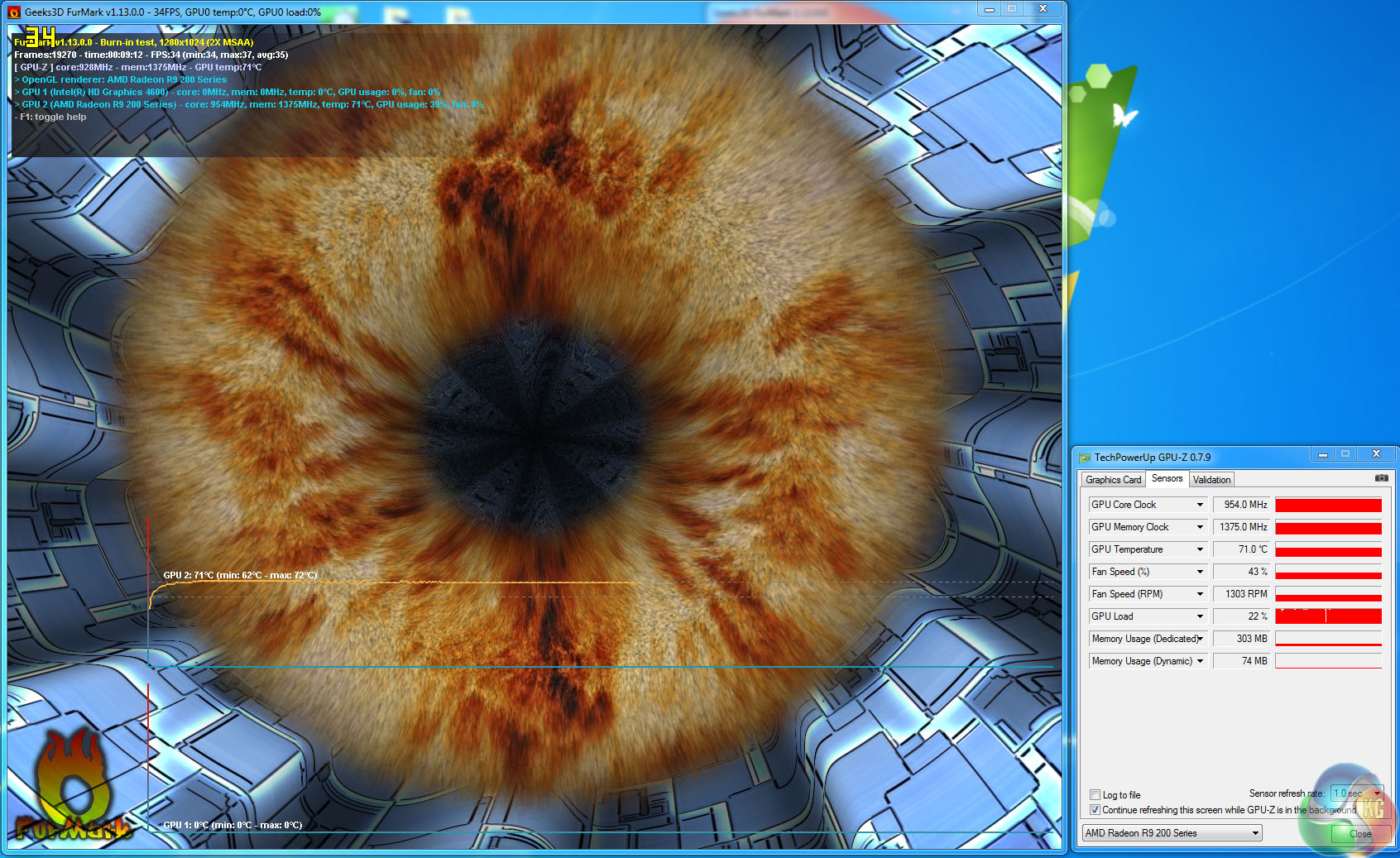
The Strix cooler on the R9 285 doesn't activate until load temperatures hit around 55c. The fans spin very slowly (sometimes registering only 200 rpm). At 58c load they begin to spin up to maintain the default thermal curve. By 60c they are spinning at 1,300 rpm. When gaming – the fans spin around 1,700 rpm to hold a temperature around 63c.
We have built a system inside a Lian Li chassis with no case fans and have used a fanless cooler on our CPU. The motherboard is also passively cooled. This gives us a build with almost completely passive cooling and it means we can measure noise of just the graphics card inside the system when we run looped 3dMark tests.
We measure from a distance of around 1 meter from the closed chassis and 4 foot from the ground to mirror a real world situation. Ambient noise in the room measures close to the limits of our sound meter at 28dBa. It isn’t a real world situation to be measuring with a case panel off only a few centimeters away from a video card. Our noise figures may therefore be lower than other publications who record at closer distances, or without a fully closed case muting the noise.
Why do this? Well this means we can eliminate secondary noise pollution in the test room and concentrate on only the video card. It also brings us slightly closer to industry standards, such as DIN 45635.
KitGuru noise guide
10dBA – Normal Breathing/Rustling Leaves
20-25dBA – Whisper
30dBA – High Quality Computer fan
40dBA – A Bubbling Brook, or a Refrigerator
50dBA – Normal Conversation
60dBA – Laughter
70dBA – Vacuum Cleaner or Hairdryer
80dBA – City Traffic or a Garbage Disposal
90dBA – Motorcycle or Lawnmower
100dBA – MP3 player at maximum output
110dBA – Orchestra
120dBA – Front row rock concert/Jet Engine
130dBA – Threshold of Pain
140dBA – Military Jet takeoff/Gunshot (close range)
160dBA – Instant Perforation of eardrum
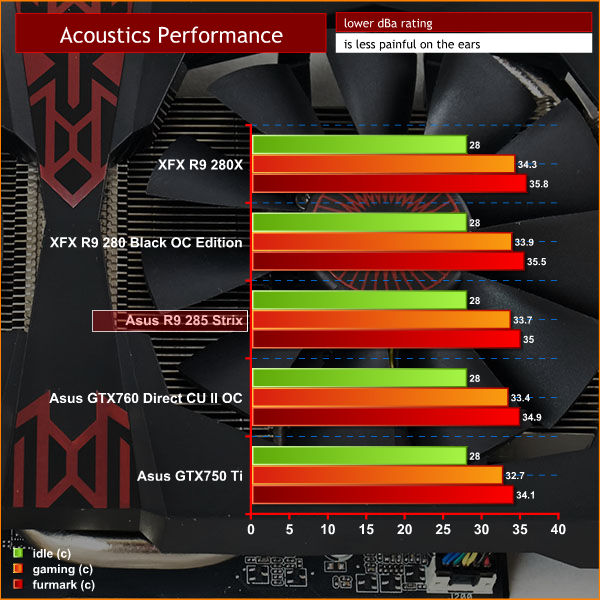
The Asus R9 285 Strix is a very quiet card, even when under sustained load. When idle, or under very low load, the temperature drops and the fans will slow down to around 200 rpm (in the high 50c's). When the temperature drops to 55c and below, both fans disable completely. The ASUS algorithm works very well and we hope more manufacturers start to adopt a similar system in the future.
To overclock today we used Catalyst Control Center, other software we tried exhibited a little instability with the new hardware.
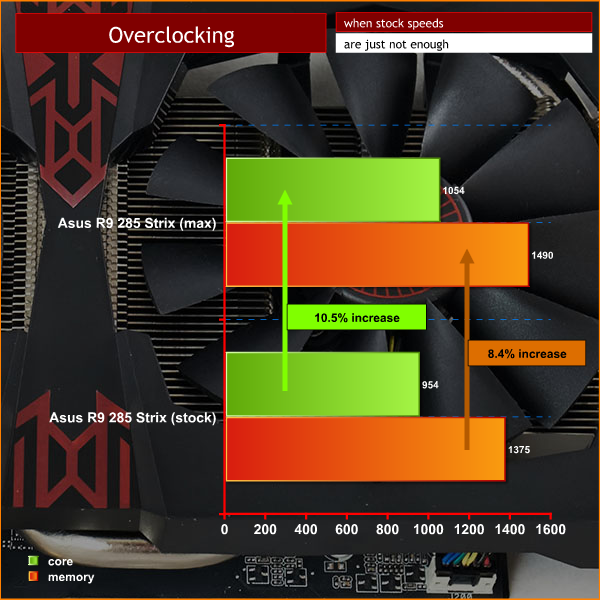
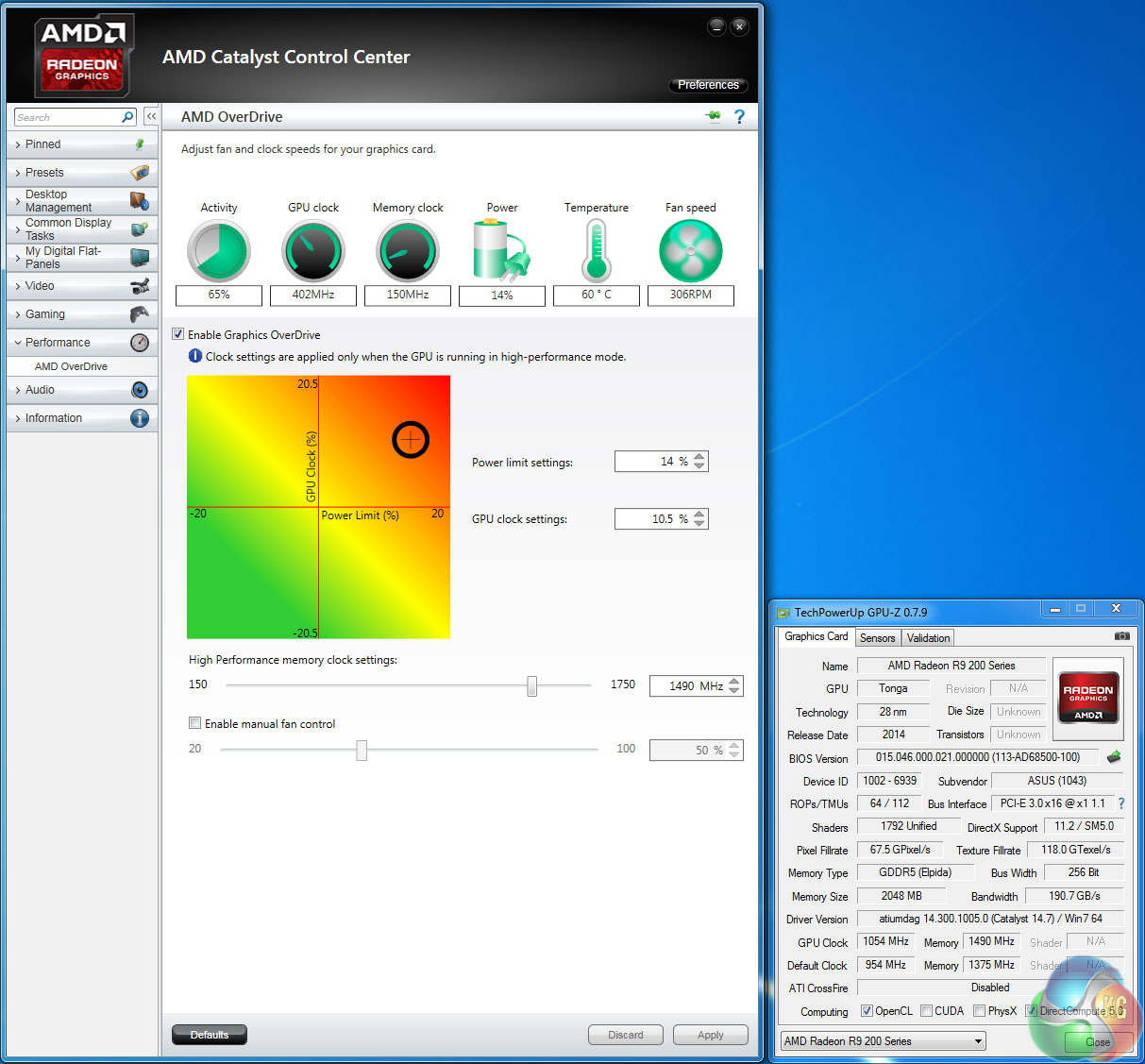
We managed to push the core by 10.5% before instability would occur – hitting 1,054mhz. The GDDR5 memory could be pushed to 1,490mhz before artifacting was noticeable (5960mhz effective).
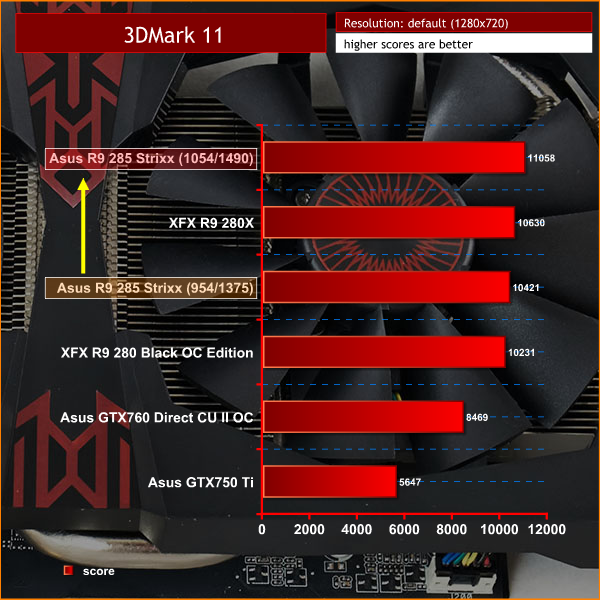
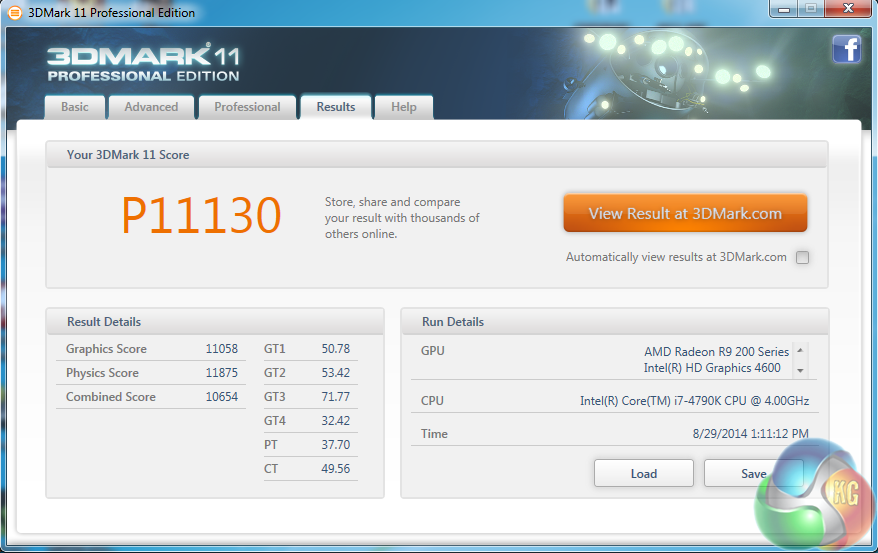
Pushing the card to the limits helped increase performance past the level of the default clocked XFX R9 280X.
AMD's R9 280 series has proven popular with the enthusiast audience – particularly as the hardware has been able to outperform Nvidia solutions at a similar price point.
When the company contacted me discussing the new R9 285 I admit I was scratching my head – especially after reading the technical data. Was it really a wise decision releasing another graphics card with such similar specifications to the R9 280? 1,792 Stream Processors? Check. 112 Texture units? Check. 32 ROP's? Check.
On a performance level there is little to distinguish the R9 285 from the older R9 280. AMD may have reduced the memory interface from 384 bit to 256 bit but thanks to the new lossless delta colour compression algorithms the 256 bit product manages to perform very well.
AMD have also improved geometry performance. Their 4xPrim rate has improved tessellation throughput against the older R9 280 hardware. They have also enhanced the work distribution between geometry front end units and vertex re-use for better performance with many small triangles.
We discuss this in more detail earlier in the review, but in real world terms the R9 285 can keep up with the R9 280 and in some scenarios actually outperform it.
The Asus R9 285 STRIX is probably as good a R9 285 solution as you are likely to get in the coming months. The custom cooler is fantastic, and we love the fact that below a specific temperature both fans will deactivate to completely eliminate noise. The STRIX was fairly responsive to manual overclocking, and ran cool under extended load situations. Its a well built, quiet solution featuring a solid 8 phase power implementation. There is a lot more to discuss however and most of it falls outside ASUS control.
Many enthusiast gamers will be annoyed that AMD have decided to reduce the memory count between R9 280 and R9 285 from 3GB to 2GB, however we have been told by the company that 4GB versions of the R9 285 featuring Hynix and Elpida memory will be available at a later date. We would hope that prices won't rise much – I do have some cost concerns already which I detail in the closing paragraphs.
The new R9 285 brings some welcome additions to the fore. Like the R9 290 series of cards, the R9 285 gets bridgeless Crossfire support – removing the need for ugly looking bridge cables between multiple GPU's in a Crossfire configuration. The R9 285 has the latest programmable audio pipeline. This TrueAudio technology is designed for game audio artists and engineers, so they can ‘bring their artistic vision beyond sound production into the realm of sound processing’. The new Unifed Video Decoder provides a full fixed function decode engine with support for H.264, VC-1, MPEG4, MPEG2 and MJPEG. It also adds support for high frame rate 4k H.264 content.
On a pure manufacturing level, the drop to 2GB of GDDR5 memory and the new tighter 256 bit memory interface will undoubtedly reduce production costs for AMD, enhancing their profit margins. They could argue that the new enhanced 256 bit memory interface means that the enthusiast will not suffer – but their primary reason for the move is to reduce their own manufacturing costs. All companies will enhance their architecture over time, so I wouldn't consider it particularly unusual.
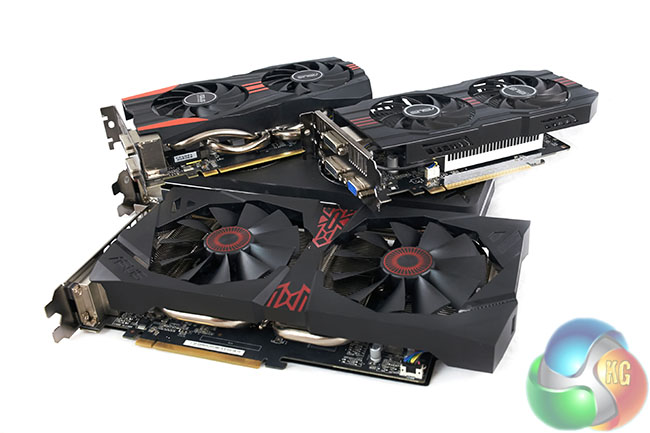
In their press literature AMD are keen to point out just how much faster the R9 285 is when directly compared against Nvidia's GTX760. AMD didn't send us their reference card today which brings with it both good and bad points.
On a positive note, I didn't have to endure hideous noise levels from one of their reference coolers again, but equally so, I had to ensure that I didn't compare an overclocked ASUS R9 285 STRIX against a reference clocked GTX760. We opted to test against the Asus GTX760 Direct CU II OC 2GB card, available for £179.00 inc vat via Amazon. It would be fair to say that the overclocked GTX760 was markedly outperformed by the R9 285 today.
While the performance comparisons against GTX760 are clear cut AMD face their biggest challenges from their own products. AMD informed us that prices for the R9 285 will start at £169.99 in the United Kingdom. The ASUS R9 285 STRIX will ship with a premium – costing around the £199.99 inc vat mark. Today we have seen prices of overclocked, custom cooled 3GB R9 280's from the likes of VTX3D at only £149.99 inc vat.
Undoubtedly AMD will start phasing out the older R9 280, but another problem exists for the R9 285 … in the shape of the R9 280X. You can pick up custom cooled, overclocked R9 280X cards today for £199.99 inc vat. Yes, the same price as the Asus R9 285 STRIX and probably a handful of other custom R9 285 solutions when they hit retail in the coming weeks. The R9 280X is not only clearly a higher performance solution, but it does ship with an extra 1GB of GDDR5 memory which may help it with some texture intensive titles when cranking the image quality settings at 1600p.
So, in closing, there is no doubt the R9 285 may be seen as a sideways step for AMD in many ways. We do feel its a very capable card but AMD need to get the pricing sorted out. You can either pick up a custom cooled, overclocked R9 280 for considerably less money, or an enhanced R9 280X for the same price as the Asus R9 285 STRIX. The XFX R9 280X used in this review today is available from Amazon for £199.73 inc vat.
Over the coming months we would hope to see R9 285 prices start to drop because if AMD partners are releasing 4GB versions of this card they will end up extremely expensive, especially if we base the pricing on what we are seeing today for the 2GB versions.
Subsequent R9 285 reviews will feature analysis on power consumption of the products – we simply ran out of time hitting launch time for today's review.
Discuss on Facebook, over HERE.
Pros:
- excellent performance.
- outperforms GTX760.
- STRIX cooler is brilliant.
- quiet.
- bridgeless crossfire.
- programmable audio pipeline.
- Unified Video Decoder.
Cons:
- R9 285 pricing needs adjusted if AMD want to be competitive against their own products.
Kitguru says: The ASUS R9 285 STRIX is a fantastic solution, offering great gaming performance. But R9 285 pricing is all wrong in the UK – wait until prices drop.


I just dont understand the purpose of this card.
Its no more efficient than previous GCN cards.
Atleast Nvidia is releasing a much better architecture with 750 Ti and 960/970/980.
I was expecting a bit better from AMD,i thought the 285 wil be faster than the 280x. Guess i’ll wait a bit and see Nvidia’s offering to replace my 7850.
To use up the chips which weren’t good enough to be sold as 290s and push TrueAudio support.
Where’s the power consumption test? It should, in theory, be less power hungry.
I don’t expect them to do it. Nvidia’s CEO speaks about higher prices in the future and articles about AMD not considering changing their GPU prices where posted a few days ago. Also AMD has done this before. They replaced better performing cards – 7730, 7750 and 7770 – with slower cards – 240, 250 – at the same price points. They are doing it now again. Lower specs, higher price.
Go ahead and replace your 7850 I had two in CFX and replaced it with this card and you know what I don’t regret it one bit
This card even though very very good on 1080p gaming just can’t cut the mustard with 4K gaming which is where AMD pitched this card maybe if it had 4GB of Vram then it would be a much better contender
damn you Nvidia fans boys come out in droves…. It isnt meant for 4k gaming … And if you want big green go with big green… damn…