KitGuru KitGuru.net – Tech News | Hardware News | Hardware Reviews | IOS | Mobile | Gaming | Graphics Cards


Kingston has announced a new compact portable SSD featuring USB 3.2 Gen2 connectivity. Offering transfer speeds of 2,000MB/s, the XS2000 SSD includes a rugged sleeve to transport it safely, protecting it from water, dust, and falls.
Available in 500GB, 1TB, and 2TB models, the Kingston XS2000 portable SSD can transfer data at up to 2,000MB/s through its USB-C 3.2 Gen2 interface. Thanks to its large storage capacity and impressive data transfer speed, this SSD is perfect to store and copy high-res images and movies, large documents, and sizable files in general.
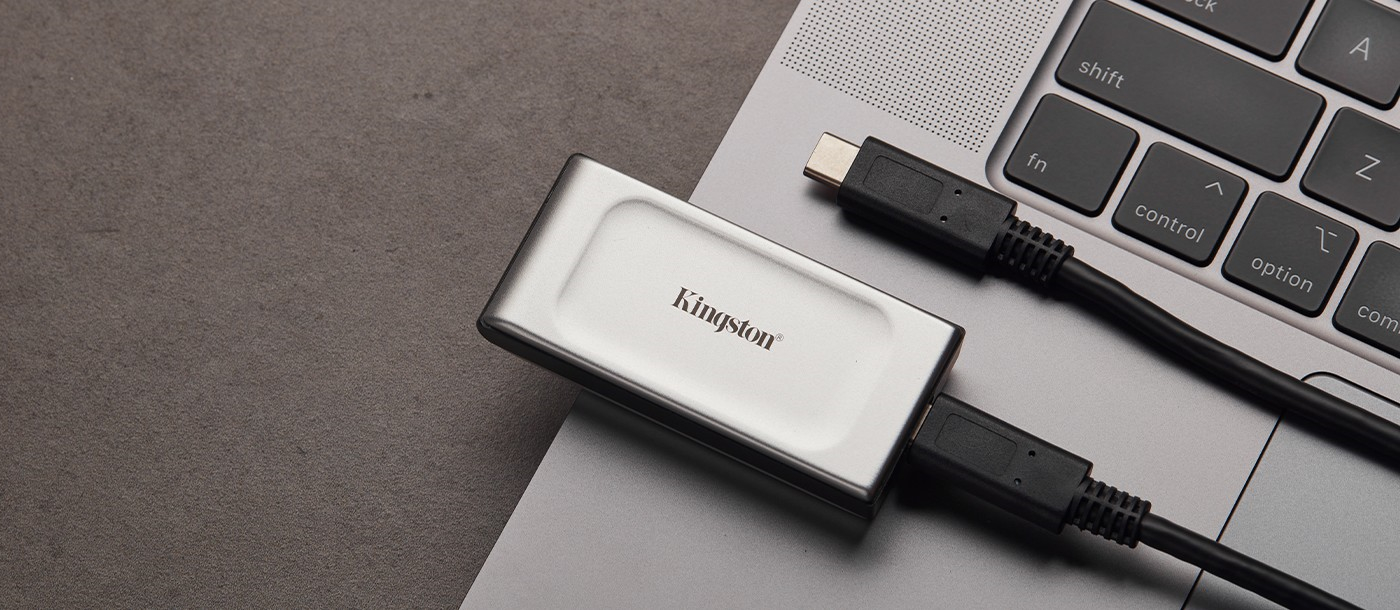
Measuring 69.54 x 32.58 x 13.5mm and weighing a mere 28.9g, the XS2000 is easy to travel with. The SSD's original case is made of plastic and metal, but the rugged sleeve included with the XS2000 offers an extra layer of protection to prevent damage. This sleeve provides IP55-rating to the device, preventing water, dust and impacts from harming it and allowing you to carry it anywhere safely.
The Kingston XS2000 portable SSD is backed by a 5-year warranty and compatible with Windows 10, 8.1, Mac OS (v. 10.14.x +), Linux (v. 2.6.x +) and Chrome OS. The three models are now available for purchase, with the 500GB model costing £99.99, the 1TB model going for £165.99, and the 2TB model for £296.99.
KitGuru says: Are any of you in need of a portable SSD? What do you think of the latest from Kingston?