KitGuru KitGuru.net – Tech News | Hardware News | Hardware Reviews | IOS | Mobile | Gaming | Graphics Cards


It seems the force is strong with older Star Wars games, as Disney spontaneously began adding multiplayer support to the surprise of fans everywhere. This started with Empire at War and has since moved onto Pandemic’s cherished iteration of Star Wars Battlefront 2.
The 2005 Star Wars Battlefront 2 lost its multiplayer support back in 2014 when GameSpy closed down, and the 2015 release of EA’s newer version of the game left many conflicted at the new direction the company was taking. The multiplayer was somewhat accessible with GameRanger mimicking a LAN party, however numbers would greatly vary depending on the areas in which you lived and performance did tend to take a hit due to internet connection.
Those people can now rejoice, as Disney wrote in a Steam update that “It’s back… And in even greater numbers. Multiplayer support has returned for Battlefront 2. Now you can draft your friends to the 501st legion and join up to 64 other players in a heated online battle for control of the galaxy.”
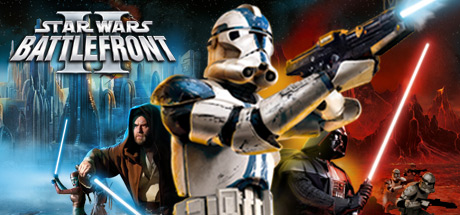
This new support comes courtesy of GOG, in which the old Star Wars Battlefront 2 does feature cross-play with Steam’s existing and future owners. If you don’t already own the game, it is currently cheaper on GOG, sitting at a price tag of £3.19 down from £7.89, in comparison to Steam’s regular £6.99.
For those that are interested in EA’s reboot, its own Star Wars Battlefront 2 enters open beta this weekend, with those that pre-ordered getting exclusive access as of Wednesday and the rest being able to hop in on Friday.
KitGuru Says: I remember the anticipation of the 2005 sequel, with the inclusion of space battles, the hero system and Galactic Conquest. Here’s hoping that EA’s version manages to live up to the hype in some form or another. Which Star Wars Battlefront 2 are you more excited to jump into?