KitGuru KitGuru.net – Tech News | Hardware News | Hardware Reviews | IOS | Mobile | Gaming | Graphics Cards


While Sony executives have insisted that PlayStation VR2 sales have been fine, analysts have been claiming the opposite since launch. Some new evidence of the souring situation has surfaced this week with Sony reportedly pausing production of the headset due to an overabundance of stock.
According to Bloomberg, Sony has ‘paused' PlayStation VR2 production to focus on clearing its backlog of unsold stock. The headset first launched in early 2023, with over two million units made available for the launch. However, sales have reportedly declined considerably since launch, failing to catch up to rival headsets like the Meta Quest 2 and Quest 3, according to tracking data from IDC.
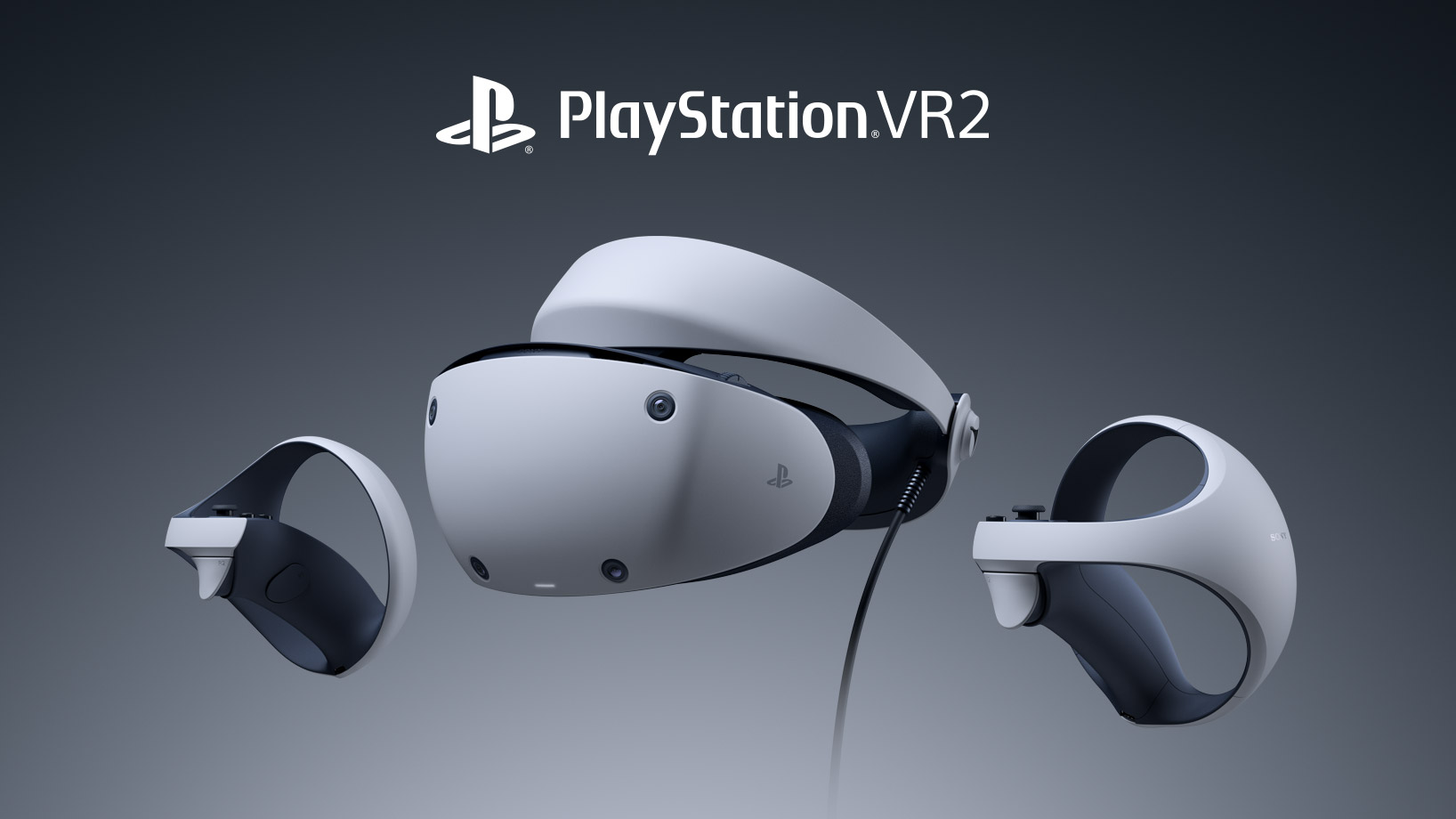
Part of the problem is simple, there has been a lack of blockbuster releases for the PSVR2, with Sony only releasing one first-party game so far – Horizon: Call of the Mountain. Beyond that, the headset is not backwards compatible with older PSVR titles, and carries a higher price tag than the PS5 console required to use it.
Sony may look to improve PlayStation VR2 sales in the months ahead by expanding platform support. Sony confirmed that it has been testing the headset for use with PCs recently, so it may end up being a viable PC VR headset. With Sony also bringing more of its games to multiple platforms, we may see PS VR2 exclusive content also make its way over to PC via stores like Steam.
Discuss on our Facebook page, HERE.
KitGuru Says: With its $550 price tag, the PS VR2 was always going to be a tough sell, even with its fancy new 4K display and DualSense controllers. A price cut will be needed to really shift units, but it might be too soon for Sony to do that.