KitGuru KitGuru.net – Tech News | Hardware News | Hardware Reviews | IOS | Mobile | Gaming | Graphics Cards


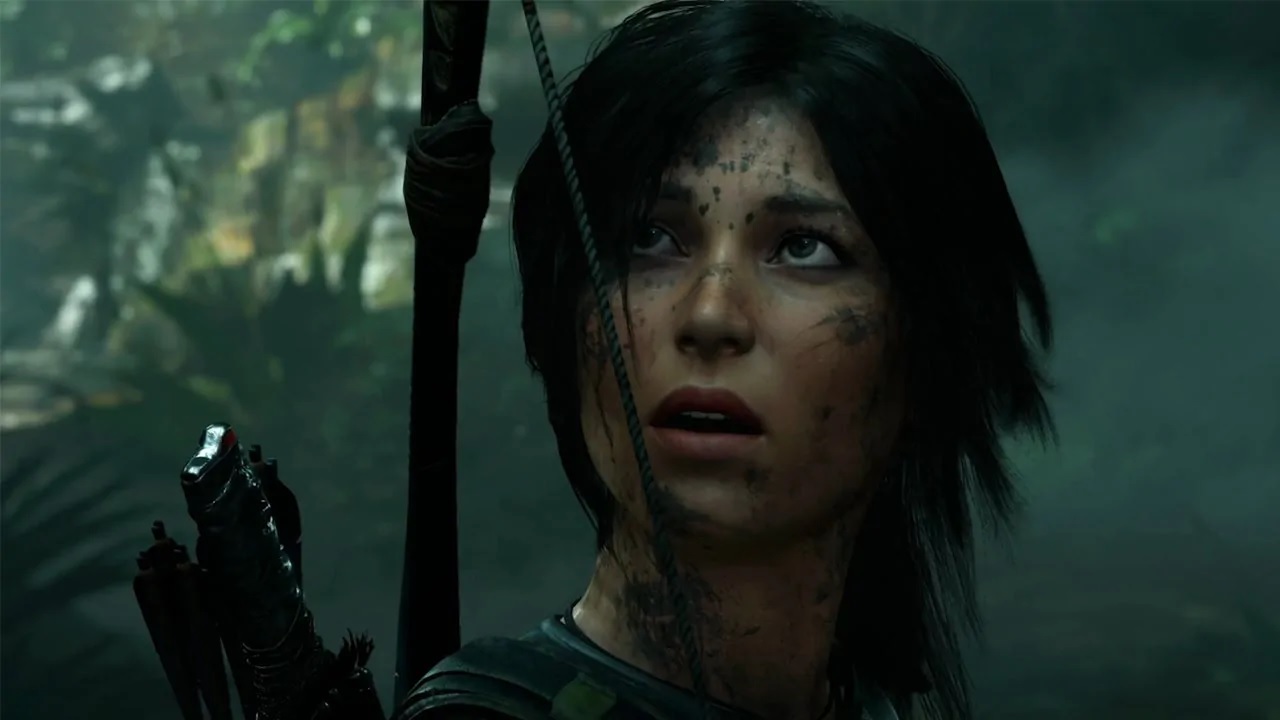
Last weekend, the Sacred Symbols podcast claimed to have obtained a leaked script for the next major Tomb Raider game, sharing some details about what we can expect from Lara Croft's next adventure. We weren't sure how legitimate the leak was at the time, but a recent DMCA takedown request may have confirmed the leak as accurate.
The next Tomb Raider game is currently being developed by Crystal Dynamics under the name ‘Project Jawbreaker'. While development started with Crystal Dynamics under Square Enix, soon the studio and the IP will be owned by Embracer Group instead as part of a deal expected to close this year. The game is set to feature an older version of Lara Croft who has mastered her craft and taken on a team of budding explorers.
According to the folks behind the Sacred Symbols podcast, after the leak, Square Enix submitted a DMCA takedown request, asking for the podcast episode to be taken down, but as VGC points out, no other outlet has received a DMCA claim following widespread reporting of the leak.
If you are confused about Square Enix's involvement, then you aren't alone. Crystal Dynamics and the Tomb Raider IP were both sold off Embracer Group earlier this year. However, the deal has not fully closed yet, meaning Square Enix is still responsible for the IP. The deal should close later this year.
Discuss on our Facebook page, HERE.
KitGuru Says: Patreon appears to have taken no action against the podcast and so far, no other verifiable sources have backed up the leak.