KitGuru KitGuru.net – Tech News | Hardware News | Hardware Reviews | IOS | Mobile | Gaming | Graphics Cards


First announced back in early 2019 via Kickstarter, Chernobylite finally saw its 1.0 release for PC in late July. Ahead of its upcoming Xbox and PlayStation release later this month, we have gone through the full and finalised version of the first-person supernatural survival horror game, understanding the vision of its developers (The Farm 51) and seeing whether Chernobylite is worthy of being considered a Kickstarter success – a rare thing indeed.
Chernobylite is a first-person survival horror title from Polish video game developer The Farm 51. Though they were founded all the way back in 2005, the studio has yet to have its big break, with the team’s most notable title being the Bandai Namco-published psychological thriller ‘Get Even’.
Chernobylite marks the studio’s latest foray into the genre, taking elements from their previous titles, and attempting to refine it, all the while putting players into one of the most harrowing real-world locations – the remains of the Chernobyl Exclusion Zone 30 years after the Chernobyl disaster. This is where we will focus our initial thoughts. But first, a brief summary of the plot.
30 years after the Chernobyl disaster, and the disappearance of physicist Igor Khymynuk’s wife Tayana, Igor returns to the exclusion zone after seeing her in his dreams, wanting to find his wife, and putting an end to this 30 year long mystery. In order to do so however, he must recruit a number of companions who will aid him in his heist of the power plant, which is now infested by NAR soldiers following the discovery of the mysterious Chernobylite material – a glowing green rock which appeared in the wake of the disaster.
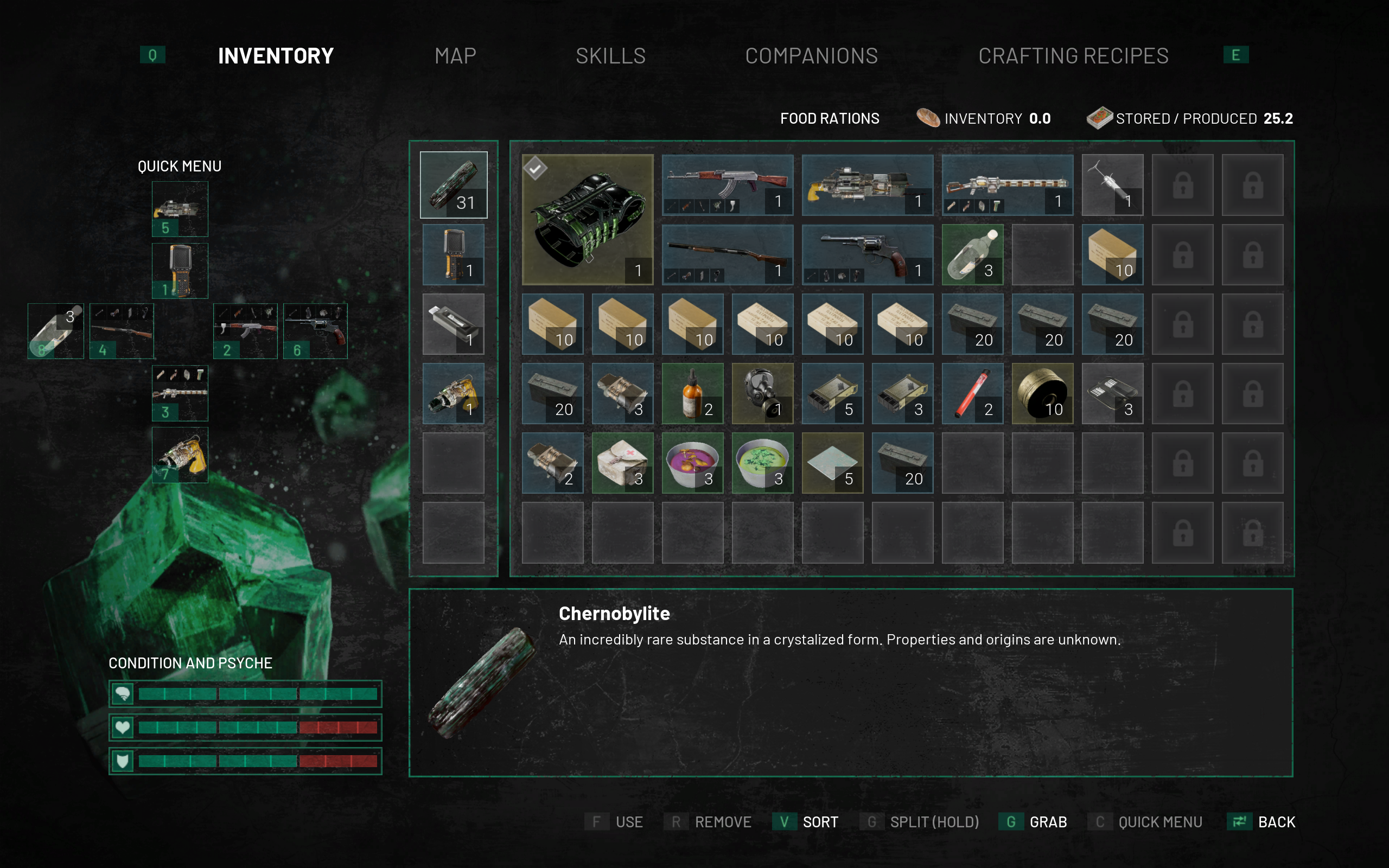
While music, graphics and story are all important facets to a game, for some titles, gameplay remains king. In Chernobylite, the primary gameplay loop is perhaps one of its strongest suits – at least initially. The game is split up into days, with each day consisting of a similar repeated pattern: You wake up at your base, select what mission you wish to go on (out of a possible 5), assign the rest of the missions to your companions; go on the mission all the while gathering resources, picking up clues and experiencing the level; then returning to your base after a – hopefully – successful mission; feeding your team, creating weapons ammo and more and then going to sleep.
Tackling the gameplay loop one by one we’ll start with the missions. After the conclusion of the prologue, the player’s ultimate task is to infiltrate the NAR’s base, however in order to do so you must first be prepared. This is where the missions come in. You need companions, tools, intel and more – all of which can be found in the world.
This world is split up into 5 distinct areas. These open levels will be visited by you many times throughout the game’s 25-hour long campaign, each of which has its own sense of identity. Missions will vary from unimportant supply runs, to vital story missions. While the story missions will remain until you select them, the 5 or so other missions available to you will eventually be unavailable if you do not complete them within a certain number of days.
These timed-missions are of little importance however, and hold no effect on the story. With all that, you will assign different missions to different companions. Depending on their health status and equipment (both of which are affected by your direct actions), the companions will either succeed -bringing in new supplies – or fail: the consequences of which I will leave up to you to discover.
Going into these levels, players will encounter NAR soldiers; NPCs; scripted events (some of which can have effects later on based on your decisions); and other enemies. While you can take your time and spend as long as you want searching for supplies throughout the level, Chernobylite storms will begin to gather, with an extended stay seeing you attacked by a creature known only as the Black Stalker.
You can stave off this enemy and the storms by creating various equipment such as the Chernobylite Neutraliser and Wormhole Blocker. Throughout each journey into the exclusion zone, players must also make sure to manage their health, radiation levels and psyche – all of which can be affected by different events and interactions.
With all that in mind, the game offers plenty of different gameplay styles which one can approach each level with. Depending on what difficulty you are playing on, Chernobylite offers entirely different experiences. At the default level, the game starts as a stealth thriller title, with players needing to carefully manage their resources, ammo and more – all the while staying clear of enemies when possible, and trying to achieve the objective before the Black Stalker’s arrival.
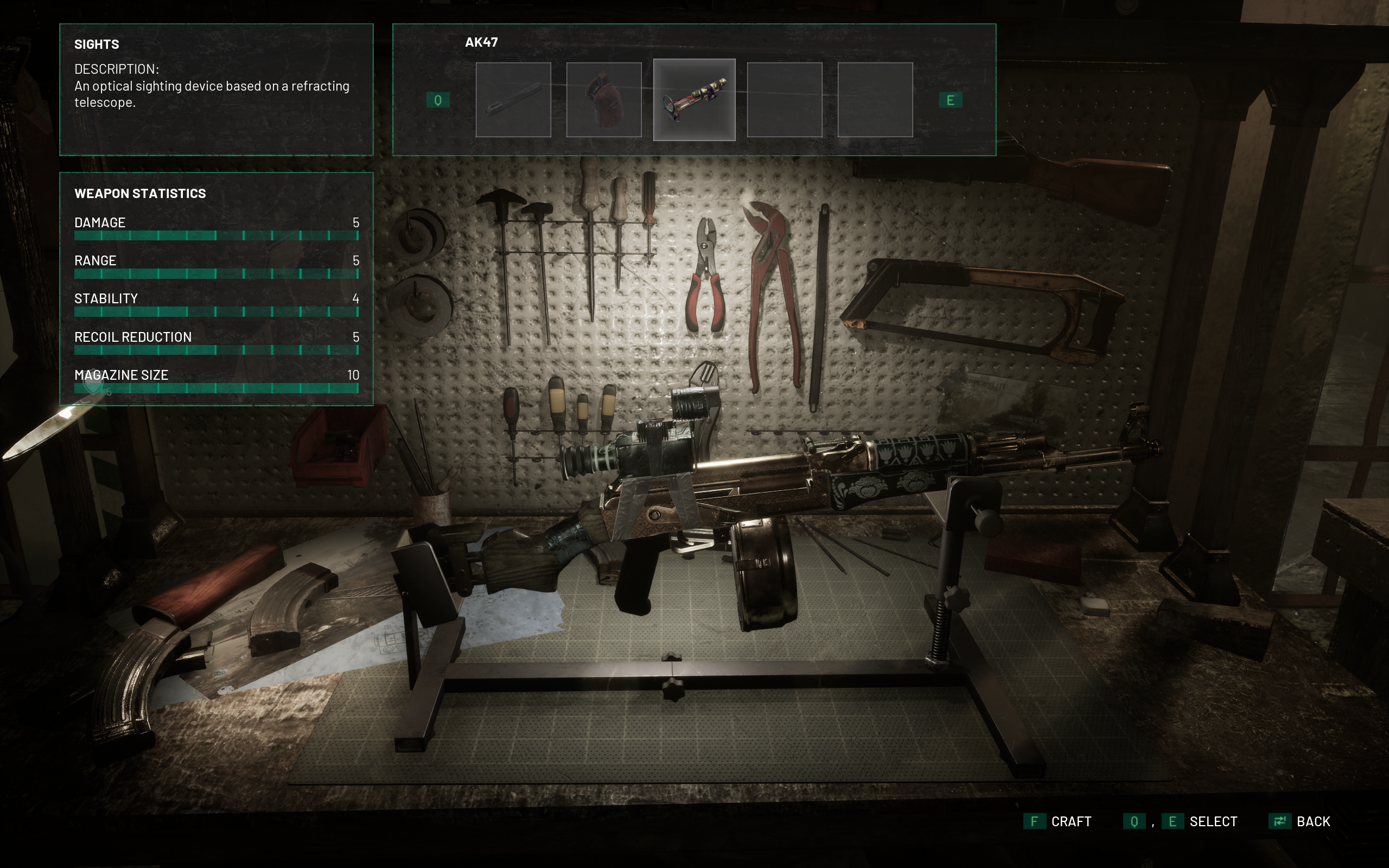
Once you have a firm grasp on the game however, Chernobylite becomes an easy – and sometimes tedious – experience, with repetitive mission structures, exploitable AI and more ammo and health packs than you could ever need. This does allow the game to showcase its weapons, which have clearly had a lot of thought put into them. While the selection is limited, each weapon – from the revolver, to the AK-47 to the shotgun is completely customisable, affecting handling, fire rate and more. The level of customisation is deep enough to allow you to turn the AK into an effective sniper rifle.
The best part is that all of these changes are reflected in the gun models, with every single change making the weapon look different. This means that while there aren’t too many weapons to choose from, the number of gameplay styles afforded by these customisations is much greater than it initially appears. Furthermore, without spoiling anything, some of the late-game weapons are quite exciting and unique.
Going back to the difficulty however, while the default settings started off at a good level, but ultimately leads to your character feeling too overpowered – removing all sense of fear and making even the Black Stalker feel like a piece of cake – the difficulty settings are not simply “easy medium and hard” but in fact allow you to alter the difficulty on three different levels: Survival, Combat and Management.
These three settings can be tweaked individually, allowing you to craft a bespoke experience. If you want to have limited resources, but enemies aren’t particularly tough, you can do that. On the flip side, if you want combat to be a challenge, but the risk being worth it when it comes to the potential resources obtainable, you can do that too. The flexibility is commendable, allowing players to tweak the experience to their liking. It is just unfortunate that the settings the game defaults to ultimately do not reflect the survival horror/thriller aspect that Chernobylite was pitched as.
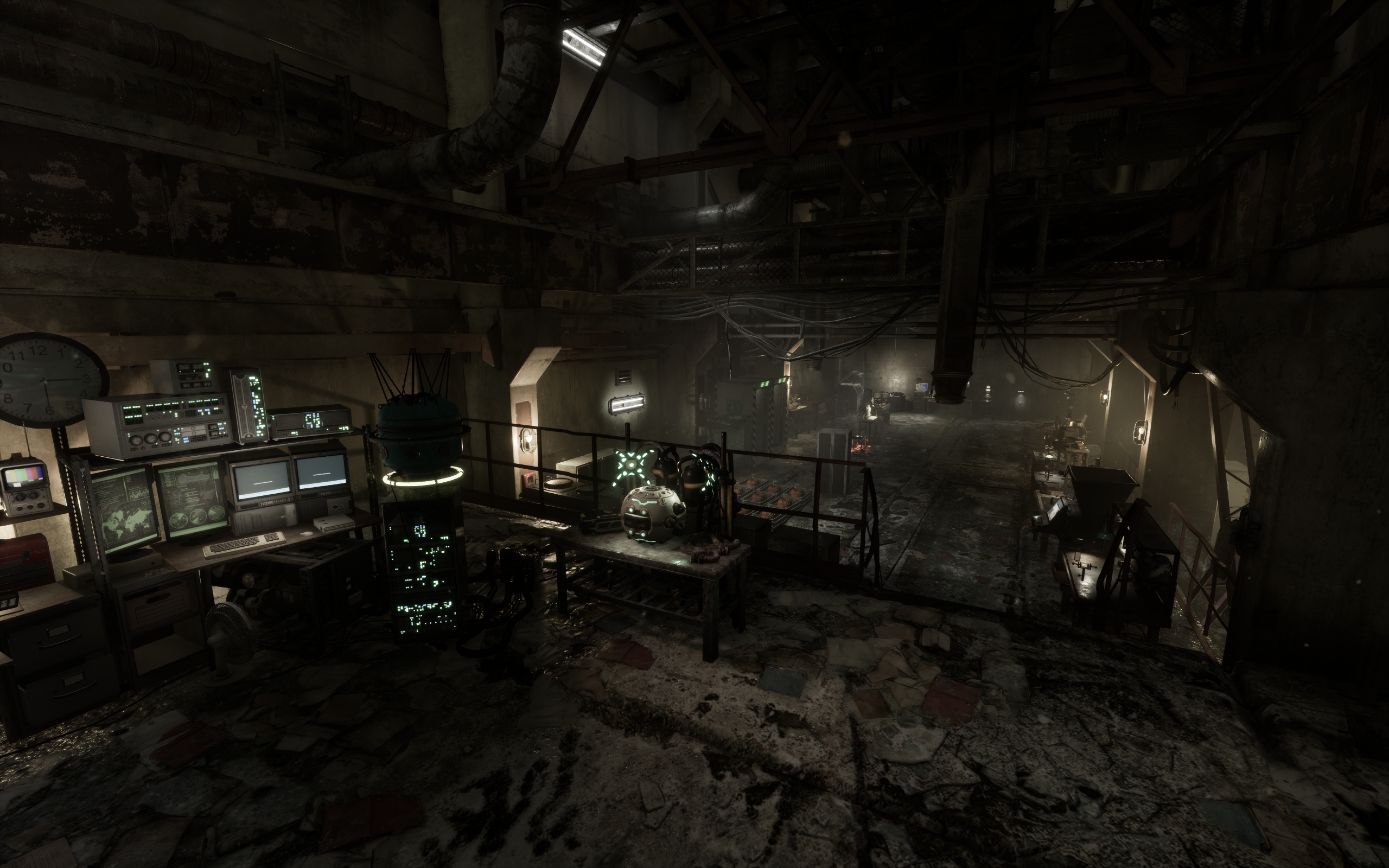
Upon completing a mission, you return to your base, feed your companions and upgrade your quarters using the resources found. There is a degree of base building and management in Chernobylite. While not as extensive as some dedicated games, the systems in Chernobylite will have you balancing a number of categories including electricity, companion comfort, radiation levels and more – each of which will affect other categories.
This means that you can build a nuclear generator in order to massively increase the amount of electricity available (used for all kinds of upgrade stations) at the cost of polluting the base. This system offers a fine balance that again, depending on your settings can make you either feel like you’re barely clinging on for survival, or can be quickly overcome and forgotten in a matter of hours.
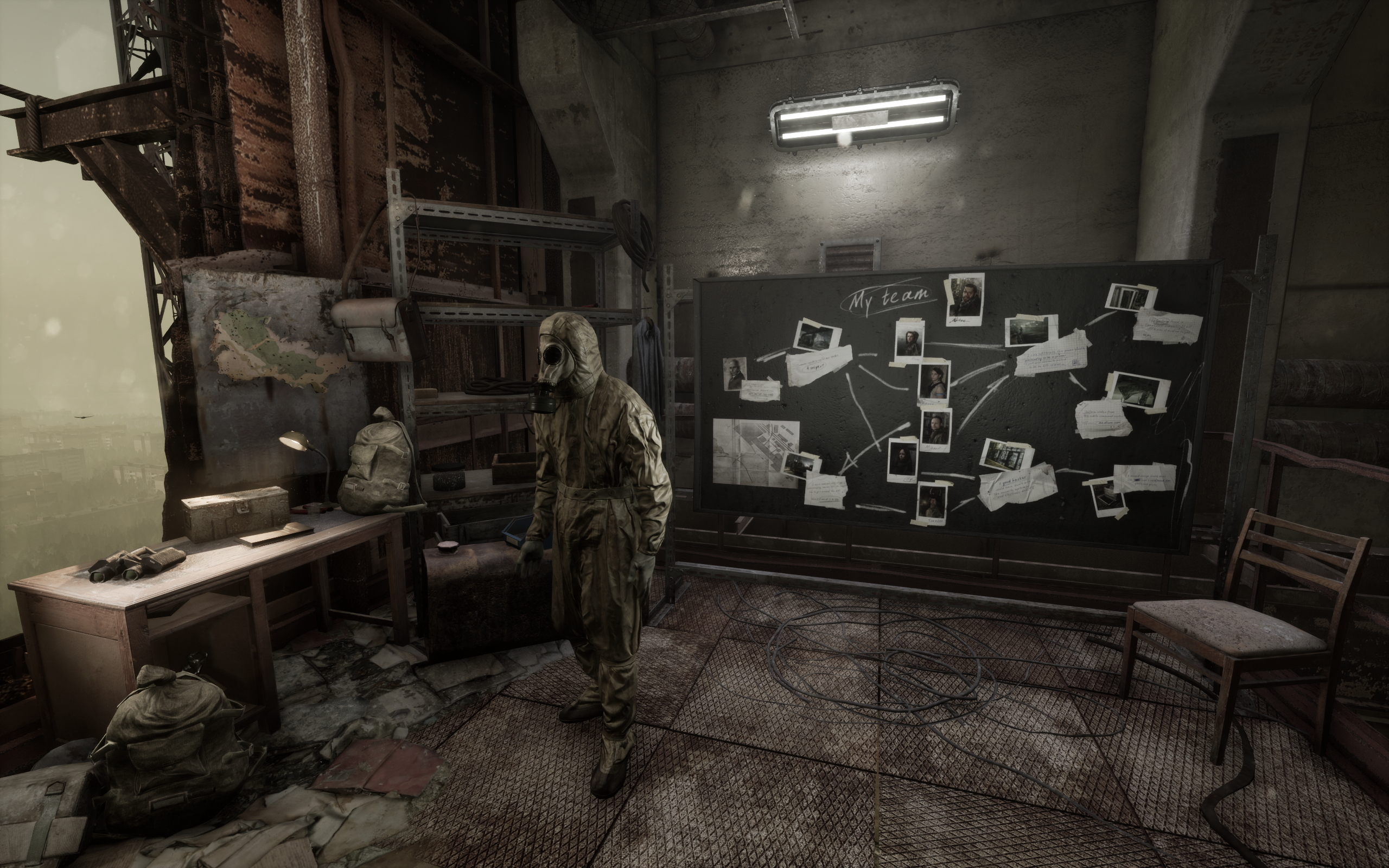
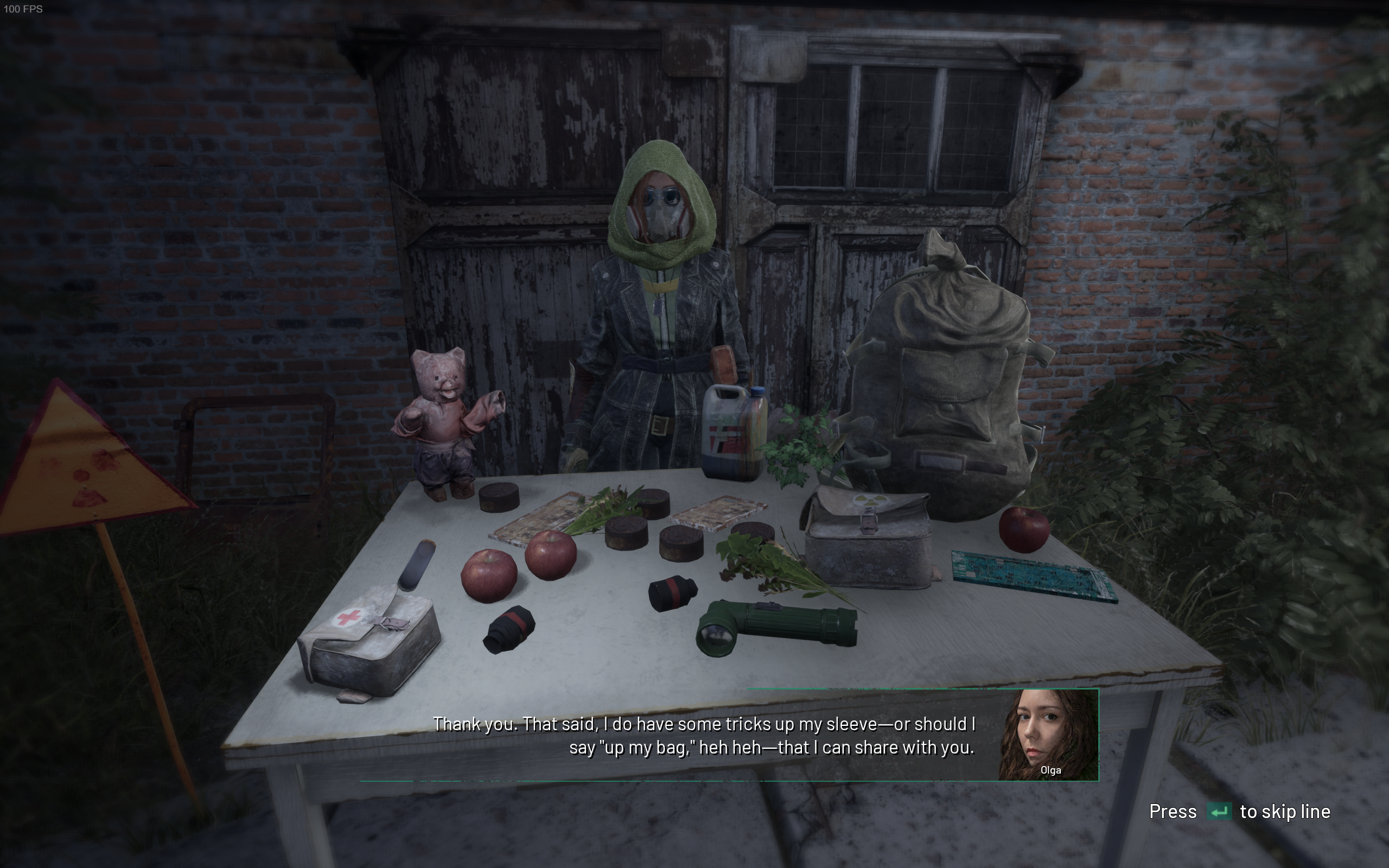
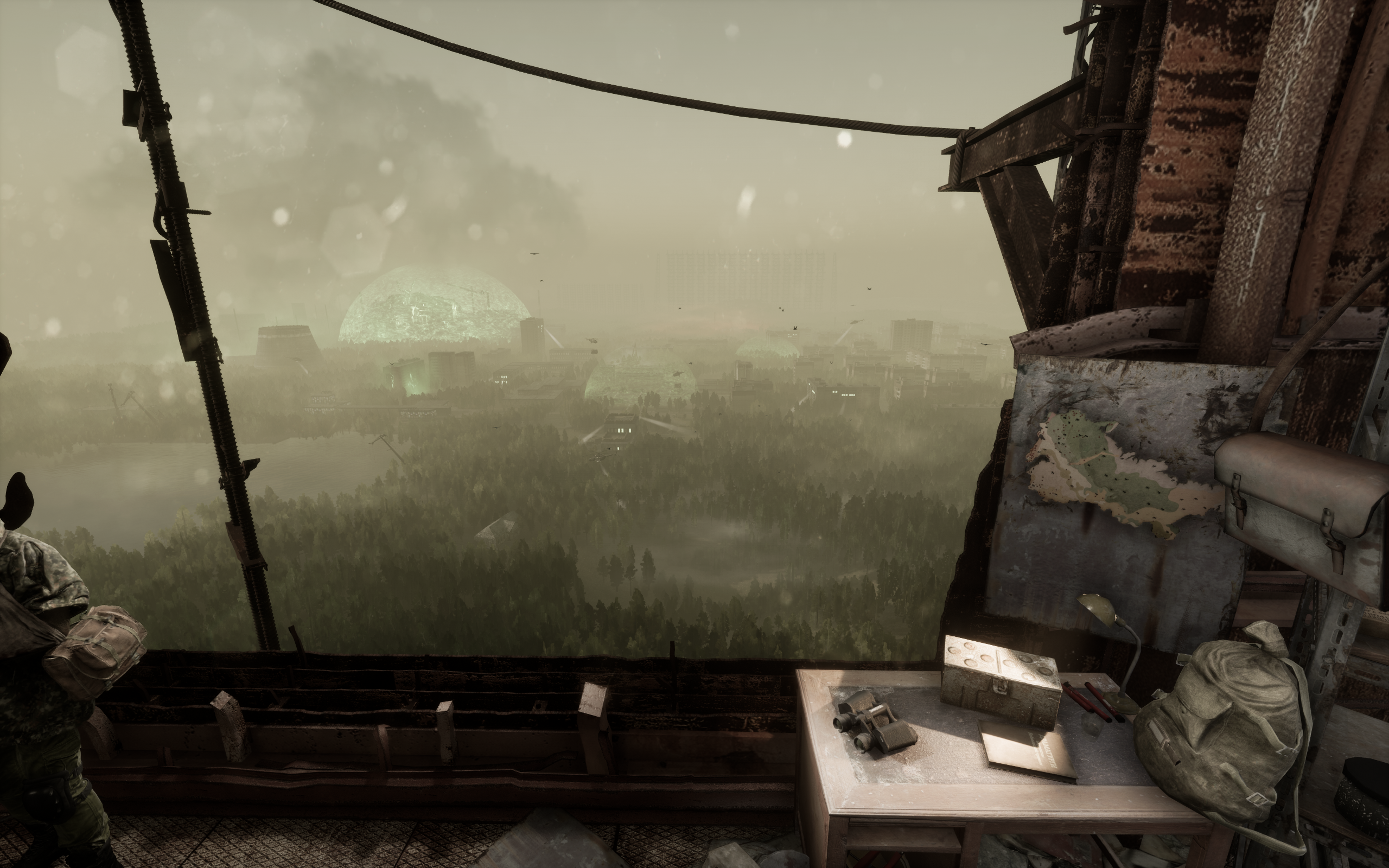
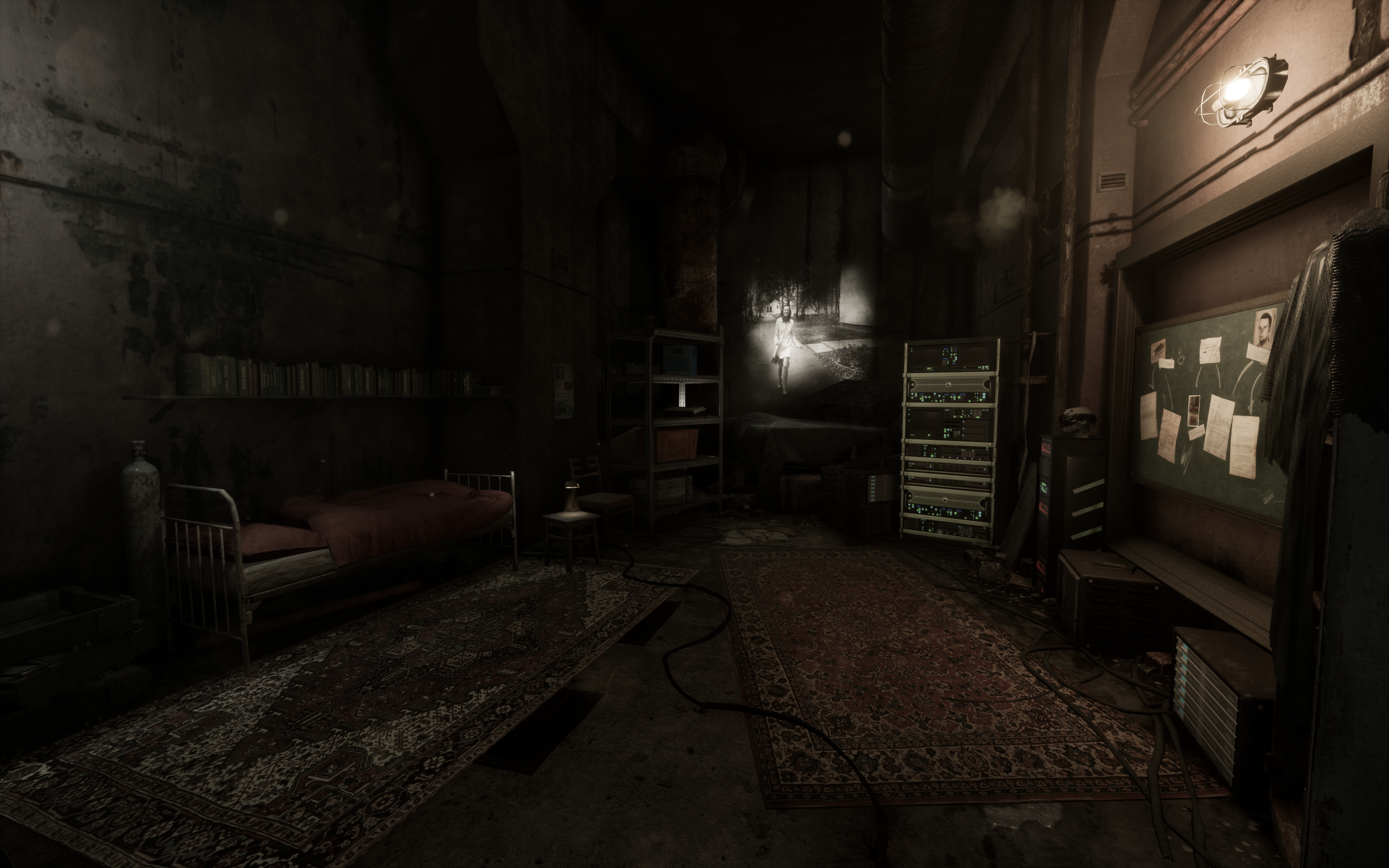
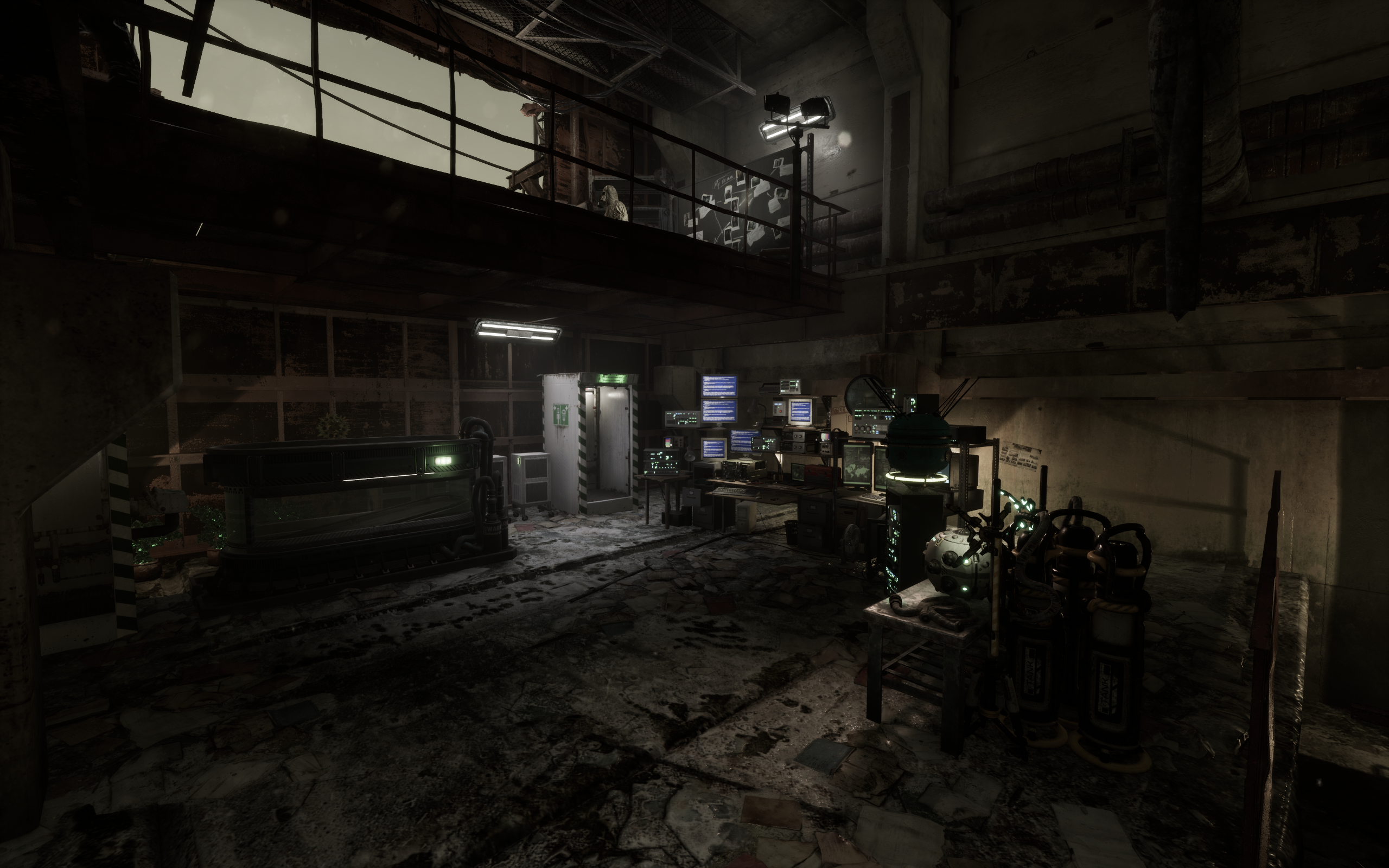
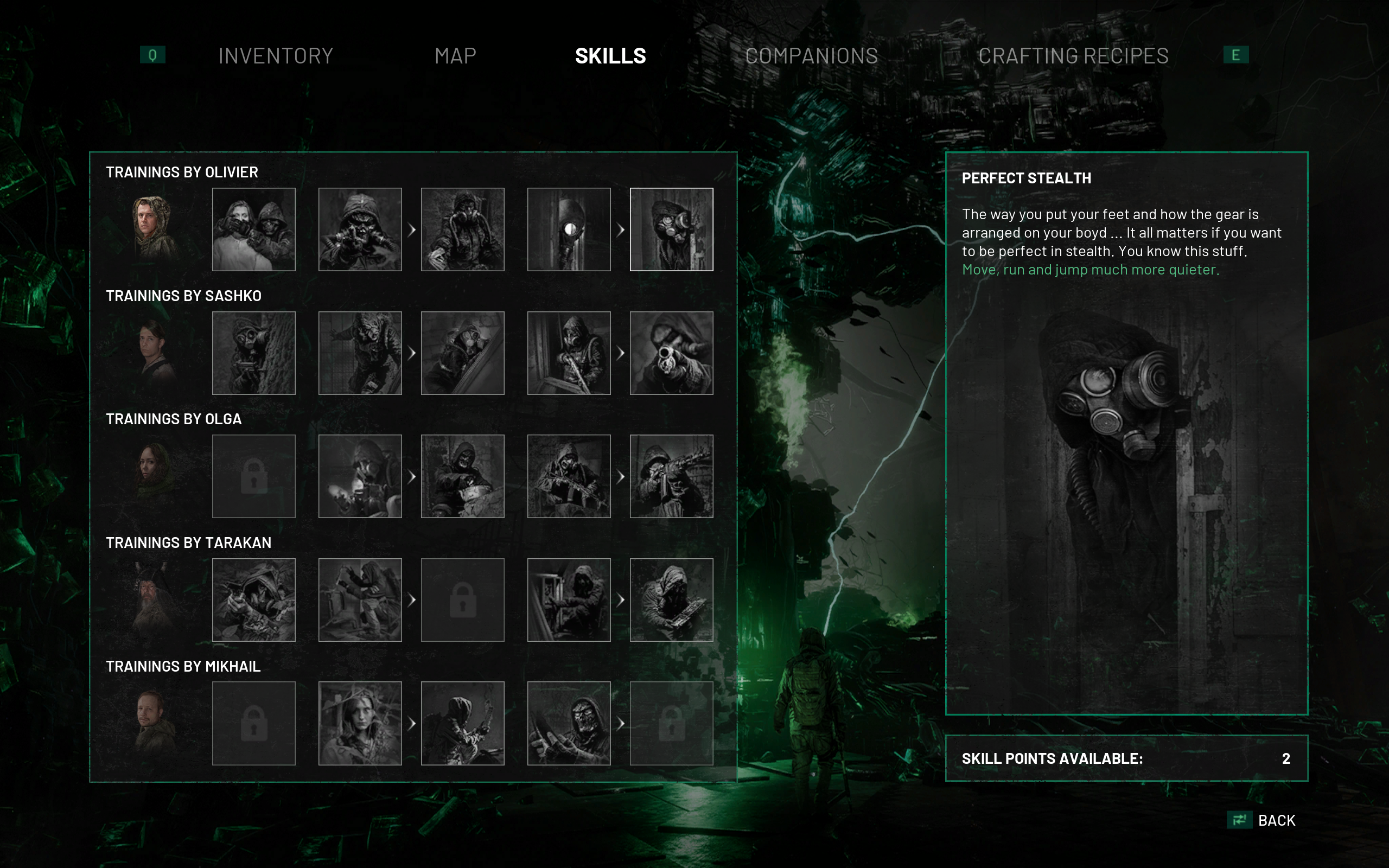
Your base has much more to it than simply resource management. Igor can use his acquired skill points to learn upgrades from his companions. Each companion has their own specialty, allowing Igor to improve his skills during missions. While most of these upgrades serve as little more than stat boosts (increased damage, better stealth, etc…) some of the upgrades come with greater gameplay-altering effects – though nothing too crazy.
Even so, earning enough skill points to train with one of your companions is exciting every time for more than just gameplay reasons. Even when the stat simply allows for increased weapon damage, Igor will be taken to the training grounds by the respective companion as he completes a mini gameplay section, all the while learning more about his companions’ pasts, ideologies and more. The most amusing example of this came with the inventory upgrade, allowing you to carry more items. While some games would simply open up a number of spaces in your inventory menu, Chernobylite has you go and talk to Olga, as she gives you an in-depth tutorial on how to pack your bag more efficiently, all the while engaging in back-and-forth banter with Igor. These training missions are a small touch, but do a lot to make the world feel more grounded while also endearing you to each companion’s personality.
Finally, before going to bed, if you have managed to collect enough clues, Igor can use a purpose built VR headset to simulate past events, allowing him to uncover the secrets to Tatyana’s disappearance. While light in gameplay, merely seeing you walk around as you follow the events of the past, these sections are rich with trippy visuals, impossible architecture and a surreal sense of unease – teasing at some of the best parts of Chernobylite.
For those who are more spoiler conscious (at least with regards to gameplay spoilers), you may want to skip to the next section.
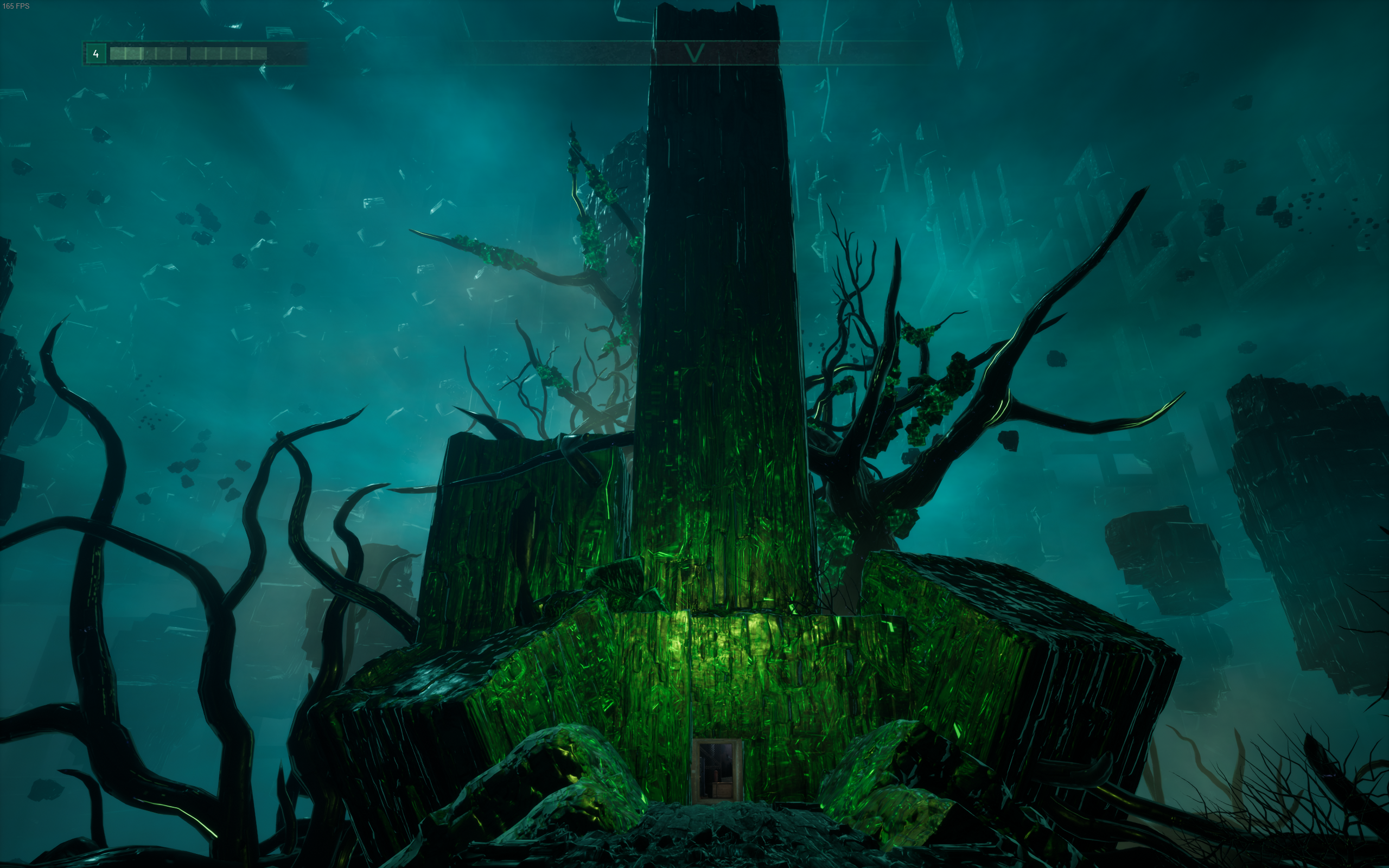
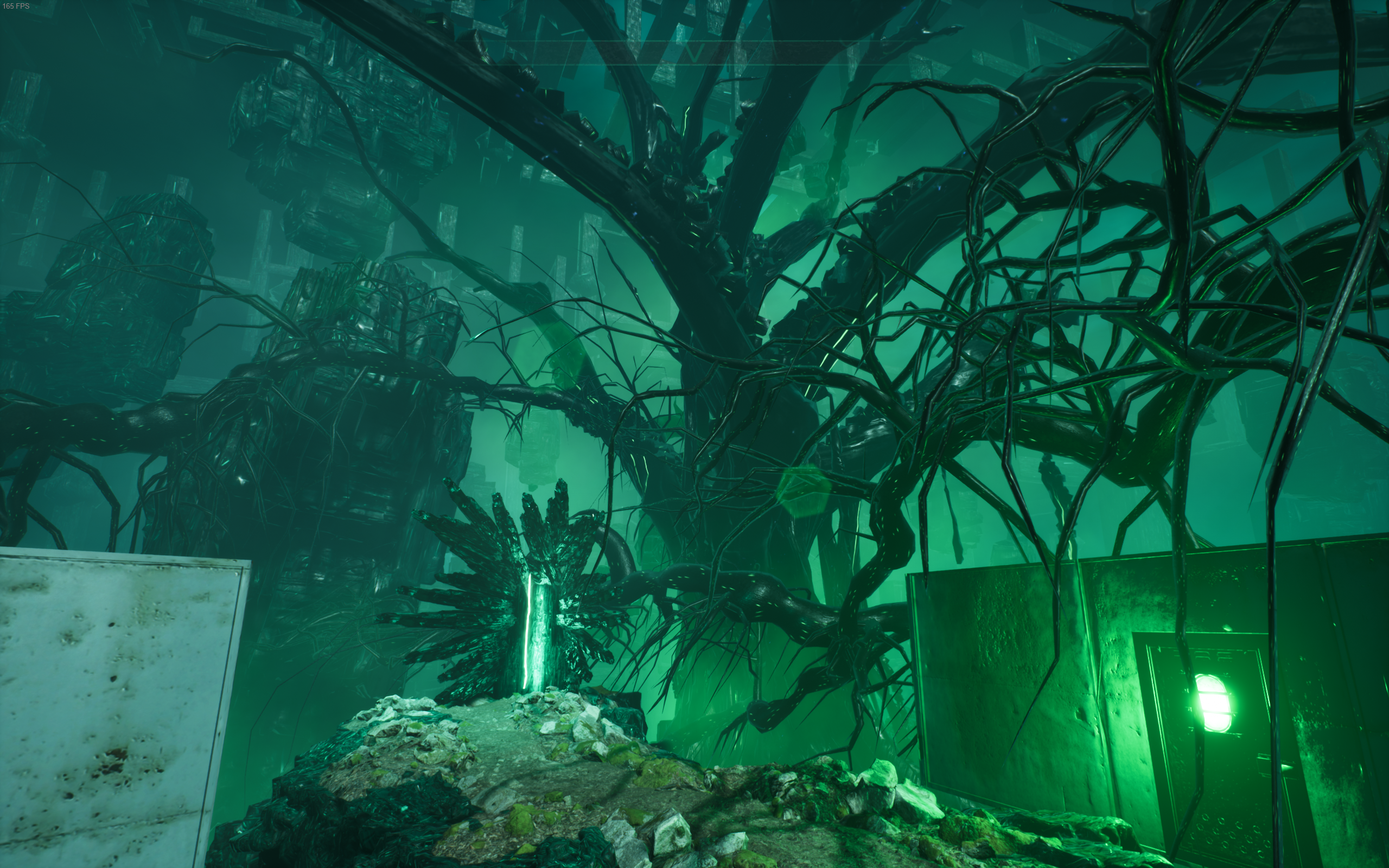
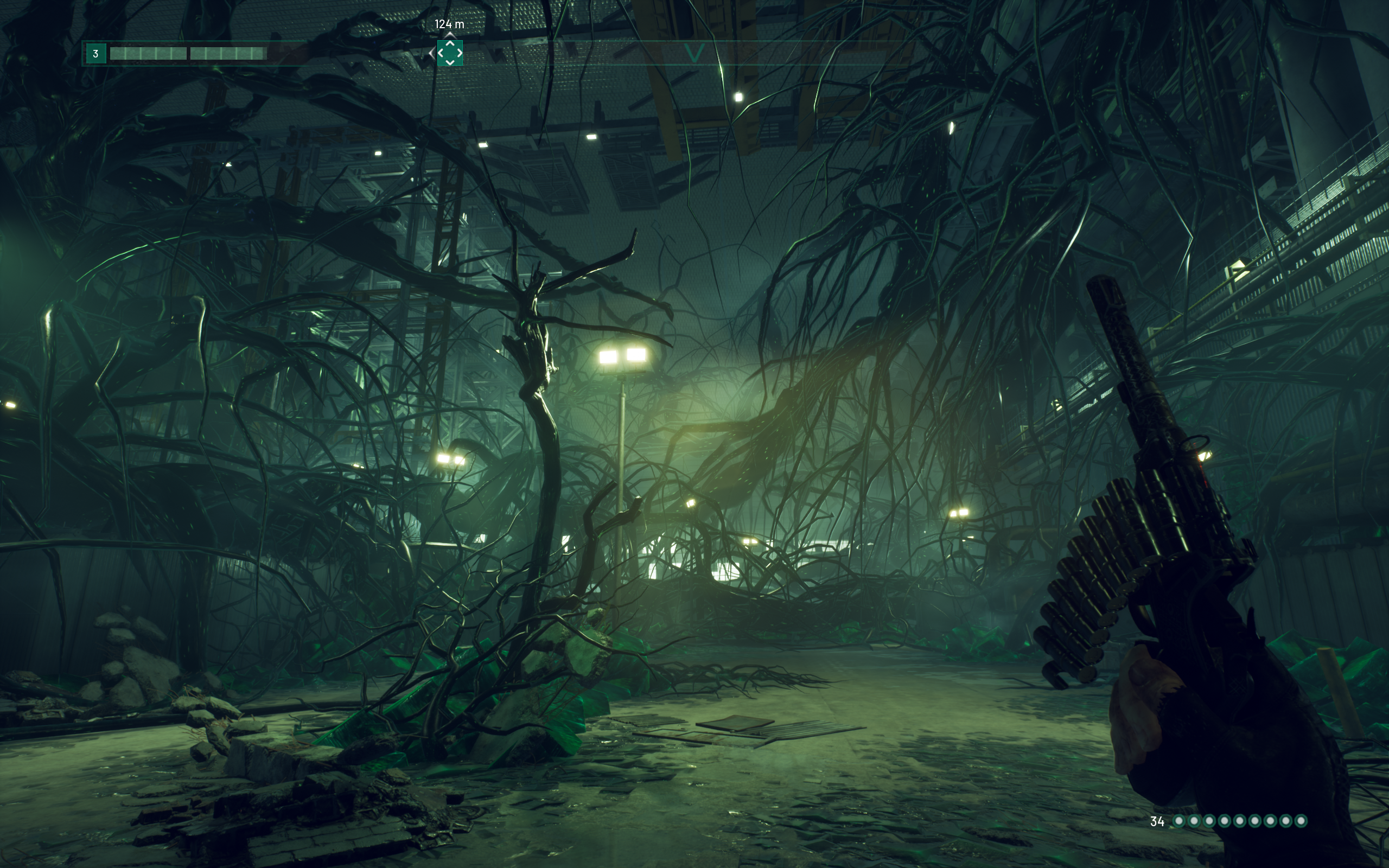
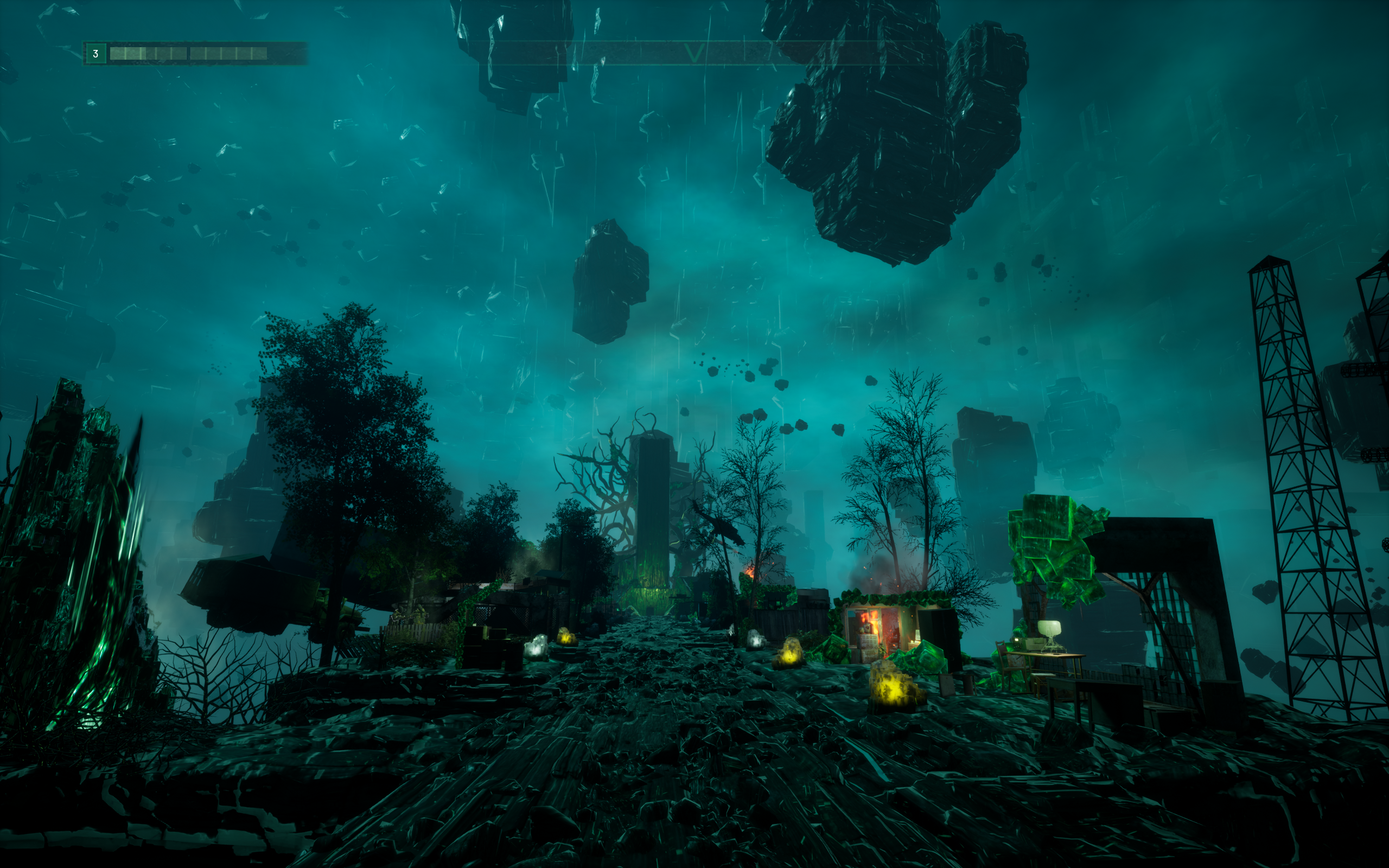
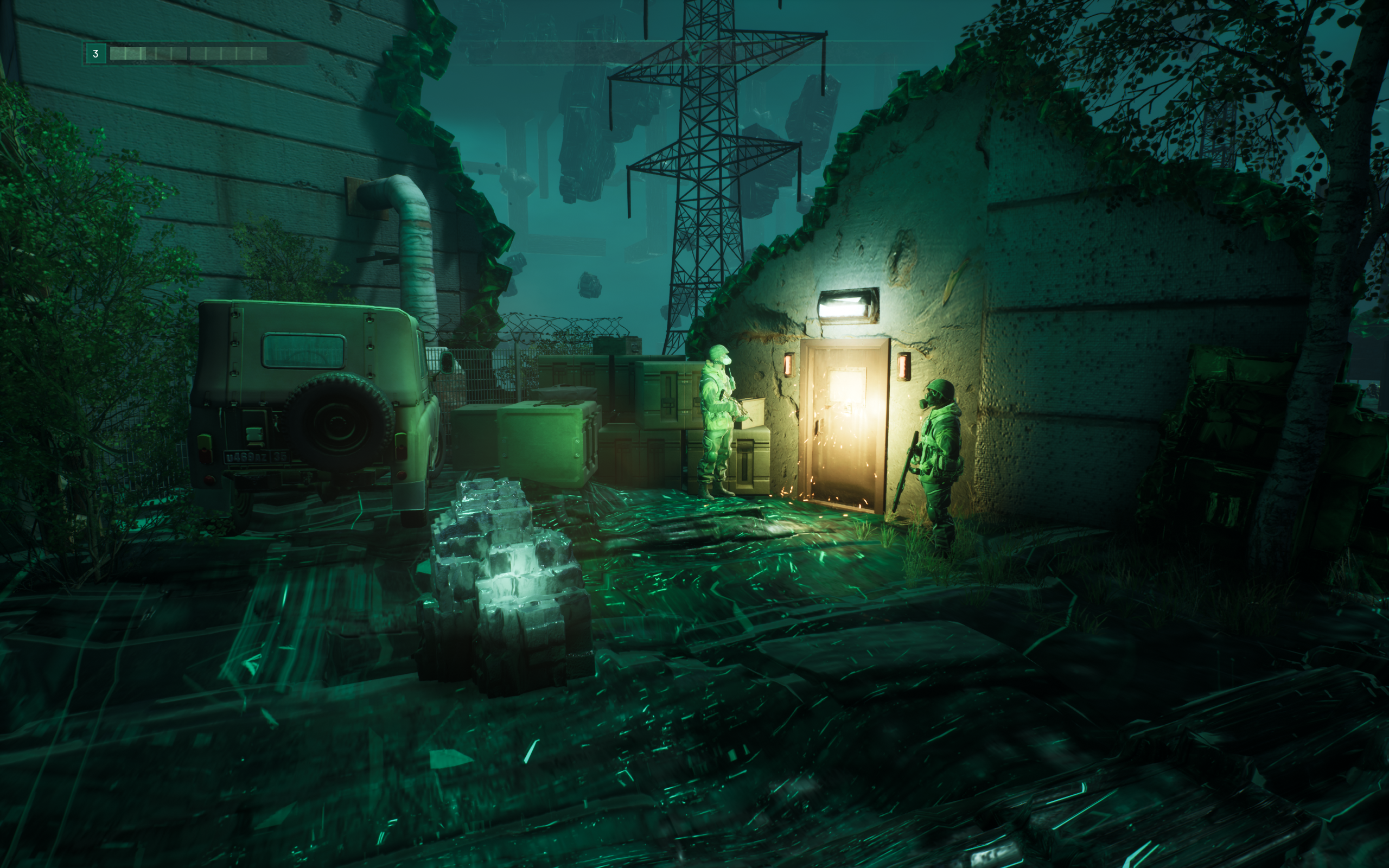
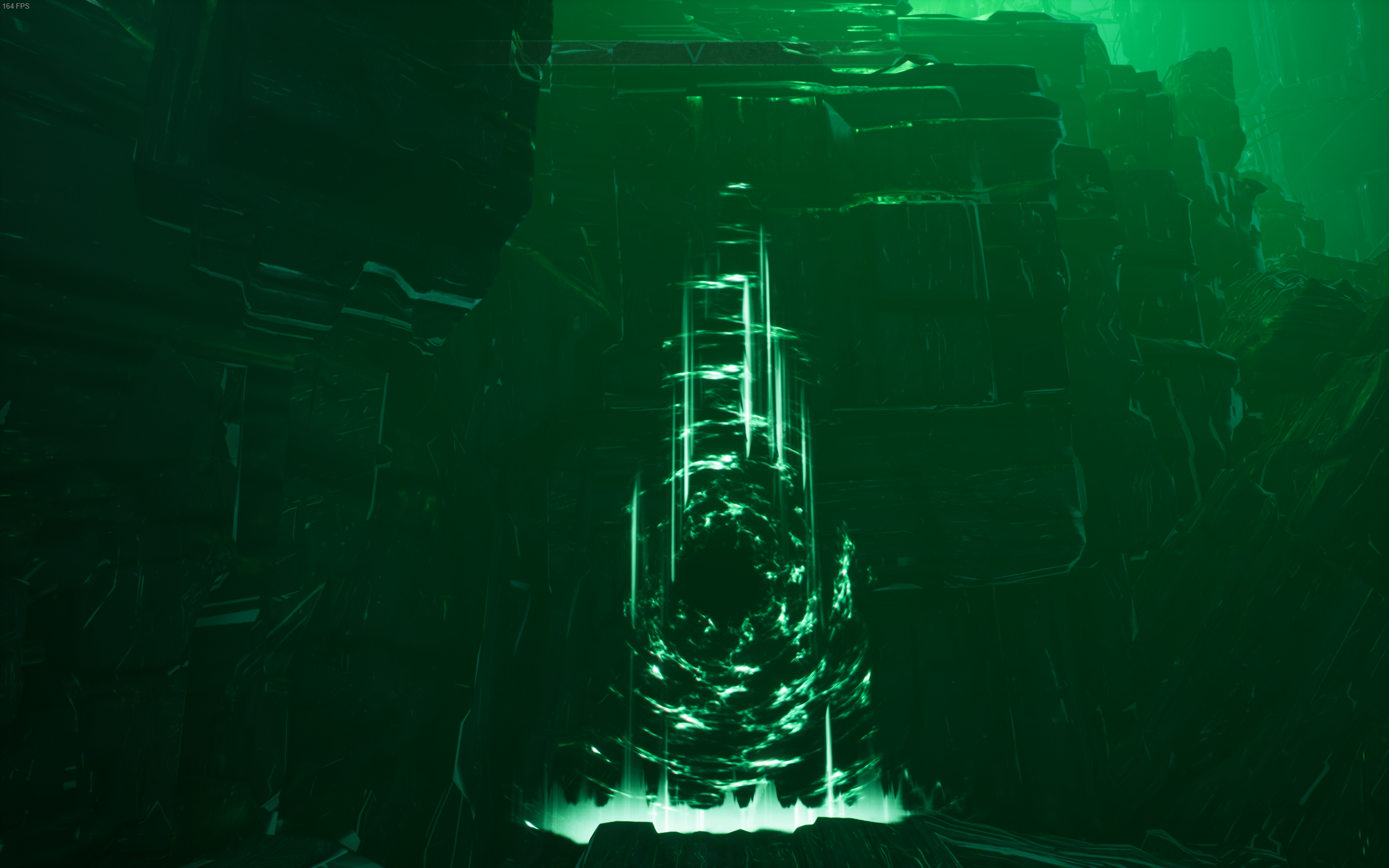
The one thing that makes Chernobylite stand out so much from other games is the functionality of the Chernobylite itself. This mysterious material holds within it many different functionalities. It allows you to use a portal generator, exting levels whenever you wish, however its true abilities are not realised until your first death. Despite its survival elements, you should not be afraid to die or make risky choices.
This is due to the fact that upon death, you are transported to a purgatory-like world, where all of your previous choices are put on display, showing the consequences of each action. In this space, you can then go to each choice – presented as a diorama – and change your past actions for the cost of some resources. While this means that replayability is somewhat light, the ability to change your choice upon death means that the developers allowed themselves much greater flexibility when it comes to cause and effect, making for a more dynamic set of consequences.
These areas – as with the simulation sequences – are filled with some of the game’s most unique and striking visuals, with branches representing the many different choices that you and Igor can make throughout the game. This mechanic really does help set Chernobylite apart from other survival games, showing that there is a lot more to the world of Chernobylite than first meets the eye. There’s a reason the game is called Chernobylite, and that is because its functionality really does allow the game its own distinct identity.
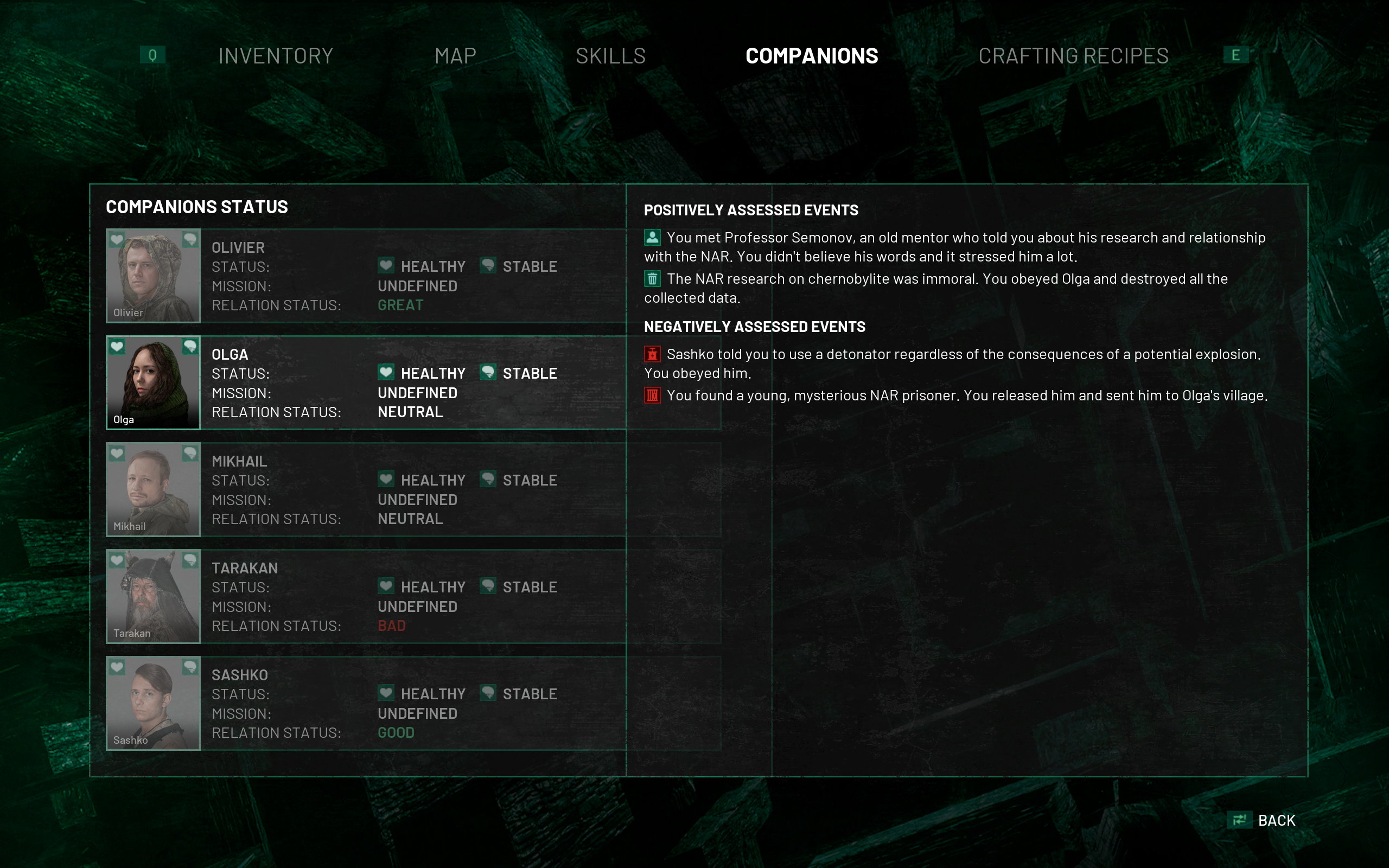
The story of Chernobylite begins promisingly, however it quickly falls far into the background. This is due to the nature of the game and its gameplay loop, limiting story moments to dialogue between missions, and some limited exposition within certain key missions. Igor never fails to remind you and everyone around you that your eventual goal is to find Tatyana, however aside from the heist at the game’s final act and the simulations, much of the dialogue is centred around secondary characters. This is not a bad thing, as many of the companion’s sub-stories are in some ways more interesting than Igor’s, especially Sashko and Tarakan’s.
While these stories don’t necessarily progress over the course of the game, their pasts and character motivations are revealed in chunks as you get closer to the characters at your base. Your companions and their stories really help to create this familial sense, and when the final act does take place, and you are infiltrating the power plant with your companions alongside you, it does feel like a special moment.
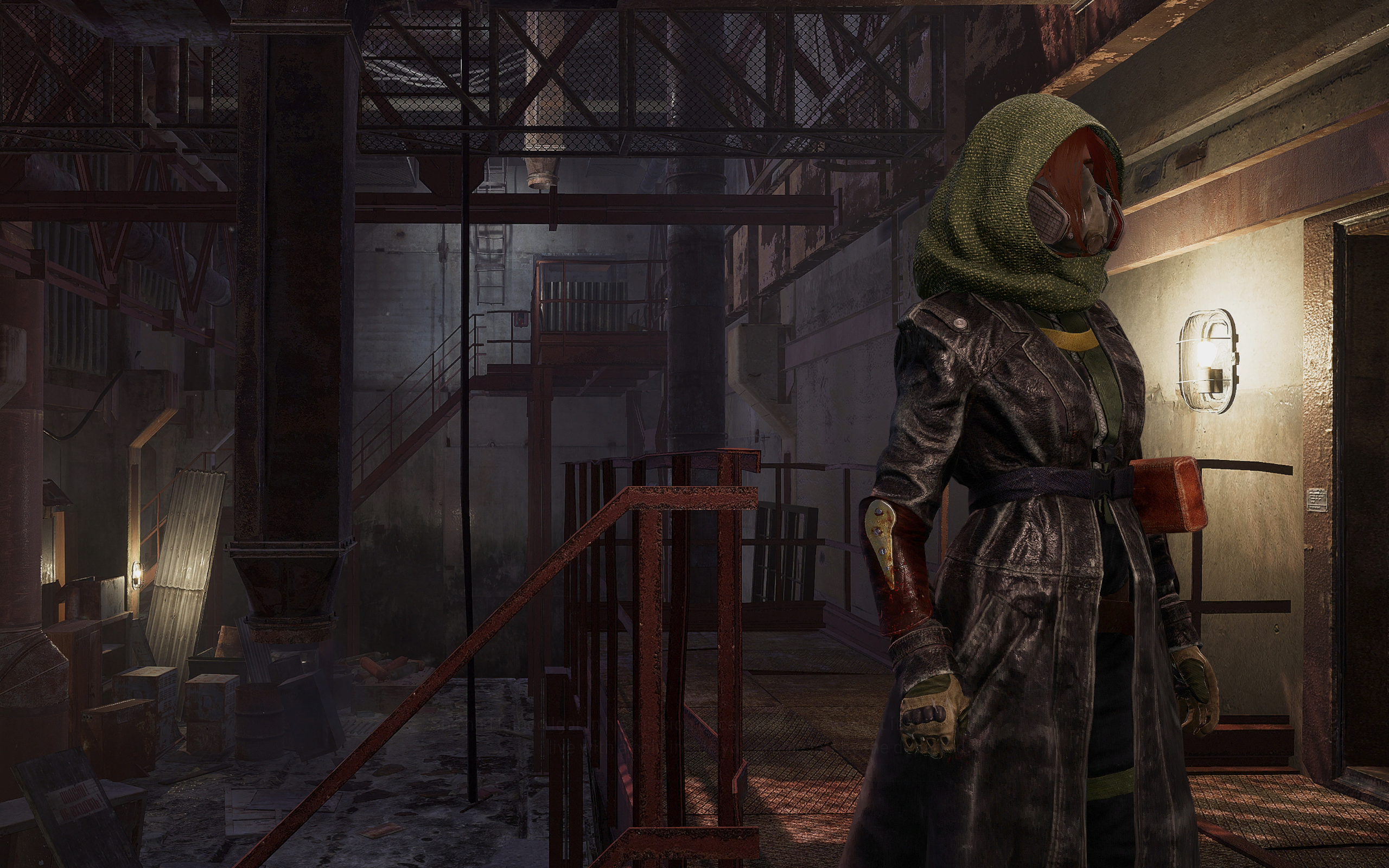
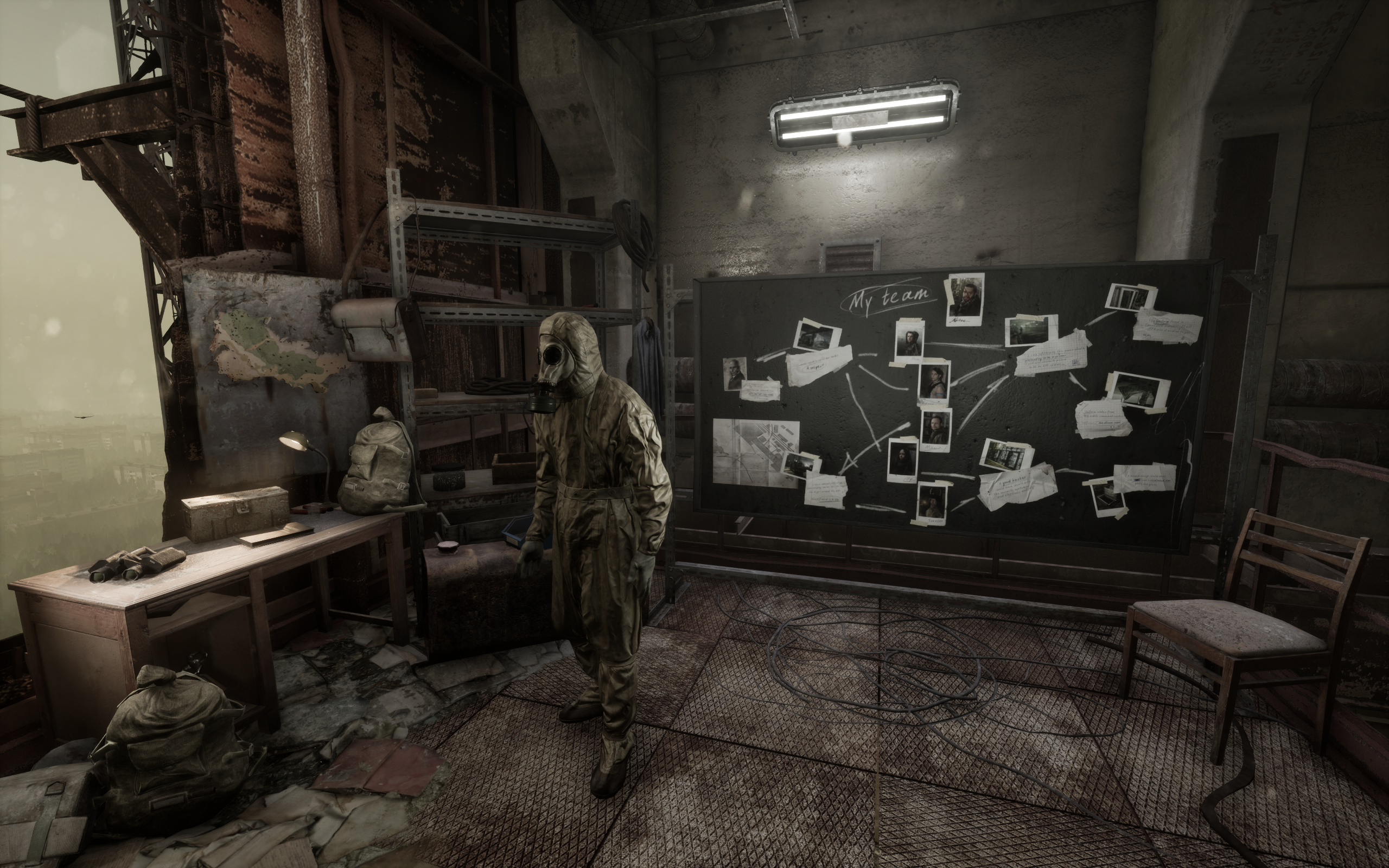
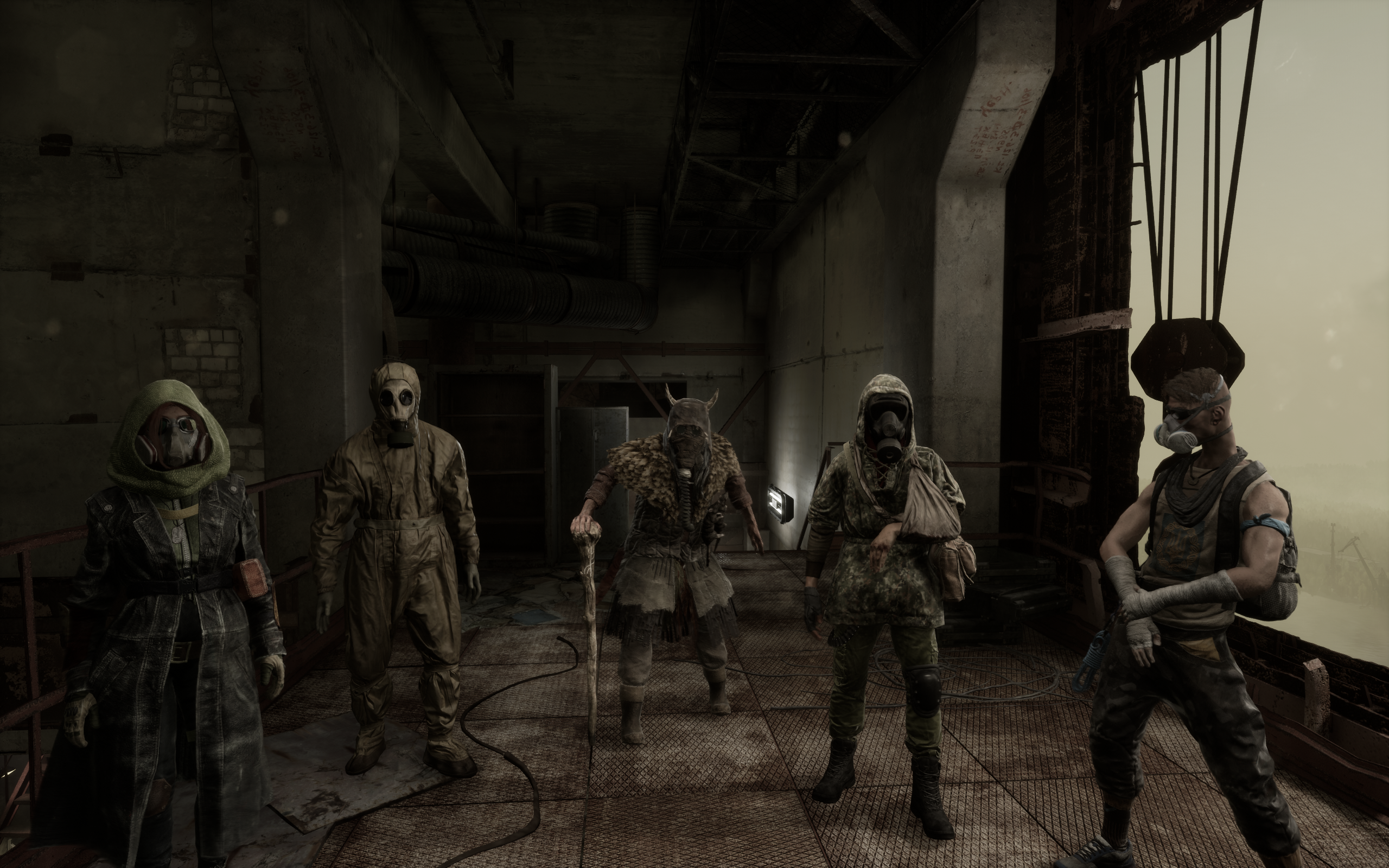
While the story offers two real and opposing endings, choices you make throughout the game can have lasting consequences, with characters dying or not dying depending on your choices. These consequences can range from immediate decisions made, to ones from hours ago, reaffirming a sense of cause and effect. While the middle of the game can feel tedious at some points, even going so far as to be mind numbing and repetitive (depending on the difficulty), the game’s narrative and gameplay wrap nicely in its final act. The heist mission involves the greatest amount of storytelling, action, shooting, choices and budget, with developers The Farm 51 clearly putting a great deal of their resources into ensuring the game leaves an impact at the end – and it certainly does manage to do so.
The game’s final moments have you confront yourself and your actions throughout the game in a visually striking and impactful way. While not everyone will feel the impact that the developers were hoping to achieve, I certainly felt its effects, and it retroactively made much of the game’s more story-light moments click better. Still, the ending isn’t without its flaws. Some of the game’s final moments prove to be predictable, and while some revelations may come as a surprise, others definitely will not. Chernobylite’s main story is serviceable, and even exciting and intriguing at times, however for most of the game’s 25 hour-long campaign, you won’t be thinking about it.
While gameplay is king, a game’s visuals can do so much to immerse and envelop a player into the world of the video game that which they are playing. When visiting real-world locations, this is doubly important, as players have a reference with which they can compare, and so while nothing can be as horrifying as the real-world photos of Pripyat Ukraine in the wake of the nuclear disaster, the team at The Farm 51 did their best to recreate the sense of death, desolation and depression present when walking around.
Recreating these feelings was clearly important to the team, as the primary function of the game’s Kickstarter was in service of helping them to produce photoscans of the actual environment, allowing them to capture the rawness of the disaster and its aftermath. Did they succeed? For the most part, yes.
On an aesthetic visual level, Chernobylite manages to capture the eerie quiet that one would most likely experience when visiting the aftermath of the Chernobyl disaster. While I myself have not visited Chernobyl, and would never wish to belittle the experience of those who were there during and after the disaster, Chernobylite is likely to be one of the few pieces of media that can help to capture the essence of the exclusion zone.
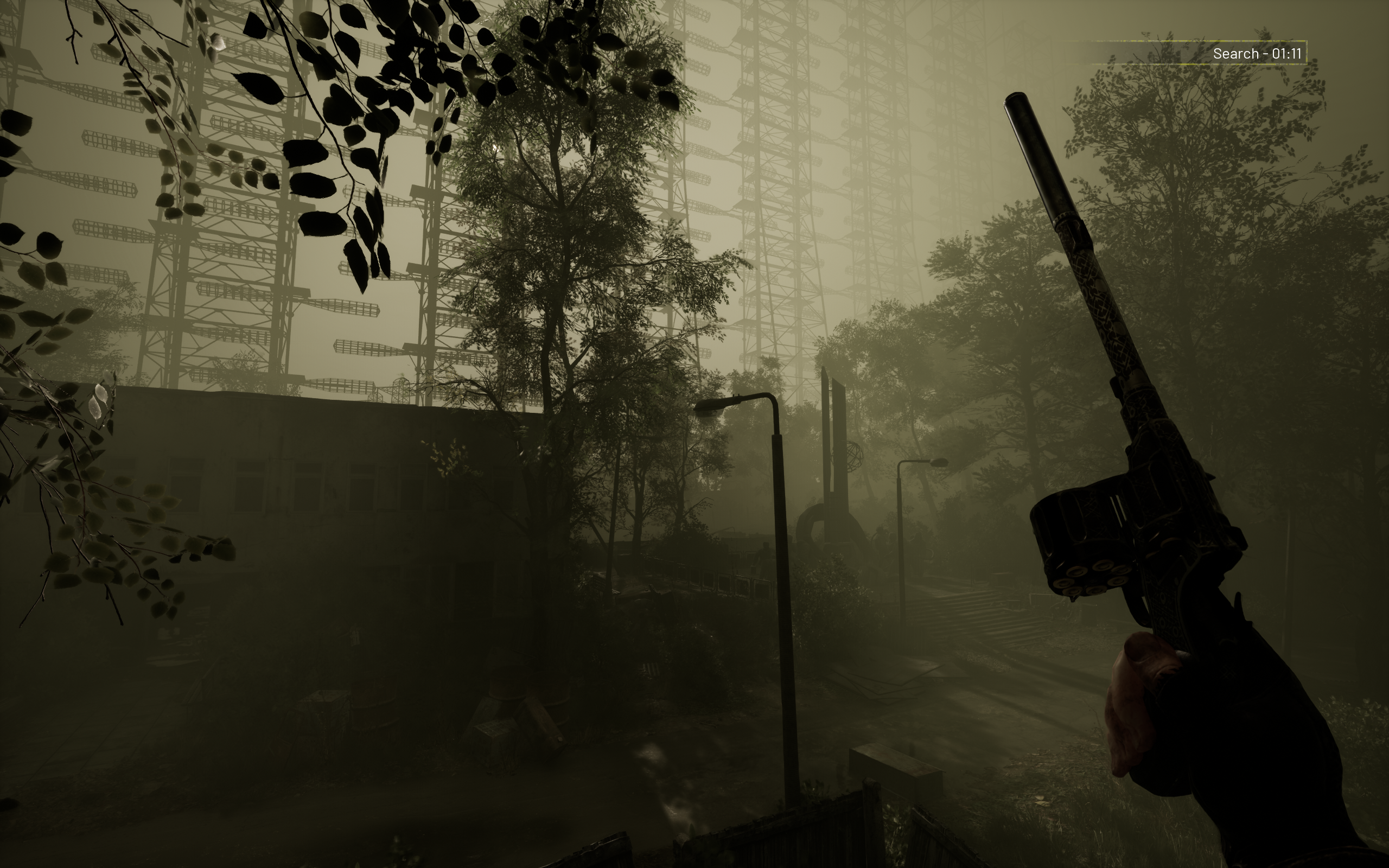
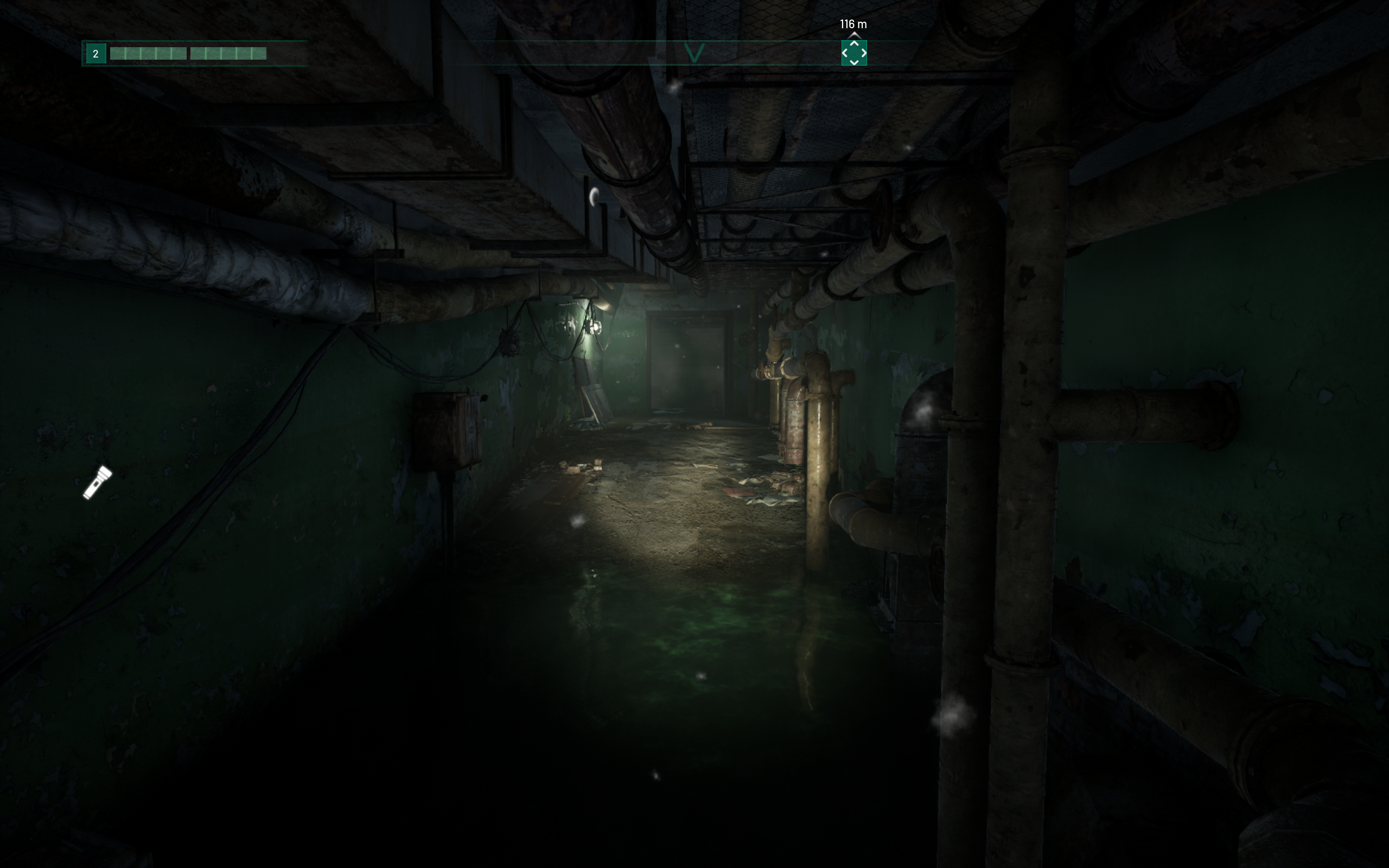
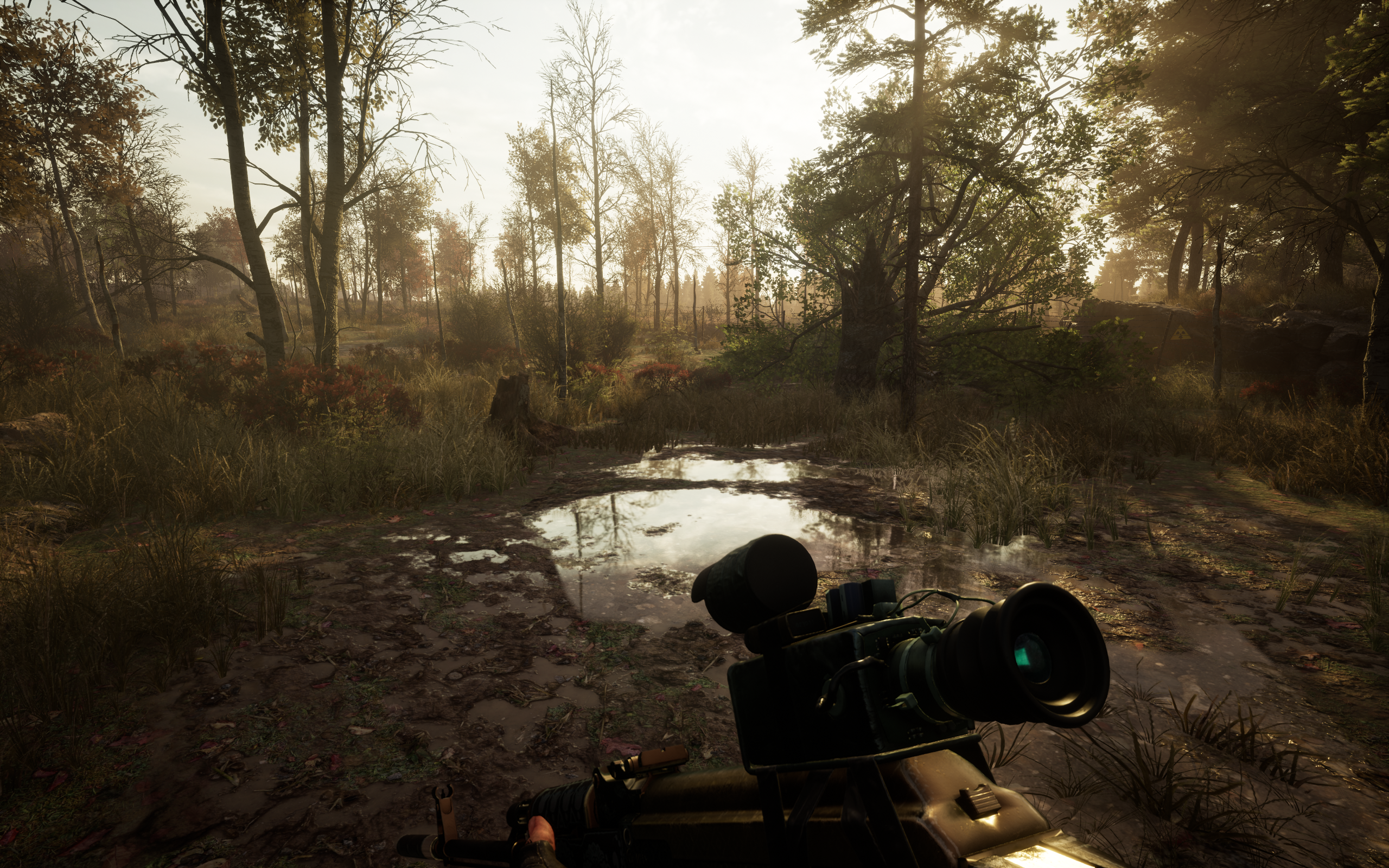
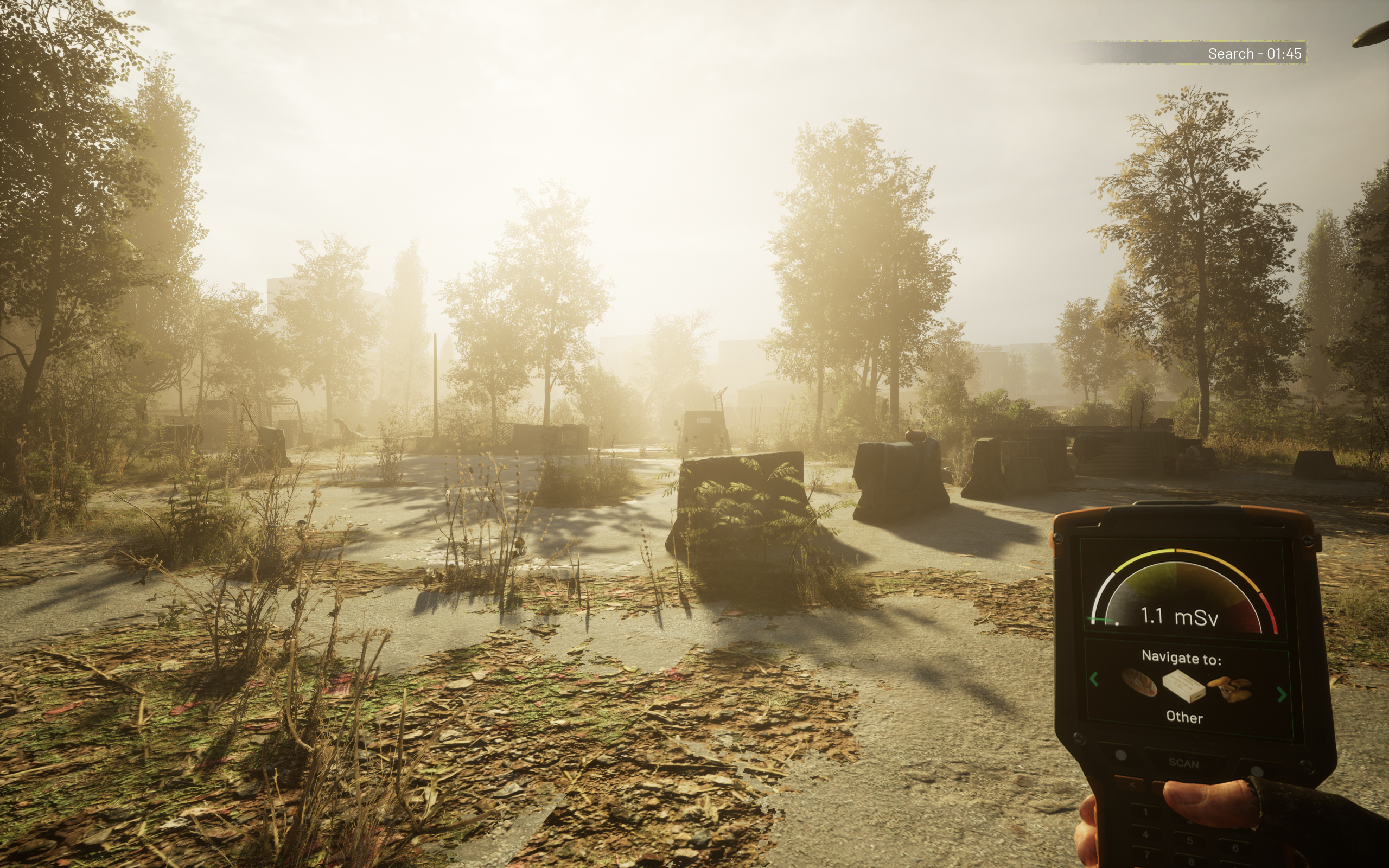
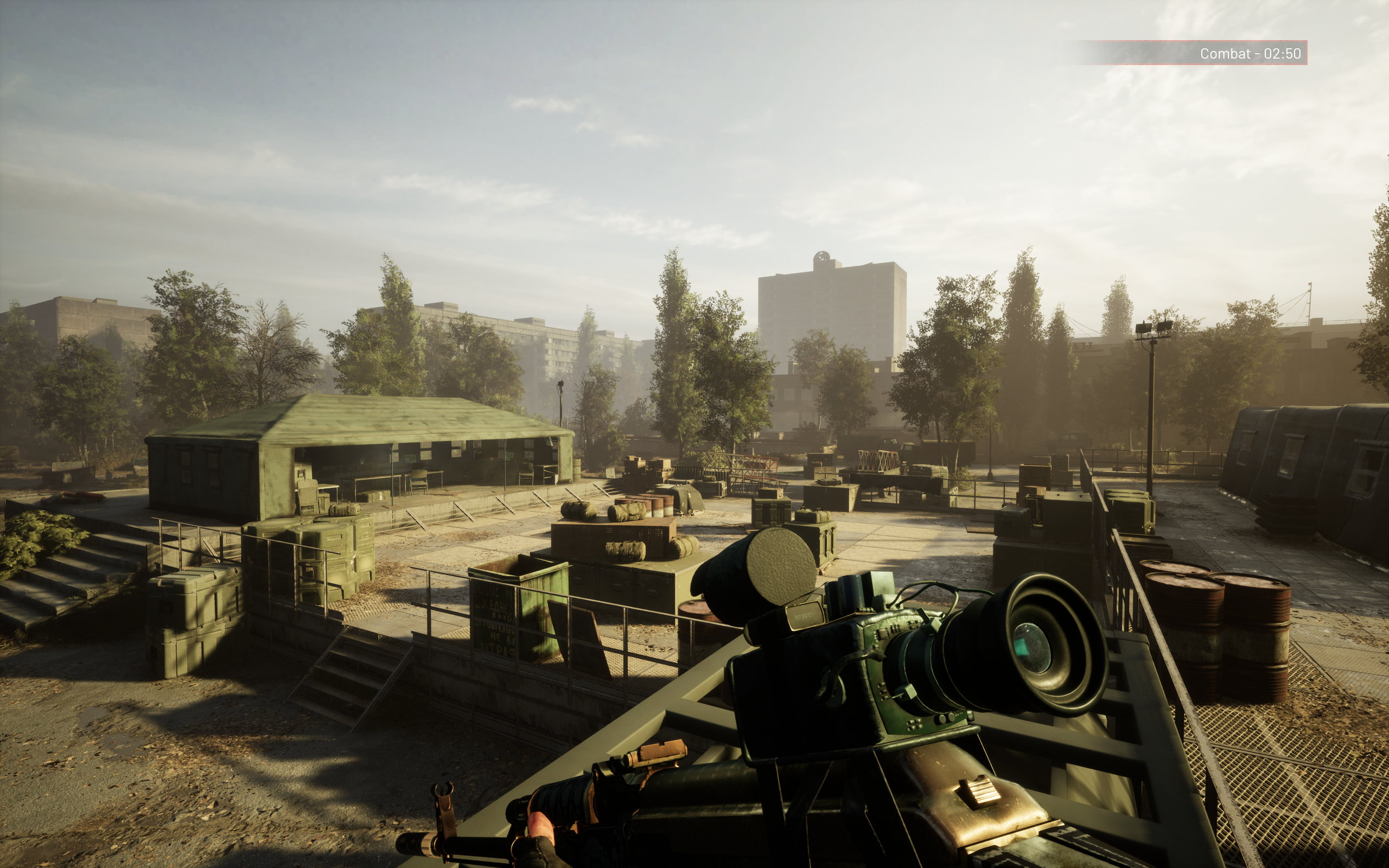
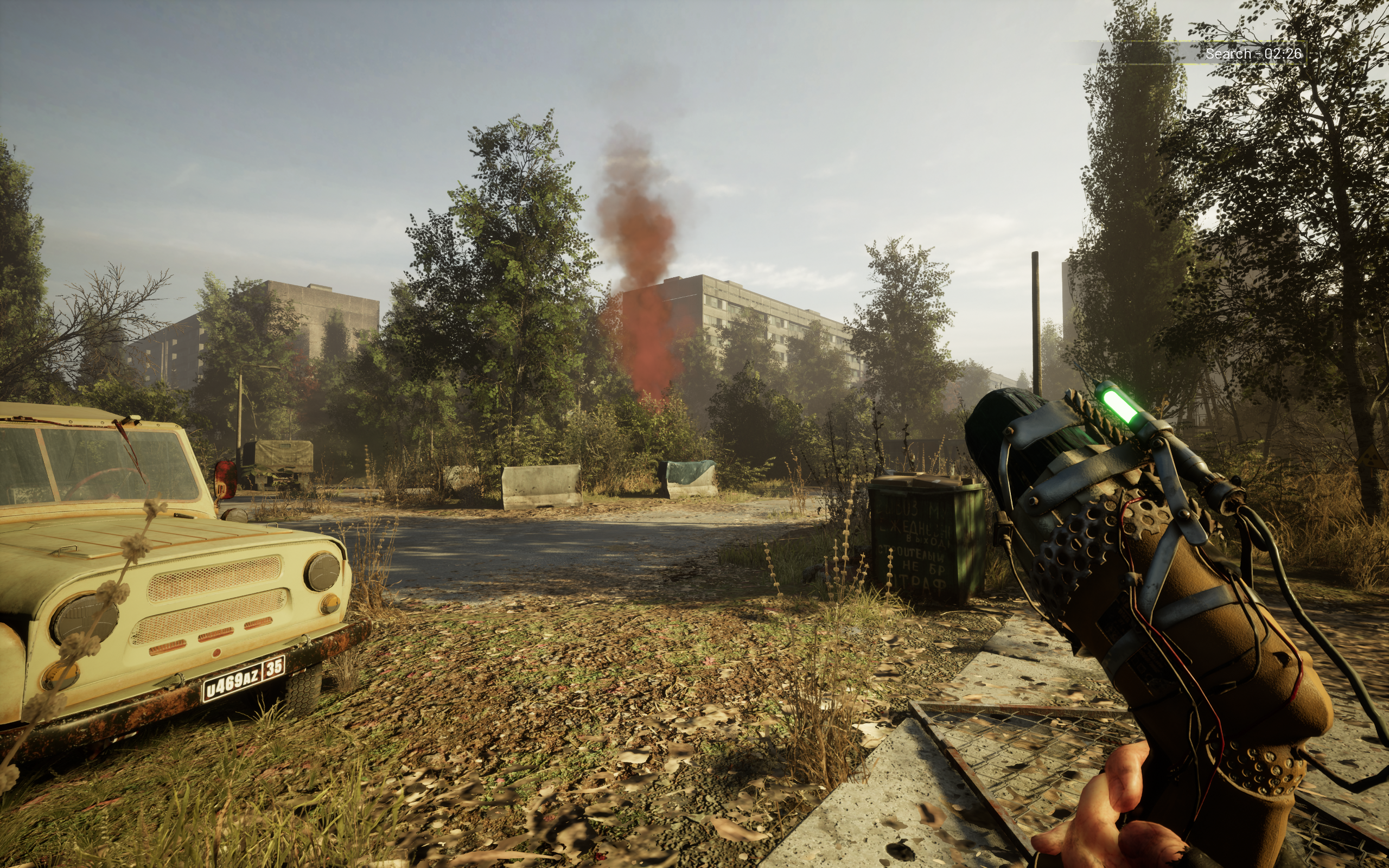
In walking around the game’s different levels or zones, players can freely explore everything at their leisure (to an extent, though we will get to that later), allowing you to fully immerse yourself in its world. Be it the abundance of overgrown foliage, the fact that not a single building was left untouched or the messy nature of everything, capturing the hurriedness that the people must have felt as they tried to flee Pripyat – all of this is conducive to creating an environment which really does show and not tell. There aren’t any notes available to pick up, where characters would unrealistically write about their experience as it was happening. There is an absence of life, and very intentionally so.
One of the most effective pieces of imagery I witnessed was subtle, and yet one of the game’s biggest scares. Upon entering one building, I saw what looked like shadows, expecting it to be an enemy, or a set up for a jump scare. I was on edge, expecting…something. As I got closer and shone my torch, I discovered that what I was looking at was not the shadow of a monster, but in fact nuclear bleaching, entombing the final moments of some of the victims of the Chernobyl disaster, immortalising their fear and desperation as they realised they were about to die.
This effect was not over used either, and of all the supernatural scares seen throughout the game, this real-world effect was perhaps the scariest. In this way, Chernobylite succeeds, showing some of the most iconic set pieces – such as the Pripyat amusement park – but also the lesser known sides to the Chernobyl disaster. The visual makeup of Chernobylite is subtle, which is what makes it so effective.
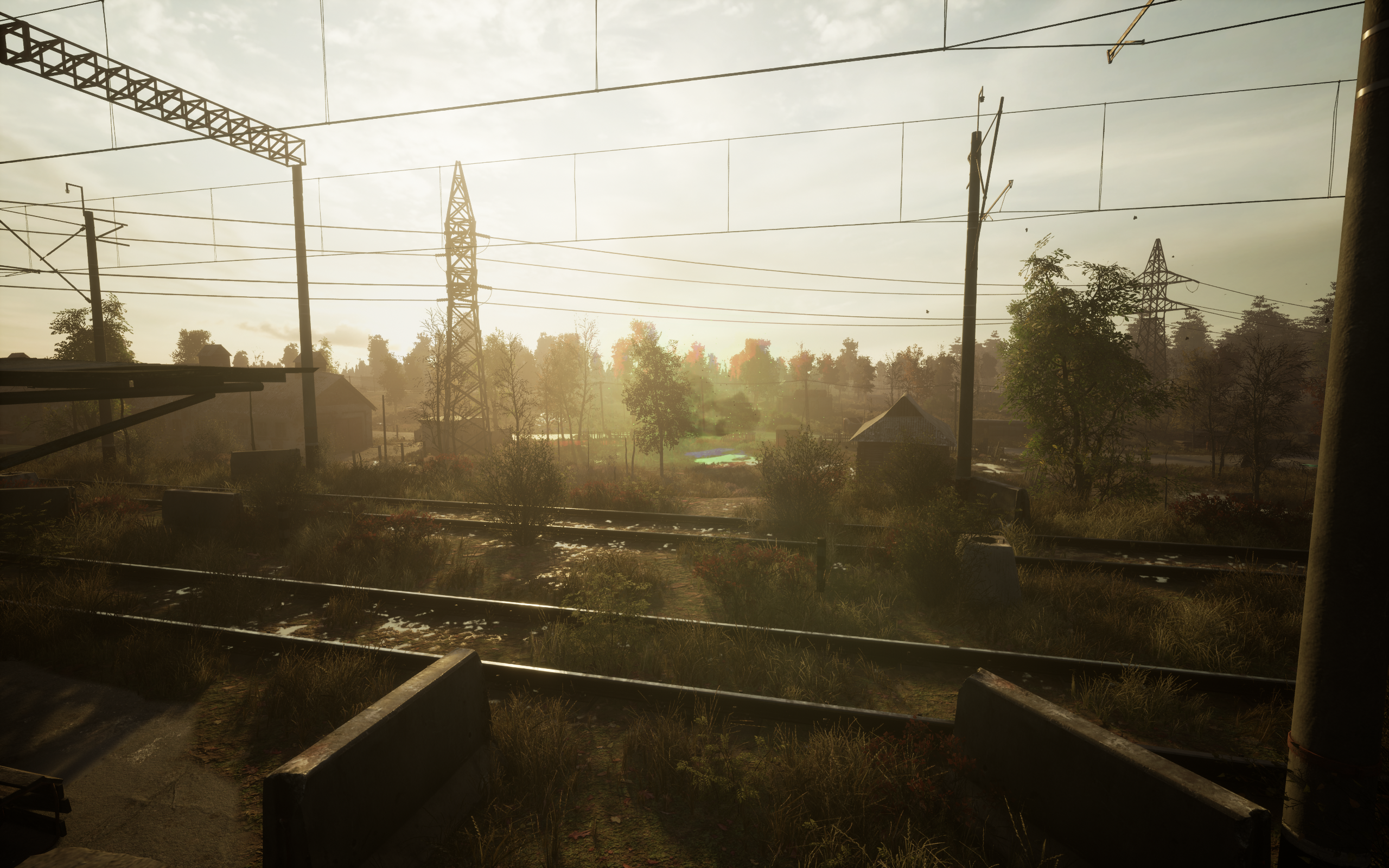
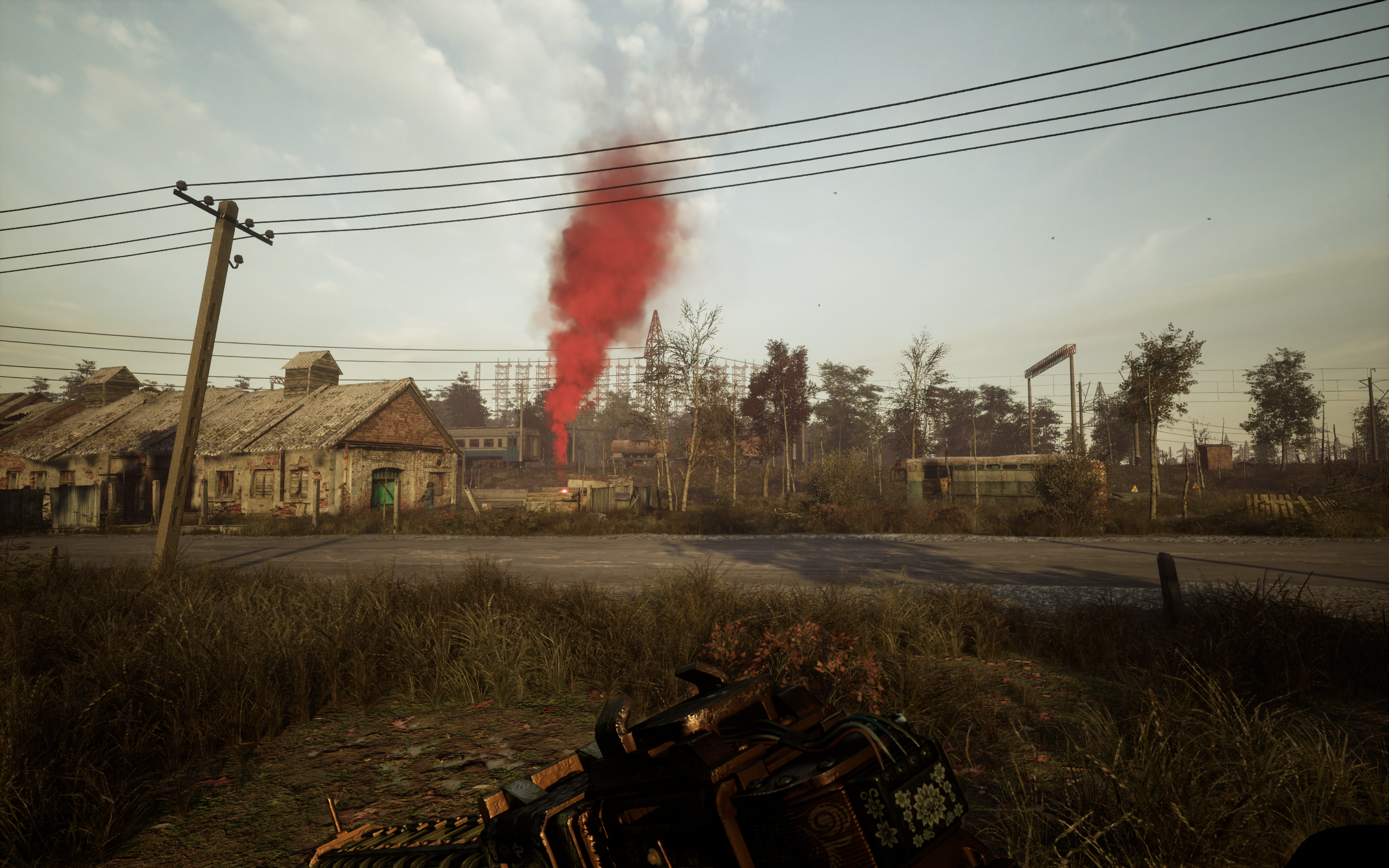
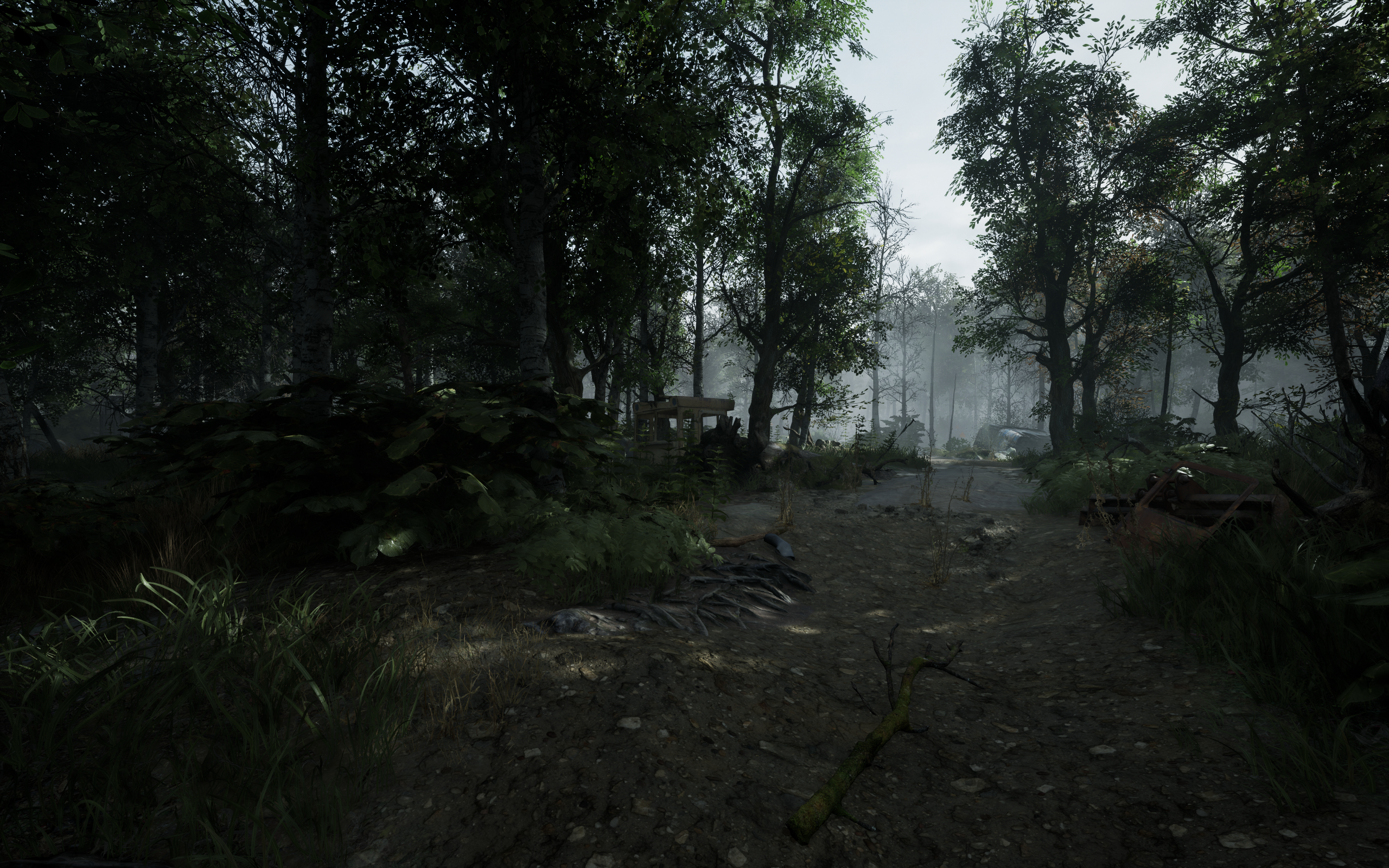
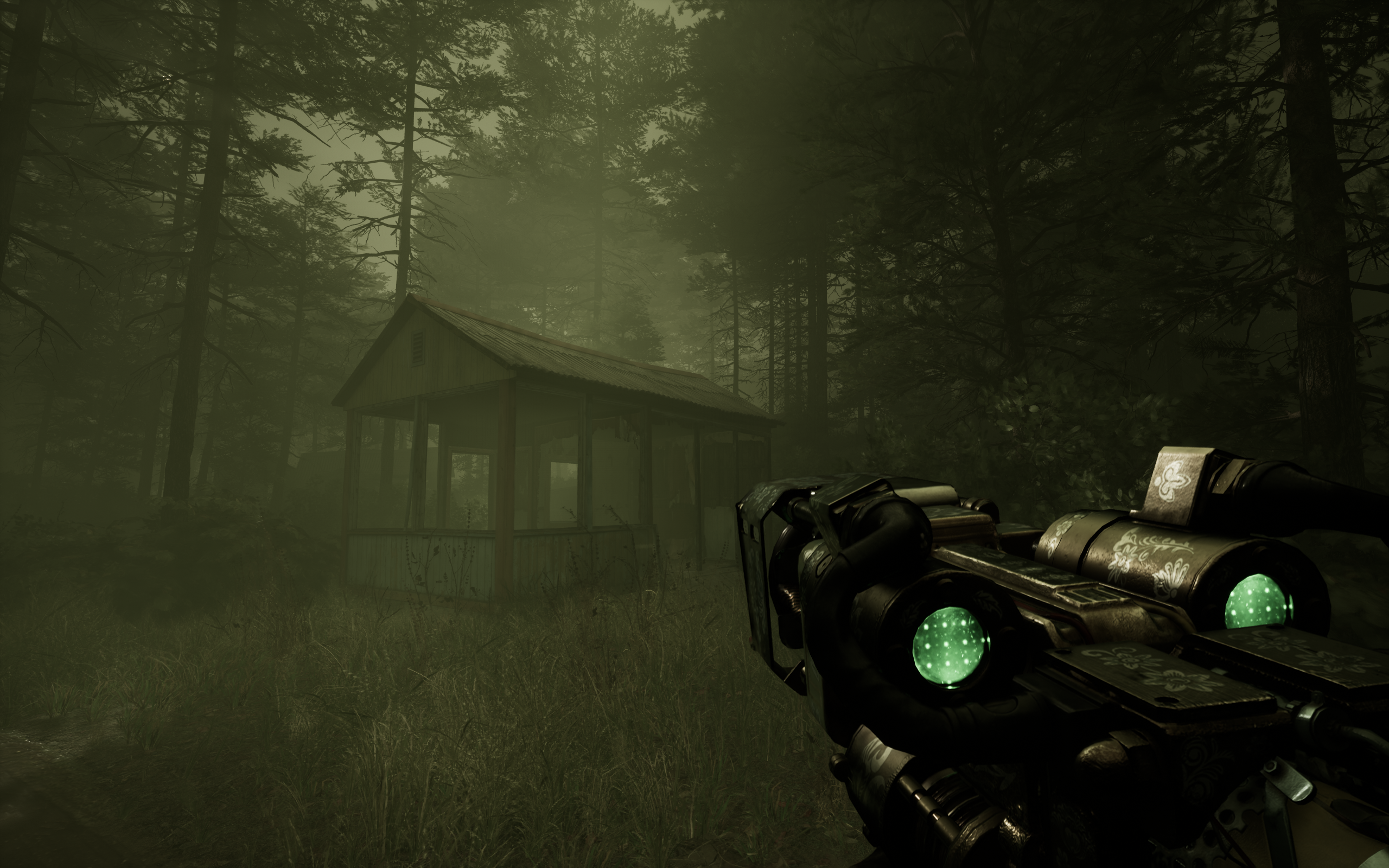
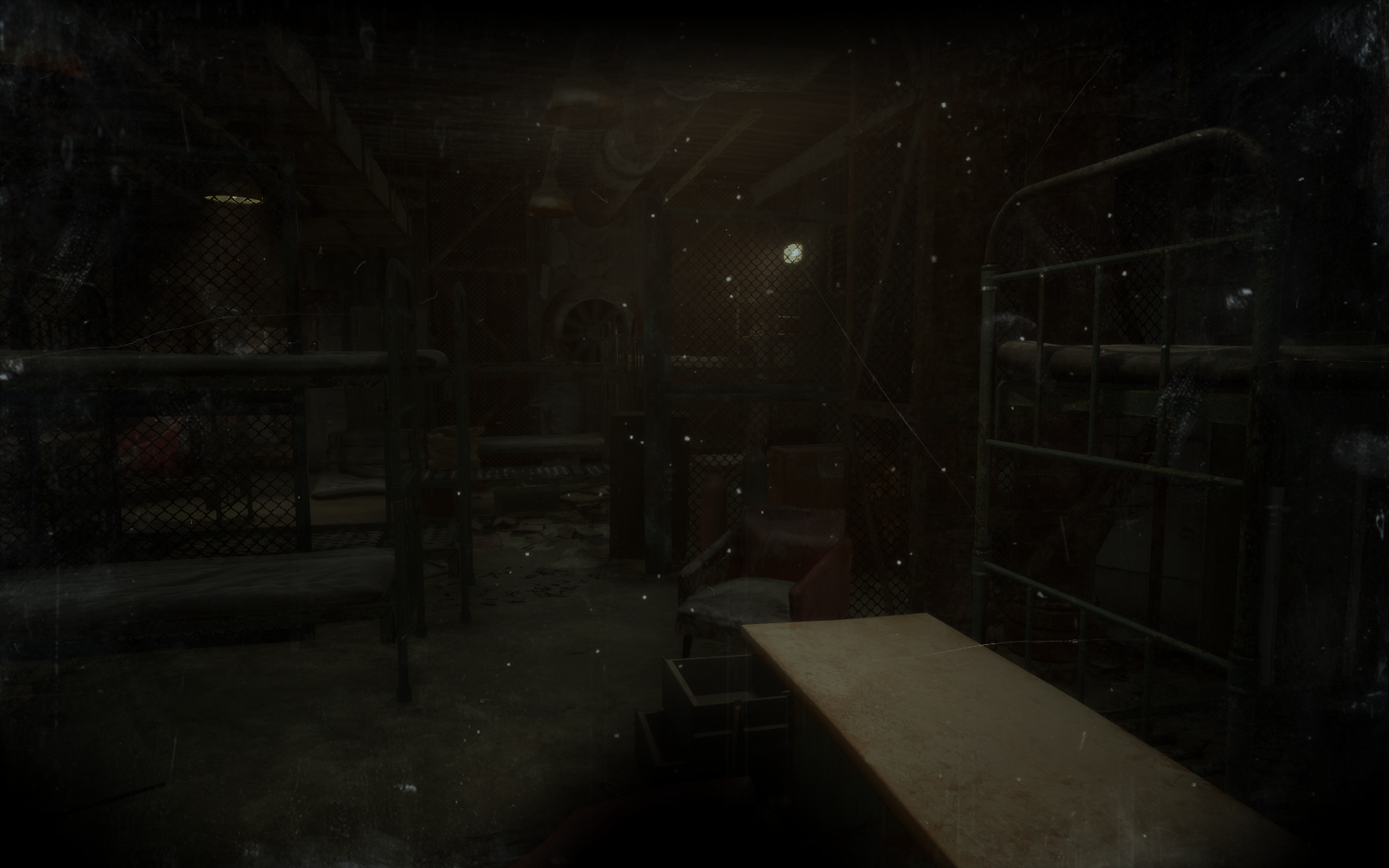
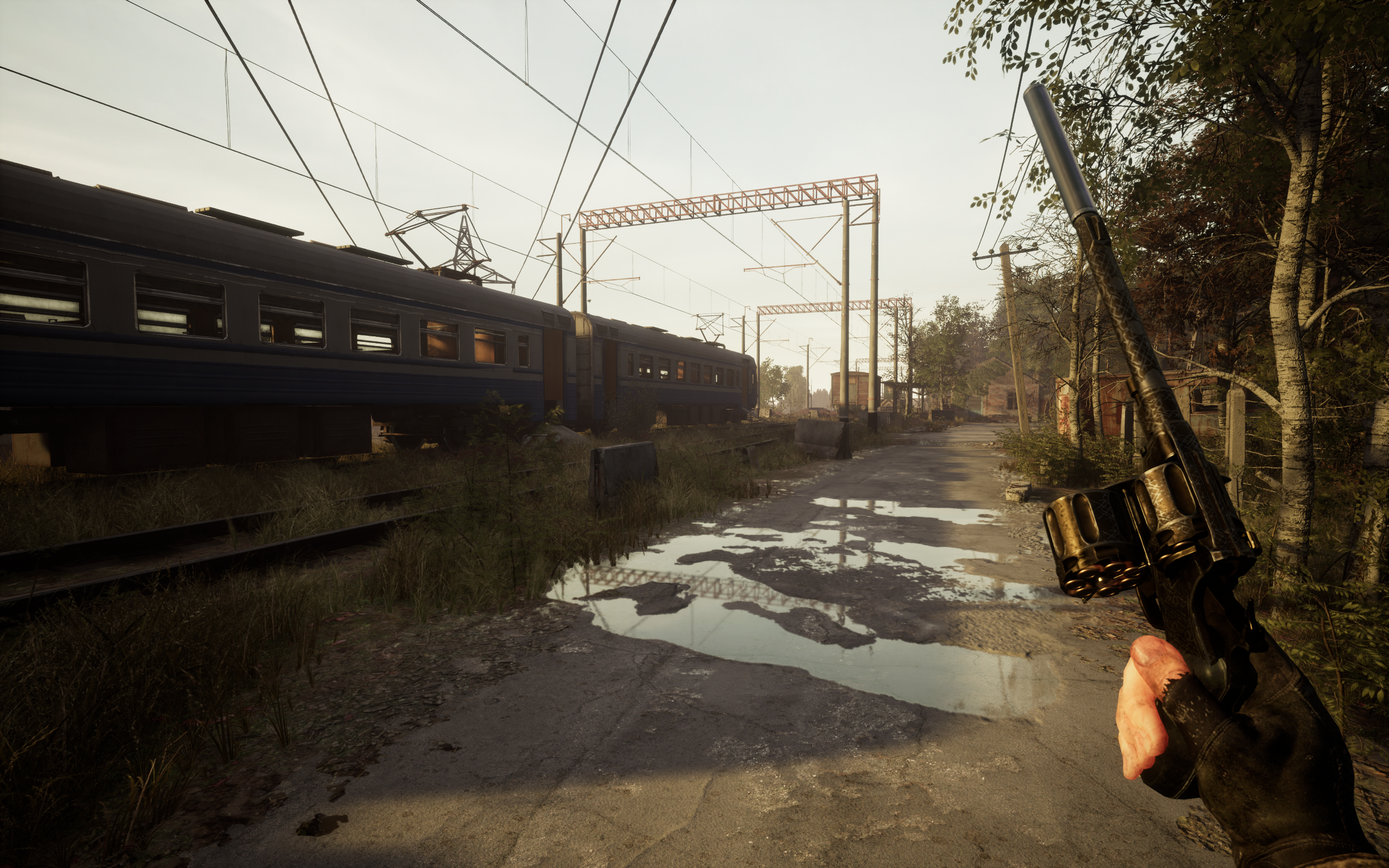
Unfortunately, these visuals are sometimes let down by technical limitations. While many of the game’s scenes and textures are very well modelled, including the weaponry and most of the buildings, rocks, metal and wood (no doubt aided by the Kickstarter-backed photo scans of the real-world locations), some of the game’s dingier corners are plagued with lower resolution textures, even at the highest PC settings. While it somewhat takes away from the immersion when noticed, the overall grittiness of the game and its world helps to mask this somewhat, and can generally fade into the background over time.
Seeing as how the game relies heavily on natural lighting, some of the game’s indoor locations can be rather dark and hard to see, even with the in-game gamma properly calibrated. In order to help with this, players are provided with a torch, though it does little to help light up the room, and can in some ways even work counter to its intentions, making the area outside its small cone of light appear even darker.
Even with these slight issues, the game’s visuals are one of its strongest points. The developers seem to know this too, as a free-roam mode is offered, allowing players to walk around these crafted open levels, simply absorbing the game’s atmosphere. Though the presence of Chernobylite crystals do add an element of fantasy to this otherwise realistic and accurate game, it does not distract from the atmosphere of the game, and so even if the rest of the game was subpar, its levels are certainly worth exploring.
A game’s sound design is just as important as any other facet to a video game when it comes to creating a believable world. This includes not only the sound of weapons, footsteps and ambient noise, but also the music and voice acting. Some of these things Chernobylite excels at – others it does not.
The general sound effects seen throughout the game, from the echoes of your footsteps on different floors, to the gun sounds, to the satisfying and visceral crunch when successfully landing a headshot all feel well implemented and realised within the confines of the game. While none of it was especially notable in its execution, it serves to reinforce the success of The Farm 51 in this regard: as the best kind of immersion is when you do not know you are immersed – you simply are.
None of the sound effects are too over the top, and it serves to complement the style of the game, being a slow paced crawl through the abandoned streets and hallways of the Chernobyl exclusion zone. Random and unexplained horror-inspired sounds also serve to further this feeling, with the fleeting laughter of a long-gone child being heard faintly as you walk through a park, or the hallways of an abandoned building being tinged with the pained echos of fallen civilians. These sounds are not too overdone so as to not feel repetitive, meaning that when it does occur, it holds a certain level of weight to it, successfully unnerving – and sometimes surprising – the player.
The music is equally worthy of praise. Composed by Mikołaj Stroiński, known best perhaps as the co-composer for CD Projekt Red’s The Witcher 3: Wild Hunt, the music for Chernobylite is subtle yet highly effective. Using a mixture of acoustic guitar, soft synthesis sounds and violins helps to create an oppressive, suffocating and yet hauntingly beautiful soundtrack – perfectly encapsulating the feeling of the game itself.
Each level features its own ambient music, and though in the moment it may not feel worthy of note, each return to the same location is met with certain feelings and emotions brought out by the familiarity of the music. While there may not be too much variety in its music, each map holds its own bespoke song, adding to the sense of uniqueness. While this does mean that the soundtrack itself may not feel as crafted or scripted as some games which tie the music ever so closely to the actions that a player is conducting with an epic orchestra giving its all, it accurately matches and enhances the overall atmosphere of each map and level.
This is doubly so for the music you hear upon returning to your base. While short in nature, and simple in its execution (being composed primarily of acoustic sounds), each successful mission ends with your return to the base, and you are met with these comforting notes, telling you that you are home, and you are safe. Over the course of the game, your base begins to feel more and more like home (as you adopt more companions and upgrades), and the music serves to reinforce this feeling. While again, holding undertones of depression, the base music is ultimately a warming and homely sound to return to.
Of course, I couldn’t go without mentioning the hard bass music piercing the air as you traverse some levels. Though the first time it may surprise you, you ultimately come to recognise these sounds as belonging to the radio of shop keeper Evgeniy Andrushev. It helps to lighten the mood ever so slightly, as despite everything going on with and around your main character, not all is lost, and some people are even able to have fun, ambitions, and live mostly happily in spite of their situation. The song – titled Tili tili boom Hardbass – is obnoxious, but purposefully so, adding to the charm of Chernobylite’s world, and giving the game that tiny bit of comic relief.
The one element to the game’s sound design that does disappoint is in its voice acting. Now, it is worth noting that the game is available to play in both Russian and English. The game defaults to the Russian voices. I would recommend that any new players keep it at its default. While I do not understand what they are saying (there are subtitles for this), the voices sound authentic enough and fit the tone of the world, adding to the immersion and reality of the world and its inhabitants. I played primarily in English, and this is due to the fact that there was simply a lot more to digest in it. The English voice acting cast is very hit or miss, with some characters doing a fine job of portraying their characters, and others being so odd as to be immersion-breaking.
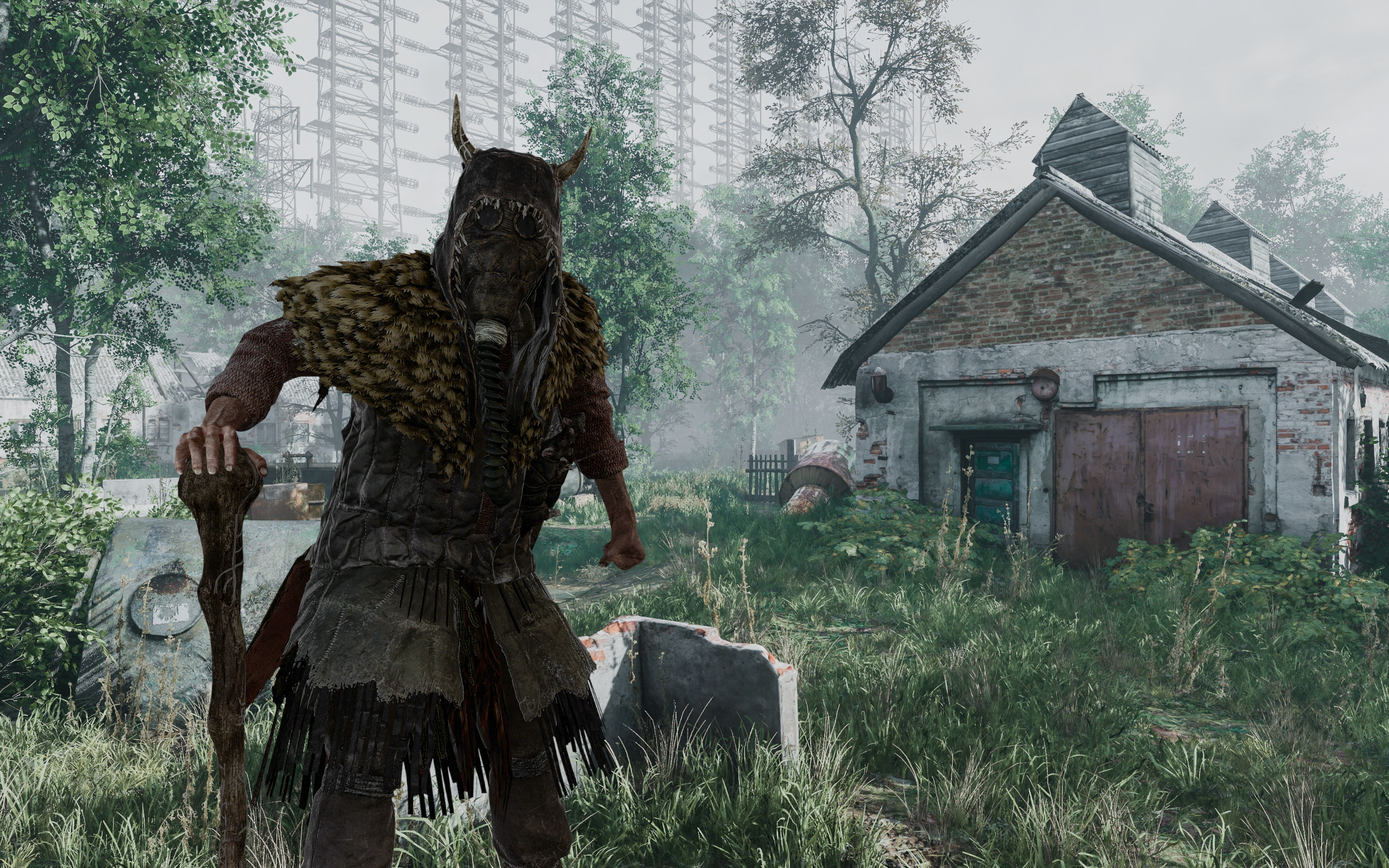
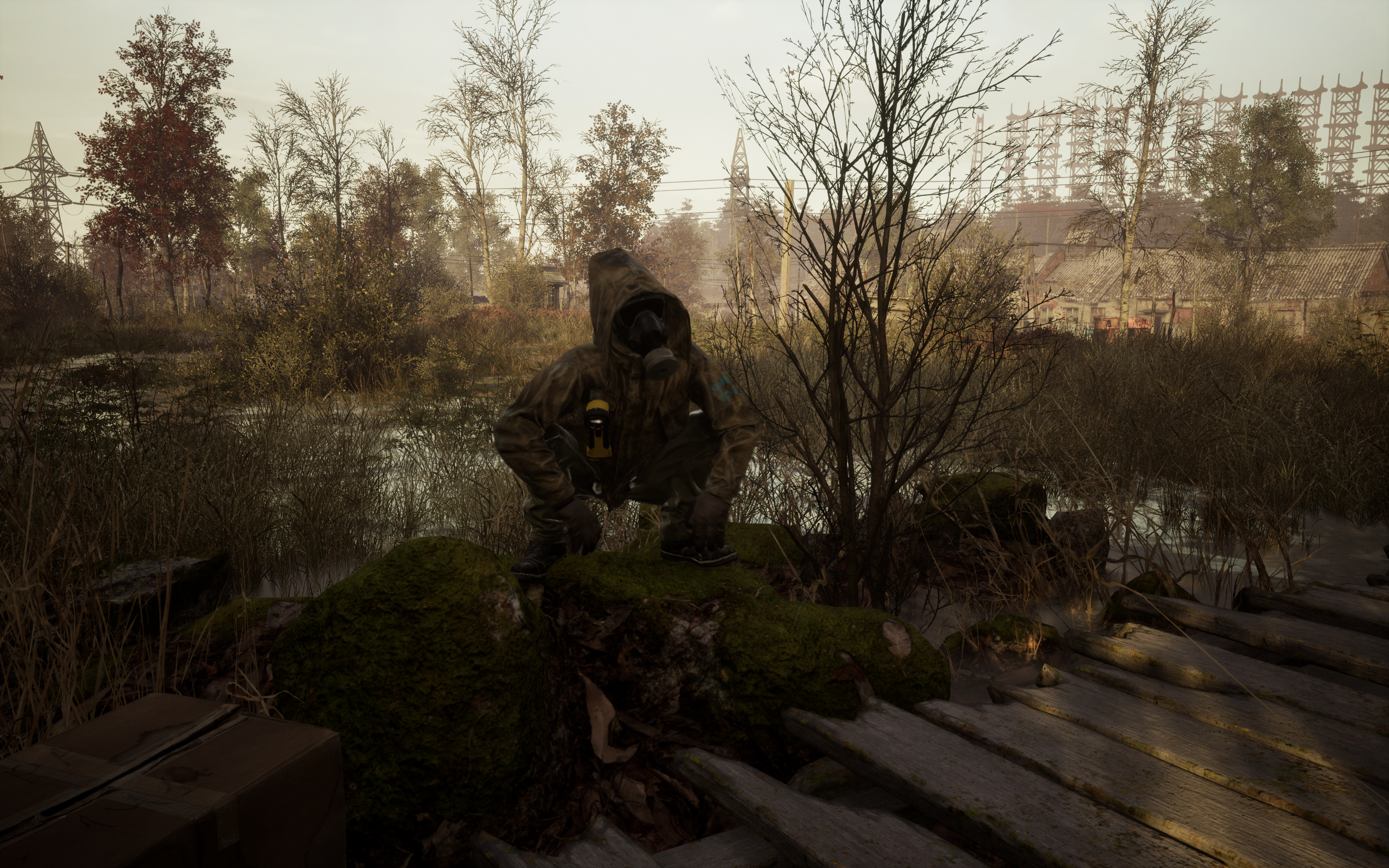
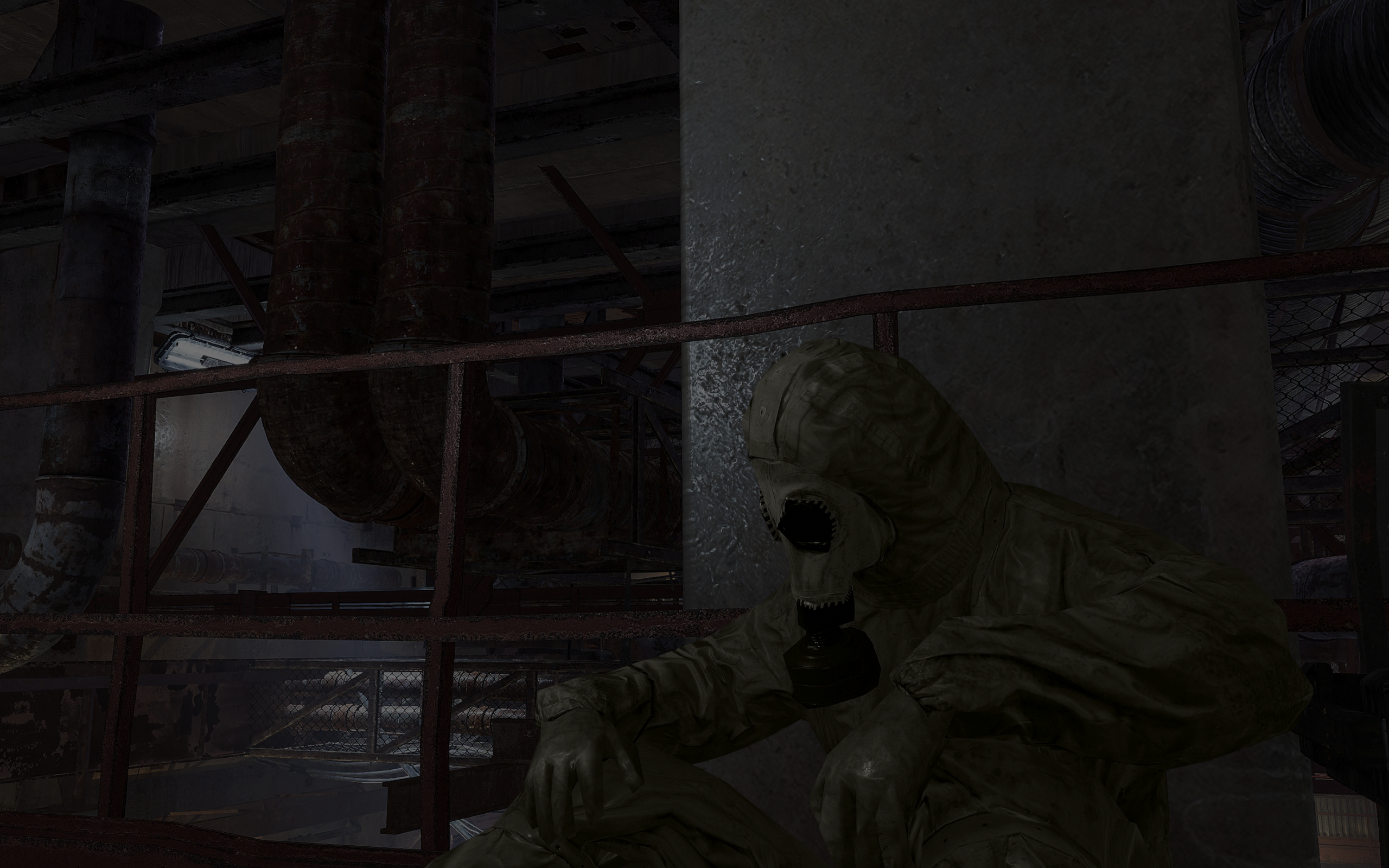
The biggest offender in this respect is that of the main character, Igor Khymynuk. In the English dub, Igor was given a British accent. While this makes some degree of sense story-wise, it stands out like a sore thumb, and with Igor being the main protagonist, he of course has the most to say. Yes, Igor is a scientist who spent a decent chunk of time in England, however, when talking to any other character, it really does beg the question as to why this creative decision was made – especially as his being English ultimately serves no purpose in the story.
It is possible that this fact could have been overlooked – especially if the voice acting itself was good – however it unfortunately is not, with Igor’s voice actor failing to capture the emotions required for the character during key moments, which in many ways undermines many of the most poignant scenes. Likewise, the voice actors for the generic NAR soldiers which you will encounter throughout the world are equally as immersion breaking. This however feels like it may fall onto the fault of the dialogue itself, and not just its execution.
These two sets of characters aside, the rest of the English voice cast is surprisingly great. Each of your companions – who you communicate with often – offer their own style of talking which reflects the personalities attributed to their character. Furthermore, emotions, enunciation and more are all very well done, with characters such as Tarakan and Olga being particular highlights. This also extends to the less important NPCs who Igor will engage with. The shopkeepers which Igor encounters throughout the world also have their own distinct personalities, captured well by the voice actors, and offering just enough abnormality so as to make them memorable. Of course, I must mention Tatyana, whose ever present and haunting voice strikes a balance between endearing and creepy, leaving you on edge and wondering, every time she offers advice or caution.
While most of the English voice cast is very well done, giving each character their own unique voice and personality, it is ultimately undone by the odd performance of the game’s main character, rendering the whole experience immersion-breaking. There was a reason as to why the game defaults to Russian – and it now makes sense.
There are just a couple tidbits worth noting, externally of everything I have said so far. One of the biggest frustrations I encountered was the over reliance on the game’s scanner system, which when pinged highlights all of the resources within a certain radius. Due to how useful it is, and how relatively difficult it was to identify what is and isn’t a resource, I felt a sense of over-reliance on this mechanic – especially as it had a rather significant cooldown period (though this can later be upgraded). Those who simply gather resources as they go along should be fine, but those who wish to collect as much as possible might find similar struggles.
Despite its premise and genre, the game isn’t afraid to be weird, funny and meta. One of the shopkeepers you will encounter in the world is called Evgeniy Andrushev (or EA) and will sell you loot boxes (though only using in-game resources). Likewise, another NPC makes references to real-world CEOs including Alibaba’s Jack Ma, comparing his own aspirations to the billionaire.
While I did not encounter any game breaking bugs, I did come across a few which proved to be annoying, including a bug where I could not equip my weapon until I restarted the game. In the same vein, the game suffers from some minor spelling mistakes as well as grammatical errors – though they are few and far in between. What was more noticeable was the difference between the spoken script and the written one.
In Chernobylite, your companion Mikhail has quite the potty mouth on him. While it seems like the team decided to tone down his language a bit, the English voice acting does not reflect this, thereby creating a discrepancy between what is written and what is said. It is possible this was a last minute decision which took place following a second round of localisation, however what it does mean is that in the English VA, some characters do use slurs on very rare occasions.
While not necessarily an issue, Chernobylite’s maps are both very open, and yet linear in certain areas. This leads to some confusion with regards to where you can and can’t go. While a majority of the game’s foliage can be walked through, some are used to hide invisible walls. Likewise, many roofs and buildings can be climbed with doors being openable – but not all of them, and the distinction isn’t clear.
While the game makes the most of its limited budget, some of the shortcomings are noticeable, such as the lack of dynamism in the movements of the companions, with most of them being static or having a few canned animations. Likewise, all characters wear some kind of face mask. While it makes sense sometimes, it quickly becomes obvious that this was done so that the team did not need to animate the characters’ face and mouth movements.
Finally, some of the game’s story elements could have benefited from a second look to make sure that it is paced and ordered correctly. Specifically, one of the game’s biggest plot twists was ruined, as the game allowed you – as Igor – to guess it in advance. The twist hadn’t occurred to me until this moment, and it heavily reduced the impact of its revelation during the game’s climactic finale.

While I have criticised many of Chernobylite’s elements, I ultimately did enjoy the game. The gameplay loop is satisfying and engaging (at least for 17 or-so of the 25 hours that it took me to complete the game); the music is subtle yet memorable; the visuals are striking and even harrowing at parts – especially those based on real world locations – and the story is serviceable, with some exciting and surprising moments.
Amongst all of this however, by far the strongest and most memorable part of this game are the many companions that you will gather over the course of the game. They offer interesting conversation; new insights; comedic relief and deep philosophy. By the end of the game I really came to care for this ragtag group of resistance fighters, and for that alone, Chernobylite is worth the price of admission.
Chernobylite is available to buy on Steam for £23.79 HERE.
Pros
- Strong sense of atmosphere
- Likeable companions
- Solid gameplay mechanics
Cons
- Inconsistent story flow
- Basic enemy AI
- Becomes repetitive

KitGuru says: Have you played Chernobylite? What did you think of the game? Has this game helped to put The Farm 51 on your radar? What do you want to see next from the studio? Let us know down below.