KitGuru KitGuru.net – Tech News | Hardware News | Hardware Reviews | IOS | Mobile | Gaming | Graphics Cards


The Dead Space franchise has had a bit of a tough go. While the first game was well received, with many praising the game’s atmosphere and tone, its sequels saw increasingly reduced fanfare. After a decade of silence, EA returned last year with an equally well-received remake of the first entry. Unfortunately, it looks as though the franchise is dead once again.
As reported by industry insider Jeff Grubb during the ‘Game Mess Mornings’ podcast, EA Motive – the studio behind the Dead Space Remake – were working on a sequel entry, with development going as far as the concept phase.
Unfortunately, according to Grubb, poor sales for the 2023 Remake has led to the cancellation/shelving of the sequel; once again putting the Dead Space series to rest. EA Motive have now been moved over to work on Iron Man and the next Battlefield instead.
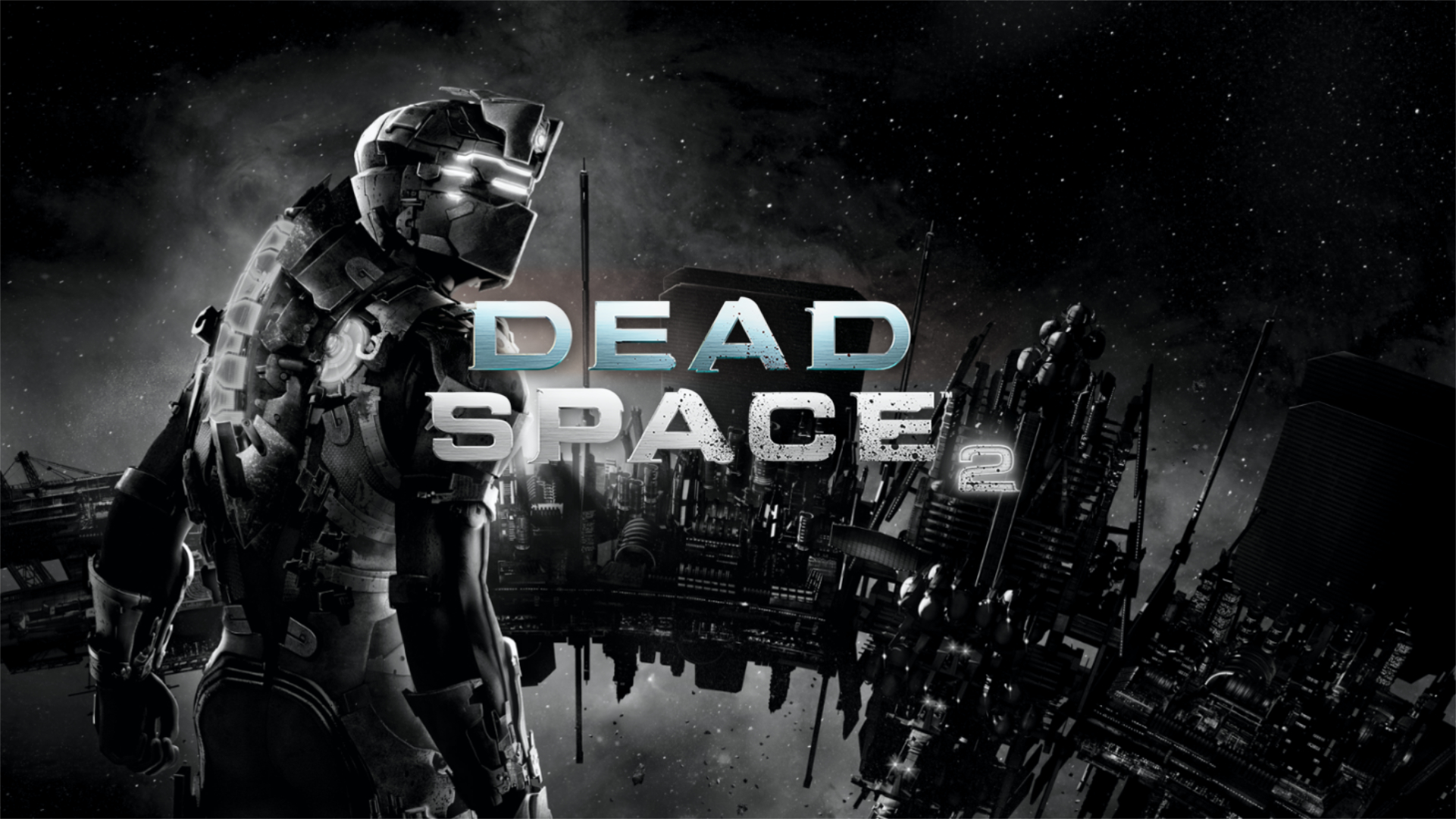
News of its cancellation comes as quite a surprise, especially as the Remake was received equally as highly as the 2008 original. Furthermore, while we were never given any concrete sales figures, the remake was the 2nd best selling game in the US the month it was released – only behind Call of Duty.
Furthermore, while the game failed to win any major awards, the Dead Space remake was nominated for Best Audio Design at the 2023 Game Awards, as well as ‘Action Game of the Year’ during the 27th D.I.C.E Awards.
With all that in mind, it is disappointing to see EA giving Dead Space a second chance – only to then cancel it after it had been received positively.
Discuss on our Facebook page HERE.
KitGuru says: What do you think of the cancellation? Is this short sighted on EA’s part? Were you hoping to see the full trilogy realised? Let us know down below.