KitGuru KitGuru.net – Tech News | Hardware News | Hardware Reviews | IOS | Mobile | Gaming | Graphics Cards


As we approach the final weeks of the Eighth generation of consoles, it's high time that we took a deep breath, looked back, and showed appreciation for all of the fun, exciting and emotional experiences that we’ve gone through over the past 7 years. This generation of video game systems may have had its ups and downs, its highs and lows, but there is no denying that these machines offered some of the greatest video games of all time. With that said, let's look back at some of the best PlayStation 4 and Xbox One video games.
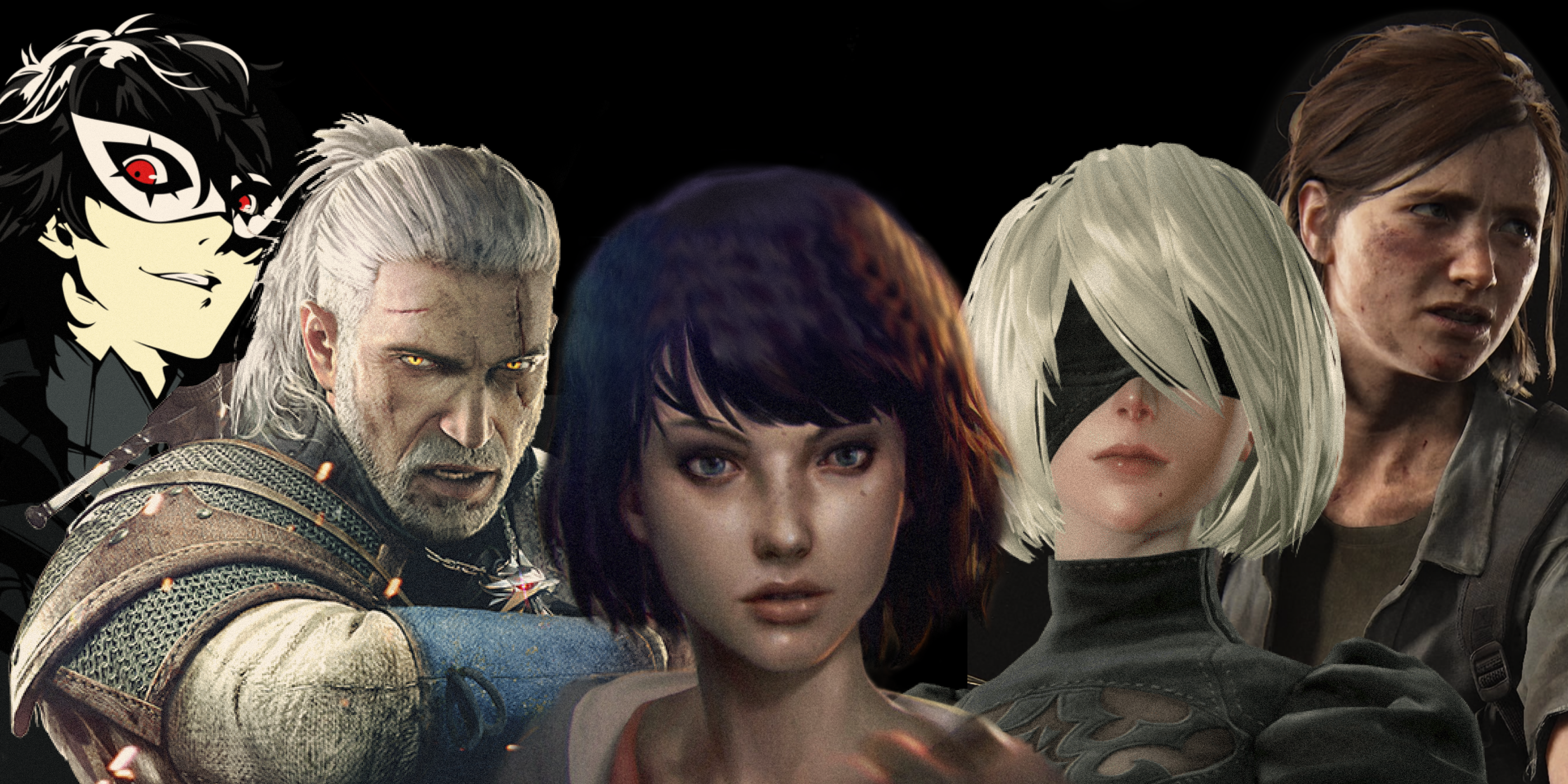
Best Games of the Generation
Before we begin the list however, I should clarify the parameters of this discussion. Firstly, this list will not include any Nintendo Switch, Nintendo Wii U, or PC exclusive titles. While there have been many games released for these platforms during the life cycle of the Xbox One and PlayStation 4, both Nintendo’s systems, and the PC market operate on independent generational cycles. As such, any games which released exclusively for either of these platforms could not be included in this list – sorry Breath of the Wild.
Secondly, while I will try to keep spoilers to a minimum, many of these games’ most affecting moments are why I enjoy them so much. I will attempt to be vague with my descriptors, but do be warned that moments from these games may be spoiled for you.
Finally, and most crucially, these opinions are my own. Video games are wide, varied and cater to many different audiences. Some games are beloved by some and may be hated by others. This is okay. In fact, that is part of what makes video games so great as a whole: to be united by a single medium, while acknowledging that not everything will be to your liking makes for a healthy and creative industry, serving to push video games forward.
With all of the semantics out of the way, let's get into my top 6 video games of the generation.
#6 — Tetris Effect
Tetris is one of the best selling games of all time – and for good reason. The simplistic concept of the game, combined with the responsive and addicting gameplay makes for a formula that is in many ways timeless. Since the initial release of the game back in 1984, the formula has stayed mostly the same, to the benefit of the game. Some may call Tetris the perfect game – and so don’t fix what isn’t broken.
That being said, What Enhance Games and Tetsuya Mizuguchi managed to achieve was to inject emotion into a game about fitting shapes together. This wasn’t done by creating a traditional story featuring characters and dialogue, but through the synergy of music, visuals, and gameplay.
Video games are the best medium for art currently in existence. I truly believe this. The reason why I am making such a claim is simple: video games take all the other mediums, combines them together, and then adds another layer on top: Interactivity. This extra layer gives video games the potential to affect its consumer in a way that other mediums cannot. This is what Tetris Effect does.
Tetris Effect takes music produced by Hydellic, sung beautifully by the likes of Kate Brady and Mechi Pieretti, combines it with visuals that not only sync up with the emotion of the song itself, but evolves as the player places Tetrominos onto the board, and of course, features that timeless gameplay that Tetris is known for. All of these combine to move the player through a journey of emotion with the use of visuals, audio, and gameplay – without needing to say a single word.
Over the past 35 years there have been dozens and perhaps even hundreds of Tetris games and variants created and released, both officially and unofficially. Though thought to be impossible, Tetris Effect somehow managed to take what is considered to be a perfect game, and made it even better.
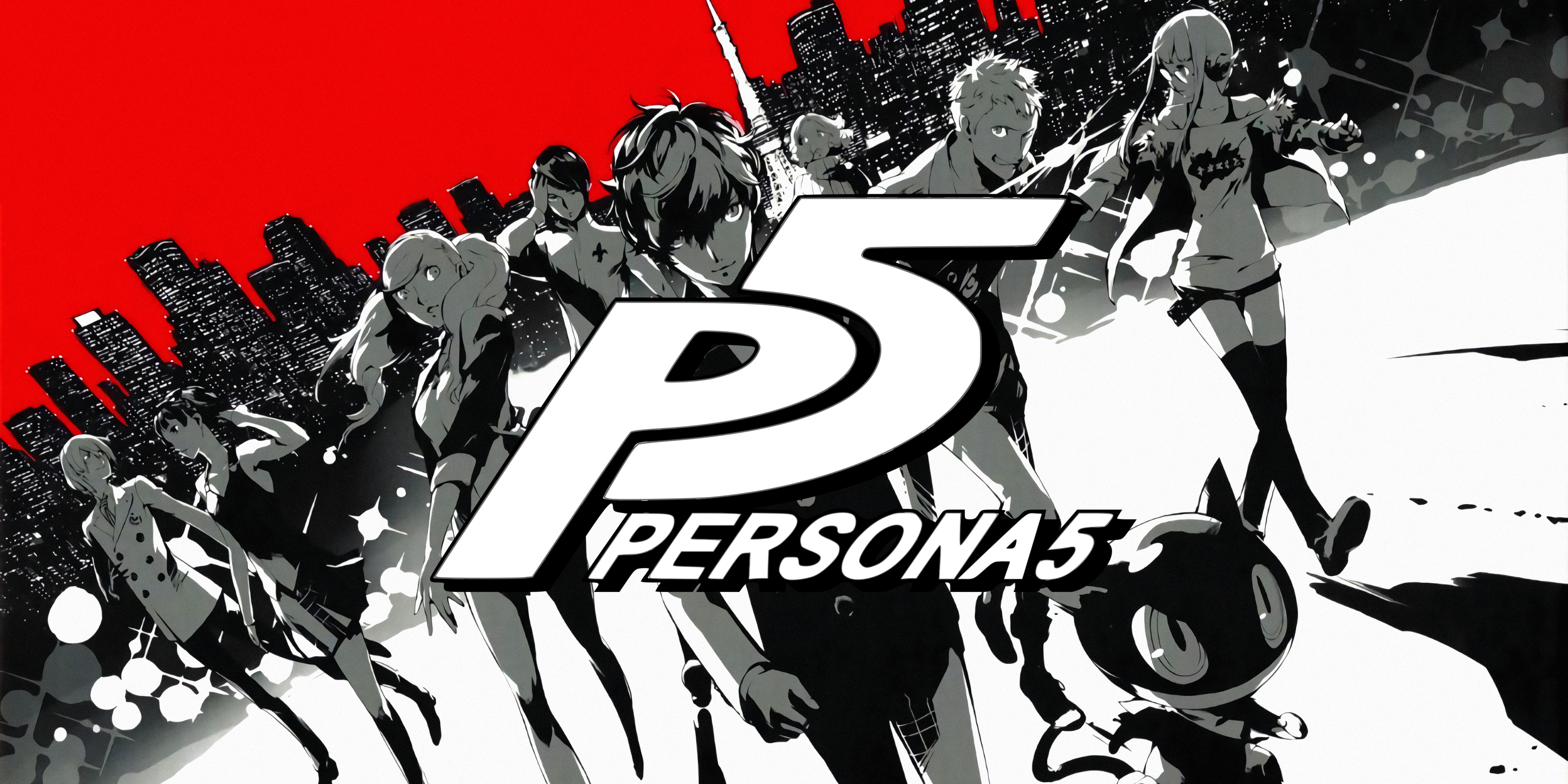
#5 — Persona 5
After playing a single narrative-focused game for 130+ hours, you’d think that one would be ready for it to conclude. This was not the case with Persona 5. I often find that if a game is too long, my interest begins to wane quite quickly. This was not the case with Persona 5. I much prefer real-time combat to turn-based alternatives. This was not the case with Persona 5. Having dialogue boxes instead of voice acting is a major turn-off for me. This was not the case with Persona 5. On paper, many of Persona 5’s most pertinent and prevalent characteristics fall counter to what I look for in a video game. So why is it my 5th favourite game of the entire generation?
In an endless sea of video game experiences, where one person could in theory play a new game every single day for the rest of their life and still not have experienced all of them, Persona 5 stands out with one of the most confident and self-assured senses of personality across the entire industry. Every minute detail of Persona 5 is so meticulously Persona – from the colourful and highly stylised UI, to the animations, characters and the world surrounding them. Even the smooth and slick transitions used between every flick of the stick and press of a button stand out. Not a single element of Persona 5 was left untouched – and I've only spoken of the menus so far.
Traversal through dungeons is clear yet highly flashy and stylised. Combat itself strikes the perfect balance between strategy and fun, letting you garner that sense of satisfaction when pulling off combos or elemental moves, without bogging you down too hard with enemy stats and numbers. Not to mention the finishers and post-encounter splash screens which never failed to get me excited thanks to their perfect blending of music and visuals.
Speaking of music, while some may find the repetitive nature of certain songs in the soundtrack to be annoying, to me it showed that the game’s developers, Atlus, were confident in the strength of all the independent elements of the game – as they should be. Despite being repetitive, every single track is a certified banger, and so whether you are fighting enemies deep in mementos, or simply eating at Big Bang Burger, every action arrived with a level of comfort, as if you were a part of this world. This then allowed the game to use the familiarity to subvert expectations. The first time you encountered an enemy and the music playing was different to what you expected, that’s when you knew something was wrong.
I have yet to even touch on the characters. All of the people that you encounter throughout the game have their own sense of personality. These personalities line up alongside your own interactions with them in gameplay. Persona 5 is a social sim just as much as it is a turn-based dungeon crawler. As such, more than half of your time playing Persona 5 will see you performing seemingly mundane activities such as eating ramen with Ryuji or helping Makoto to make more friends. The thing about Persona 5 though is that none of these tasks feel mundane. I experienced a genuine sense of excitement any time one of my ‘confidants’ texted me in game, asking to meet up – just as I would in real life if a friend wanted to hang out. On top of this, spending more time with these characters actually serves a functional purpose too, as the closer you are to a ‘confidant’ the more skills they unlock in battle – blending the two sides to Persona 5 seamlessly.
The story of Persona 5 is great too, including many funny, exciting and genuinely heartfelt moments throughout. That being said, when I finally finished the game, after over 130 hours of playtime, and watched the final cutscene play, I felt a genuine sadness at the fact that I couldn't spend more time with my friends Ryuji, Anne, Makoto, Yusuke, and everyone else.
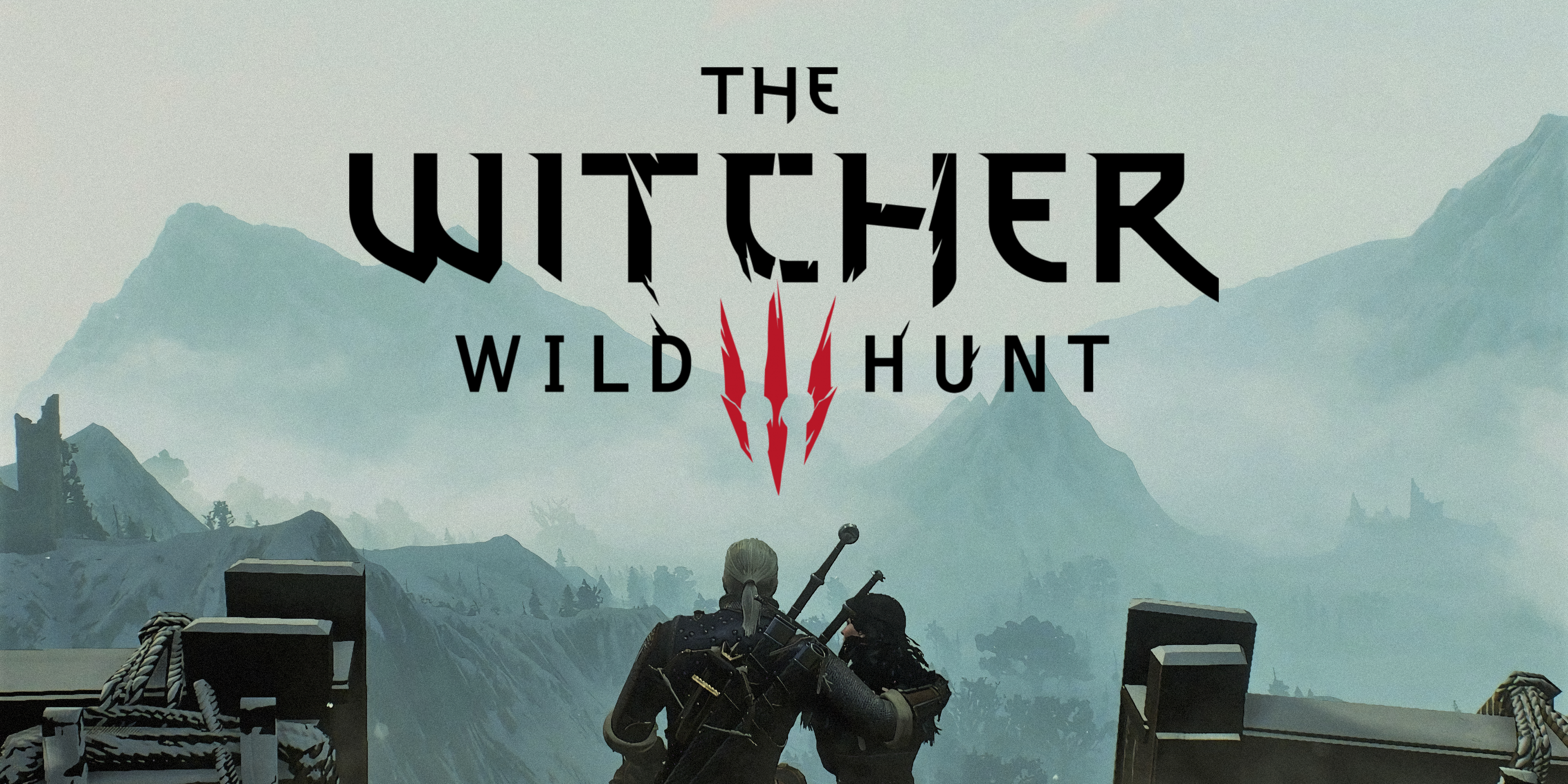
#4 — The Witcher 3: Wild Hunt
The Witcher 3: Wild Hunt is a story about love. Love for your child, love for your partner, love for your parental figures, love for your home, and love for your soulmate. Throughout the Witcher 3: Wild Hunt, Geralt expresses and navigates through all of these emotions. It is highly likely that The Witcher 3 will find its way onto many people’s games of the generation lists, and for good reason too.
Be it the haunting and beautifully bleak open world, the expansive and interesting side quests, filled with as much emotion and as many stakes as the main campaign, or the RPG mechanics, which offers enough variety to allow for you to truly make Geralt your own, while still being recognisably Geralt. CD Projekt Red crafted a great video game, and a great experience on the whole. But you know all this. In fact, you’ve probably played The Witcher 3 for over a hundred hours or so, as I did. There would be no point in me trying to tell you why The Witcher 3 is a great game. So instead, I will tell you about the quest that really solidified The Witcher 3 for me as being a truly unforgettable experience.
The Last Wish is a quest that shares its name with the first Witcher book, and in many ways, defines Geralt’s character perfectly for me. To those who have not played the game, I will be spoiling The Last Wish quest – and while it does not affect the main campaign in any visibly significant way, it is definitely one of the game’s most defining moments in my opinion.
The Last Wish, which sees Geralt and Yennefer journey to break the spell that has kept them together in order to see whether their love is real or not, is a sad and scary quest. The mission itself gameplay-wise is nothing spectacular. In fact, for most of it, it's long and monotonous, with the quest mostly involving Geralt and Yennefer rowing a boat looking for the Djinn which bound them together.
Throughout this though, there is an air of unease. Geralt and Yennefer may be dooming their relationship. For years, decades even, these two have been bound together by what seemed to be love. Whether it was genuine or not, neither could be sure of this fact. And so, Geralt and Yennefer have decided to break the spell one way or another – finding out the truth.
In many ways, this mission mirrored the final moments of a relationship and the uncertainty that comes with it. Will everything work out, or will this person, who you’ve known for so long and have bonded with, eventually become a stranger to you? Though neither wants this to happen, the truth needs to be found, regardless of the consequences. And this is what makes The Last Wish so impactful.
As I mentioned, the quest is slow, and mostly filled with Geralt and Yennefer steadily making their way to the final destination as the musical track ‘The Fields of Ard Skellig’ helps you to understand the weight and fear on both of these lovers’ hearts knowing it may be over soon. It's scary, and uncertain, but it’s right – and that is what The Witcher 3 is all about.
The mission ends with Geralt and Yennefer breaking the spell. Despite this, there is no revelatory moment between the two characters. The spell is broken, and neither Geralt nor Yennefer know how they feel. They did the right thing. This decision they made was the correct one. But what does it mean for both Geralt and Yennefer? Neither of them know.
The Witcher 3 is about doing the right thing, while you yourself understanding that you don’t have the answers. This permeates throughout every quest. Geralt’s love for Yennefer, Ciri, Vesemir, Dandelion, Kaer Morhen, the continent, and humanity as a whole, is what drives his decisions every step of the way. The Witcher 3: Wild Hunt is a human story, and Geralt is more human than most.
#3 — Life is Strange
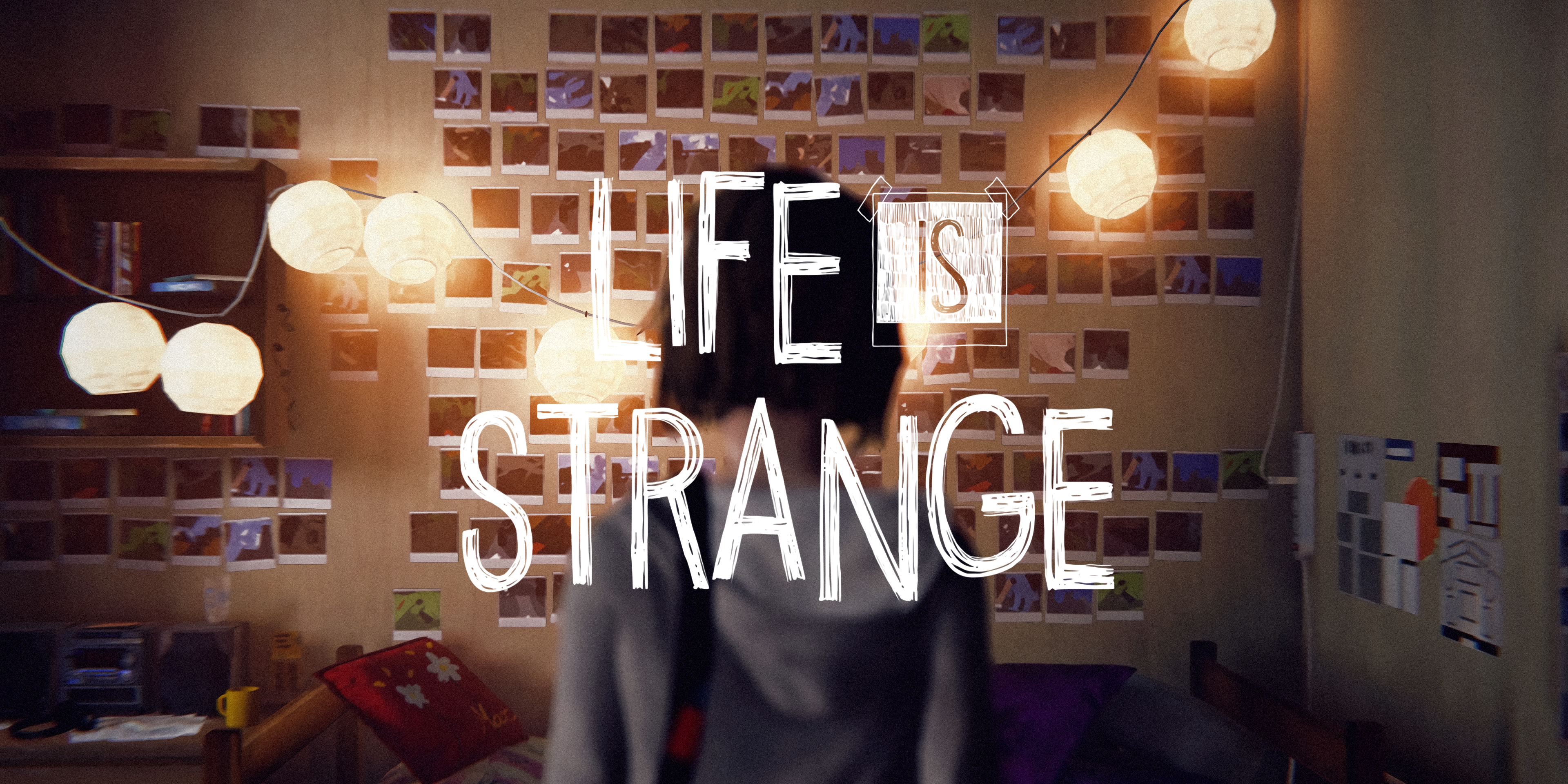
Life is Strange. This title perfectly encapsulates the journey that the characters in this game go through. As a story heavy, narrative-driven adventure game with relatively little gameplay, Life is Strange needed to impress with its story and characters – and it did just that.
I will be the first to admit that this game isn't for everyone. With a high school setting, and focusing very much on the angst and hormonal nature of teenage life, many of this game’s characters may appear too far removed from your own reality for their pain and problems to feel real to you. But regardless, we were all teenagers once, and though Max’s hipster aesthetic, or Chloe’s punk rock attitude may not mirror your own youthful experience, there is no denying that the cast of Life is Strange manages to express the perceived reality of a teenager quickly turning into a young adult.
In an attempt to shy away from any spoilers, I will focus on the characters, and the way in which, just as Max’s polaroid captures a moment in time, so too does Life is Strange. Though the choice-based game introduces a paranormal twist to the formula, it serves only to visualise the emotions that characters such as Max, Chloe, and Kate are feeling at any given time. While the supernatural events in Life is Strange are presented as canonically having happened, the stakes in the eyes of the characters would not be any different regardless of whether this was the case. When you’re a teenager, every decision feels like the world is about to end, and whether metaphorically or literally, Life is Strange presents this emotional state of being, and puts you back into the shoes of a teenager who is going through this point in her life.
Because of this, every choice in Life is Strange feels like it matters. Choice-based narrative games often have technical limitations technologically. It would be far too much work to create 100 different endings based on minute decisions. That being said, the team behind Life is Strange (DONTNOD) successfully manages to make it feel like every choice will have major consequences – and in some ways they do. While TellTale games for example would often start at the same place, branch off, but ultimately come together at the end, Life is Strange took the courageous decision to make some major choices really matter.
The final choice in the game (and I will avoid spoilers here) gives you two completely opposing options. While you would think this would lead to a simple decision on the player’s part, when this final choice was asked of me, I wept for over 10 minutes, my mind equally wanting to pick both options. This was because it wasn't simply two opposition choices. It was two options which came with the weight of every decision that you made prior. In Life is Strange, choice matters. Whether it mattered in reality or not, to me, and to Max herself, this final choice was the whole world. Life. Is. Strange.
#2 — NieR: Automata
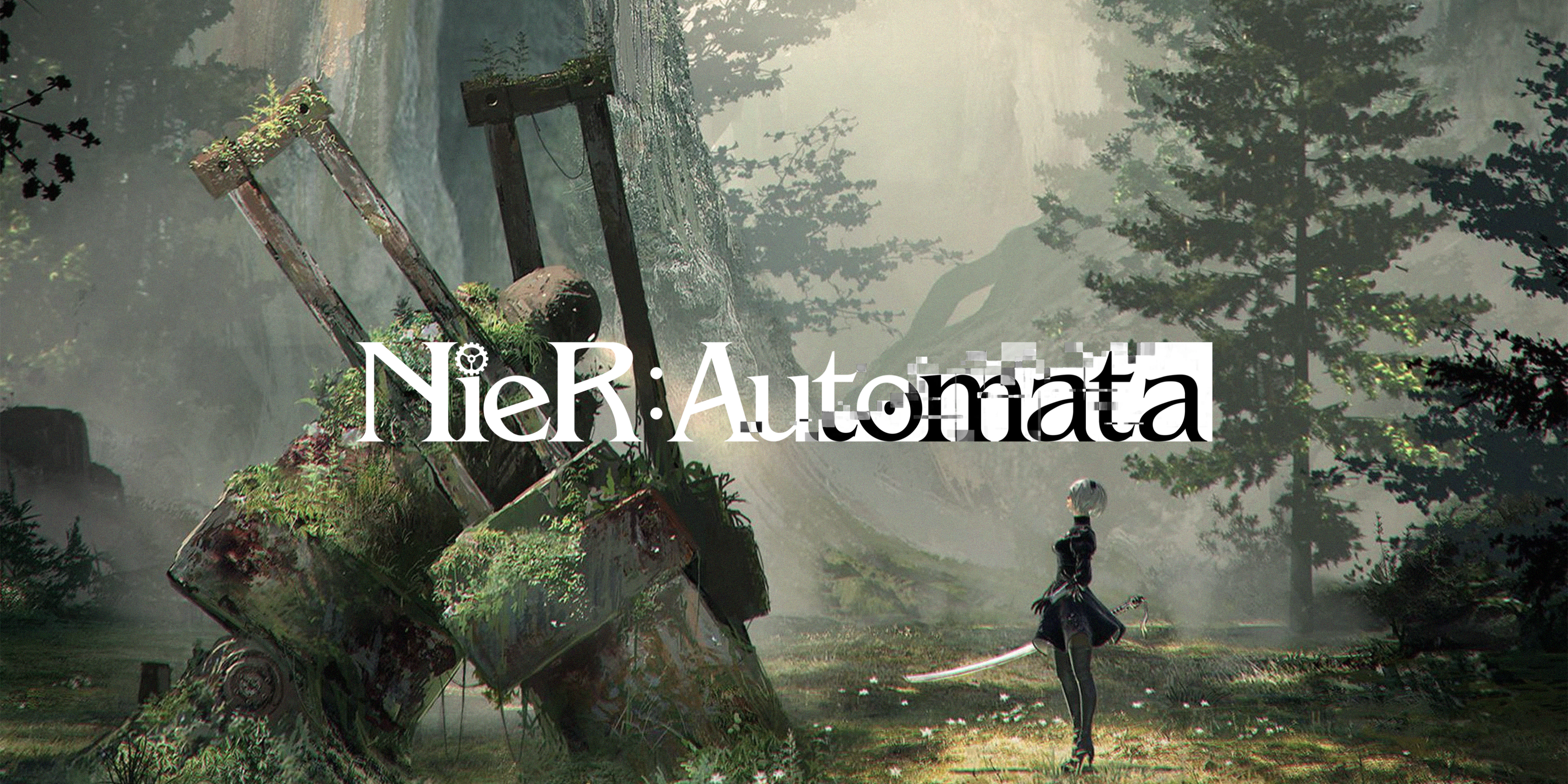
NieR: Automata is different. From the moment you start playing, you go through an epic cold open which sees you take on a litany of enemies while continually switching gameplay genres, from a bullet hell, to a third person action-adventure, to a side scroller, to a hack n’ slash, ultimately concluding with a boss fight which sees your character die, only to wake up moments later in some sort of space station. All of this occurs within the first 30 minutes of the game. NieR: Automata is an ambitious, messy, self-aware, and above all courageous title – and executes it all perfectly.
To understand NieR: Automata, you need to understand the game’s creator Yoko Taro, for his eccentricity is mirrored throughout the entire game. Though technically a sequel to 2010’s NieR, Automata’s story is wholly standalone, and its separation between the two games is no more so noticeable than in the gameplay. Developed by PlatinumGames, NieR: Automata’s gameplay has all the flash and pizzazz of its previous projects such as Bayonetta and Metal Gear Rising Revengeance, while balancing RPG elements, and an open world.
Speaking of the world, it’s bleak, oppressive, empty, and yet feels more realised than most. Despite its relatively small size and emptiness, the world of NieR: Automata is so clearly filled with secrets and a history that is ripe for discovering. This all works in tandem with the story, which is initially presented as mostly straightforward, and the game’s first ending can serve as a satisfying story in its own right. That being said, by the time you reach the credits, you’ve only played about 20% of the game.
Without going into spoilers, once the credits have finished rolling, you are given the opportunity to play the game again, but with a different character. While it may appear as a simple new game plus-type scenario, this couldn't be further from the truth. Each ending isn't an ending, but more akin to a chapter, meaning that the game’s ‘true ending’ is the game’s only ending. Again, without delving into spoilers, the way that the story unfolds, from its purely narrative perspective, to its effects on gameplay, to its fourth wall breaking moments, and ultimately to the message the game is trying to tell, NieR: Automata is unlike any game I've ever played before. The mind of Yoko Taro, mixed with the gameplay and developmental skills of PlatinumGames made for a game which in my opinion, is genius.
I have yet to even touch on the game’s soundtrack, which in my opinion, would have pushed NieR: Automata to be on this list, even if every single other element of the game was subpar. As it stands however, the music of Keiichi Okabe, combined with the voice talents of the likes of Emi Evans makes for a soundtrack which will forever be imprinted in the back of my mind. The music can elicit emotions from the listener independently of the game itself. When combined with the game, however, the music takes on an entirely new dimension, both reflecting and mirroring the despair, sadness, desperation, and ultimately, hope that can be found throughout the game’s world and story.
NieR: Automata is daring, NieR: Automata is genius, and NieR: Automata is not only my second favourite game of the generation, but one of my favourite games ever.
#1 — The Last of Us Part II
The Last of Us Part II is my favourite game of all time. When I played the original The Last of Us back in 2013, it was the first real game that succeeded in fully immersing me in its narrative and characters. Now admittedly, I was much more of a casual video game player back then, however I will still never forget the emotions I felt as I was playing the intense and genuinely scary final act of the first game – which quickly became my favourite game of all time.
Though I did not think for a second that Naughty Dog would make a sequel, as the game itself concluded beautifully in my opinion, I began to write my own sequel. It was the first, and only, time that I created fan fiction – but I wanted to spend more time with Joel and Ellie. And so when the unexpected sequel was announced in December of 2016, with Joel and Ellie set to return, my emotional reaction is a moment I will never forget – my happiness, my surprise, and my excitement.
Since the announcement, I had been preparing for the launch of the game. I bought the Collector’s Edition version of the game, I bought the Limited Edition ‘The Last of Us Part II PS4 Pro’, and I purchased the soundtrack on vinyl – to name a few. The launch of The Last of Us Part II was a major life event for me in many ways. Then the game launched, and it broke my heart.
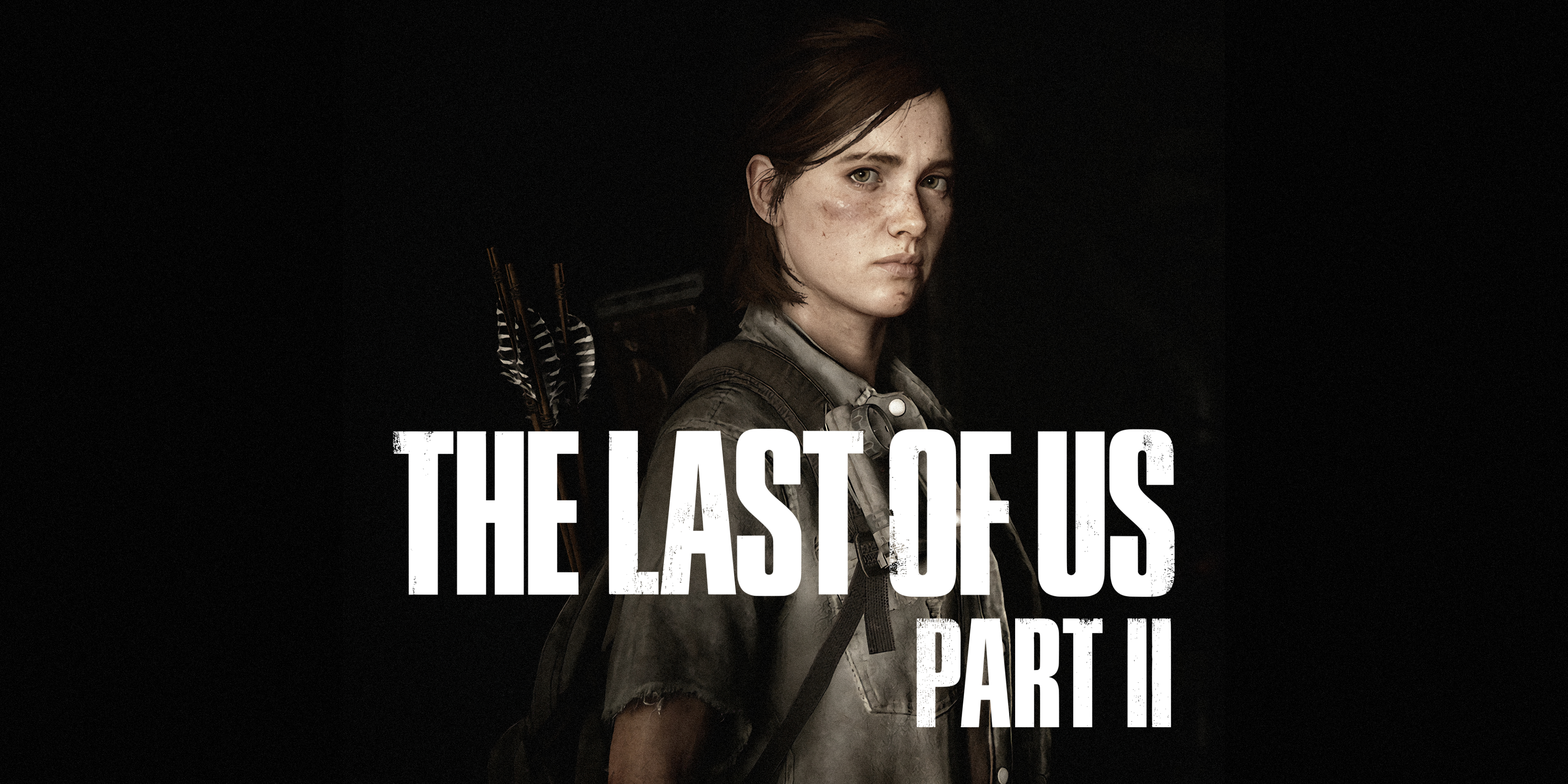
The Last of Us Part II is not only my favourite game of the generation, not only my favourite game of all time, but one of my favourite pieces of media ever. Though it is incredibly difficult to talk about this game without divulging into spoilers, I will do my best. The Last of Us Part II succeeded in everything that it was trying to do, at least for me. With Ellie as the protagonist, a character which we had all been endeared to over the course of the first game and its DLC, The Last of Us Part II sees us take on a different role, and by extension, sees us emotionally invested in the story and characters from a different perspective. In the first game, I felt like I was Joel, on a mission to escort, and later save and protect Ellie. In this game, I felt like I was Ellie on a quest for revenge.
One criticism that many people have thrown at Naughty Dog games is that they would work equally as well if they were films. I wholeheartedly disagree. One of the most powerful aspects to The Last of Us Part II is the way in which Naughty Dog uses the interactivity, and the fact that you hold a controller in your hand to further the emotional impact of every moment of the game.
The Last of Us Part II isn't a game. It is the second half to a story which I had waited 7 years to experience, and so every moment of this game, every press of a button or pull of a trigger came with the emotional weight of 7 years worth of my life. That is why this game had moments which caused me to sob, and moments which pumped me so full of adrenaline that I could feel my heart bursting from my chest, and moments when I was literally holding my breath in fear, happiness, sadness, and contemplation. The Last of Us Part II takes the first game, which I had believed couldn’t be improved, and elevates it further, while simultaneously critiquing it. The Last of Us is a two-part story which I had to wait 7 years to experience. Even with 7 years of build-up, anticipation and expectation, the sequel went beyond anything I could have ever imagined. Video games are art, but The Last of Us Part II is something more, something entirely different, something even beyond that.
I could write an entire essay on why I love The Last of Us Part II, from the soundtrack, excellently scored by Gustavo Santaolalla; to the gameplay, which is genuinely fun to control and play (and gets me excited for the game’s Factions Multiplayer release); to the graphics and artstyle, which are gorgeous; to the acting, and even to the briefs moments of singing, which punctured my heart in ways I did not expect.
I could go on and on about why this is one of my favourite pieces of media of all time – but I won't, because The Last of Us Part II is so special to me, that in many ways, it hurts to even talk about it, as it takes away from my experience with the game and Ellie and Joel, which is personal to me. I know it is a ridiculous thing to say, when the title has been played by millions of fans, but Joel and Ellie are family to me, and my genuine love for these two humans is something which I wish to keep for myself.
The 8th generation of consoles has been arguably one of the best. It did not revolutionise the video game industry like the 16-bit era or the transition from 2D to 3D did. However, this most recent generation is, when I feel, video games surpassed all other mediums in becoming the best way to tell a story.
Video games have always been art, but this generation has, in my opinion, been the first generation which allowed for developers and creators to tell their stories without the need for any compromises. Some of my favourite games of all time were released in previous generations, and while you are allowed to disagree, in many of those cases, I believe that if those games were released today, they would have been better products due to the newer technology made available to them.
This generation offered some experiences which I wholeheartedly believe could not be improved by new technology. The 8th generation of consoles is the generation when a creator’s vision, and the final product were able to finally sync up, with no compromises. The 8th generation of consoles is the generation where video games have finally reached their apex in maturity.
While I have no doubt that the PlayStation 5, Xbox Series X and beyond will be host to some of my next favourite games, I feel confident in saying that it won't get any better than this – and I don't need it to.
KitGuru says: Do you agree with this list, or is there something you can't believe we've missed? Let us know your thoughts!