KitGuru KitGuru.net – Tech News | Hardware News | Hardware Reviews | IOS | Mobile | Gaming | Graphics Cards


MSI has a revamped range of powerful portable workstations launching for the U.S market featuring 10th generation Intel Core processors. The new mobile workstation range includes WF65, WF75, WS66 and WS75 models, all with high-end specifications.
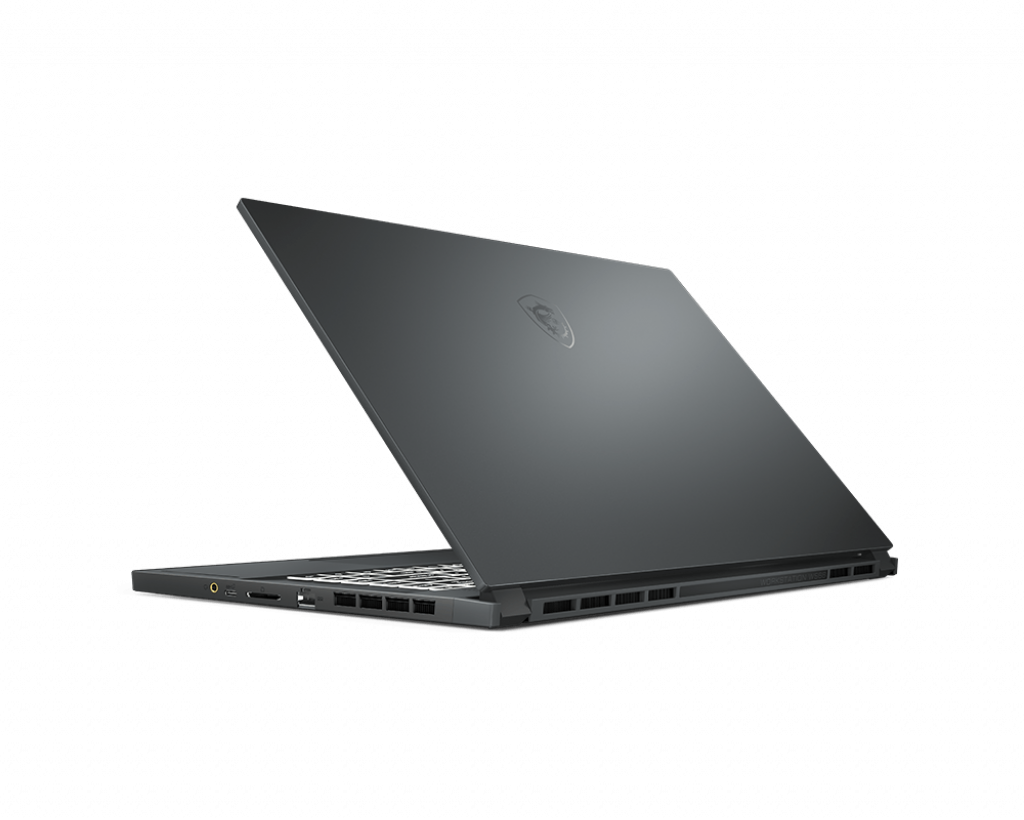
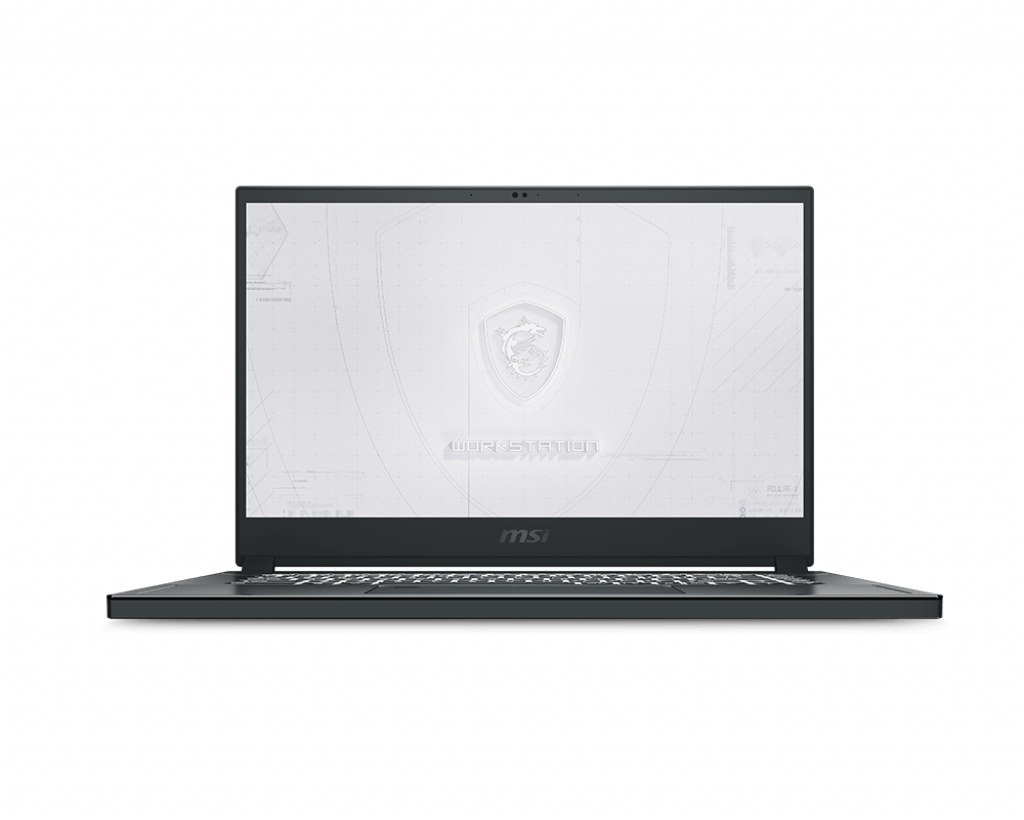
The company claims that the new mobile workstation series will deliver up to 15% performance increase over previous iterations due to them being driven by Intel’s latest CPUs. The WS66 offers a blend of performance and portability with a sleek looking jet-black appearance. WS66 is equipped with a 15.6-inch FHD touch display, it is less than 0.78-inches thick, weighs just 4.63 lbs and has a huge capacity 9.66Whr battery.
A newly refined WS75 claims to be the world’s first 4K mini-LED HDR1000 certified workstation, perfect for multi-tasking professionals with its 17.3-inch display, able to handle complex CAD models and photo-realistic rendering. The WS75 has enough battery power for up to eight hours continuous use, supports HDR10 and features a sleek and professional-looking design at just 0.8-inches thick and weighing in at just 5.29 lbs.
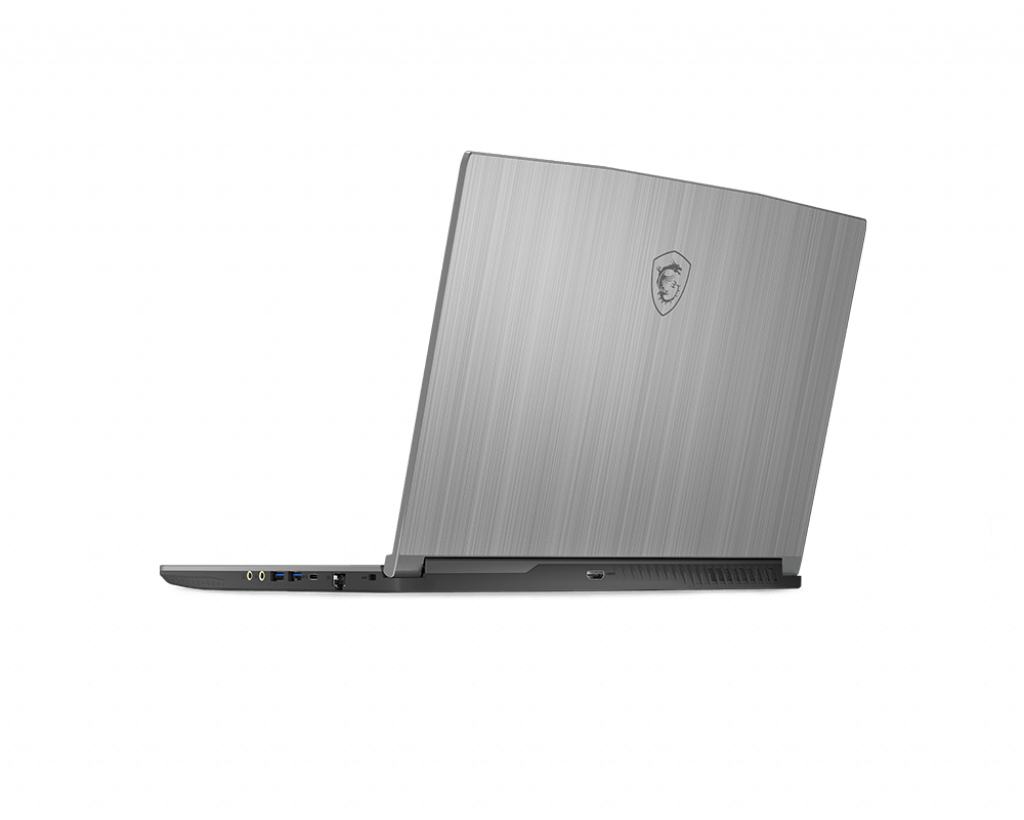
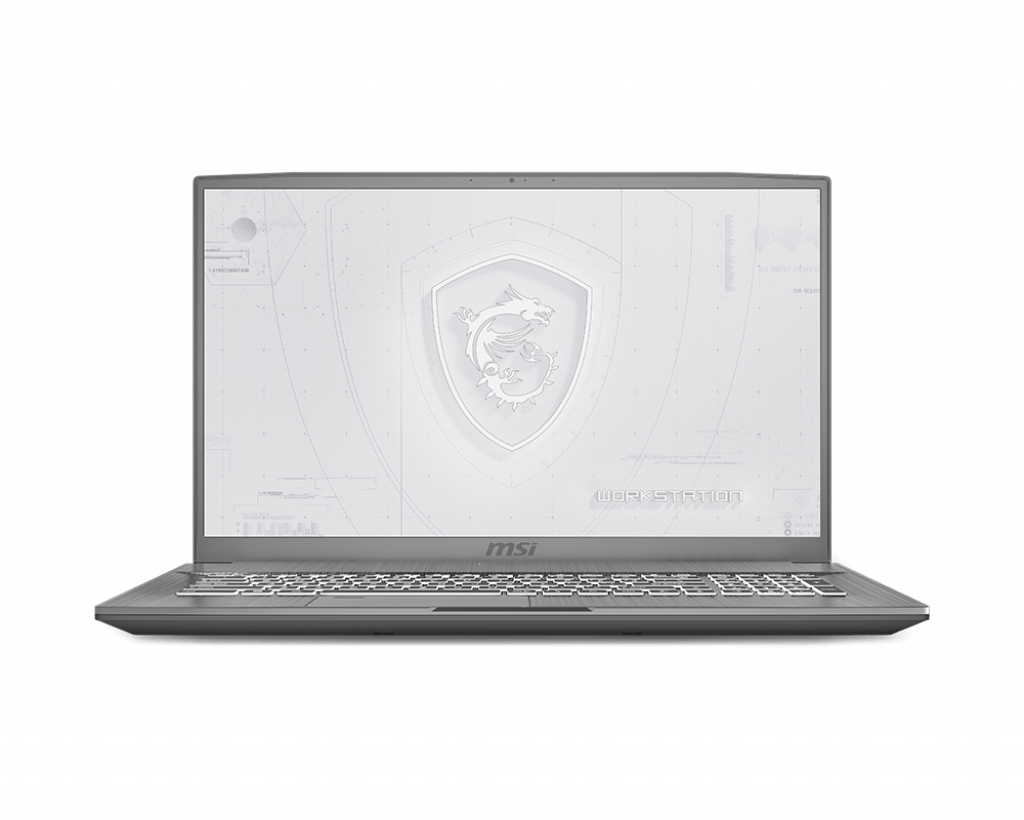
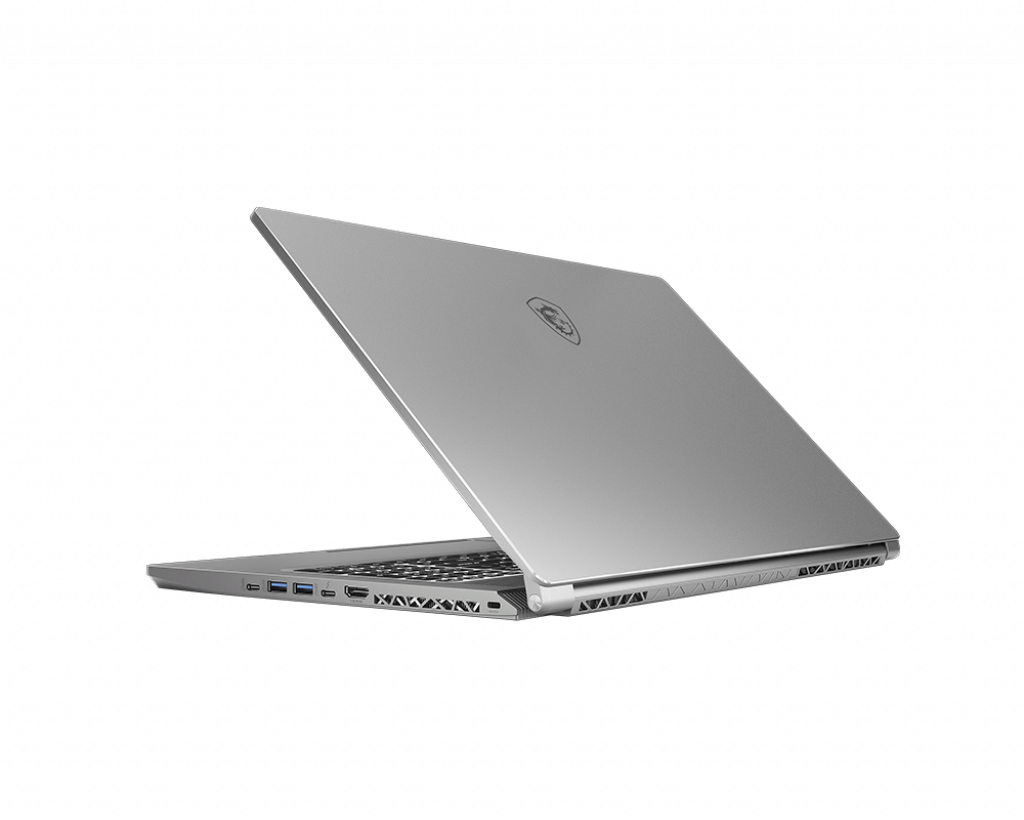
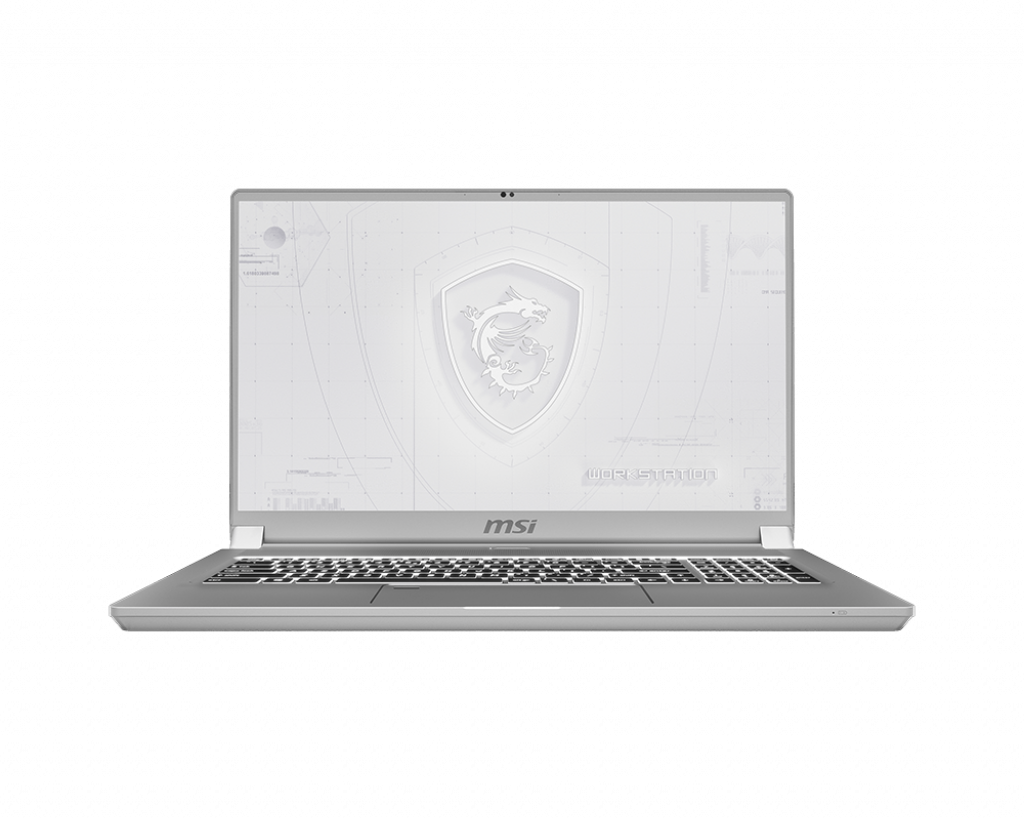
Both the WF75 and WF65 are the ideal mobile workstations for busy content creators and professionals alike, but with a cost-effective price tag. WF75 and WF66 are outfitted with 17.3-inch and 15.6-inch displays respectively and include enterprise-level security in the form of Discrete TPM 2.0 support, as well as Finger Print and Windows Hello features. WF series workstations can be configured with Nvidia Quadro RTX graphics, 1TB NVMe storage and 32GB memory.
MSI WF and WS series mobile workstations are available to purchase in the U.S now, WF75 and WF65 are priced starting from $2199 and $1249 respectively, the WS75 and WS66 both are priced starting from $2499.
Discuss on our Facebook page HERE.
KitGuru says: The new WF and WS mobile workstation series from MSI has a clean and sleek professional look to them, but is Intel 10th generation processing power enough to whet your appetite? Or would you go AMD for productivity workloads these days? Let us know.