KitGuru KitGuru.net – Tech News | Hardware News | Hardware Reviews | IOS | Mobile | Gaming | Graphics Cards


Remember Google Stadia? Google's ill-fated cloud gaming service shut down just one year after launch, resulting in a number of acquired studios being shut down, including the company behind the excellent game, Journey to the Savage Planet. We've long known that Google was ignorant of the wider gaming landscape and what it would take to make Stadia a success. However, comments from a former Stadia Games employee paint a far worse picture than we imagined.
Typhoon Studios has returned under the new name Racoon Logic, and the team is eager to get back into action with a sequel to the highly-rated 2020 game, Journey to the Savage Planet. Typhoon Studios was unceremoniously shut down after being acquired by Google, on the same day it shuttered the Stadia cloud service. Why couldn't Google take a talented studio like Typhoon and publish a successful game? Well, it turns out Google executives had absurd expectations.
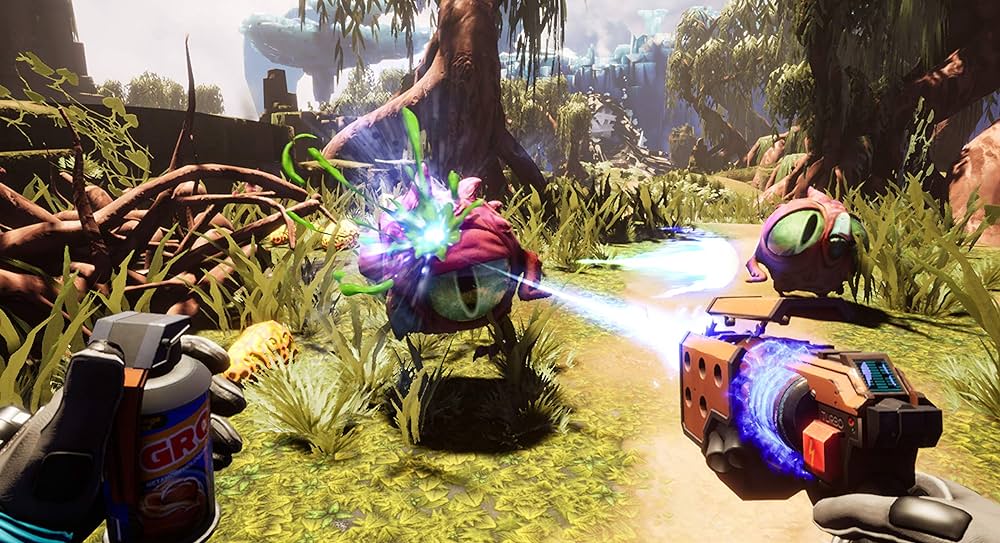
Speaking with VGC this week, Alex Hutchinson, co-founder of Racoon Logic, formerly known as Typhoon Studios, explained that when it came to conversations with higher-ups at Google, “no one was talking the same language”.
Here is the key quote to zero in on: “Google wanted games that only worked in the cloud – which don’t exist. They were asking us to deliver the kind of games built by 400 to 600 people, huge Marvel license games and Star Wars tie-ins. They said if you make the game and it’s great with 25 people, then we’ll let you hire 500 artists, which is not how it works. No one was talking the same language.”
To drive in how frustrating the experience was, Hutchinson added: “It’s telling that Google has booths that you book purely to scream in”.
At this point, the Journey to the Savage Planet team has reformed and retained ownership of the IP, allowing them to work on the sequel, Revenge of the Savage Planet, which is due to release in 2025.
Discuss on our Facebook page, HERE.
KitGuru Says: Google wanted never-before-seen games, built on experimental technology, developed on a shoe-string budget. I don't know how Phil Harrison sold Google on this pipe dream, but it seems they were quick to realise that buying a few small indie studios was not going to give them the firepower to compete with the long-established AAA publishers across the industry.