KitGuru KitGuru.net – Tech News | Hardware News | Hardware Reviews | IOS | Mobile | Gaming | Graphics Cards


Intel's open-source Linux graphics driver developers are making significant strides in preparing for the release of Xe2-based Battlemage discrete GPUs. Set to replace the DG2/Alchemist architecture, the enabling work is underway for the upcoming Linux 6.11 kernel, with the latest drm-intel-next patches for Linux 6.11 revealing the addition of Battlemage Xe2 HPD display support.
Once the pull request shared by Phoronix is merged into the main branch, an updated Linux distro should be able to offer basic support to Battlemage discrete GPUs. This, however, will still take a while, as the Linux 6.11 merge window is scheduled to open only in mid-July.
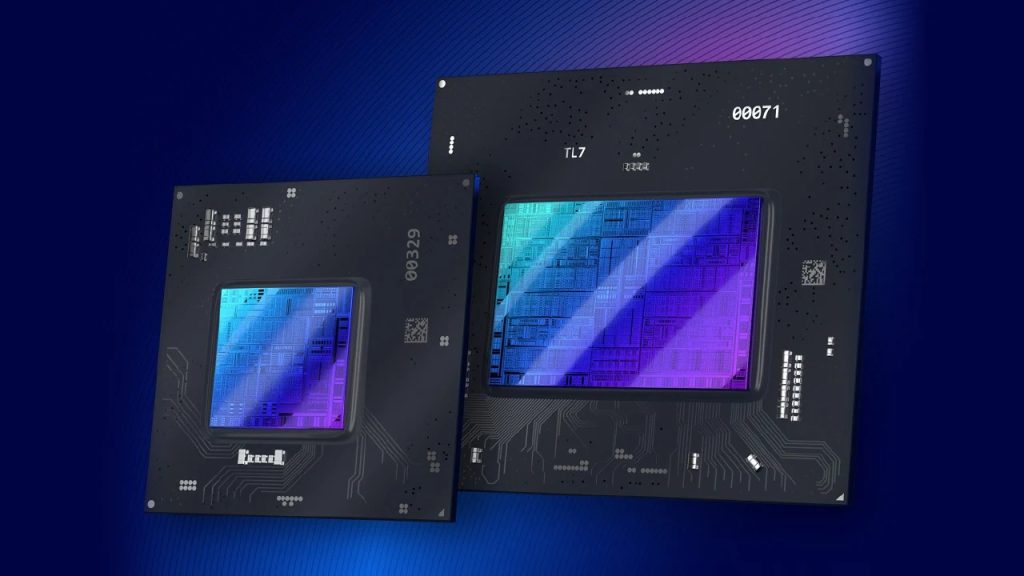
Some features in the patches for Linux 6.11 include the Panel Replay capabilities, designed to contribute to display power conservation. Furthermore, the support for DP AUX-less Advanced Link Power Management, Link-Off-Between-Frames (LOBF), and Content Match Refresh Rate (CMRR) for Lunar Lake have also been added. It also introduces link training failure fallback handling for DisplayPort Multi-Stream Transport (DP MST) links and various other enhancements.
The stable kernel is anticipated to be available in September. This release is expected to be featured in upcoming distributions such as Ubuntu 24.10 and other fall Linux distros.
Discuss on our Facebook page, HERE.
KitGuru says These features have been available on Windows for some time, but having them on Linux might be crucial if someone wants a Lunar Lake-based laptop/gaming handheld or a Battlemage-powered desktop running a Linux distro.