KitGuru KitGuru.net – Tech News | Hardware News | Hardware Reviews | IOS | Mobile | Gaming | Graphics Cards


Ray tracing has become a critical component in the gaming industry. However, this technology often comes at a severe performance cost, especially when GPUs have limited VRAM capacity. As a result, developers have been exploring ways to optimise ray tracing for GPUs with limited memory.
Microsoft's new patent (via Tom's Hardware) addresses this issue by increasing ray tracing performance for GPUs with limited memory. The patent proposes a design philosophy currently used in video games with 3D worlds, where detail settings are lowered the further away an object, NPC or part of the map is. This cost-cutting strategy improves performance by reducing visual quality in regions where it is less pronounced. The same can be applied to ray tracing, reducing quality and detail on the less-noticeable effects.
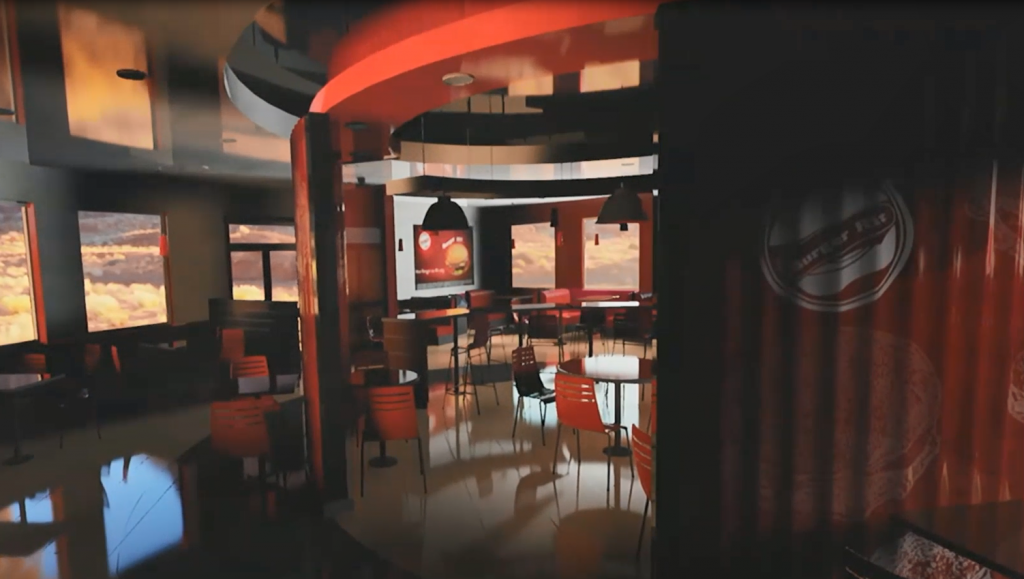
This approach could benefit GPUs with less VRAM and consoles, allowing them to run more ray tracing titles. Even high-end GPUs with plenty of VRAM may benefit from certain parts of this technique when ray tracing is too demanding.
Technically, modern RT implementations overcome this by relying on upscaling methods such as DLSS, FSR, XeSS, or checkerboarding (console upscaling) to mask the performance disadvantage that ray tracing entails. However, such a system would provide developers with many more options for optimising their applications.
Discuss on our Facebook page, HERE.
KitGuru says: Most developers are looking to support features like ray-tracing nowadays, so the need for improving performance on accessibly-priced hardware remains high. Perhaps something like this could help move the needle a bit.