KitGuru KitGuru.net – Tech News | Hardware News | Hardware Reviews | IOS | Mobile | Gaming | Graphics Cards


It's not just high-speed SSDs and memory that AI companies are seeking to buy up. It appears that HDDs may also be impacted, as according to new reports, prices for standard hard disk drives have risen by around 4 percent over the past quarter, the sharpest price increase in the past two years, signalling that demand is rising and supply is reducing.
While SSDs have largely conquered the consumer drive market, HDDs are finding a resurgence in specific enterprise sectors and regions. According to Digitimes (via Tom's Hardware), a significant driver of this growth is the Chinese market, where a push towards locally manufactured PCs has led to increased adoption of 3.5-inch desktop drives. Additionally, concerns regarding long-term data retention on SSDs have prompted some entities to favour magnetic storage for archiving. Moreover, major US cloud service providers are acquiring exabyte-class storage to support the massive datasets required for AI model training, utilising HDDs for scenarios where capacity is prioritised over raw IOPS.
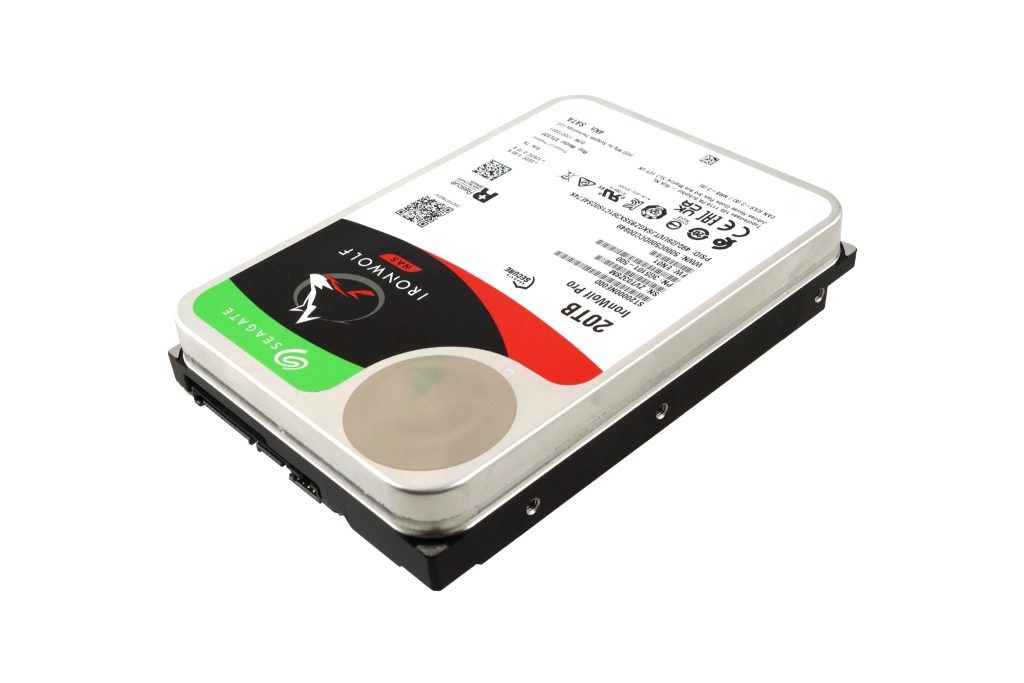
In retail pricing, things still look relatively unchanged. Still, given that this is already the third consecutive quarter of price hikes and that analysts warn the trend is likely to continue, consumers will eventually see more price increases. And with NAND flash facing its own supply constraints, the pressure on the HDD market may increase further, potentially leading to shortages as manufacturers prioritise high-margin enterprise customers over the consumer segment.
To address the demand, manufacturers like Seagate are heavily investing in Heat-Assisted Magnetic Recording (HAMR) technology, with a 55 TB prototype already under development. However, until these next-generation drives hit mass production and stabilise the supply chain, HDD prices will likely continue to climb slowly but consistently, at least as long as demand increases at the same pace.
KitGuru says: It seems that all consumer hardware is at risk of being too expensive. After RAM and SSDs (and GPUs to a lesser degree), now even HDDs are apparently being gobbled by the enterprise segment.