KitGuru KitGuru.net – Tech News | Hardware News | Hardware Reviews | IOS | Mobile | Gaming | Graphics Cards


The DisplayPort 2.0 standard was announced in 2019, and like other technologies, development has been delayed because of the COVID-19 pandemic. Now, two years later, we're seeing the first signs of products featuring the new display connection technology, specifically the upcoming AMD RDNA 3 GPUs.
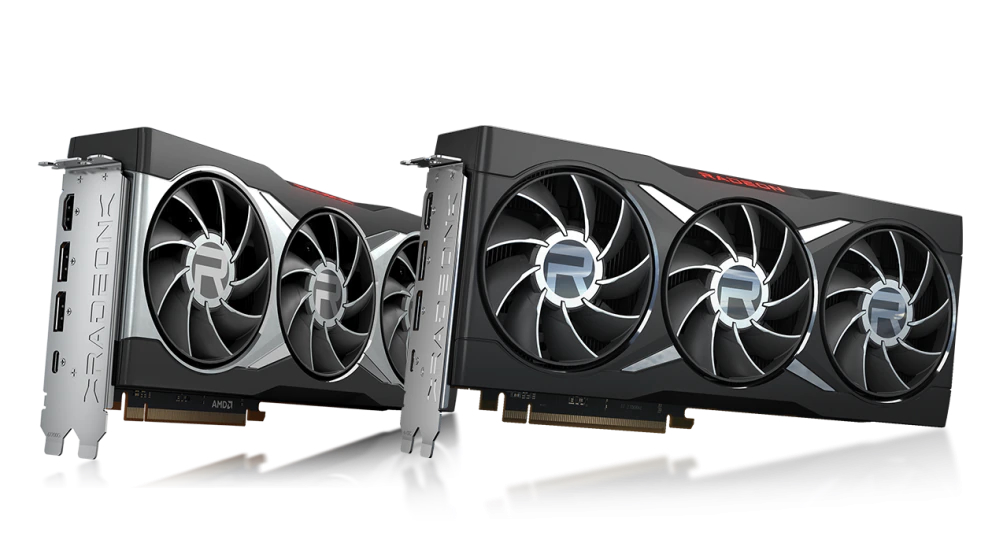
As spotted by Phoronix, the AMD GPU direct rendering manager driver received six patches introducing support for DisplayPort 2.0. It's unclear which architectures will support this technology. However, with RDNA 2 graphics cards already available and with no other launch on the horizon besides the RDNA 3 graphics, the latter becomes the best bet to receive support for DisplayPort 2.0.
DisplayPort 2.0 will include multiple Ultra High Bit Rate (UHBR) modes, including UHBR 10, UHBR 13.5, and UHBR 20. As per the patch notes, AMD GPUs will only support UHBR 10 mode in SST (single stream transport), offering 10Gbit/s per lane and 40Gbit/s of maximum total bandwidth.
When used in UHBR 20, DisplayPort 2.0 supports up to 20Gbit/s per lane, increasing the maximum total bandwidth to 80Gbit/s. That's three times over what the DisplayPort 1.4a is capable of. With 80Gbit/s, you'll be able to display content in a 10K display with a 60Hz refresh rate or 2x 4K displays with a 144Hz refresh rate. Higher resolutions are possible when using Display Stream Compression (DSC).
Discuss on our Facebook page, HERE.
KitGuru says: DisplayPort 2.0 will bring about another huge bandwidth increase, leading to support for even higher resolutions than before.