KitGuru KitGuru.net – Tech News | Hardware News | Hardware Reviews | IOS | Mobile | Gaming | Graphics Cards


An open-source project called low_latency_layer has introduced hardware-agnostic support for Nvidia Reflex and AMD Anti-Lag 2 on Linux. Developed by Korthos Software, the C++23 implicit Vulkan layer implements the VK_NV_low_latency2 and VK_AMD_anti_lag device extensions, enabling Linux gamers to access these latency-optimisation technologies on all GPUs.
The software (via Noteboocheck) operates as a workaround for driver support, meaning it functions without requiring official graphics driver enablement from AMD, Nvidia, or Intel. This configuration allows users to run applications with Nvidia Reflex and AMD Anti-Lag on hardware platforms that lack native support. For example, an Intel GPU could use Reflex or Anti-Lag, or an AMD GPU could use Reflex.
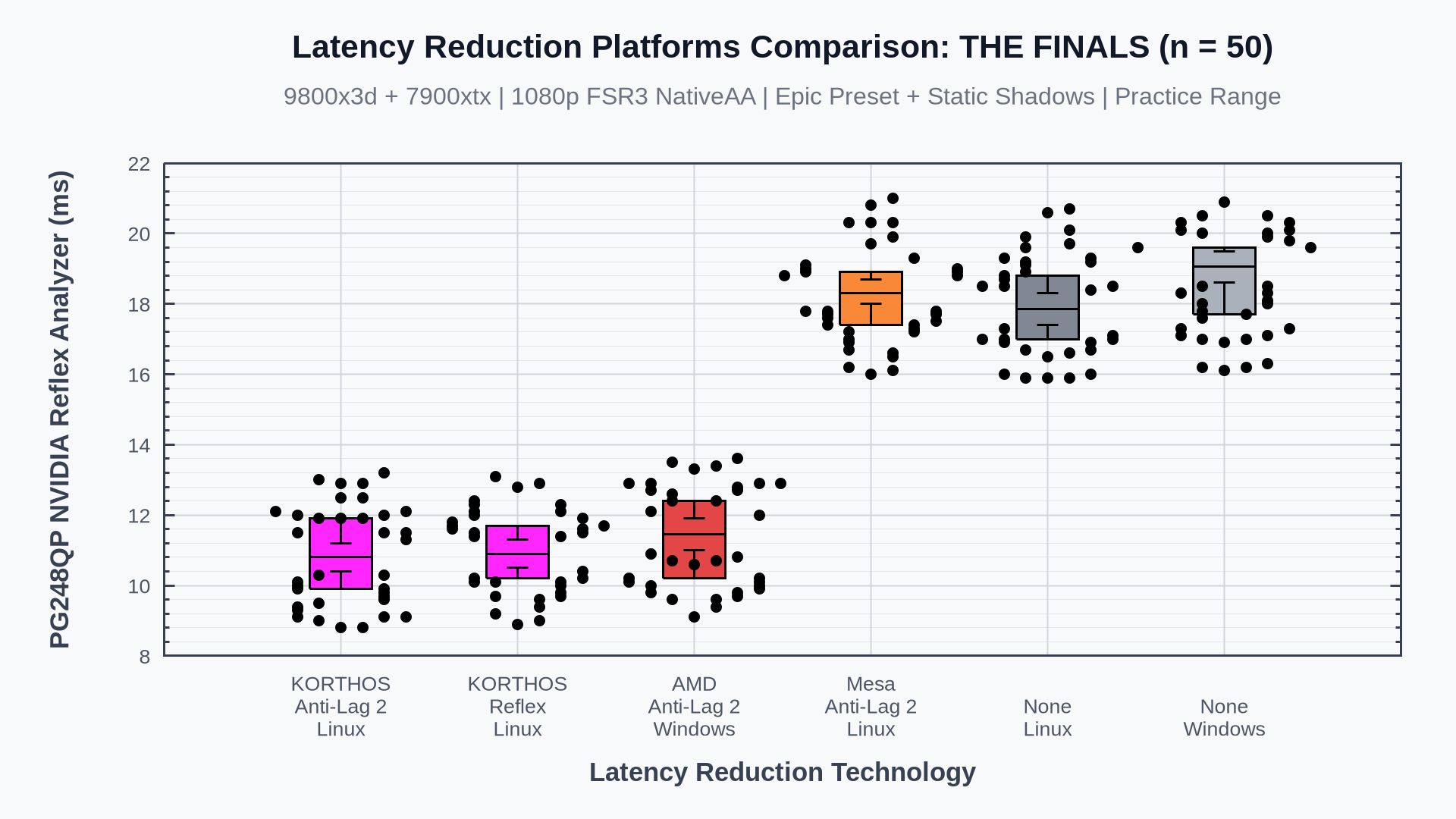
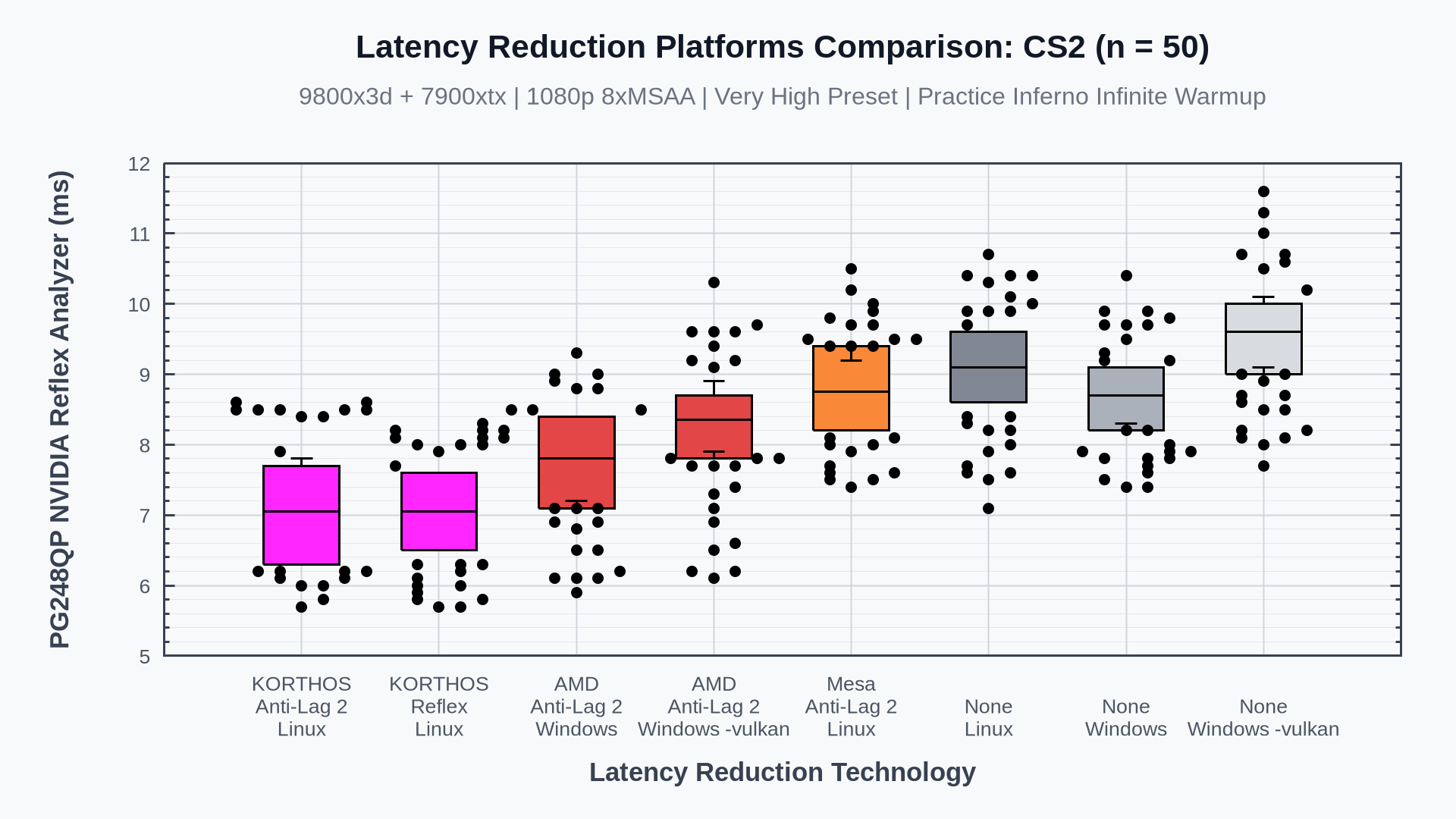
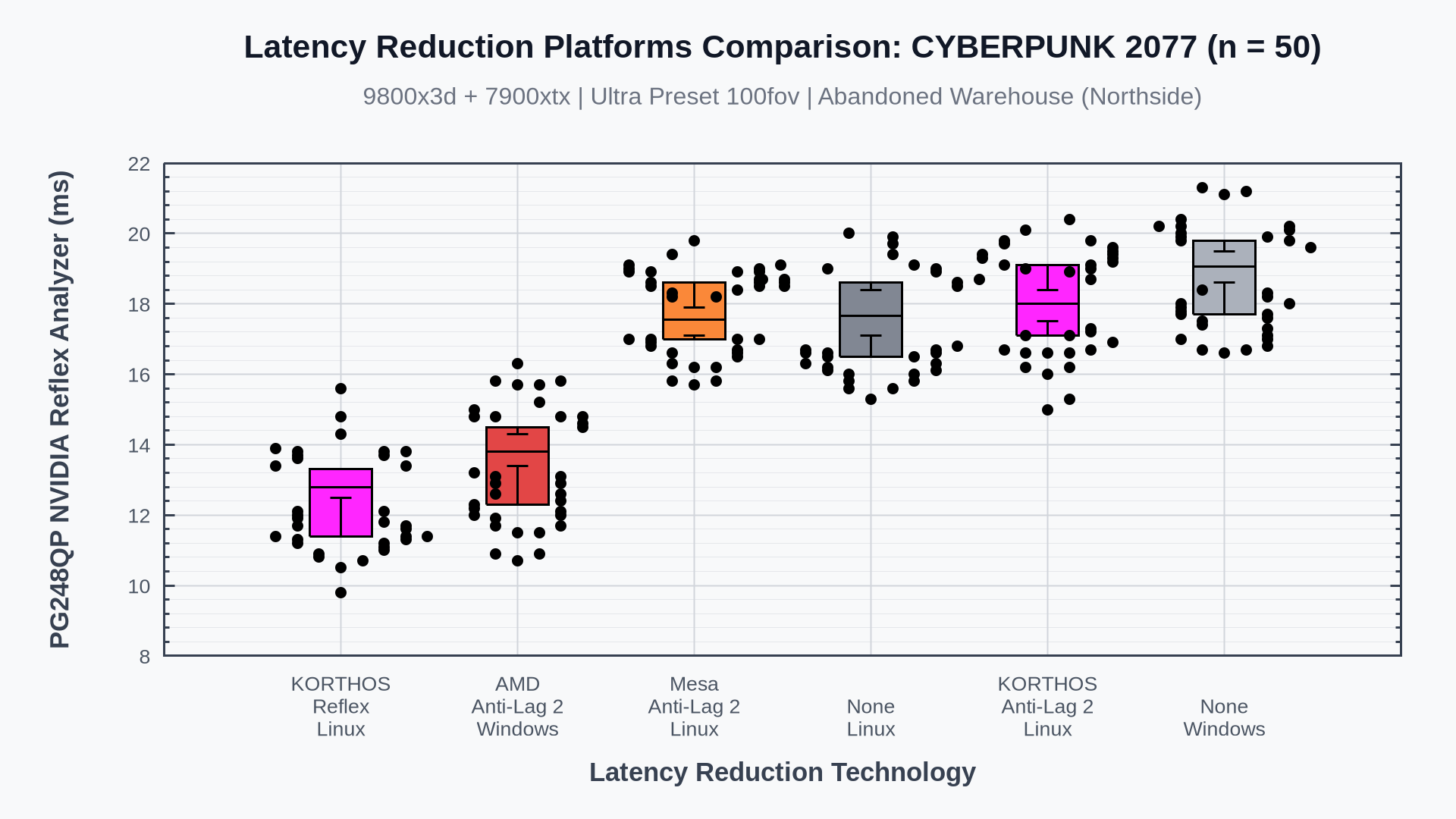
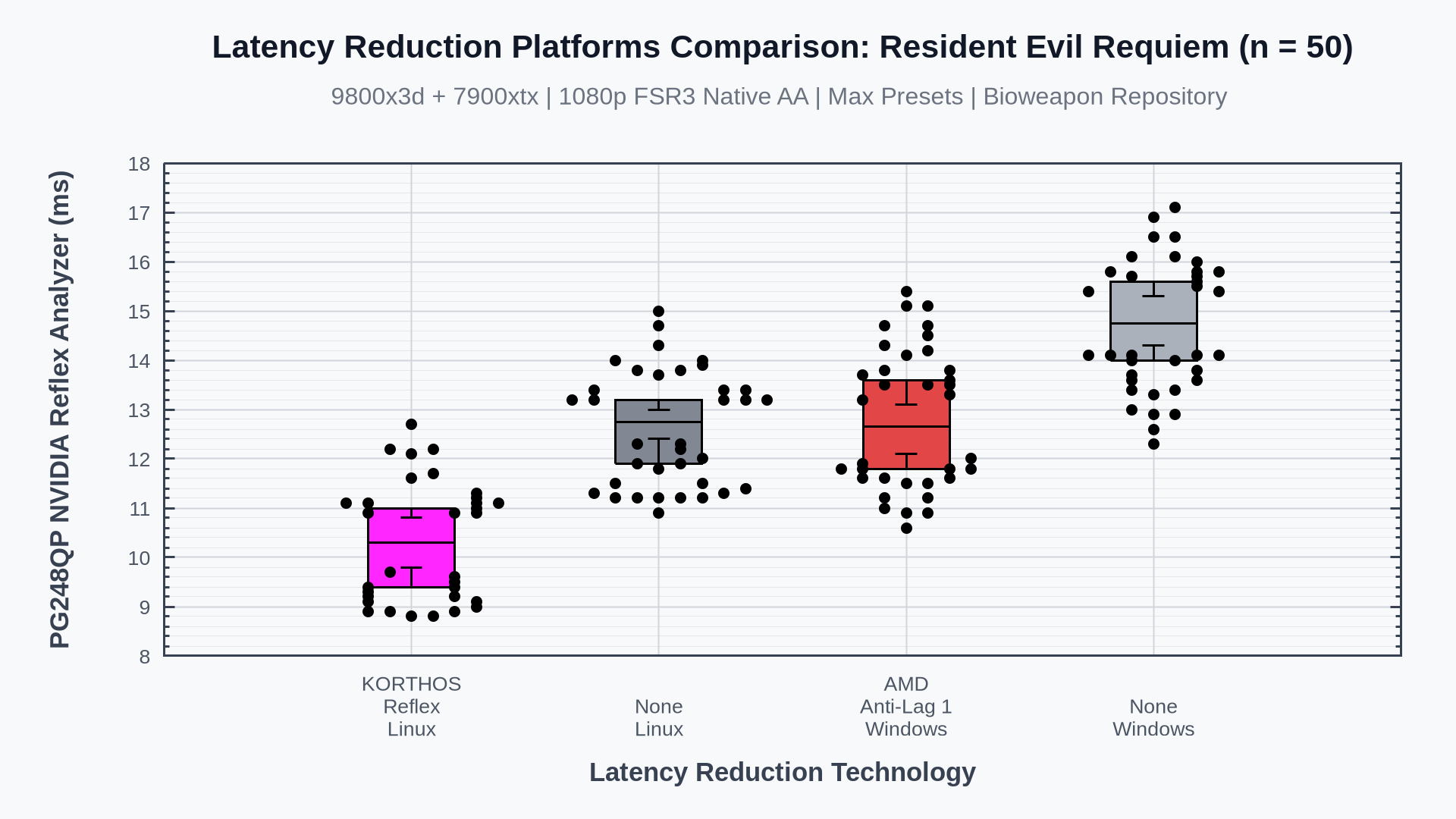
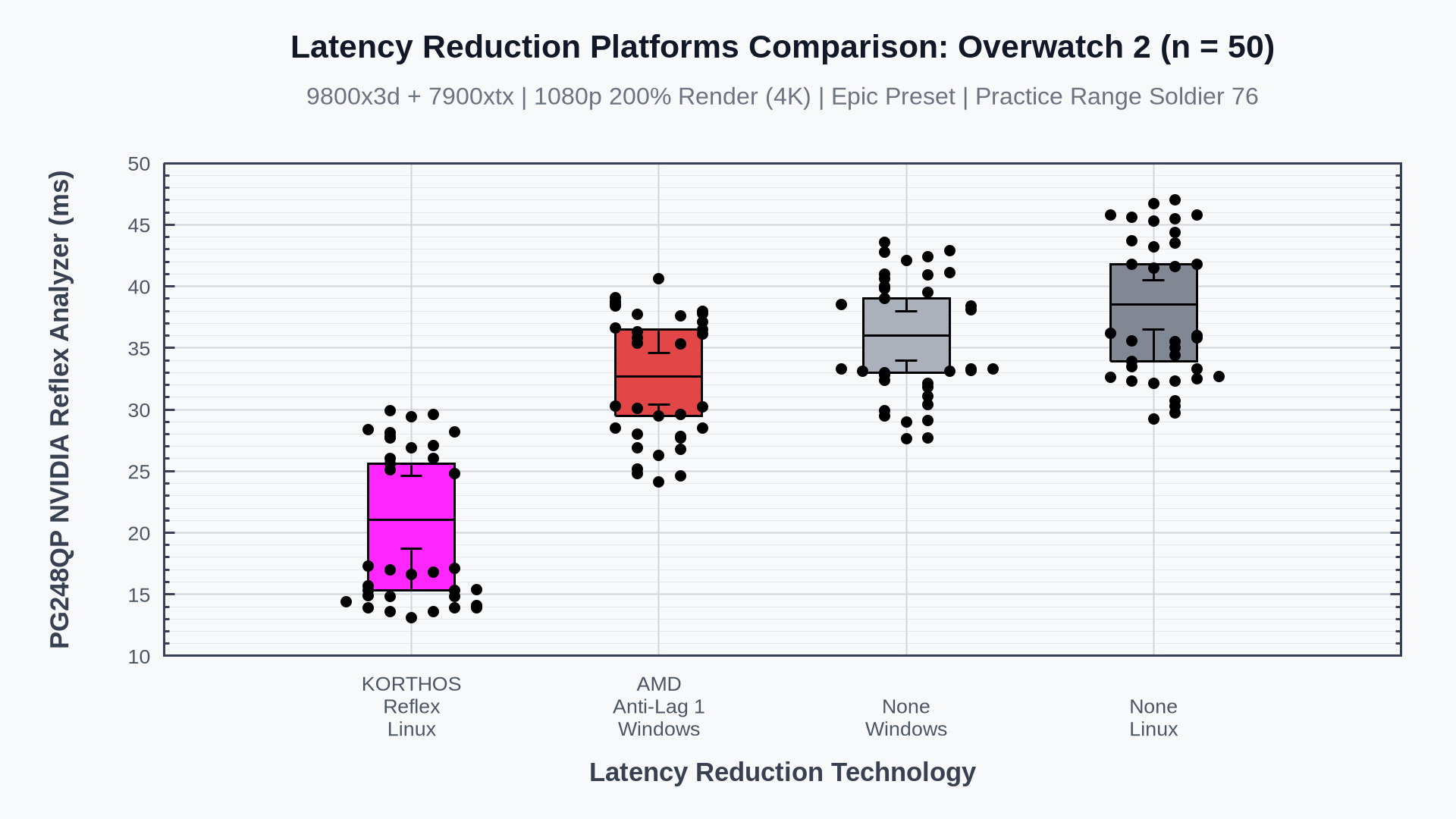
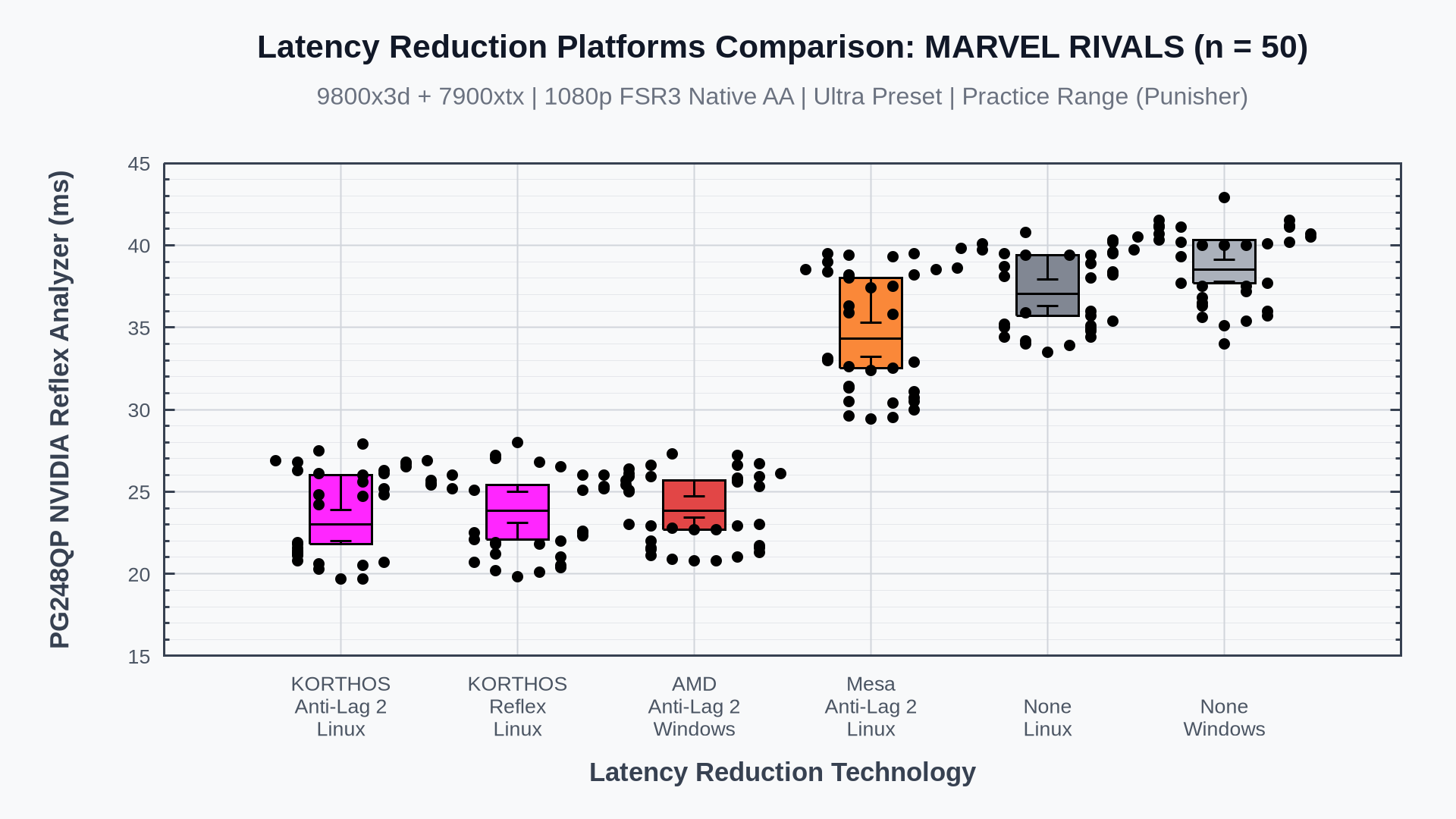
In official internal benchmarks, Korthos Software evaluated the layer using a test system equipped with an AMD Radeon RX 7900 XTX, an AMD Ryzen 7 9800X3D, and 64GB of system RAM. Testing was conducted across several titles, including The Finals, Counter-Strike 2, Cyberpunk 2077, Resident Evil Requiem, Marvel Rivals, and Overwatch 2. Data from these evaluations indicates that the layer delivers click-to-photon latency reductions of a few milliseconds, yielding performance comparable to native Windows implementations on identical hardware. In Counter-Strike 2, which runs as a Linux-native application, latency with Anti-Lag 2 was lower on Linux than under Windows.
Installation of low_latency_layer requires manual compilation from source, using dependencies such as CMake, Vulkan Headers, and the Vulkan Utility Libraries. For non-native games running via the Proton translation layer, users must enable NVAPI support. This requires configuring specific environment variables, such as PROTON_FORCE_NVAPI=1, LOW_LATENCY_LAYER_REFLEX=1, and LOW_LATENCY_LAYER_SPOOF_NVIDIA=1, as outlined in the project's GitHub documentation.
KitGuru says: Unfortunately, using this new layer on Linux isn't as simple as installing and being done with it. However, if you follow the guide on GitHub, you should be able to get it working pretty easily.