KitGuru KitGuru.net – Tech News | Hardware News | Hardware Reviews | IOS | Mobile | Gaming | Graphics Cards


Thermaltake's OSD system is split into seven main tabs, as you can see here:


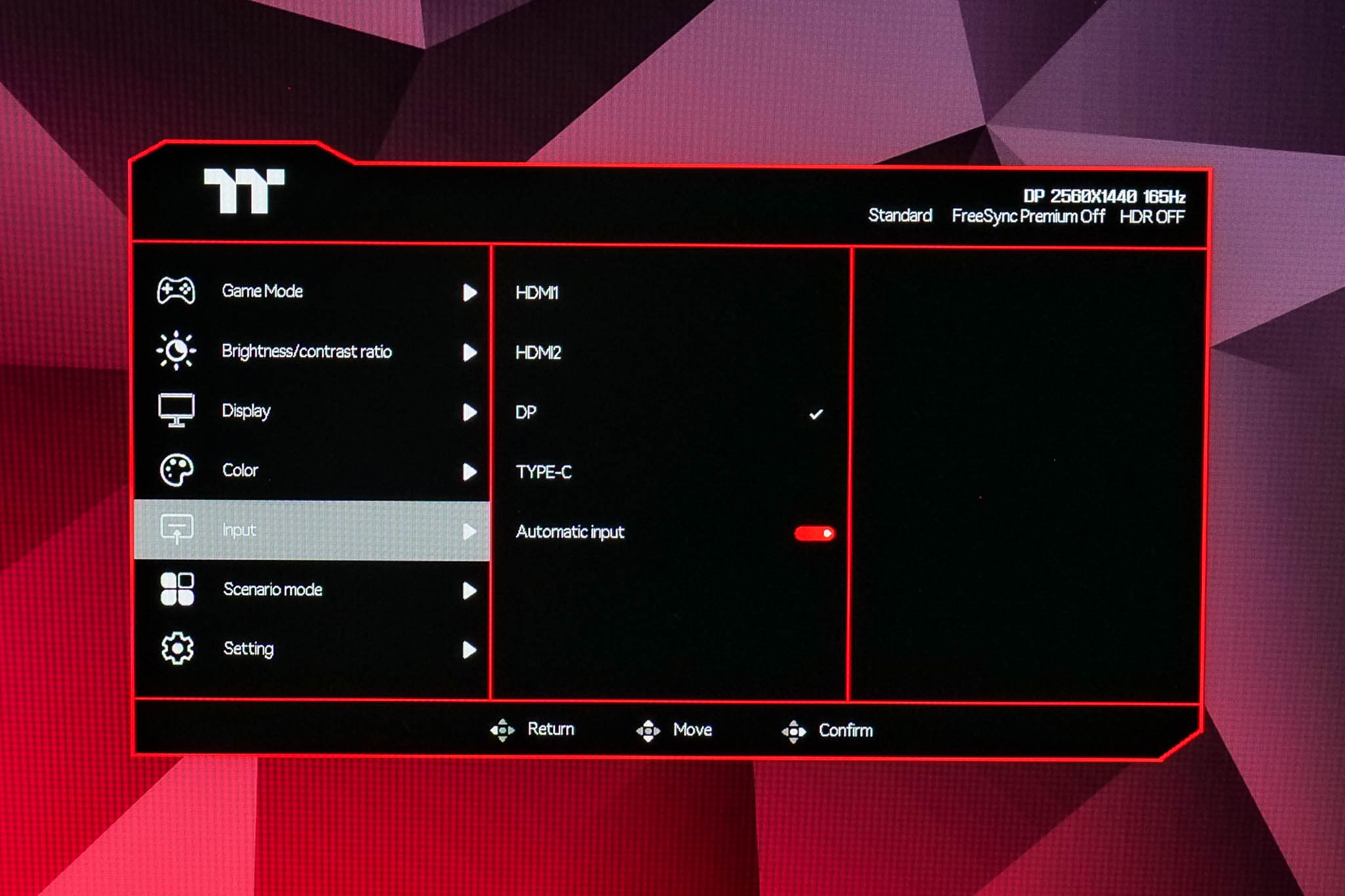
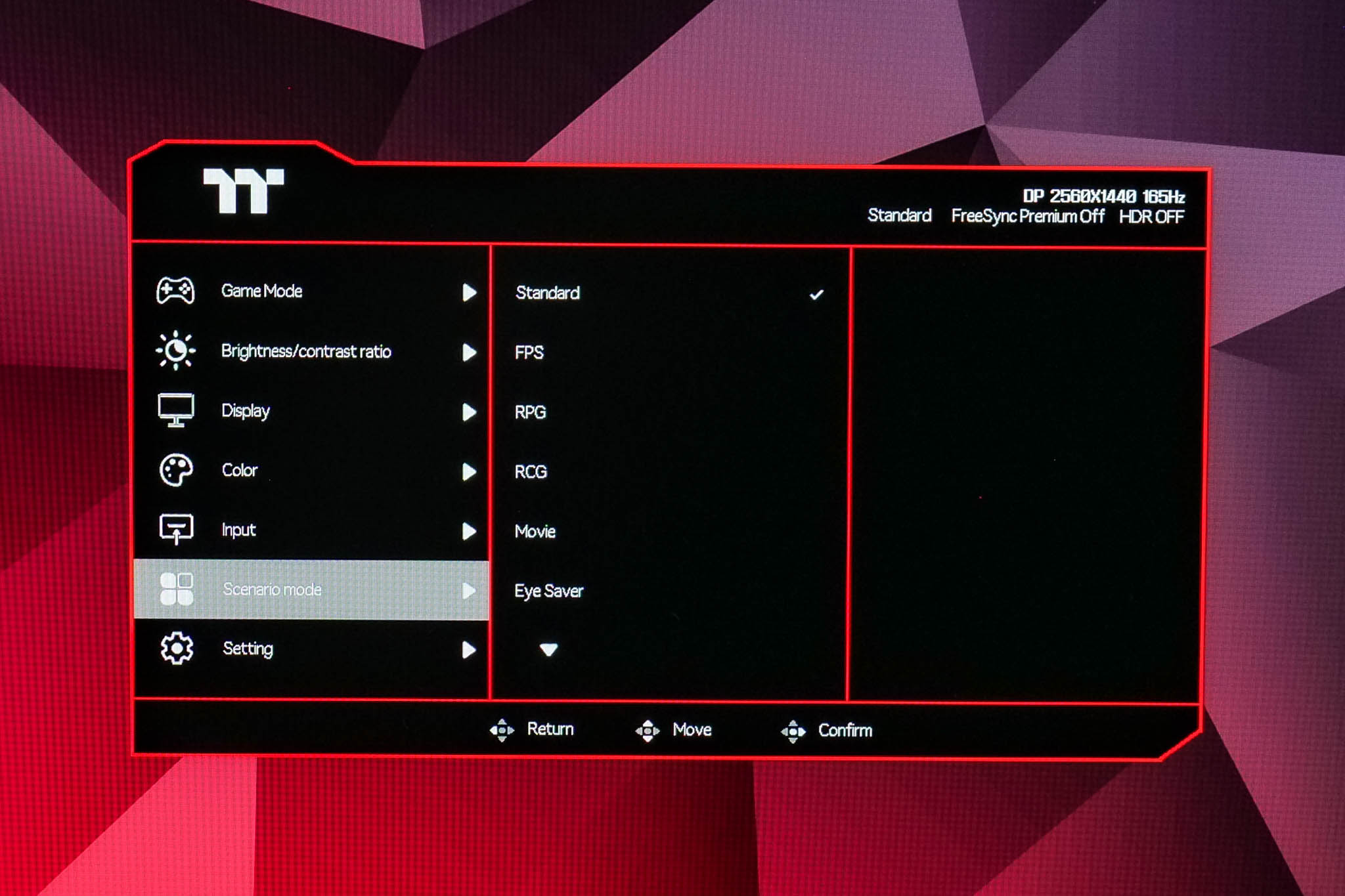
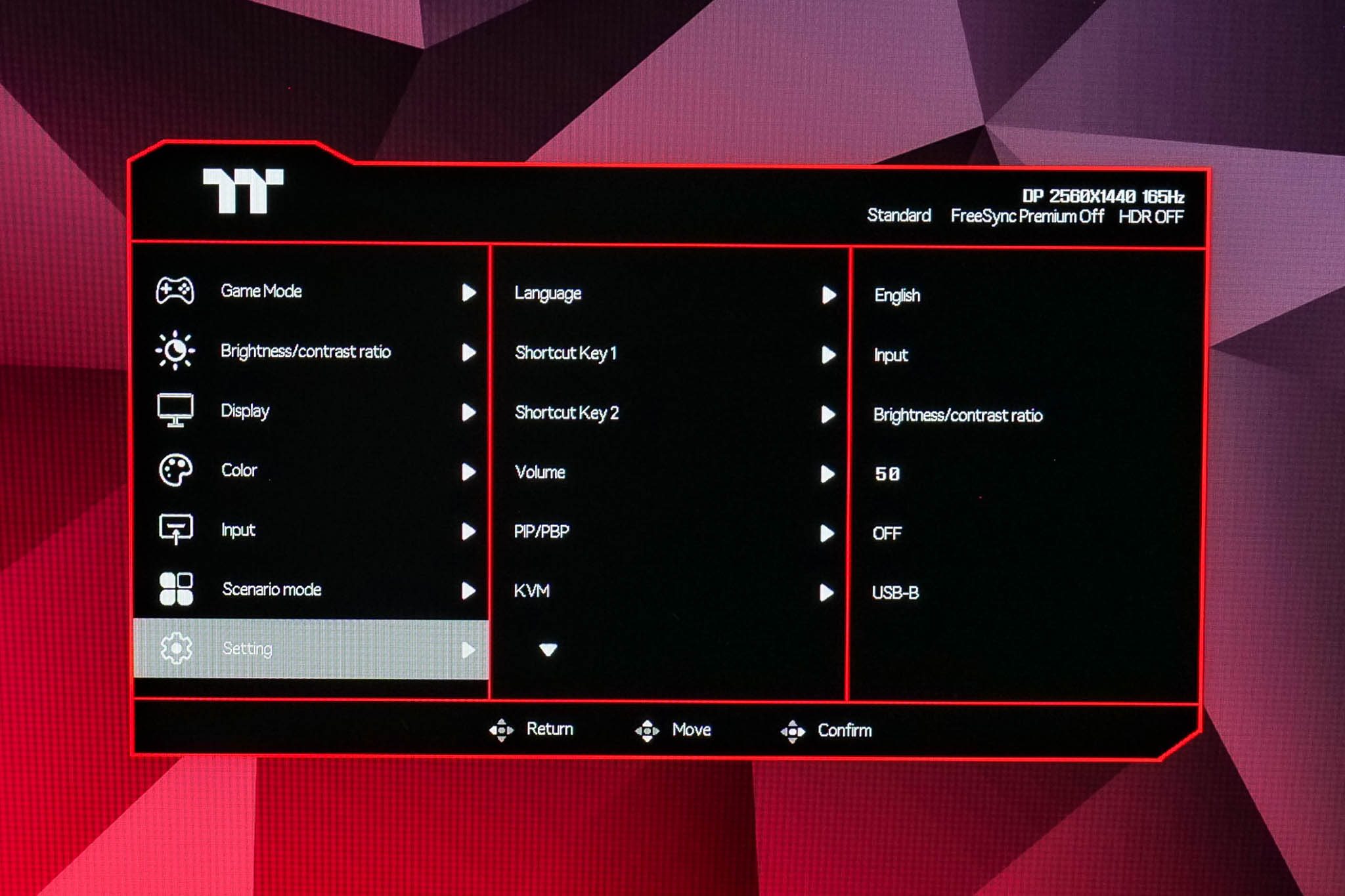
Being the first Thermaltake monitor I have reviewed, I wasn't sure what to expect from it. No doubt about it, it's very plain, being almost entirely text-based and looking somewhat dated. Despite that, it is reasonably well featured with options for sRGB emulation, three different overdrive modes, user adjustable colour balance, on screen crosshairs and so on. My main criticism is honestly that you can't actually adjust the position of the OSD itself – it comes up smack bang in the centre of the screen and cannot be moved, which is less than ideal if you want to quickly make some changes on the fly without pausing your game or workflow. So overall, it's not quite as polished as something from MSI, but I have definitely seen worse first efforts!