KitGuru KitGuru.net – Tech News | Hardware News | Hardware Reviews | IOS | Mobile | Gaming | Graphics Cards


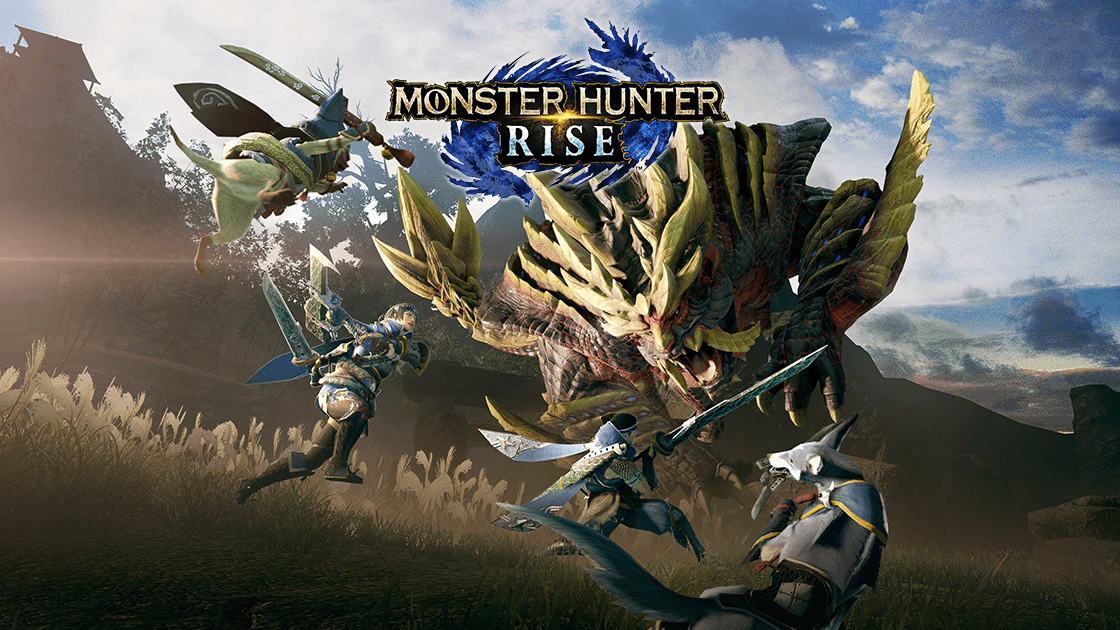
Monster Hunter Rise released back in March 2021 exclusively for the Nintendo Switch to great commercial and critical success. Rise was later brought to PC the following year, with a PlayStation and Xbox release recently announced for early 2023. Unfortunately, those hoping to purchase the game physically on either console will be disappointed, as Monster Hunter Rise will be digital-only.
As announced by Capcom (via Gematsu), when Monster Hunter Rise releases for PlayStation 4; PS5; Xbox One and Xbox Series X|S on the 20th of January, it will do so in a digital-only format. Unfortunately, Rise will not release physically at a later date, with Gematsu confirming that no physical editions are planned in any capacity.
While it is common for PC games to release in a digital-only format, most major console titles are accompanied by both digital and physical releases – and so Capcom’s decision to go digital-only in this instance is interesting.
That being said, this move is not wholly surprising, as we previously reported that 95% of all Capcom sales in Q2 2022 were digital, meaning physical media made up just 5% of the publisher’s earnings.
EA previously claimed that it would stop selling physical media in Germany and other German speaking countries – and while Capcom has not yet taken such a regional route, it is seemingly making the decision on a game-by-game basis. It will be interesting to see what other future Capcom games go digital-only.
Discuss on our Facebook page HERE.
KitGuru says: What do you think of this move by Capcom? Are you less likely to buy a console game digitally? Do you think Capcom will do this with all future releases? Let us know down below.