 KitGuru KitGuru.net – Tech News | Hardware News | Hardware Reviews | IOS | Mobile | Gaming | Graphics Cards


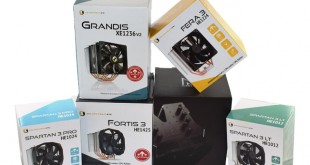
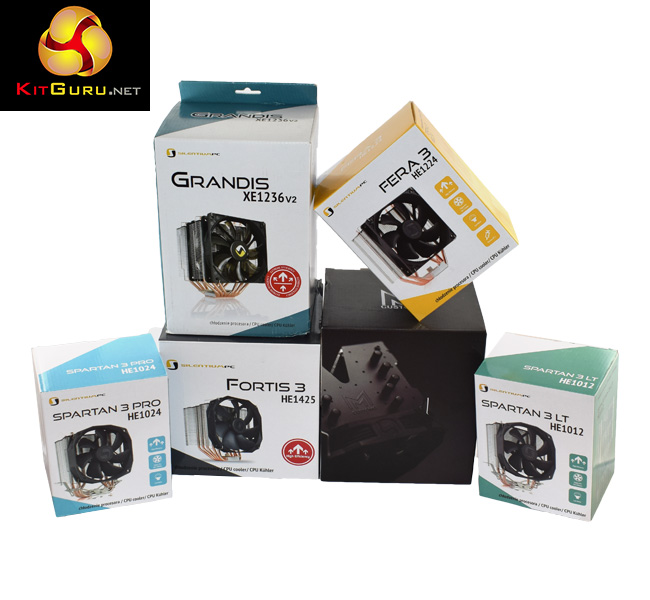
For this review today, SilentiumPC sent us 6 different air coolers from their product catalogue. We decided to put them head-to-head and see which cooler comes out on top in regards to performance and value for money. The coolers range greatly in terms of size and weight, while some have 2 heatpipes and a single 100mm fan compared with others that have 6 heatpipes and dual-120mm fans.
It is important to remember that as the coolers are so different, they will not all do the same job. This may sound obvious but the smallest cooler, the Spartan 3 LT, is not aimed at overclocking enthusiasts. In the same way, the dual-fan Grandis is not meant for those building a low-end Pentium-based machine, for example.
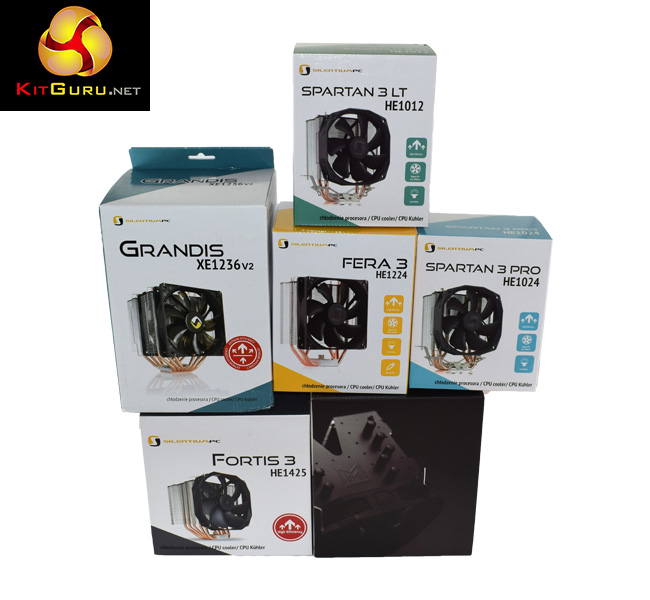
So, basics aside, what coolers have we got?
- Spartan 3 LT HE1012
- Spartan 3 Pro HE1024
- Fera 3 HE1224
- Fortis 3 HE1425
- Fortis 3 HE1425 Malik Customs Edition
- Grandis XE1236v2
Each cooler has its own dedicated page in this review, complete with specifications and pictures. At the end we will give a big picture overview of how all the coolers fared against each other.To test all of the SilentiumPC coolers we have, we devised an easily repeatable test with no variables other than the coolers themselves. This ensures that all of the figures are directly comparable.
Test rig
Using an open-air test bench, we deployed an Intel Core i7-4790K plugged into a Gigabyte Z97X-SOC Force motherboard. Alongside this was 16GB of 2400MHz Corsair Vengeance DDR3, as well as a 120GB OCZ Trion 150 SSD. Powering everything was a Corsair CX500M.
The test process
Testing each cooler involved taking a total of 4 temperature readings per cooler. First, we measured the idle temperature of the i7-4790K at stock speeds (turbo boost disabled), before measuring its temperature under load at stock speeds. Next, we overclocked the CPU to 4.5GHz using a 1.3 Vcore, ensuring greater heat output. In its overclocked state we then measured the idle and load temperatures of the CPU again.
To ward off potential comments or questions, we know 4.5GHz using a 1.3 Vcore is a ‘bad' overclock – this particular CPU could reach that frequency at closer to 1.2 on the Vcore, which is more efficient. That is not the point, however. We are trying to stress the coolers to see how they deal with excess heat, hence the high Vcore.
Each cooler's fan was plugged directly into the motherboard using the CPU_Fan header, while the CPU_Opt header was also used when testing the Grandis – the only cooler on test with dual-fans.
An idle reading comes from leaving Windows on the desktop for 15 minutes. A load reading comes from running Prime95's (version 26.6) Small FFTs test for 15 minutes – enough time for temperatures to plateau.
Noise output
Unfortunately I was unable to properly measure the sound output of the coolers using a digital sound meter. This is because I am based in London (with high ambient noise levels) while things are compounded by the fact that building works are current taking place directly next door to me. Using a sound meter then would not be a fair test as there are variables out of my control. However, for each cooler I will try my best to subjectively describe the noise output in a helpful manner.
A note on cooler installation
All comments about the ease (or lack of) of installing the coolers refers to installing them on a LGA 1150 motherboard. LGA 2011 or AMD installation may well be very similar, but we cannot comment on this.
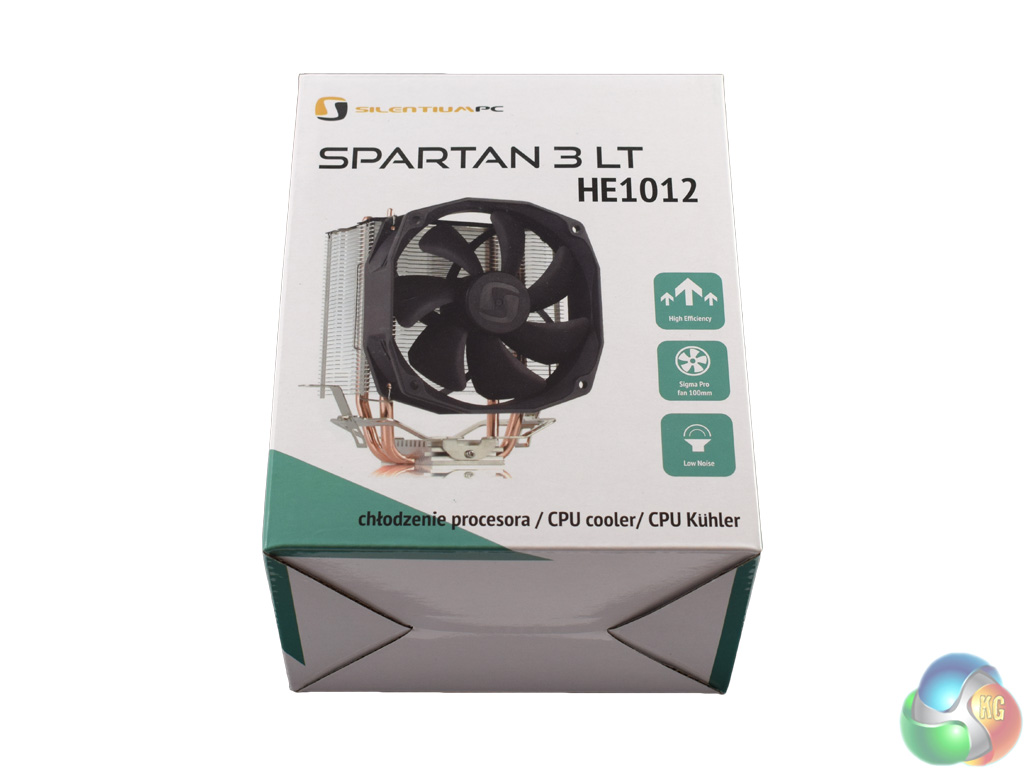
First up is the Spartan 3 LT, with an MSRP of £12.90.
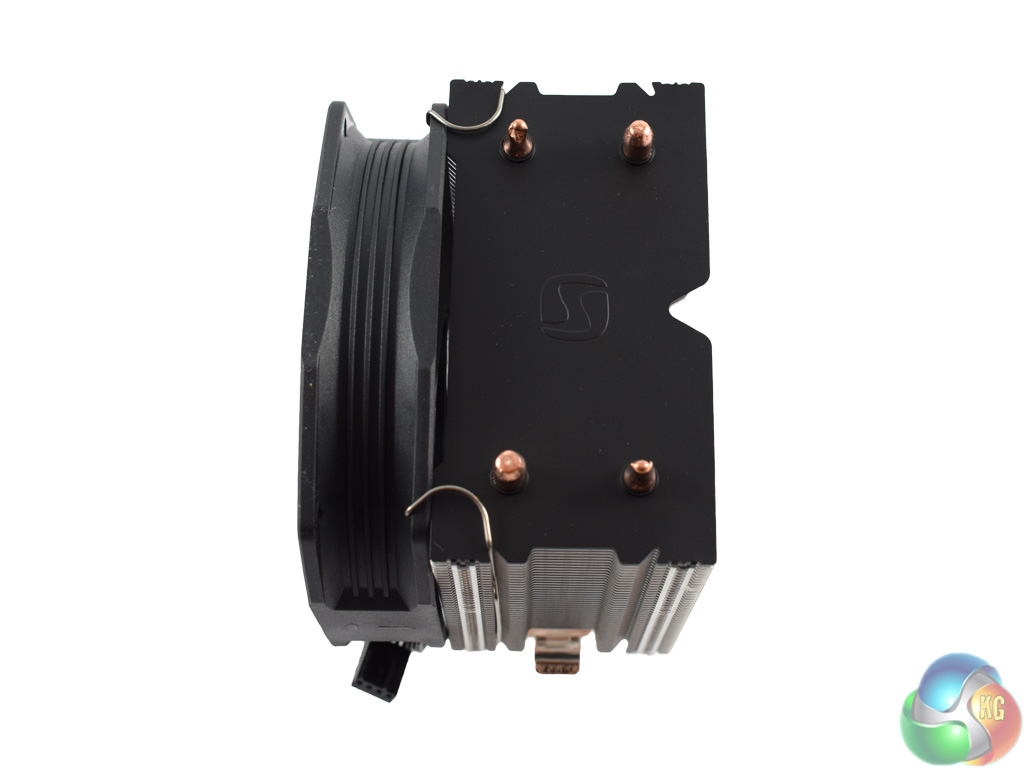
A small, cutesy cooler, the Spartan 3 LT has just two 6mm copper heatpipes in direct contact with the CPU. It comes with a 100mm fan pre-installed.
SilentiumPC describe it as a ‘cost-effective alternative to stock CPU coolers' which may give you a first indication about its performance.
Specifications
- Dimensions (heatsink only): 110mm(L) x 52mm(W) x 135mm(H)
- Dimensions (with fan and mounting clip): 110mm(L) x 82,5mm(W) x 135mm(H)
- Weight (with fan): 466g
- Heatsink: 2 x Φ6mm heatpipes
- Supported TDP: up to 135W
- Fan: 100 x 100 x 25mm
- Bearing type: HSB / Hydraulic
- Fan speed: 800 – 2000 RPM +/- 10%
- Rated voltage: 12V
- Rated current: 0.10 A
- Air flow: max. 55,7 CFM
- Noise level: 8,9 ~ 21 dBA
- MTBF: 50000h
- Connector: 4-pin PWM
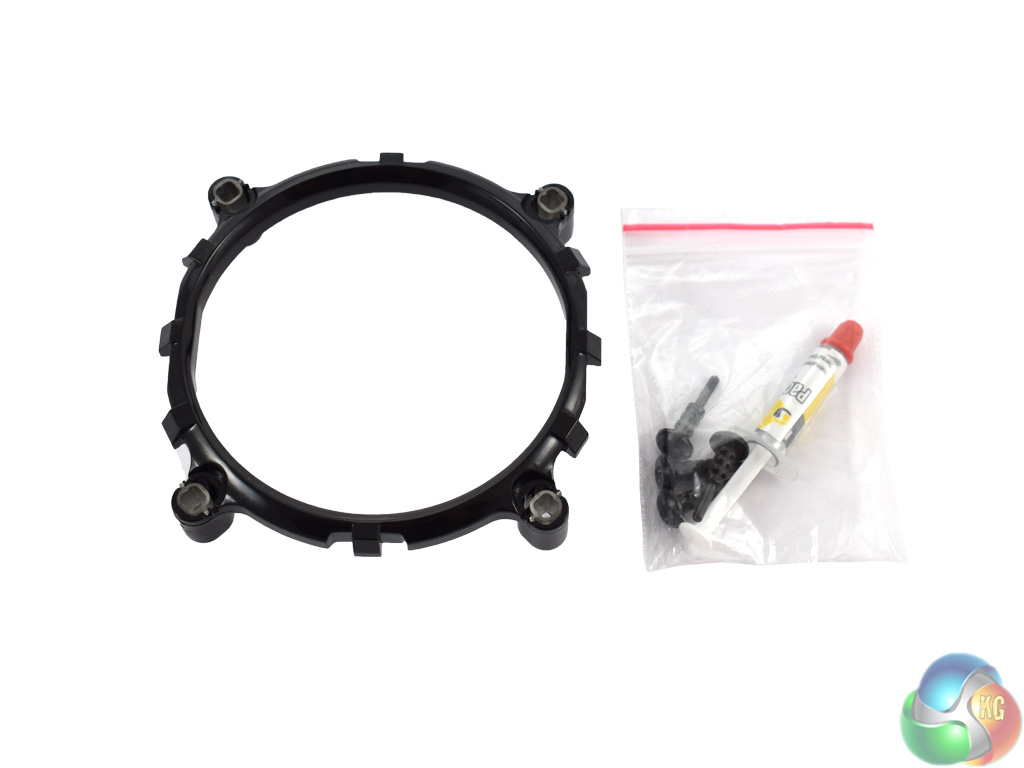
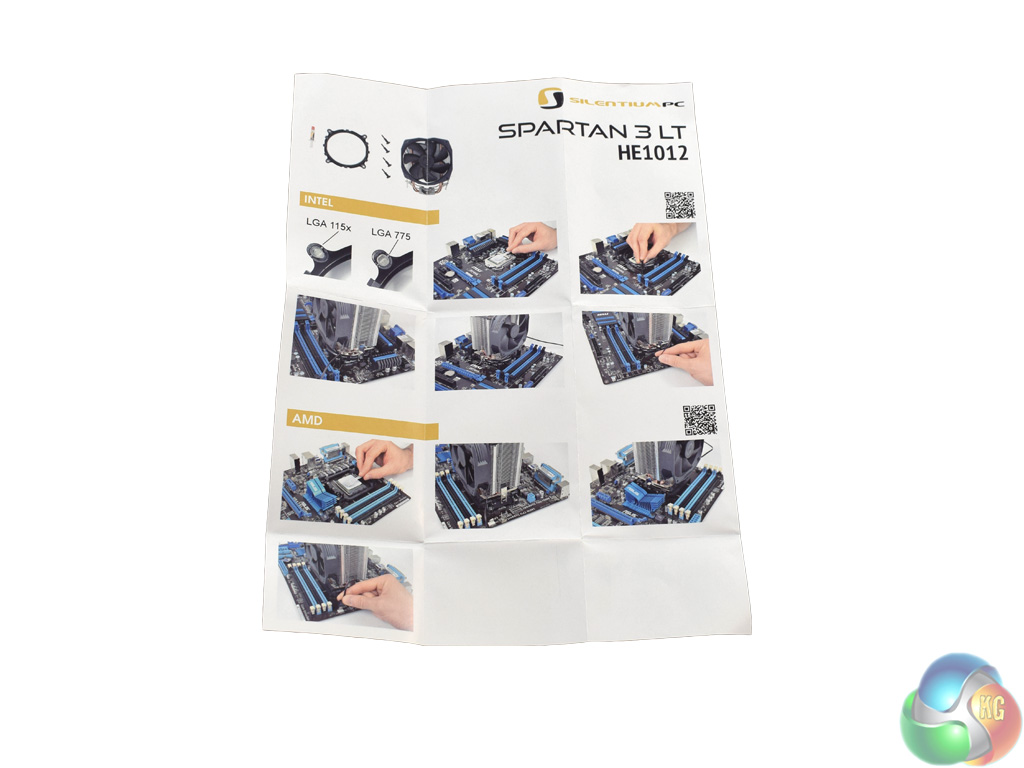
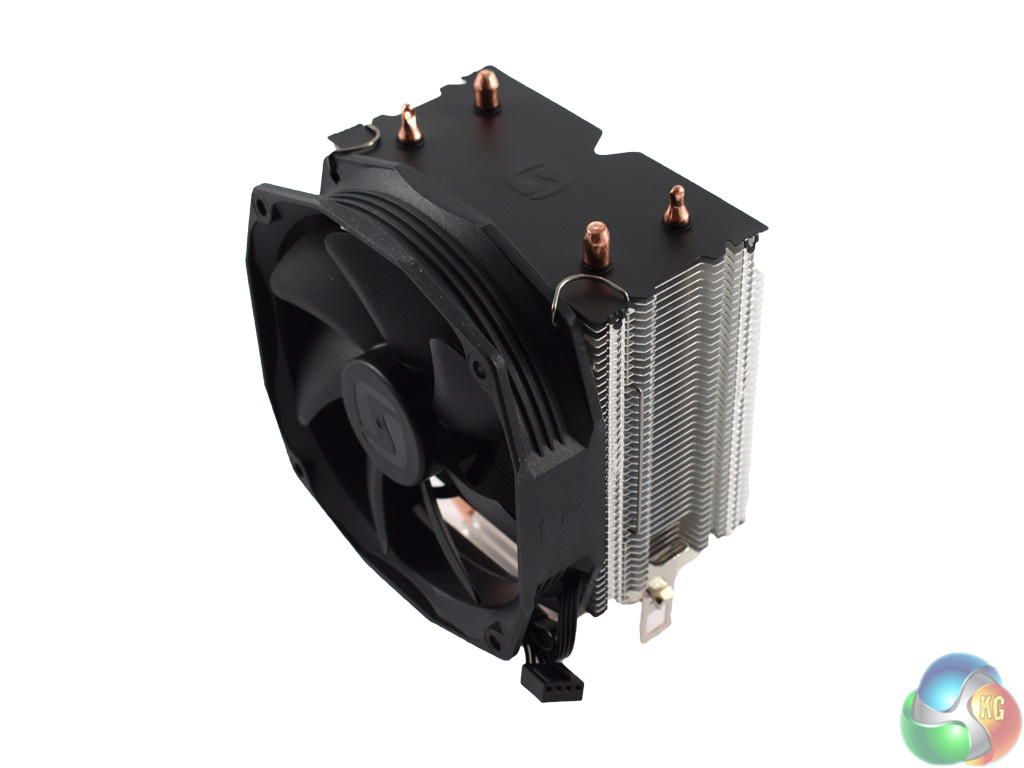
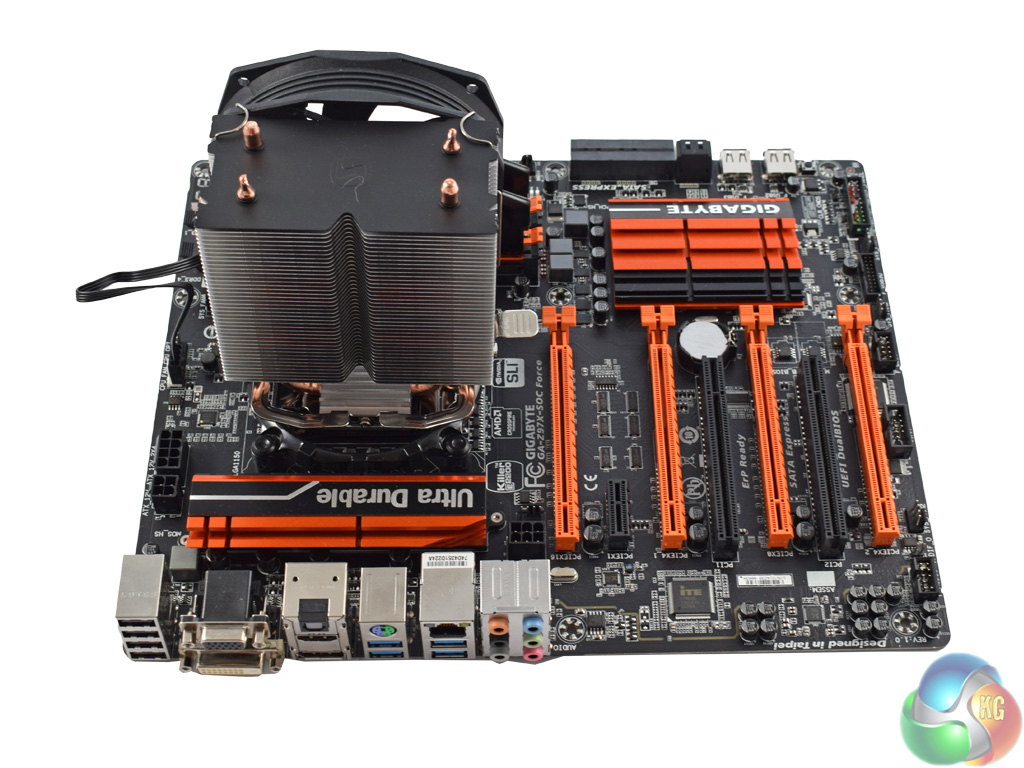
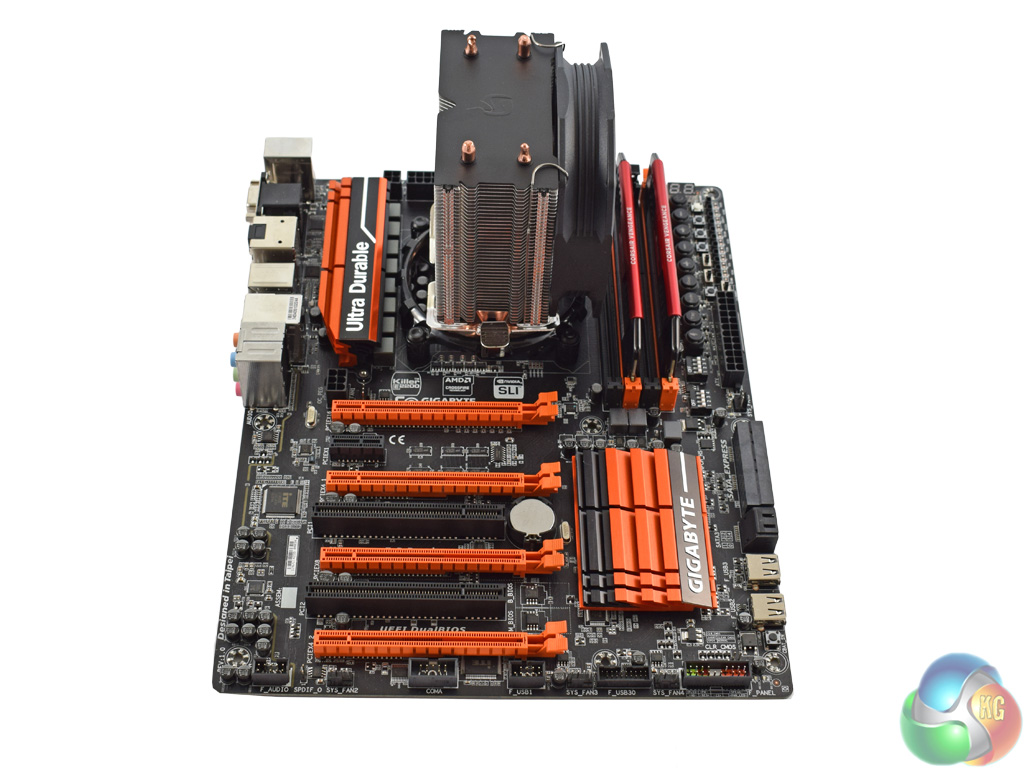
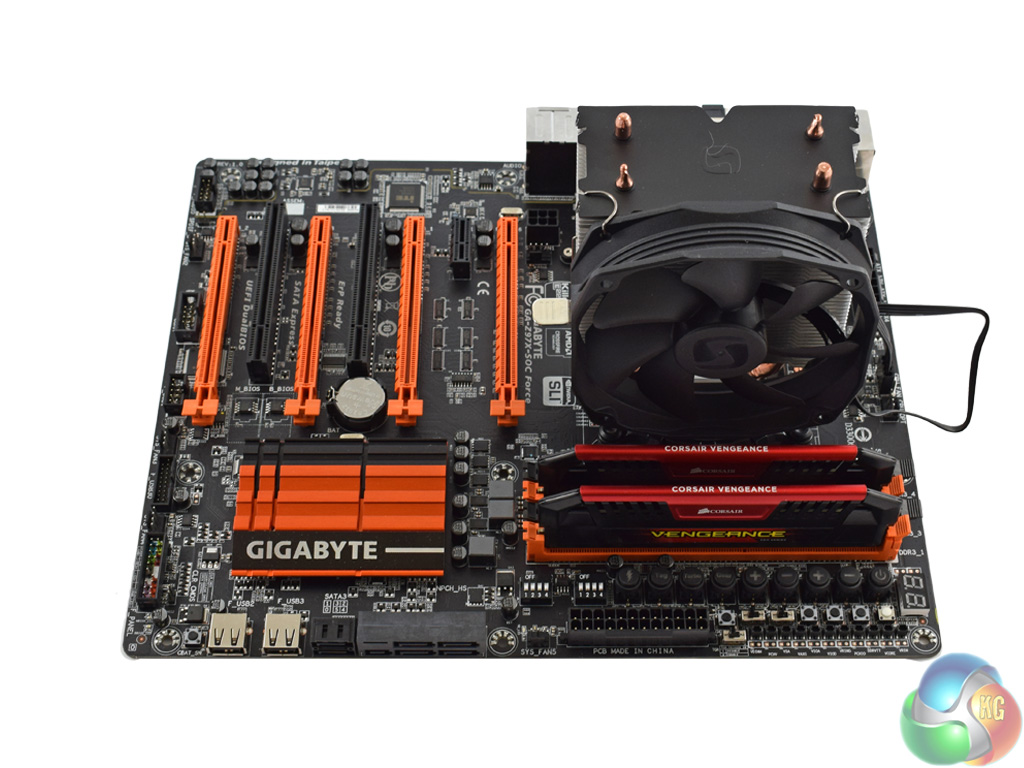
Installing the Spartan 3 LT really is a doddle. Simply push the mounting frame through the holes around the CPU socket, then insert the pushpins to lock the frame into place. Then it is simply a case of seating the cooler and locking it to the mounting frame using two metal clips that are preinstalled on the cooler.
Everything is clearly explained on the included installation instructions, which has pictures for every step. And if you get really stuck (which is highly unlikely) there is even a QR code to scan which will take you to a video detailing the installation process.
Once installed, the Spartan 3 LT is an attractive yet diminutive cooler. As with all other coolers on test today, the top of the heatsink has a black, plated section which looks far better than just a metallic heatsink – in my opinion at least. I know I would much rather see the black fascia than a plain heatsink.
Testing
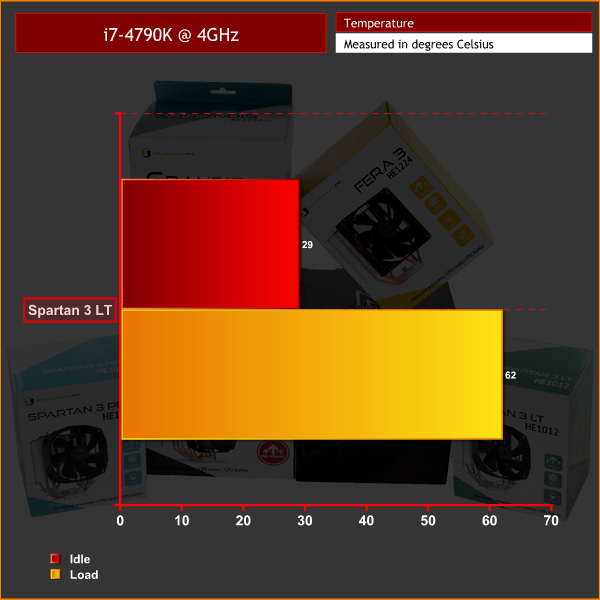
At stock speeds, the Spartan 3 LT did an admirable job, and stayed fairly quiet too.
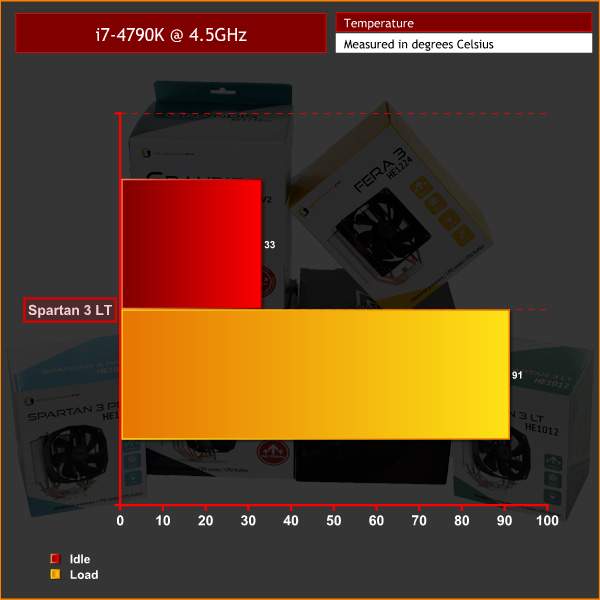
When overclocked, though, I genuinely thought the system was going to shut down as the temperatures rocketed up to the high 80s almost immediately, but fortunately did not go much higher. Obviously the Spartan 3 LT is not going to appeal to overclocking enthusiasts but for those looking for a cheap and quiet stock cooler replacement, this could do the job just fine.
In terms of noise output, I am often wary of units with smaller fans – such as this 100mm unit. This is because they have to spin up faster to deal with the heat output. Especially considering the smaller heatsink means there is less physical space for the heat to dissipate, it is no surprise that when the fan kicks up to 100% (as it did under overclocked load, stock load was not as noisy) it produces a fair racket.
However, considering this cooler would be unlikely to deal with an overclock such as the one on our test, its stock noise levels are perhaps better representative of its true ability. At idle, it is very quiet indeed – proving just about audible from the open-air bench next to me. Inside a case I am sure it would be, practically speaking, silent. Under load the fan does spin up considerably faster, but does not quite reach 100%. This means there is an audible whirr, but it is constant and does not oscillate like some other coolers are known to. As such, the noise is bearable and would be blocked out by a game's soundtrack, for instance.
- MSRP: £12.90
- Product code: SPC145
- EAN: 5904730204415
Next, the Spartan 3 Pro, with an MSRP of £17.90.
Just like the Spartan 3 LT, the Spartan 3 Pro is aimed at users on a tight budget but who are not content with a stock cooler. In fact, as far as I can tell, the only physical difference between the two Spartan coolers is that the Pro has 4 copper heatpipes, compared to just two on the LT model.
Specifications
- Dimensions (heatsink only): 110mm(L) x 52mm(W) x 135mm(H)
- Dimensions (with fan and mounting clip): 110mm(L) x 82,5mm(W) x 135mm(H)
- Weight (with fan): 500 g
- Heatsink: 4 x Φ6mm heatpipes
- Supported TDP: up to 150W
- Fan: 100 x 100 x 25mm
- Bearing type: HSB / Hydraulic
- Fan speed: 800 – 2000 RPM +/- 10%
- Rated voltage: 12V
- Rated current: 0.10 A
- Air flow: max. 55,7 CFM
- Noise level: 8,9 ~ 21 dBA
- MTBF: 50000h
- Connector: 4-pin PWM
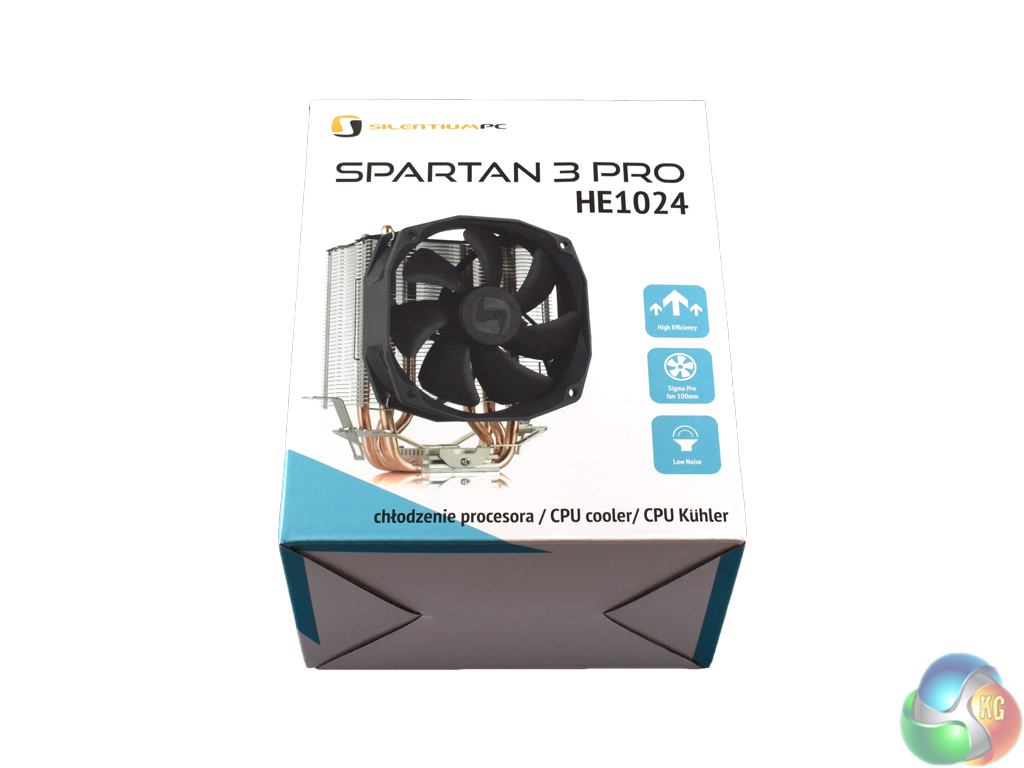
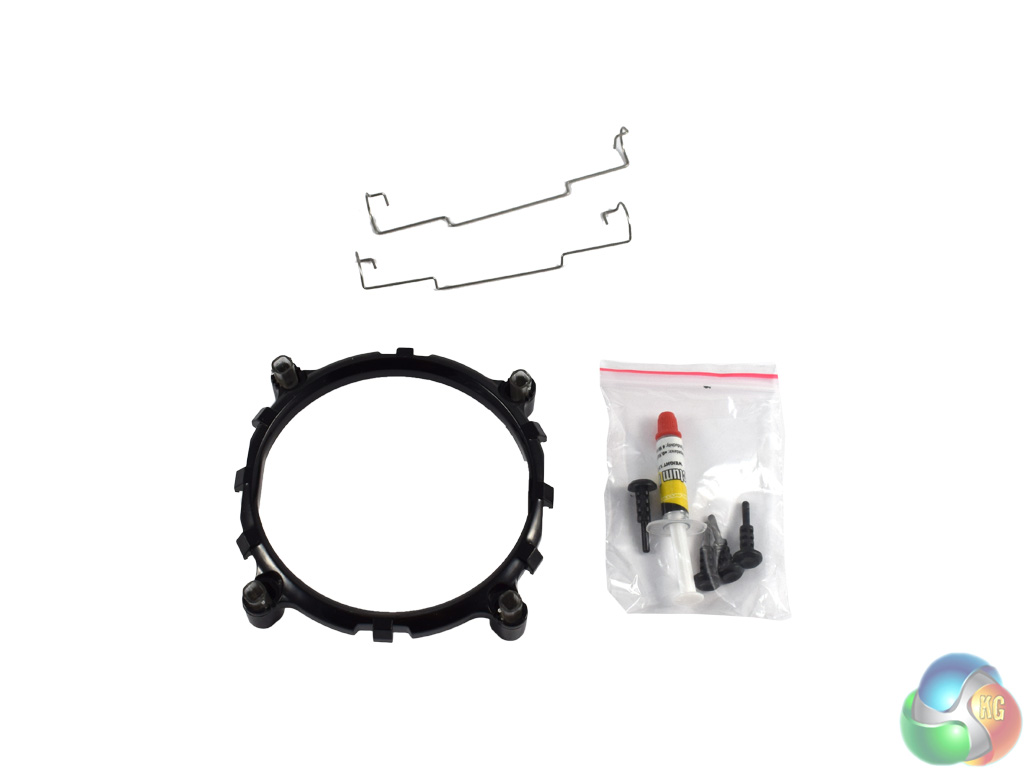
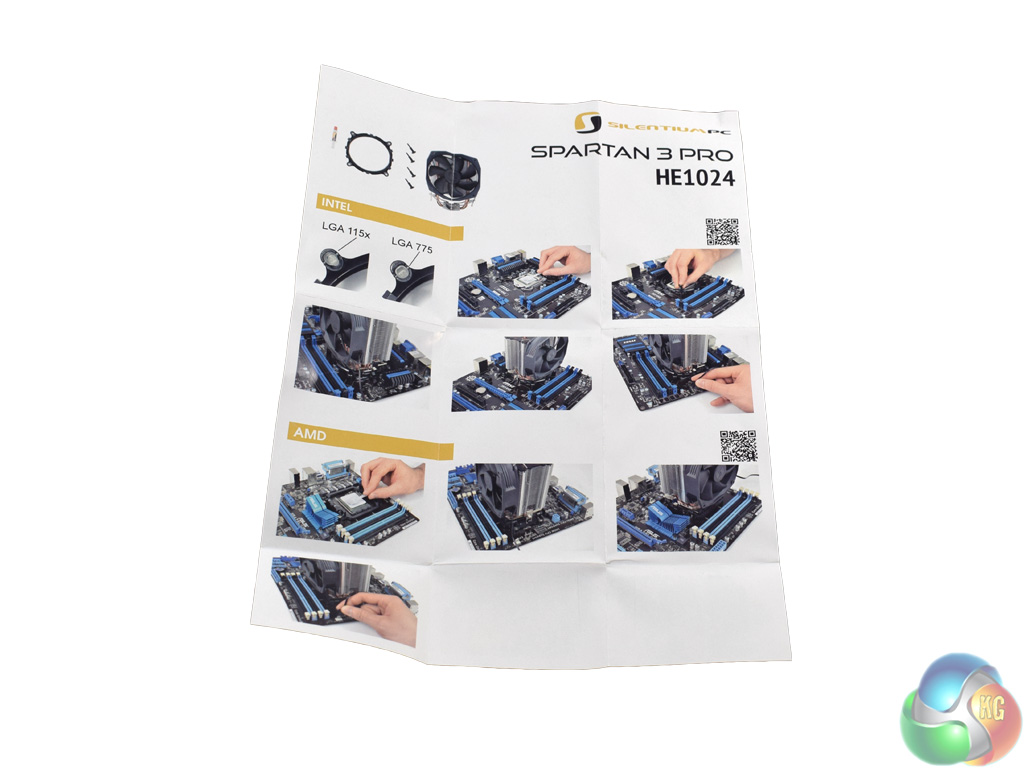
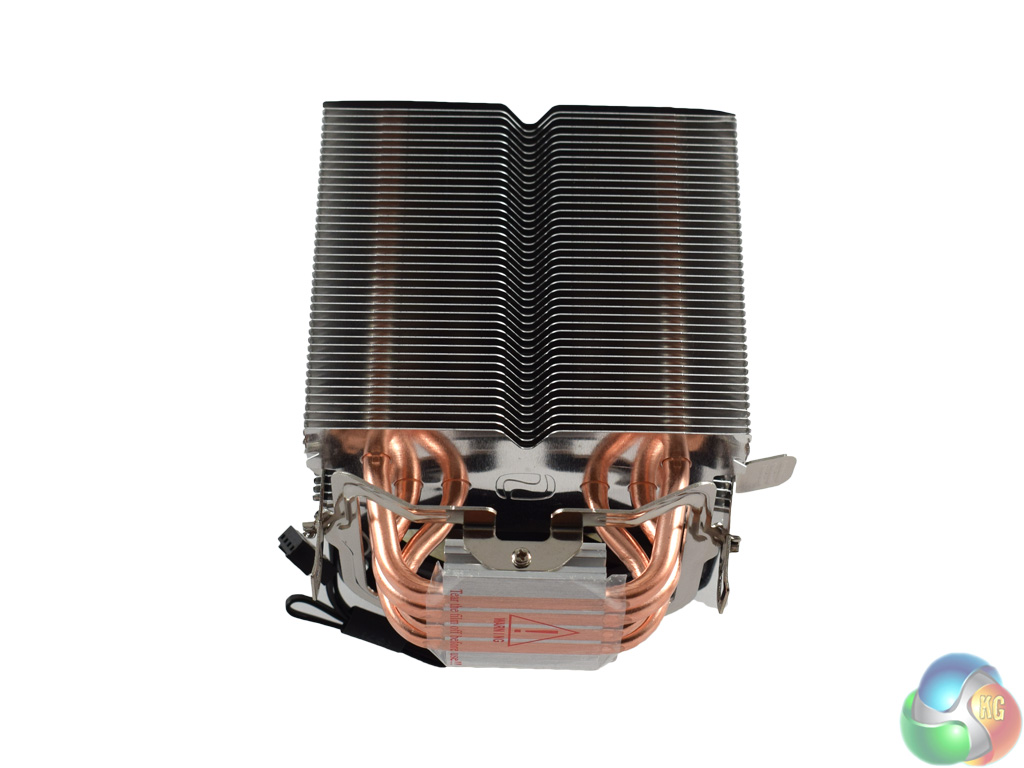
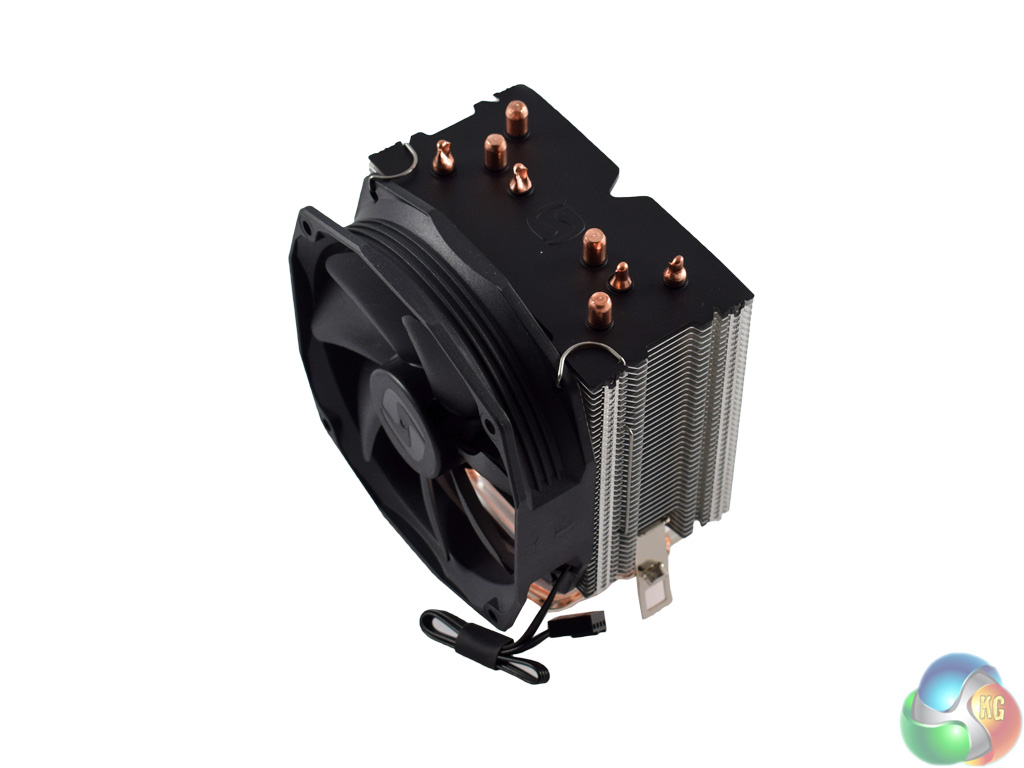
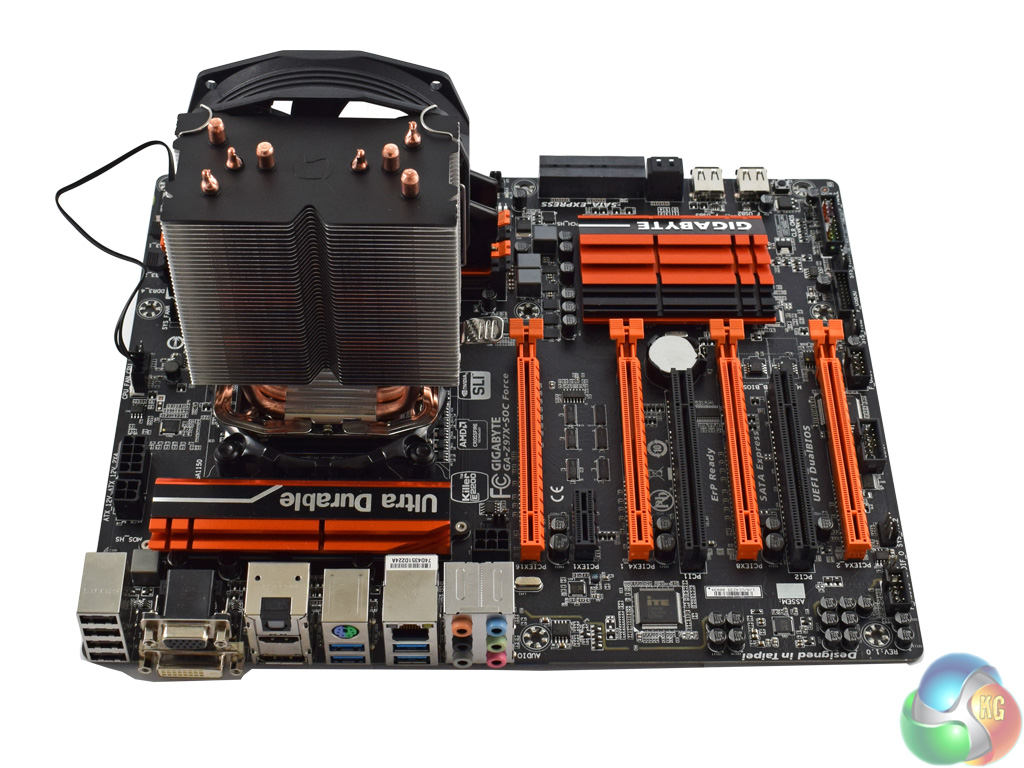
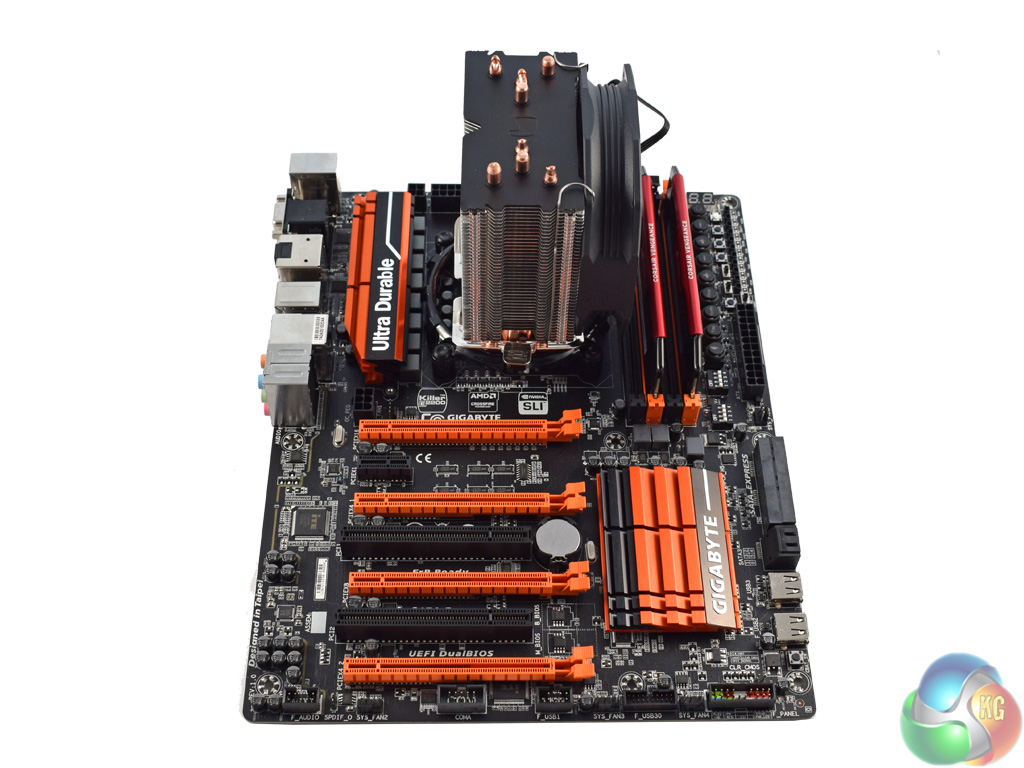
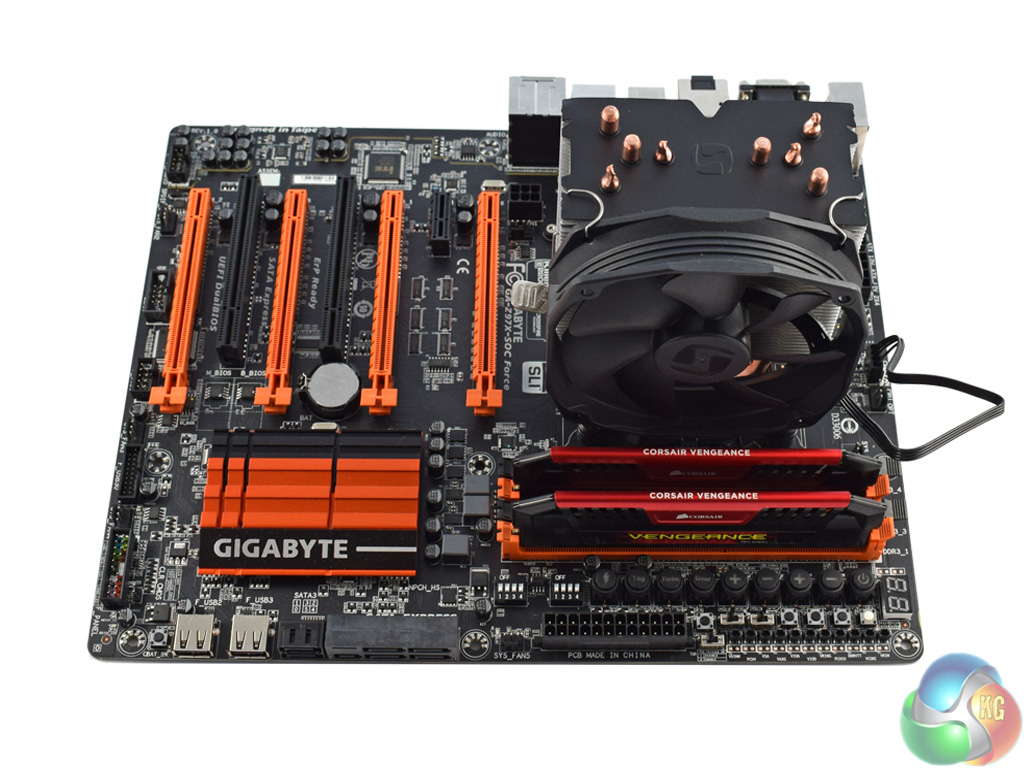
Installation is also identical to that of the Spartan 3 LT – meaning it is a breeze.
Incidentally, also included within the box is another set of fan clips – so you could add another 100mm fan and have a push/pull configuration should you wish. A second fan is not included, however.
Testing
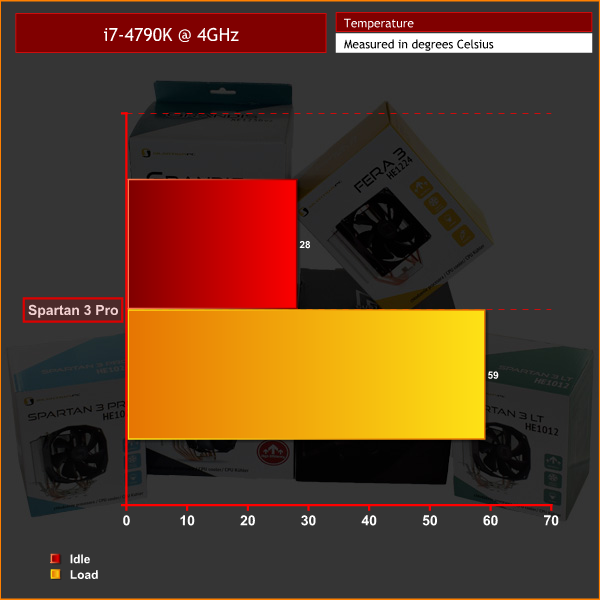
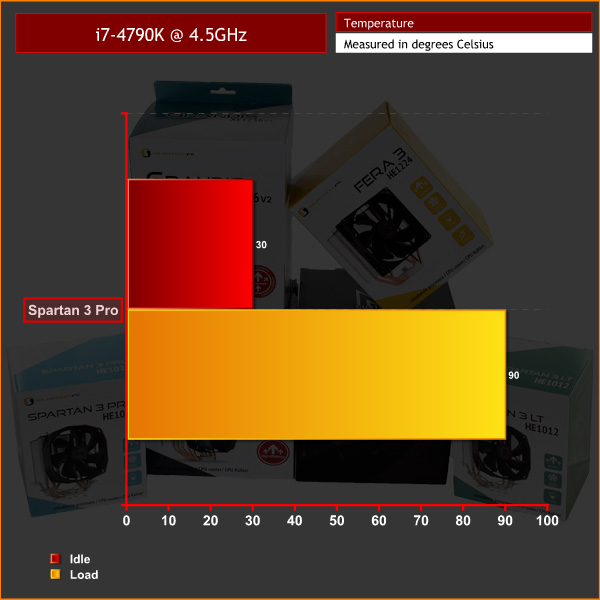
Temperatures are very similar to the Spartan 3 LT across both tests.
At just £5 more than the LT, it may be worth getting the Pro model – at least that way you have the ability to add a second fan should you wish. However, there is not a lot between the two Spartan coolers, so if you are really tight for cash, that £5 could be spent elsewhere.
The extra heatpipes also differentiate the coolers, too. Given temperatures are so similar between the two Spartan coolers, the extra heatpipes must come into play somewhere. Practically, they allow the fans to spin slower, meaning less noise – all while dissipating less heat.
At stock speeds, the Pro is a quiet cooler. In all honesty, so are all the other coolers on test. Idling produces essentially no noise, while under load the fan does get moving – but it is not especially intrusive. The larger fan (compared to a stock cooler) also helps the noise to be bit easier on the ears – it is not quite so high-pitched as the whine of a stock cooler.
When overclocked, the Pro does make a fair amount more noise – as the 100mm fan is really straining to cool things down. Under load the volume does begin to get annoying – but you have to remember the small heatsink and 100mm fan is simply not designed to deal with a high overclock.
- MSRP: £17.90
- Product code: SPC146
- EAN: 5904730204408
Onto the Fera 3, which has a MSRP of £20.90.
SilentiumPC say the Fera 3 provides ‘the ultimate blend of compact dimensions, high efficiency and price.'
Specifications
- Dimensions (heatsink only): 125mm(L) x 53mm(W) x 155mm(H)
- Dimensions (with fan): 125mm(L) x 78mm(W) x 155mm(H)
- Weight (with fan): 613 g
- Heatsink: 4 x Φ6mm heatpipes
- Supported TDP: up to 180W
- Fan: 120 x 120 x 25mm
- Bearing type: HSB / Hydraulic
- Fan speed: 500 – 1600 RPM +/- 10%
- Rated voltage: 12V
- Rated current: 0.13 A
- Air flow: max. 46,5 CFM
- Noise level: 8 ~ 15 dBA
- MTBF: 50000h
- Connector: 4-pin PWM
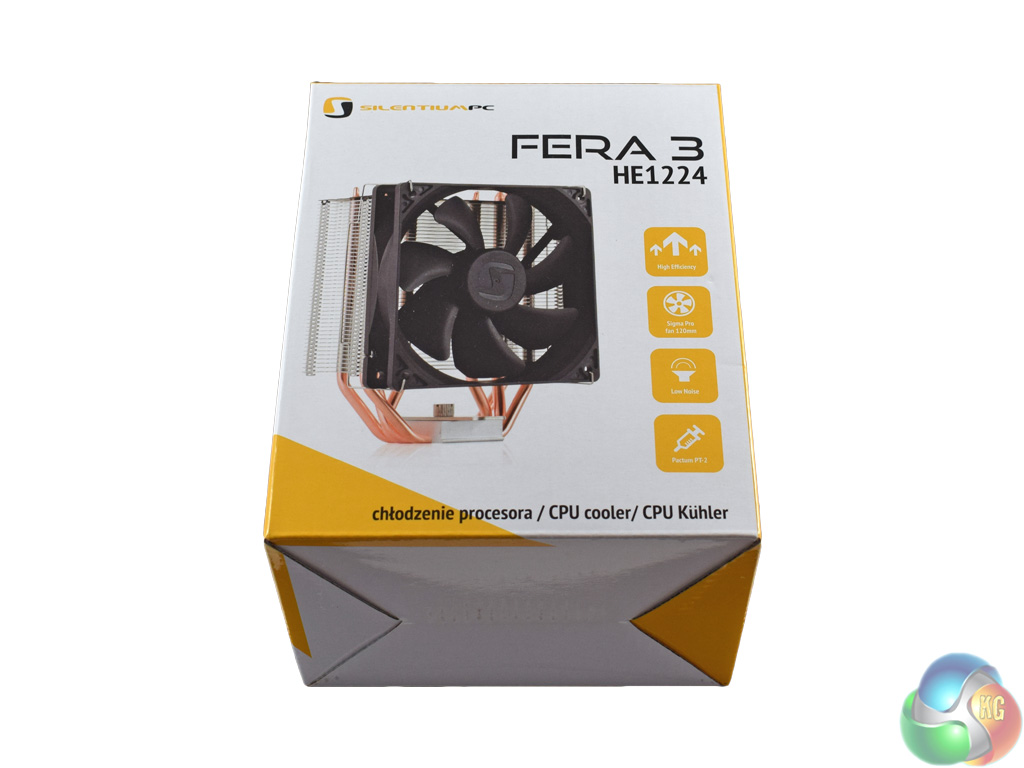
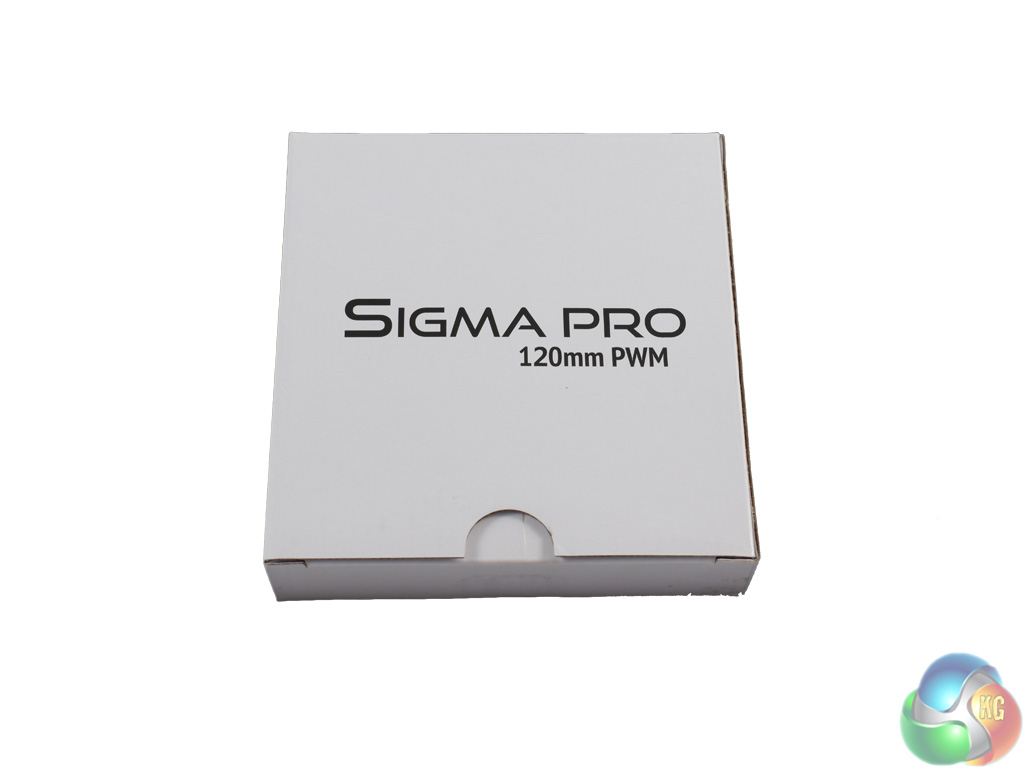
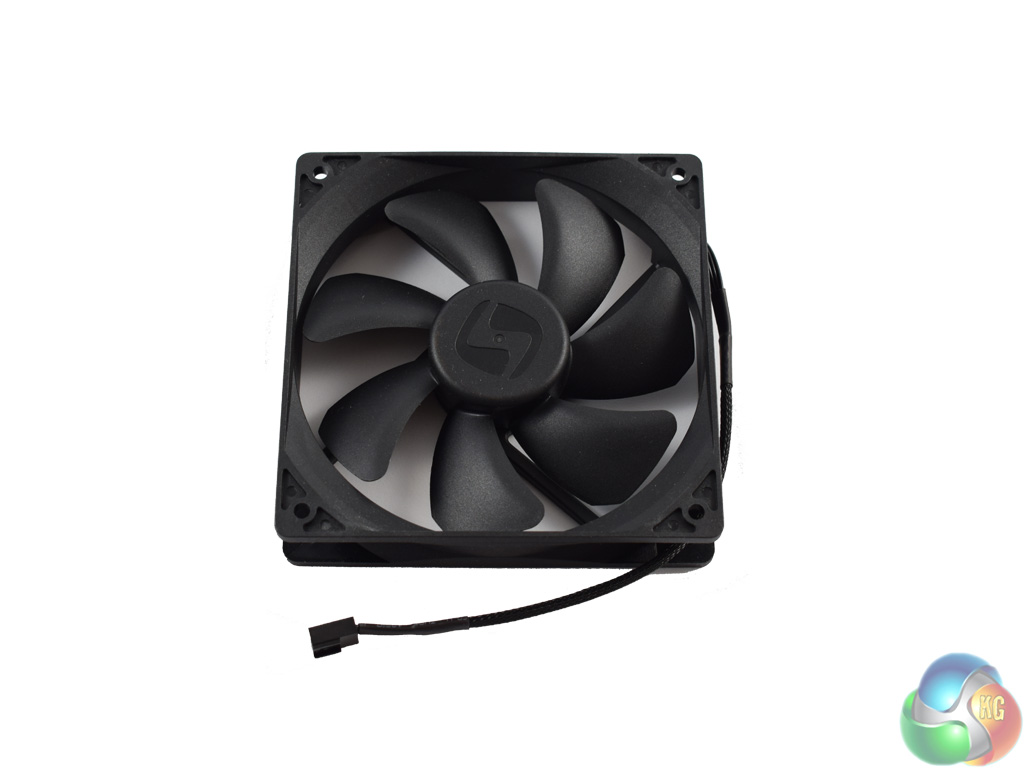
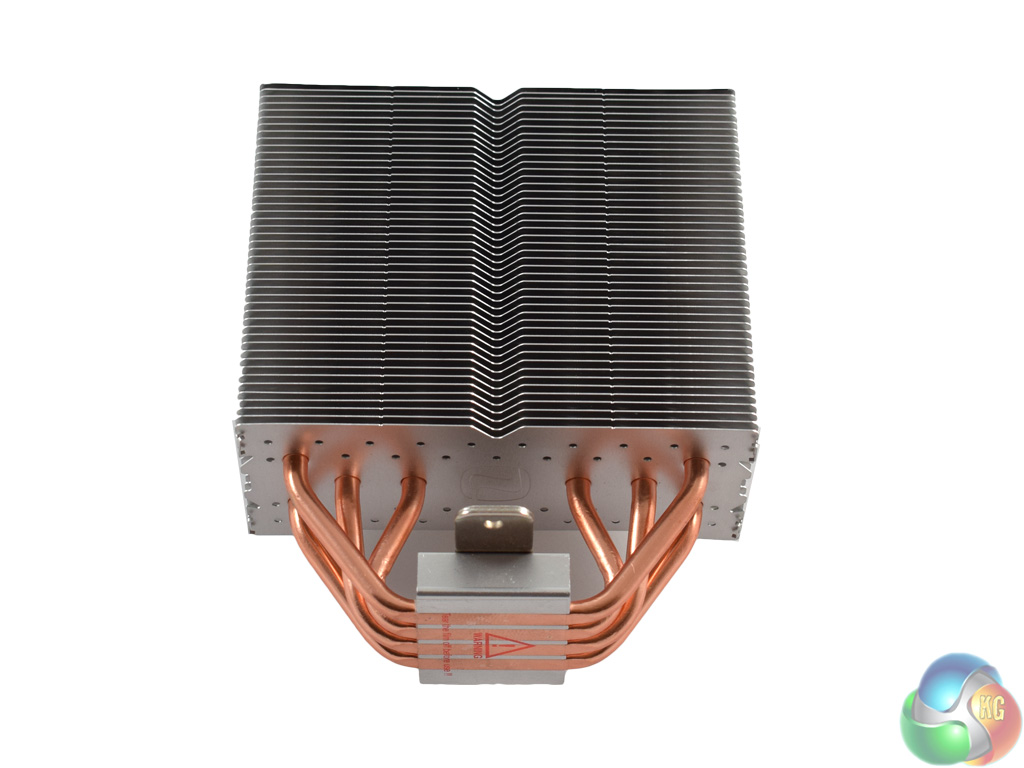
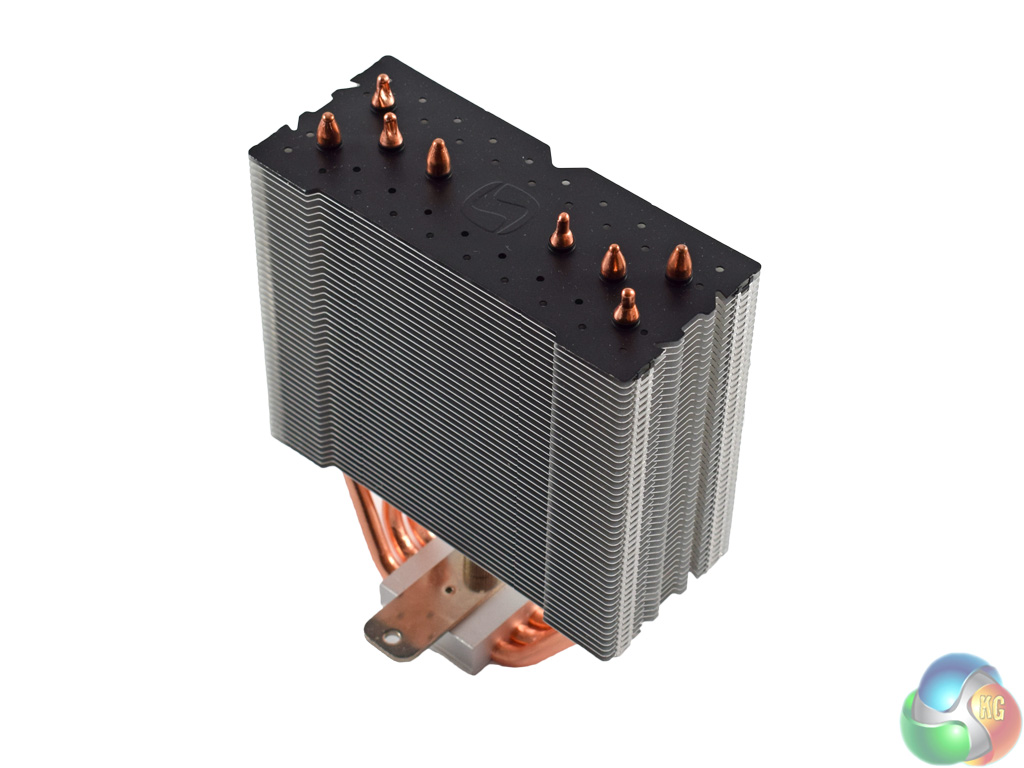
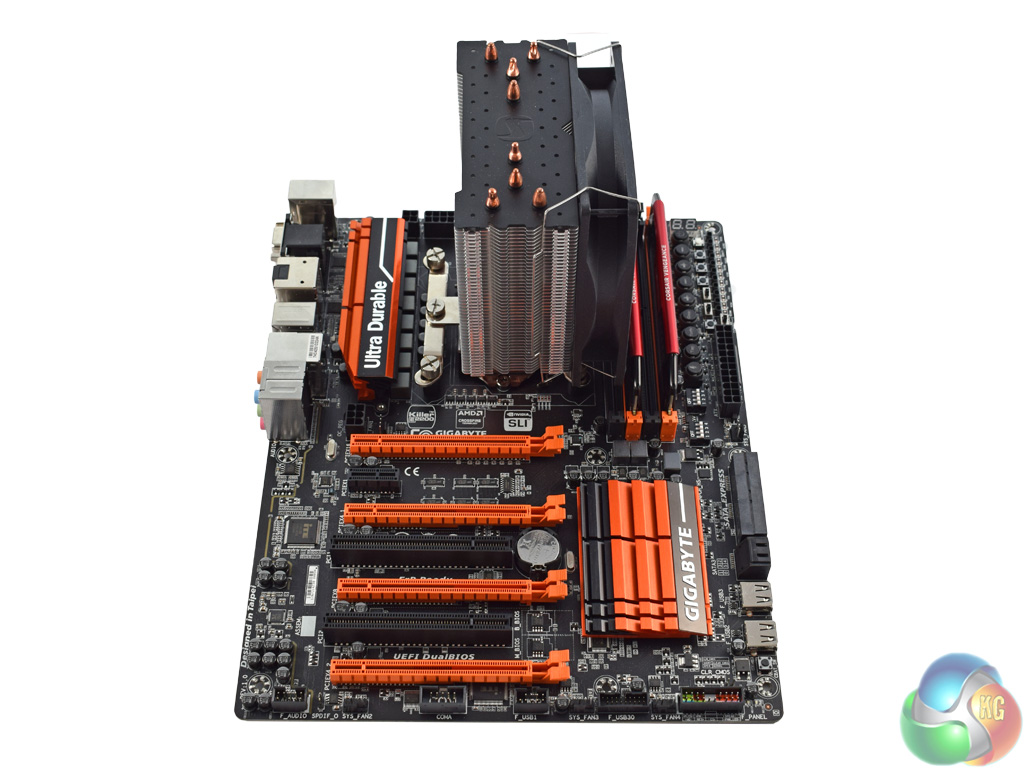
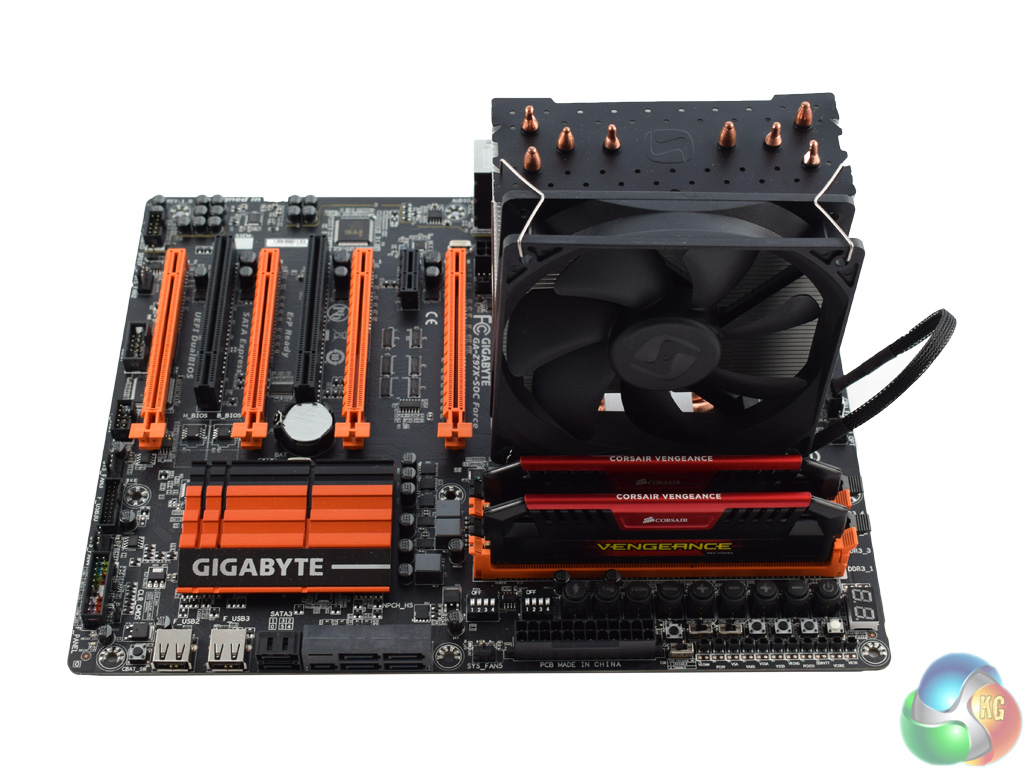
My first impression of the Fera was that it looks very similar to the CoolerMaster Hyper 212 EVO – albeit with the black plated section atop the heatsink.
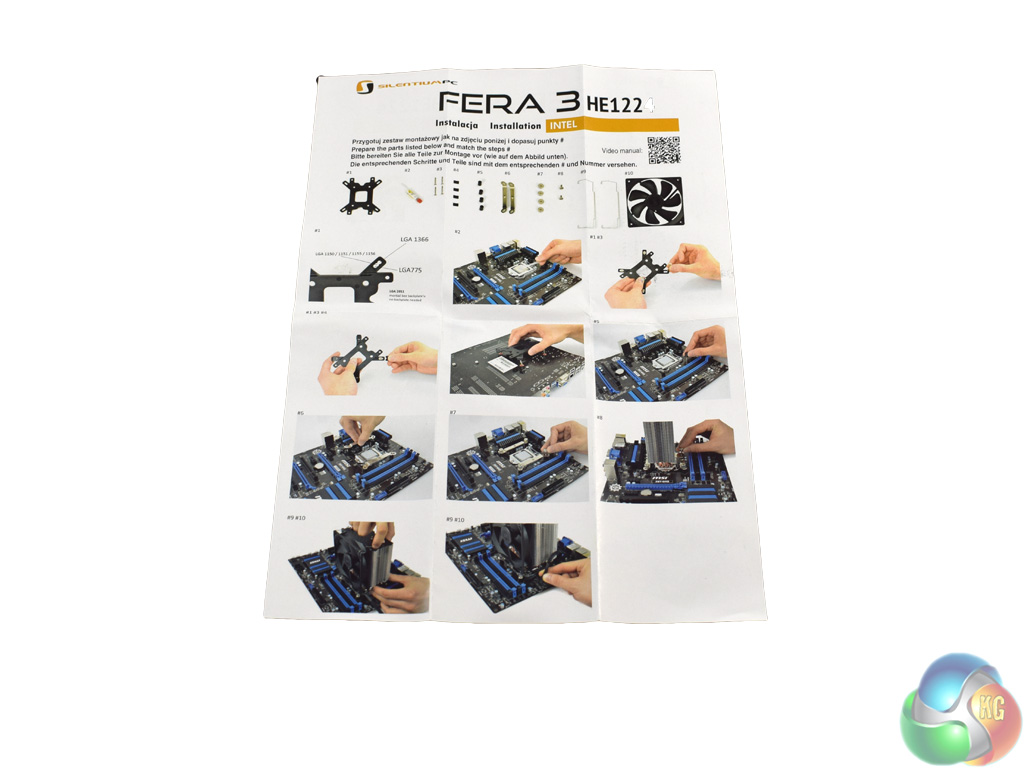
It is an entirely conventional installation, with a backplate, screws, spacers and then two side rails which are locked down using four studs. Rather than using a separate crossbar to screw onto the side rails, a crossbar is already preinstalled on the cooler itself.
The cooler is a straightforward job to install, but my only gripe is that all the screws, nuts and side rails come in a single bag – with no labelling for AMD or Intel motherboards. Everything you need does come clearly labelled on the installation guide, and I used everything in the bag except four AMD-specific screws – so it is not a confusing mess. Still, for a novice, it may be helpful to have marked bags for the different screws.
It is also worth pointing out the Fera 3 steps up to a proper 120mm fan – as opposed to the 100mm fan used by the Spartan coolers. As such, the heatsink is larger in comparison.
Testing
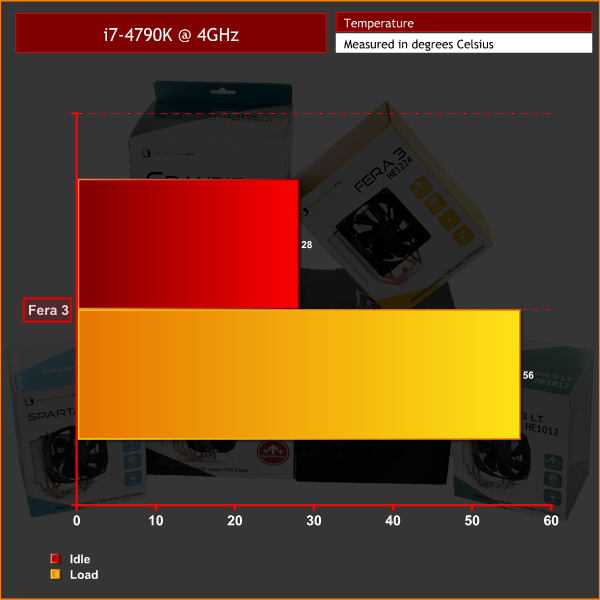
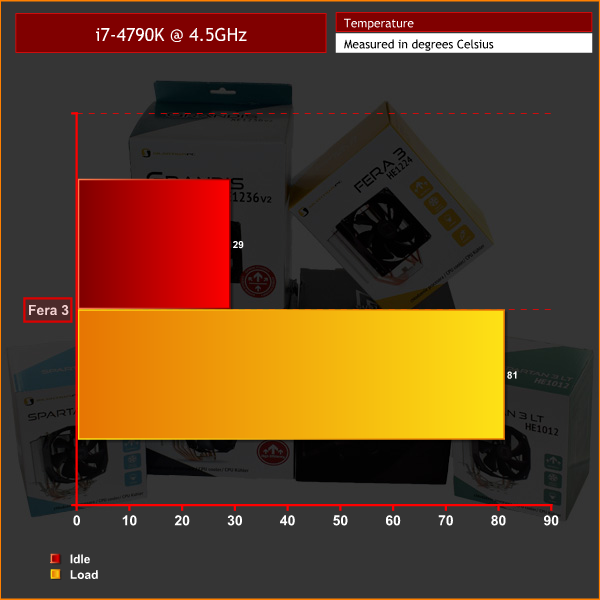
The Fera 3 proved much more capable of handling an overclock – with a 9 degree reduction in CPU temperature compared to the Spartan 3 LT.
In terms of noise, the 120mm helps things as it can spin slower to push the same amount of air when compared to the 100mm fans on the Spartan coolers.
This means, at stock speeds, it is very efficient. Positioned next to me on the test bench, I could actually hear the CX500M PSU fan over the Fera 3 when the CPU was idling. Under load, it was also a solid performer, with just a slight whirr to indicate it was having to work harder.
When overclocked, things do change – and the fan spins up considerably faster. Even then, you would be hard pressed to identify the Fera 3 over other case or GPU fans, for instance, as the noise is a low hum rather than a high-pitched racket. In this respect, I must praise the included Sigma Pro fan as it is very well suited to being attached to a heatsink.
- MSRP: £20.90
- Product code: SPC144
- EAN: 5904730204385

KitGuru says: The Fera 3 wins our Must Have award due to its good cooling, quiet operation and small size.
Moving on to the Fortis 3, with its MSRP of £28.90.
The Fortis 3 is a fair bit heftier than previous coolers we have seen so far, and SilentiumPC say it is ‘a large single tower type cooler with top tier performance at moderate price point.'
Specifications
- Dimensions (heatsink only): 125mm(L) x 125mm(W) x 155mm(H)
- Dimensions (with fan): 125mm(L) x 140mm(W) x 158mm(H)
- Weight (with fan): 820 g
- Heatsink: 5 x 6mm heatpipes, 38 x aluminum fins
- Fan: 140 x 140 x 25mm (with 120 x 120mm mounting holes)
- Bearing type: HSB / Hydraulic
- Fan speed: 500 – 1400 RPM +/- 10%
- Rated voltage: 12V
- Rated current: 0.15 A
- Air flow: 78.6 CFM @ 1400 RPM
- Noise level: 8 ~ 22 dBA
- MTBF: 50,000h
- Connector: 4-pin PWM
- TDP: max 220 W
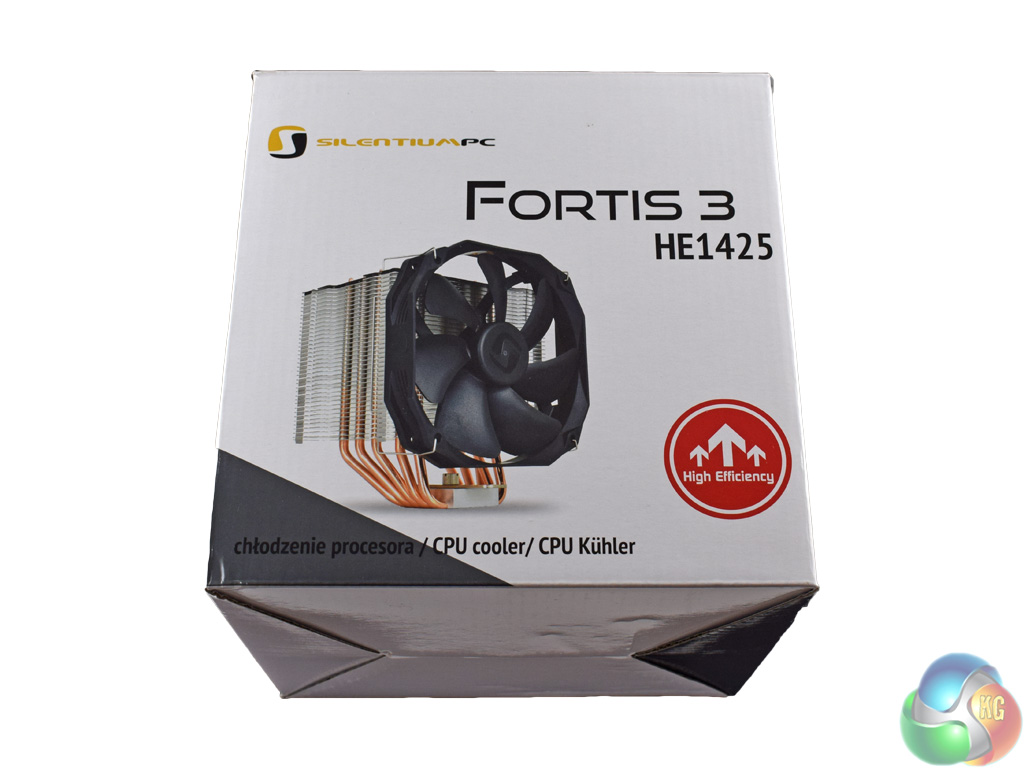
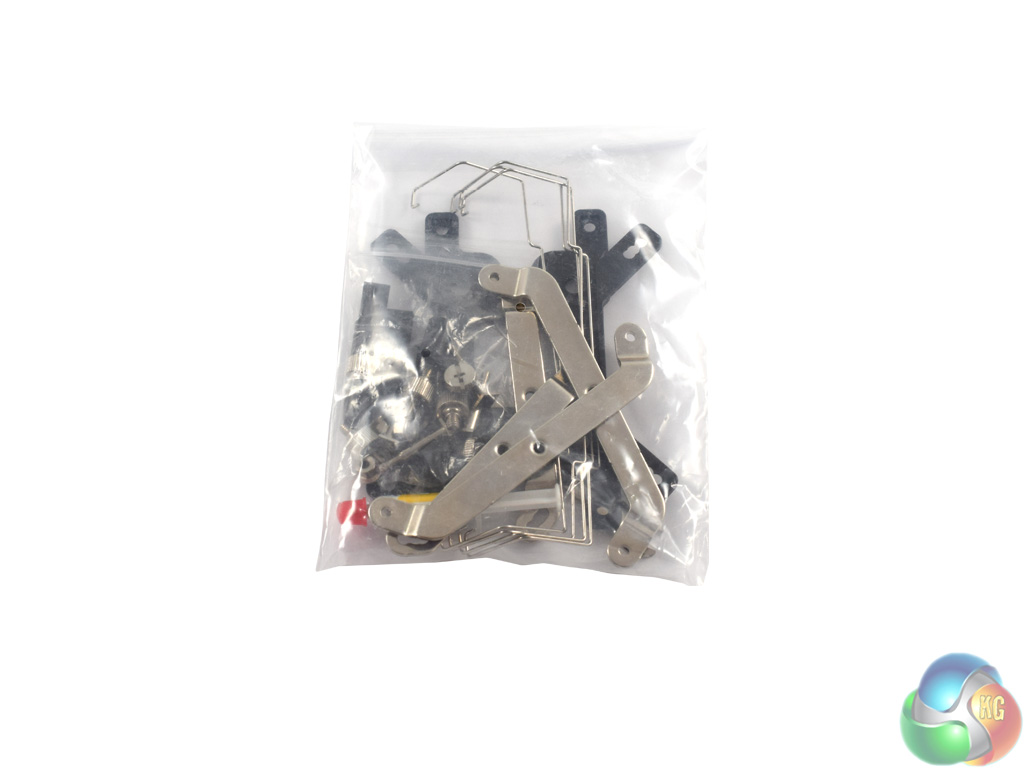
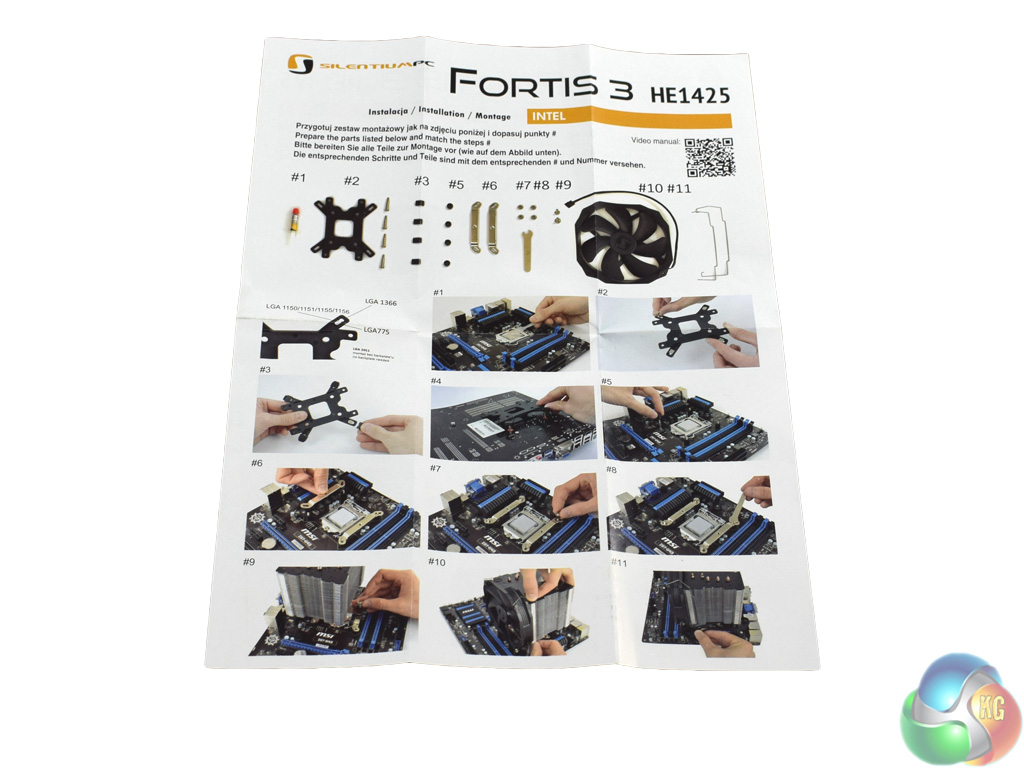


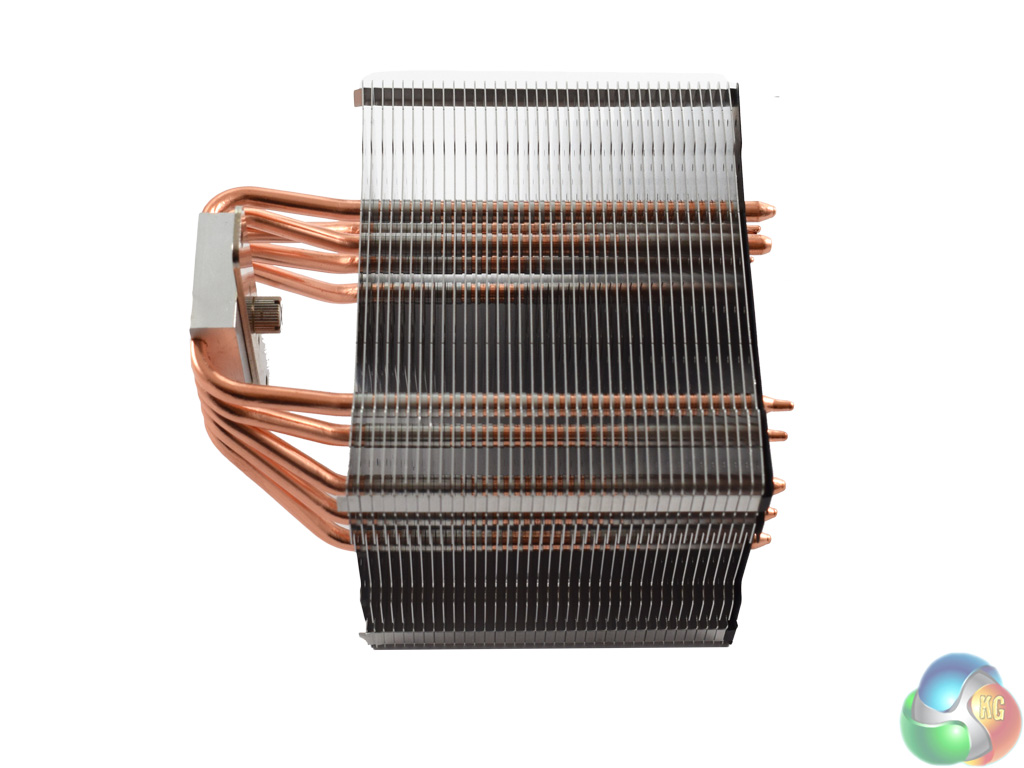

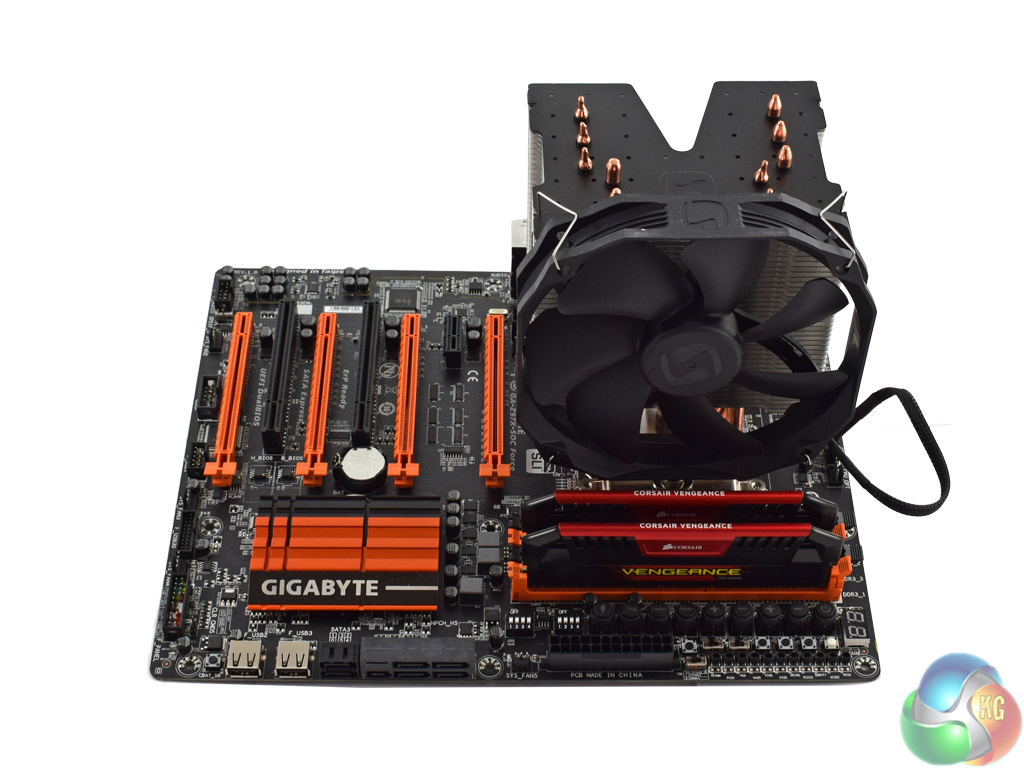
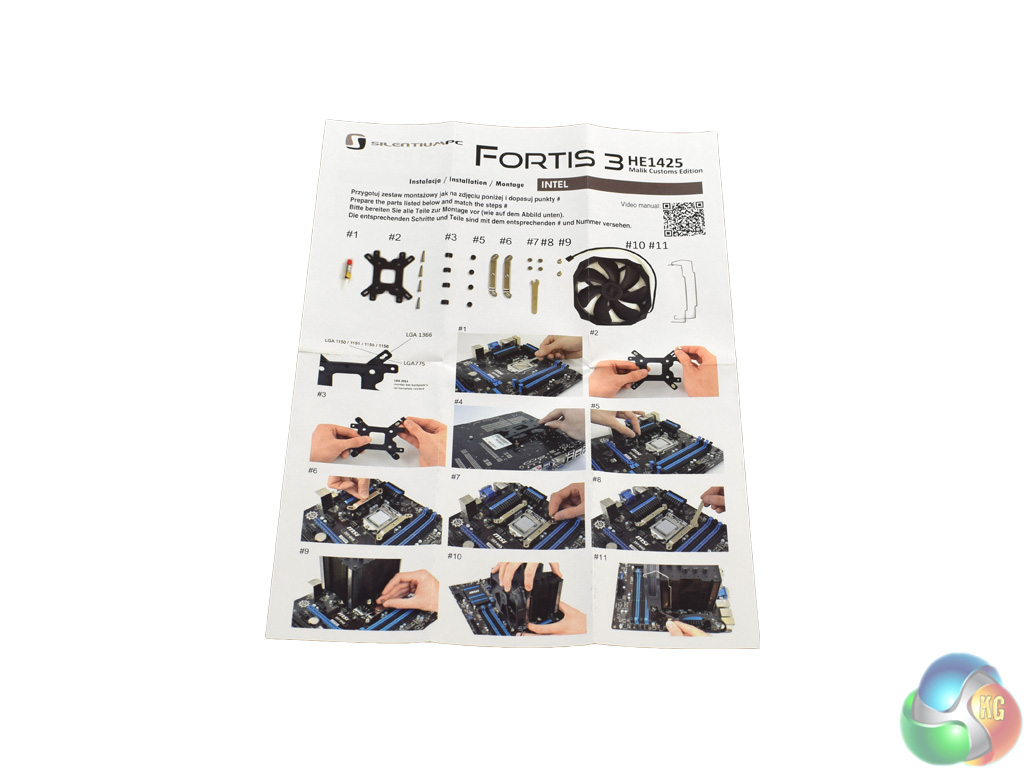
Installing the Fortis 3 is exactly the same as with the Fera 3 – it uses a backplate, screws, spacers and then two side rails with are locked down using four studs. If you get stuck there is the excellent picture guide to help you, along with a QR code which links to an installation video.
The Fortis uses a 140mm fan, too, with 120mm mounting holes. There are also another pair of mounting clips to allow a push/pull configuration.
Testing
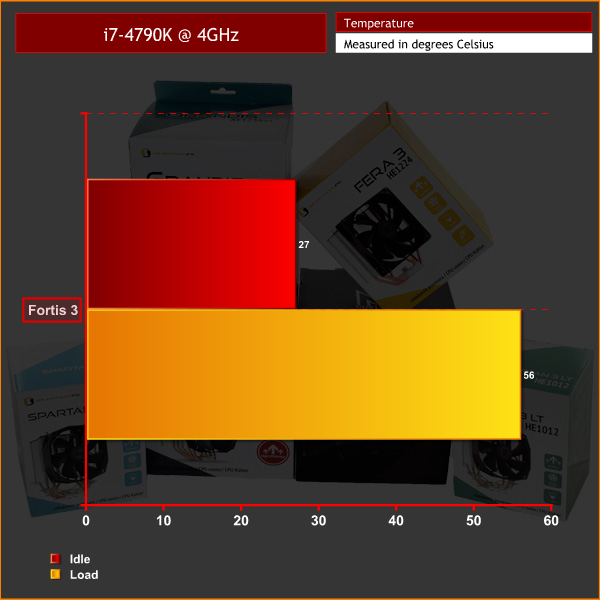
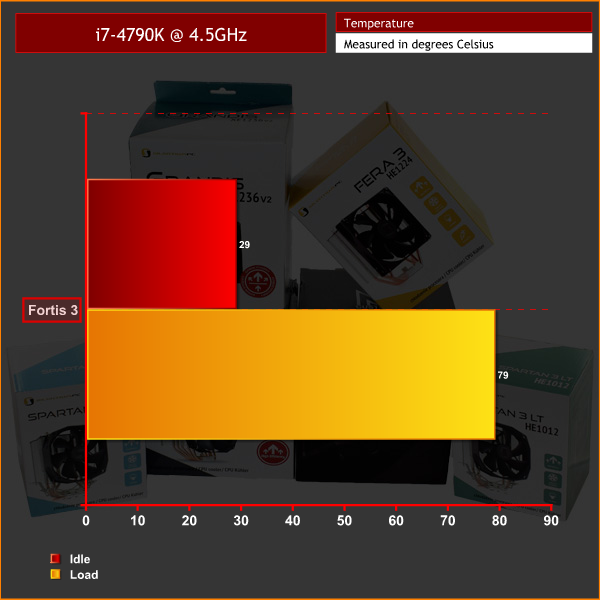
We are gradually beginning to see temperatures reduce. The Fortis 3 deals well with the overclocked CPU, coming in two degrees cooler than the Fera 3 under load. Just as a reminder, there is a full comparison between all the coolers on test at the end of the review.
At stock speeds, the Fortis is another stellar performer in terms of its noise output. Stretching to a 140mm Sigma Pro fan yields benefits as, when idling, it spins very slowly indeed. Under load, it does not ramp that much either – the larger heatsink must help dissipate the heat considerably. This keeps noise levels to the bare minimum, even on an open-air test bench.
When the CPU is overclocked, the fans do kick up slightly though – but it was still far from the racket of the Spartan 3 LT. Rather, in my experience, the noise just blends into the background – the low hum helps in this respect as it does not grab your attention like a high-pitched, whiny fan would.
- MSRP: £28.90
- Product code: SPC130
- EAN: 5904730204224
The Fortis 3 Malik Customs Edition has a MSRP of £38.90, £10 more than the original model.
The Malik Customs edition is essentially the same cooler but with revamped aesthetics – which looks very good. SilentiumPC say ‘it offers unparalleled thermal capabilities coupled with new level of customizability and aesthetics.'
Specifications
- Dimensions (heatsink only): 125mm(L) x 125mm(W) x 158mm(H)
- Dimensions (with fan): 125mm(L) x 140mm(W) x 158mm(H)
- Weight (with fan): 820 g
- Gross weight: 1466 g
- Heatsink: 5 x Φ6mm heatpipes, 38 x aluminum fins
- Fan: 140 x 140 x 25mm (with 120 x 120mm mounting holes)
- Bearing type: HSB / Hydraulic
- Fan speed: 500 – 1400 RPM +/- 10%
- Rated voltage: 12V
- Rated current: 0.15 A
- Air flow: 78,6 CFM @ 1400 RPM
- Noise level: 8 ~ 22 dBA
- MTBF: 50000h
- Connector: 4-pin PWM
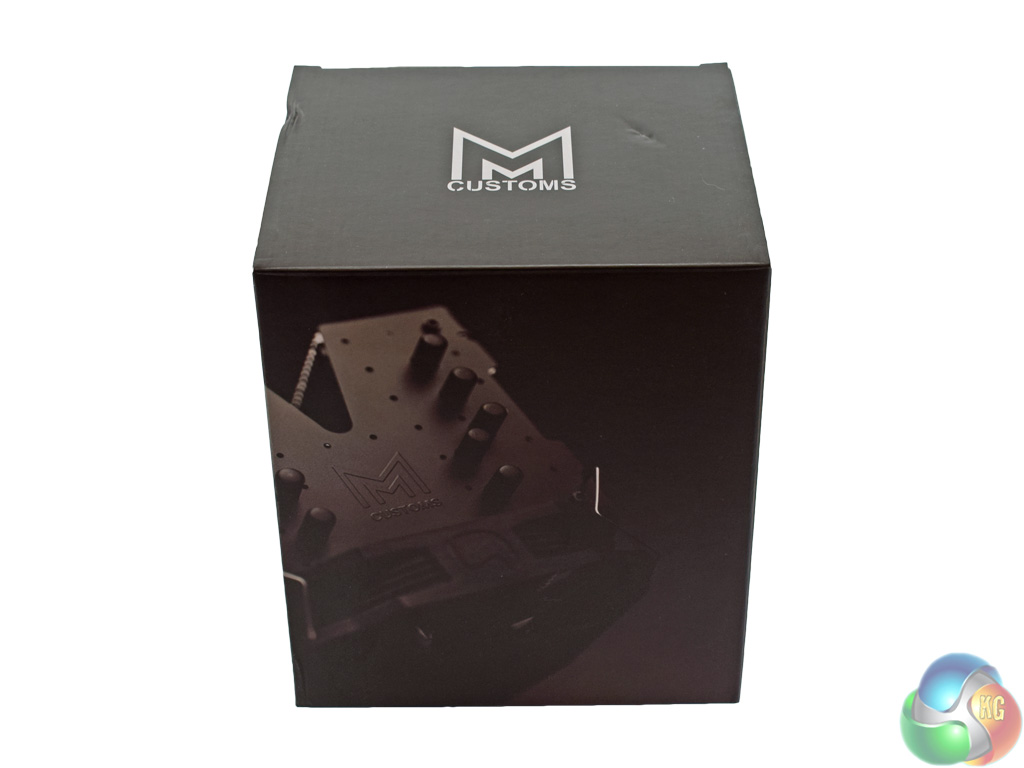
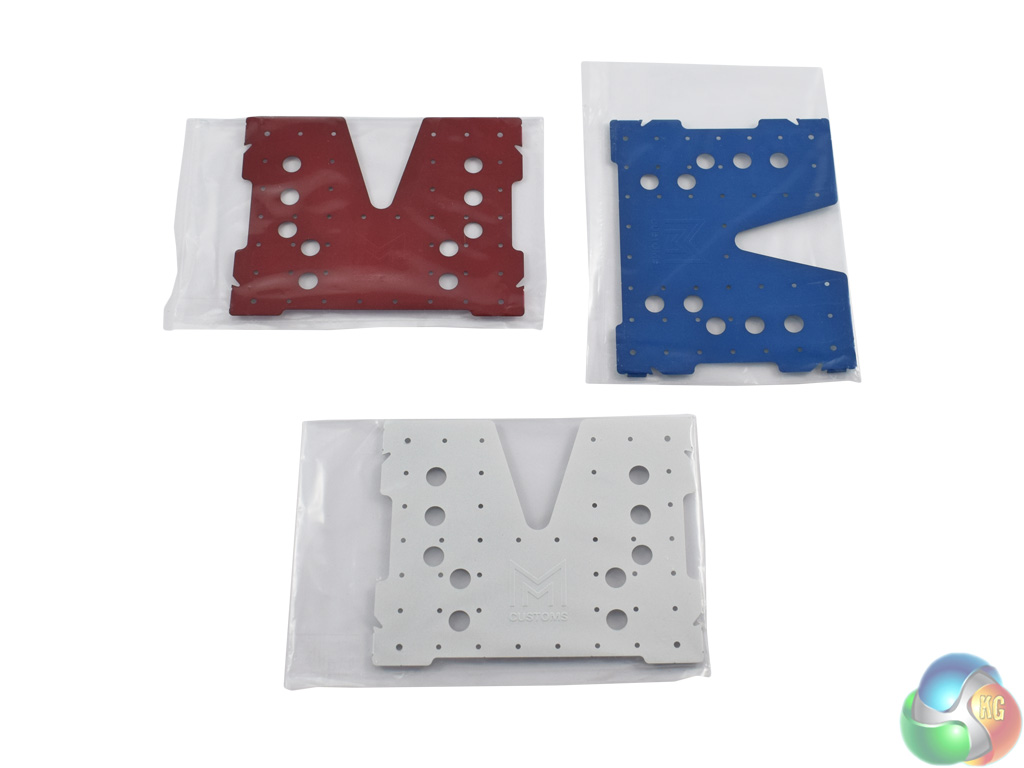
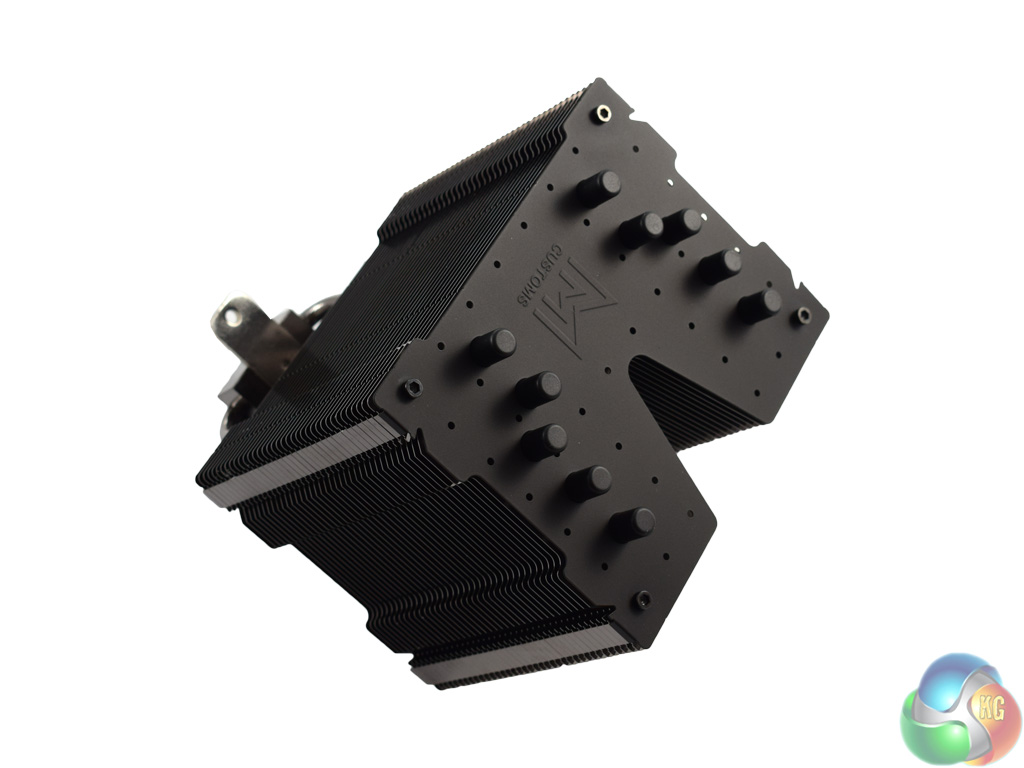
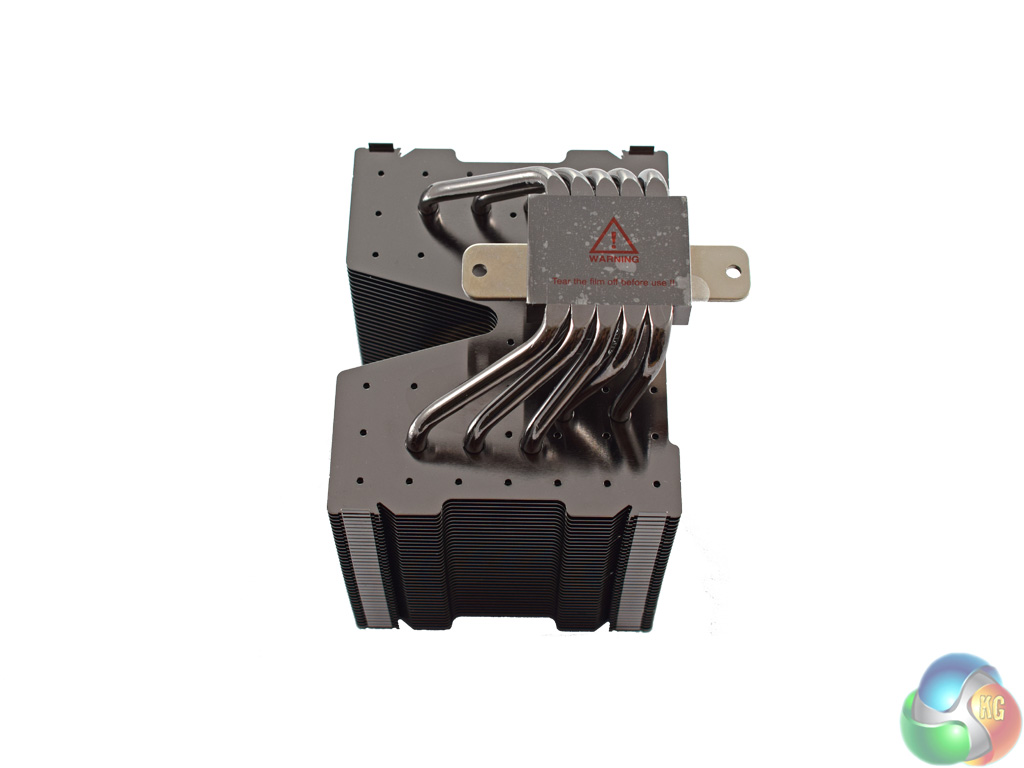
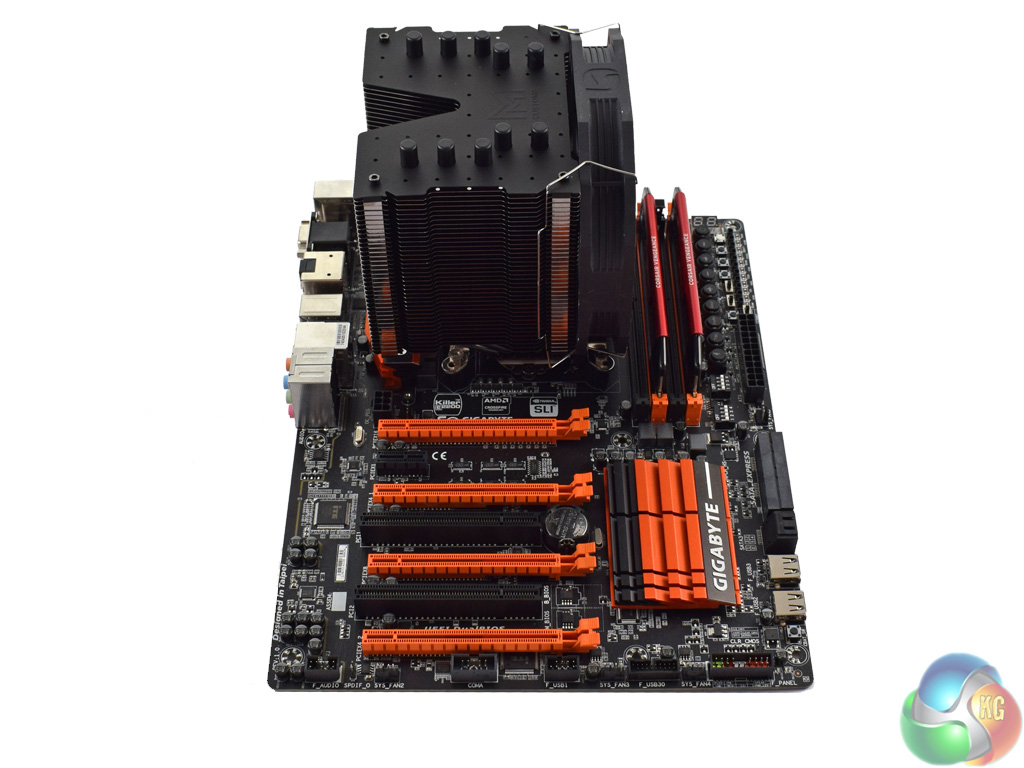
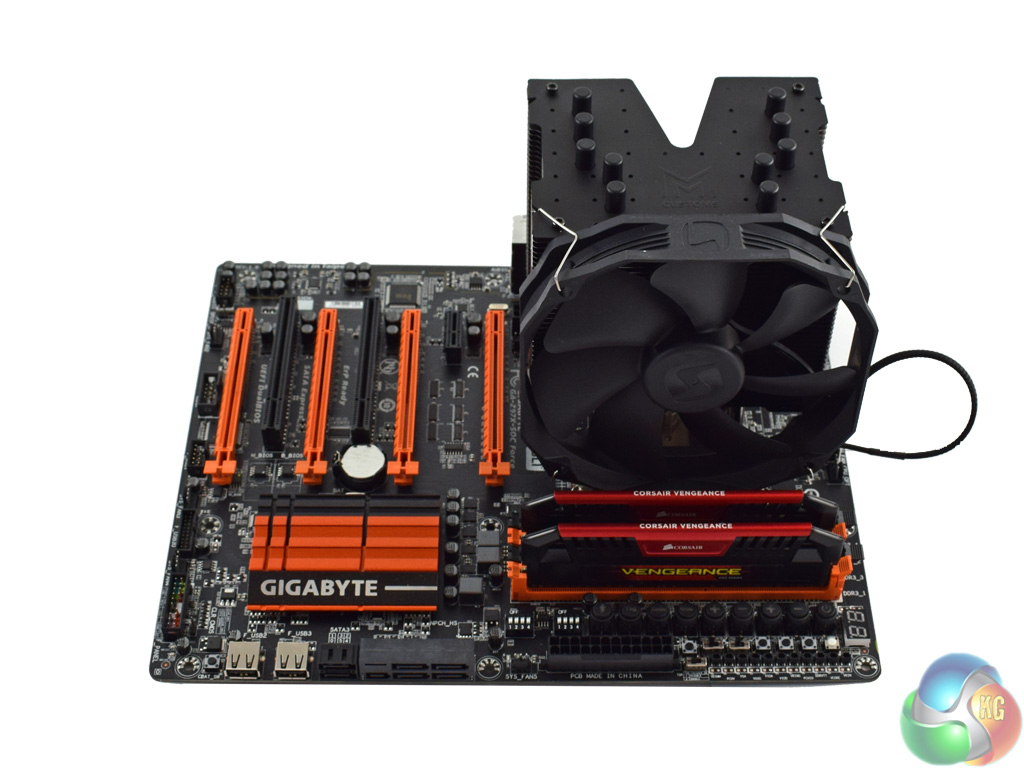
Well, what can we say about the Malik Customs edition other than ‘wow.' It does remind me a bit of the BeQuiet! Dark Rock 3 as it is a large slab of black metal, but it is certainly its own cooler.
The nickel-plated heatsink and nickel heatpipes look especially good, while there is even the bonus of having swappable plates for the top of the cooler.
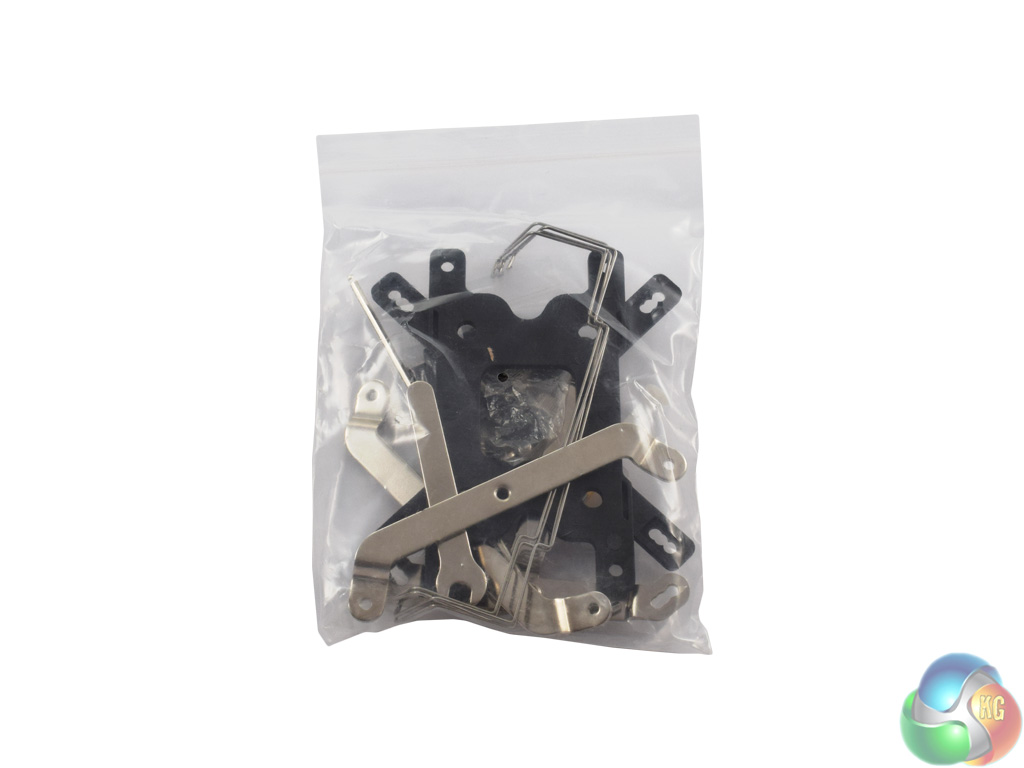
Installation is the same as with the original Fortis – all the included accessories are identical. However, it is worth pointing out just one thing. Given the cooler has its crossbar preinstalled, users simply need to insert two screws through the crossbar to lock it into place with the side rails. The only problem is that most of the heatsink covers one of the screw holes, making it tricky to get the screw into place. After a bit of fiddling it fits in nicely, but due to the heatsink's size it is not the easiest of jobs.
Testing
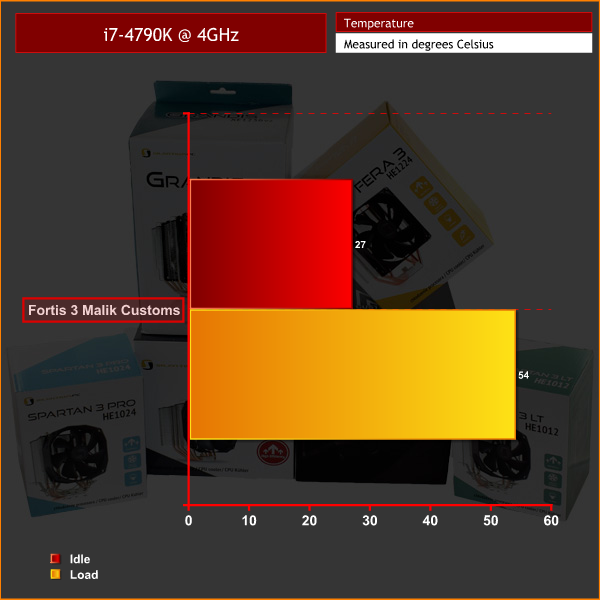
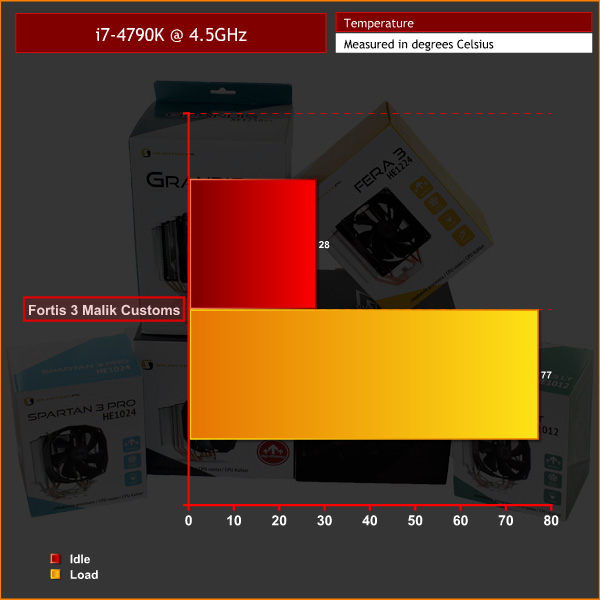
I was surprised to see the Malik Customs edition cool better than the original Fortis 3. It is certainly a good thing, but surprising as they are effectively the same cooler – perhaps the nickel-plated heatsink dissipates heat better.
However, the 140mm Sigma Pro fan is the same as with the original Fortis 3, and noise output is essentially the same between the two.
At stock speeds it is very easy to forget you have a fan spinning at all, while the noise does increase when the CPU is overclocked. Even then, however, the noise is far from intrusive as it simply blends into the background.
- MSRP: £38.90
- Product code: SPC138
- EAN: 5904730204378

KitGuru says: The Fortis 3 Malik Customs edition wins our Worth Buying award for its sheer sexiness and great cooling ability.
Finally, we come to the biggest of the coolers – the dual-fan Grandis, which has an MSRP of £37.90.
SilentiumPC say ‘the Grandis XE1236 is the pinnacle of SilentiumPC CPU cooler lineup. This dual-radiator monster offers stellar cooling potential for the hottest processors on the market.' It is not surprising, too, considering its 250W TDP.
Specifications
- Overall dimensions: 130 x 105 x 158 mm
- Overall weight: 1.16kg
- Cooling fan type: 2 x GF12025
- Size: 120 x 120 x 25mm
- Bearing type: Hydraulic
- Rated Voltage: 12V
- Rated Current: 0.2A
- Air Flow: max. 55.00 CFM
- Noise level: max. 21 dBA
- Fan Speed: 500 ~ 1500 +/-10%
- MTBF: 50 000 hours
- Connector: 4Pin PWM
- TDP: max 250 W
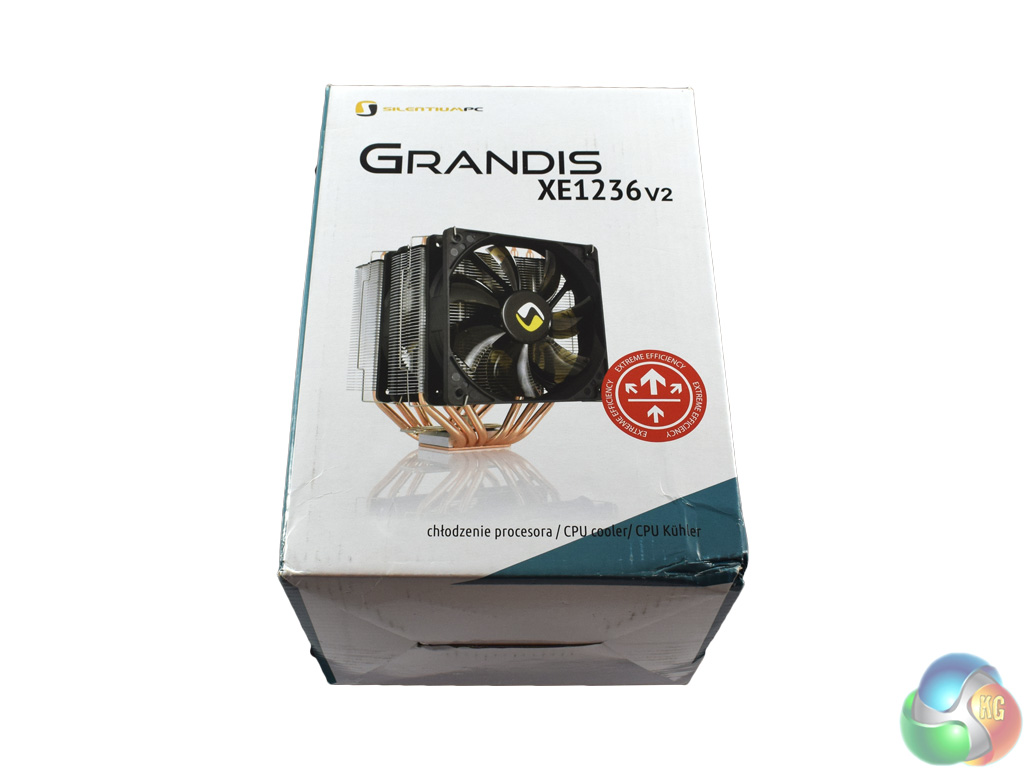
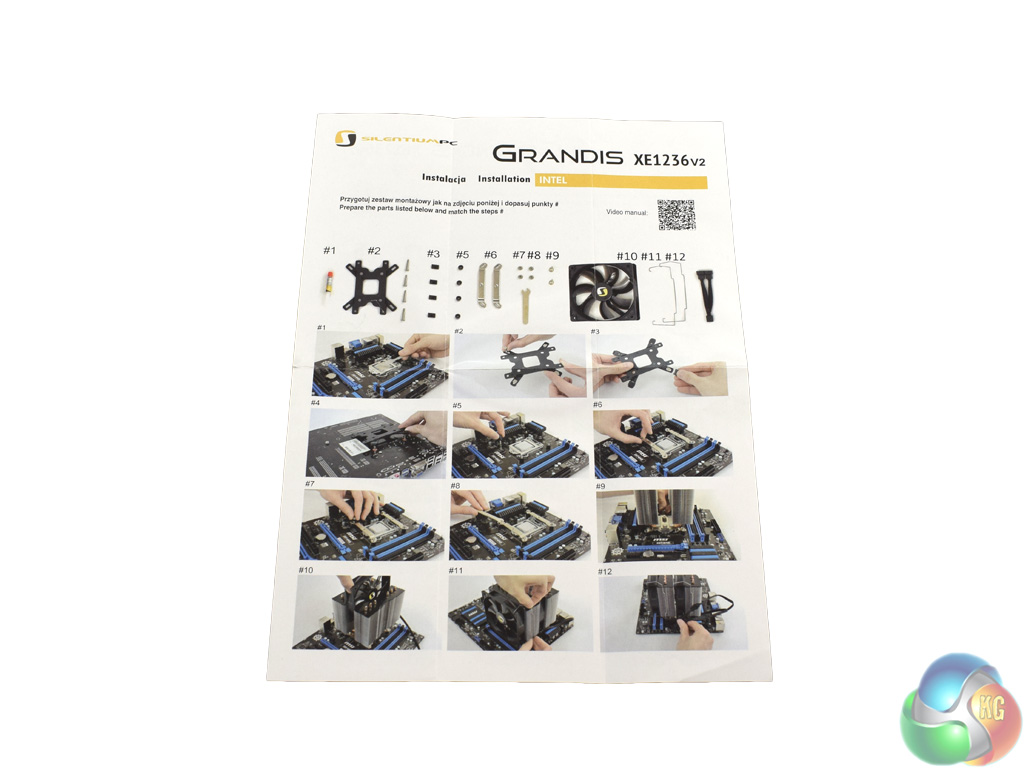
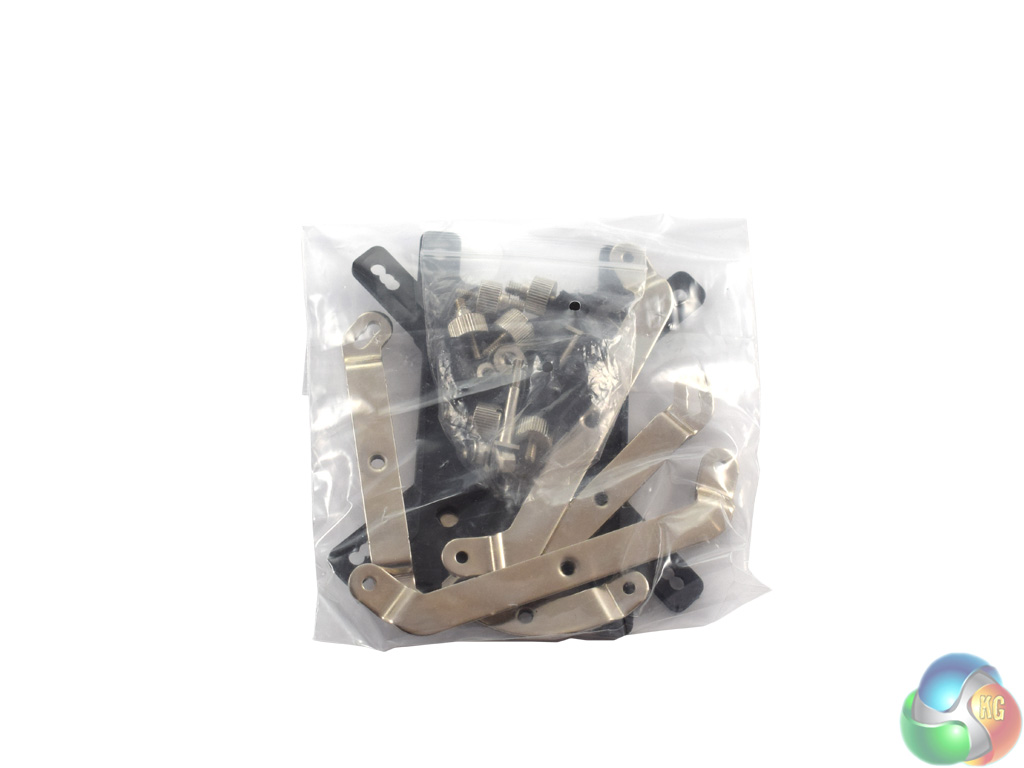
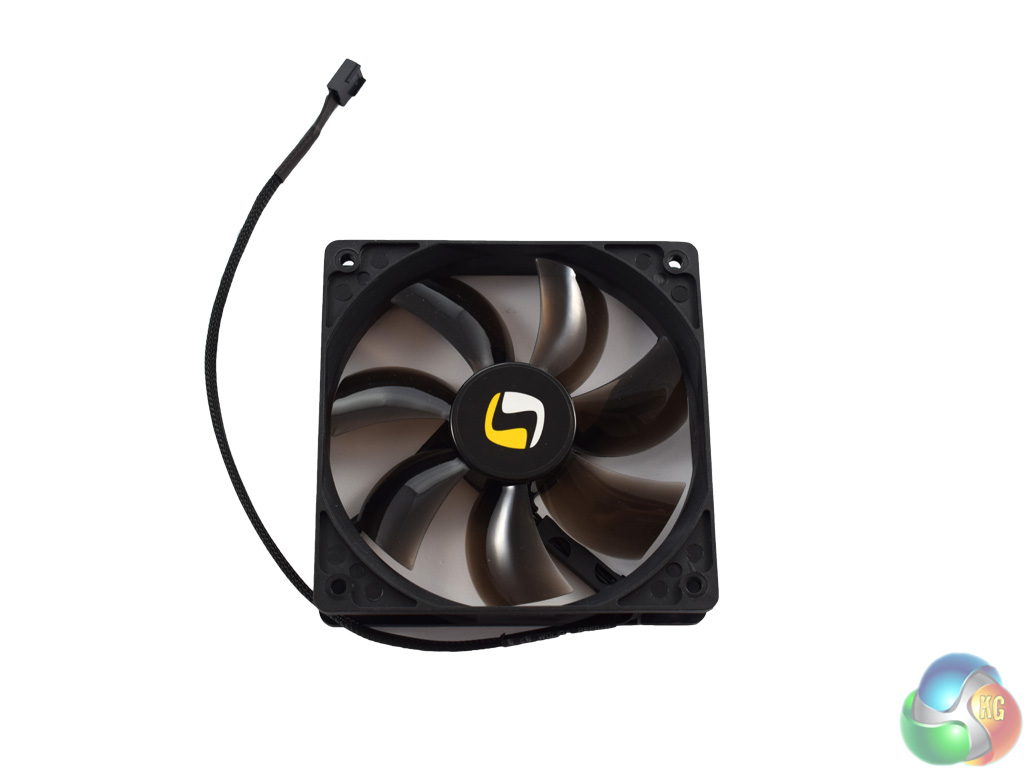
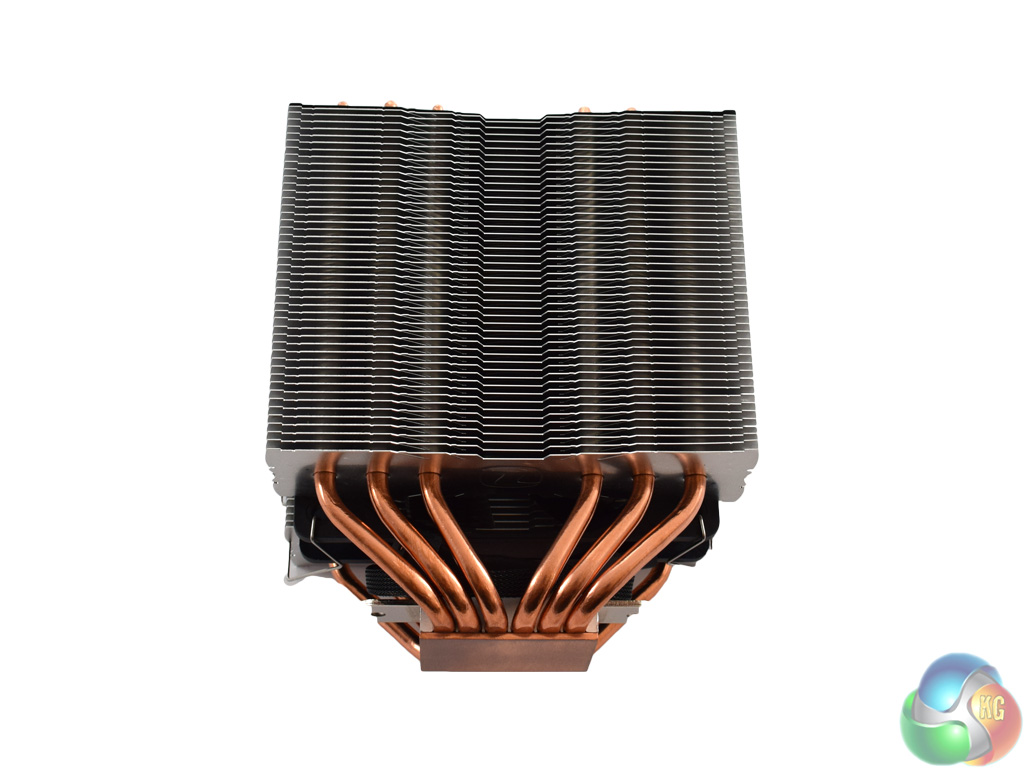
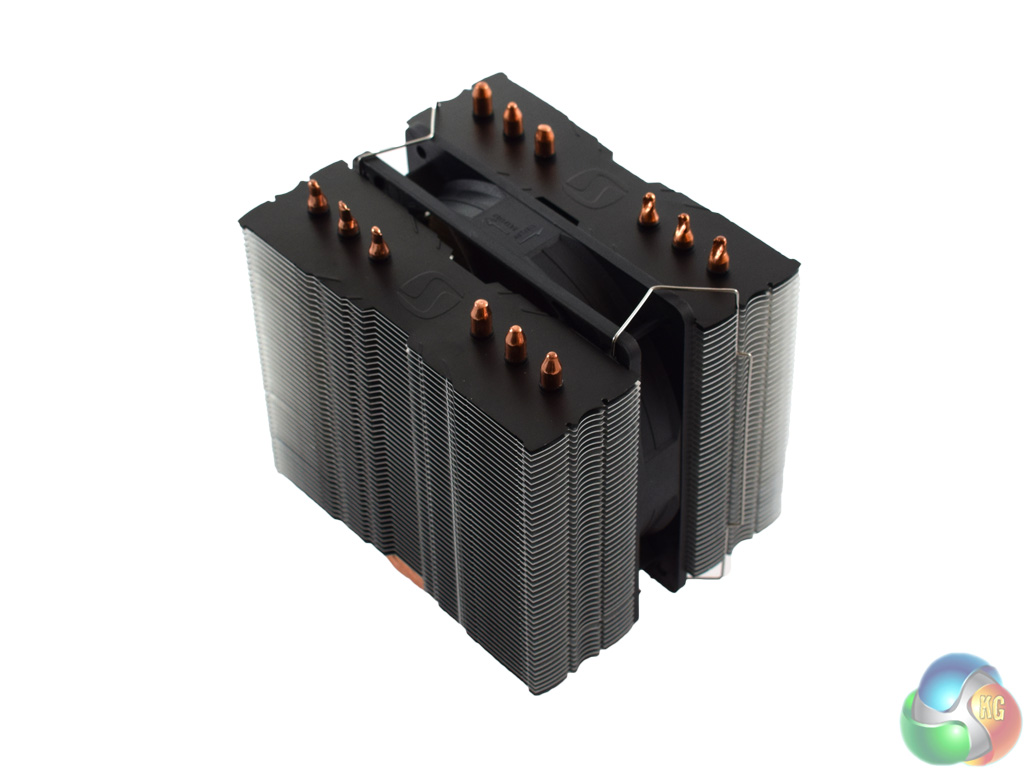
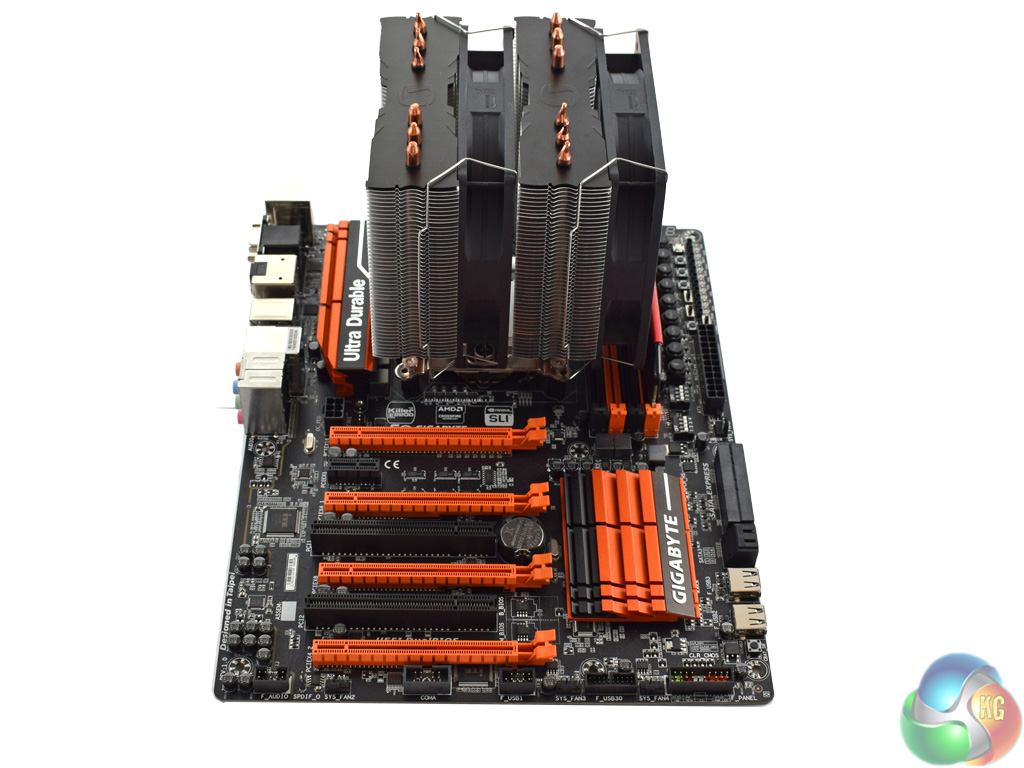
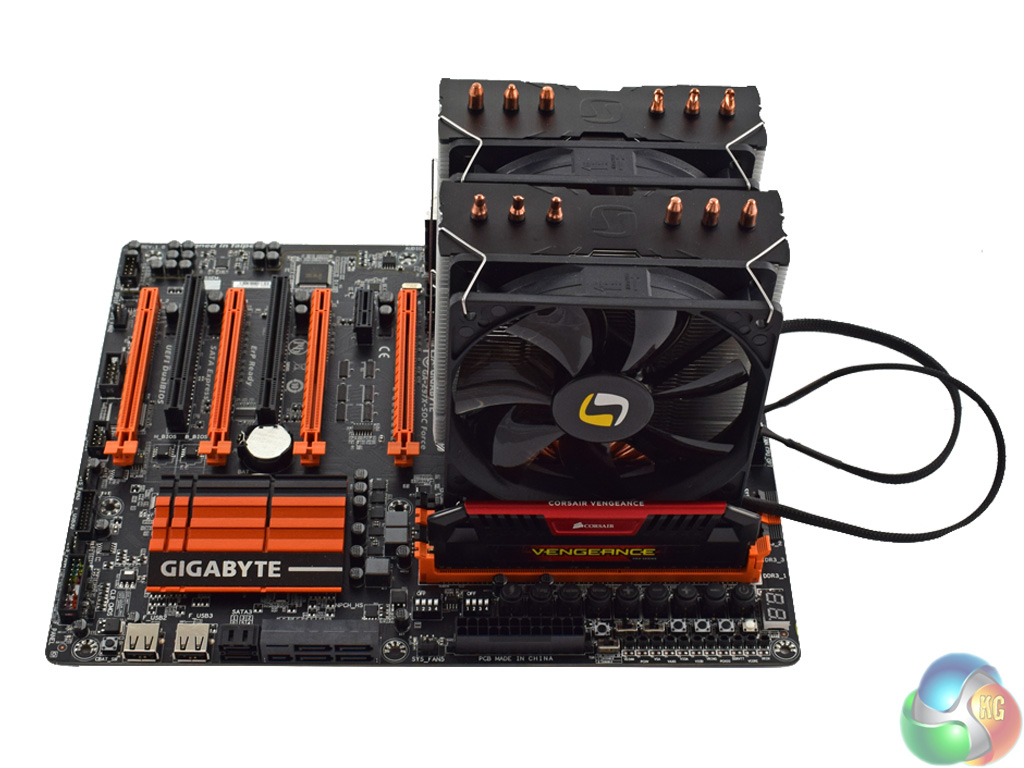
The Grandis is certainly a big cooler, to say the least. Weighing in at over 1.1KG, it uses two 120mm fans to keep even the hottest CPUs cool.
Installation is the same as with the Fera 3 and the Fortis 3 coolers. However, there is one significant drawback to the Grandis – RAM clearance. With one fan in the middle of the two heatsinks, and another at the front (furthest away from the motherboard I/O, as in the pictures) there is no room for anything other than the lowest-profile RAM kits. Of course, you could install the fan on the other side of the heatsink, pulling air out of the cooler – but I would imagine pushing it through the front would be more effective.
Testing
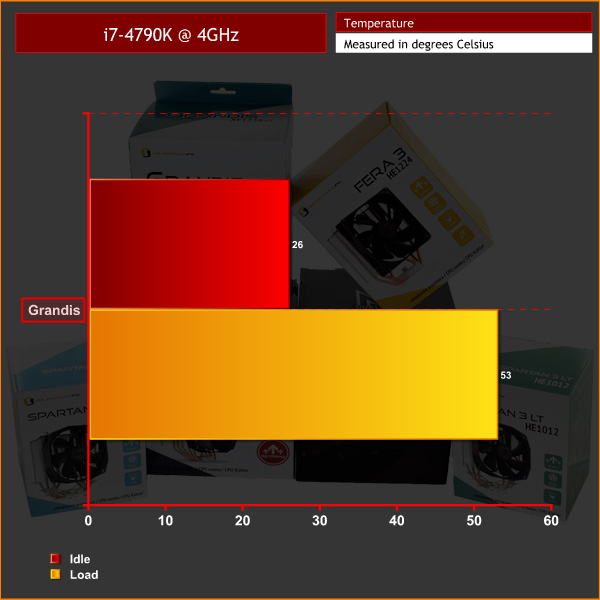
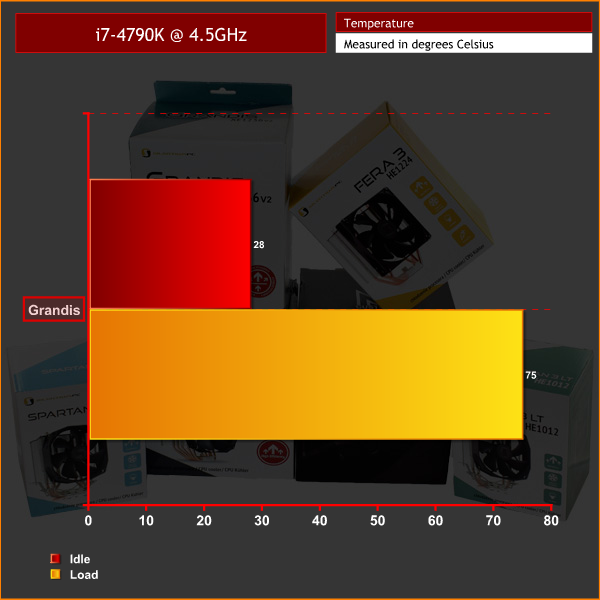
While the Grandis does very well with the overclocked CPU, I was honestly most impressed by it at stock speeds. When idling it was truly inaudible – I had to press my ear almost against the heatsink to detect the tell-tale whirr of the fans. Even under load, the fans were barely spinning – which is clearly the obvious benefit of having the dual-heatsink design, as there is more physical space for the heat to dissipate enabling the fans to do less of the work.
Its cooling performance when dealing with the overclocked CPU, too, does suggest it would be perfect for anyone who wants to overclock their CPU to limit without going down the watercooling route.
This holds true for noise levels as well, though I would have preferred to see 140mm fans on the Grandis – but of course this does mean it would have to be even bigger. The 120mm fans are by no means loud, but when they ramp up to deal with the overclocked Core i7, you are aware of them both spinning. After the success of the 140mm fans included with both Fortis models, perhaps my expectations were too high – but under extreme, overclocked load the Grandis is more audible.
- MSRP: £37.90
- Product code: SPC099
- EAN Code: 5900308750131
KitGuru says: Perfect for overclocking enthusiasts, the Grandis wins our Worth Buying award due to its monstrous, dual-fan design which can dissipate a lot of heat.
Here, I present the complete findings of all my testing. Both charts are sorted with the lowest load temperature at the top.
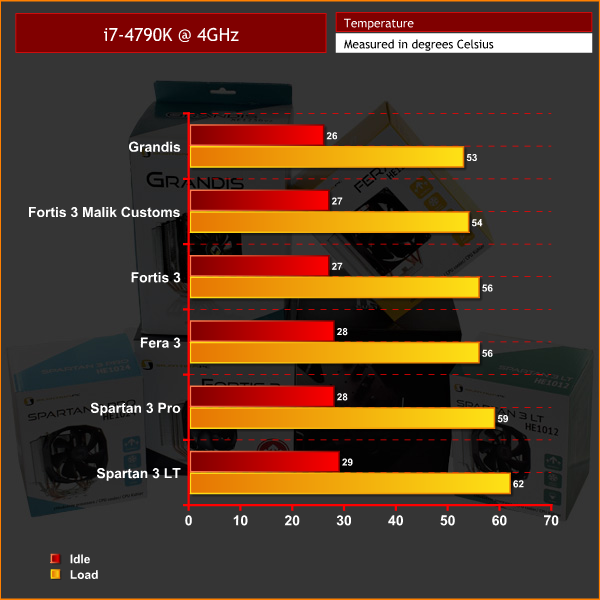
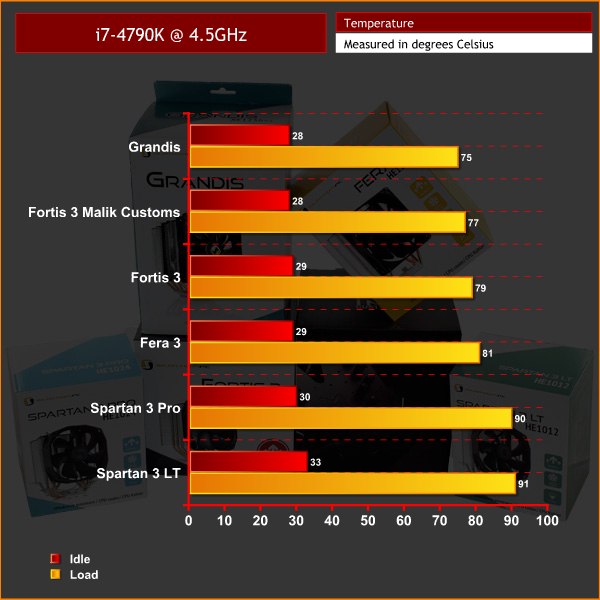 This review today pitted 6 different coolers from SilentiumPC against each other. However, I am not going to simply look at the data and say which cooler I think is the best. This is because each cooler is aimed at a different audience. It would be unfair to directly compare the Spartan 3 LT with the Grandis, for example, as they do different jobs and are priced accordingly.
The Spartan 3 LT and Spartan 3 Pro are aimed at those wanting a small yet effective stock cooler replacement. While they both did poorly in the overclocked CPU test, at stock speeds they performed much better. As such, I would recommend these two coolers to someone with a lower-end, locked CPU such as a Core i3-6100 or Core i5-6400, for example.
The Fera 3 is my personal favourite of the coolers, simply because of its versatility. At stock speeds, load temperature is just 3 degrees warmer than the Grandis, while the margin is just 6 degrees when tested with an overclocked CPU. Given its relatively small size, I would say this very good performance – and it costs just £19.90. As such, I think it strikes a good balance between performance, size and price.
Turning our attention to the Fortis 3 and Fortis 3 Malik Customs Edition, we have bigger and beefier coolers aimed at those with unlocked CPUs. The principle difference between the two is aesthetics – although the Malik Customs edition cooler does just pull ahead in terms of performance. It is £10 more though, so you will have decide if the extra eye candy is worth it. Personally, I think it is a gorgeous cooler and would gladly have it on-show inside my NZXT S340.
Finally, the big boy – the Grandis. The Grandis is aimed at those wanting to overclock their CPUs as far as they will go – and for whatever reason, do not want to consider watercooling. It delivered the best temperatures across all our tests – which is not surprising considering its 6 heatpipes and dual-120mm fans. Being very attractively priced at £38.90, too, makes it a real bargain for enthusiasts.
Discuss on our Facebook page, over HERE.
You can check out all of SilentiumPC's range HERE.
KitGuru says: Rather than recommending one cooler of the 6 on test today, I would advise you to consider your needs before getting the biggest and baddest air cooler on the market. If you are running a locked, low-power CPU, chances are you don't need much in the way of cooling. However, if you want to squeeze every last megahertz from your processor, you will likely benefit from a larger heatsink.
I currently earn in the range of six to eight thousand bucks /a month working online. For those of you who are ready to do basic freelance work for 2-5 h each day from comfort of your home and earn decent profit for doing it… Try this job SELF19.COM
fewf
<.
✹★:✹★:✹★:✹★:✹★:✹★:✹★:✹★:✹★:✹★:✹★:✹★:✹★:✹★:✹★:✹★:✹★:✹★:✹★:✹★:✹★:✹★:✹★::::::!w223h:….,..
disappointing and very superficial review.
eg the Grandis XE1236- ‘but I would imagine pushing it through the front would be more effective’ = so TRY it. It could solve that RAM clearance issue.
Hello, if the temperatures were delta, would the fera3s temperature be 60 degrees? So is Fera 3 only 5 degrees worse than Cryorig H7?